

 LANGUAGE
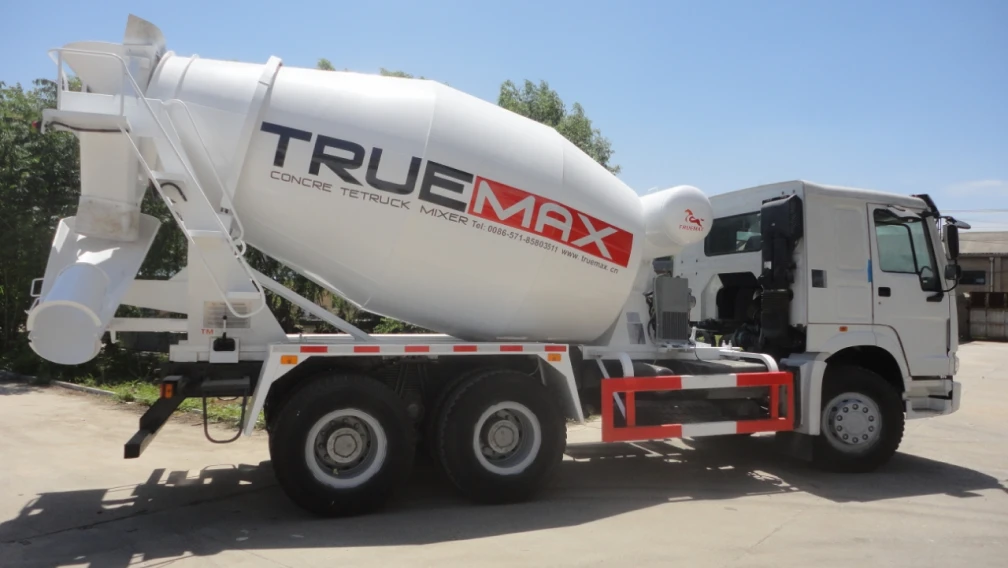
The first thing buyers get wrong about a concrete mixer truck is the number on the spec sheet. A "10 m3" mixer does not carry 10 m3 inside the drum shell. The shell is bigger, around 14 to 16 m3, because wet concrete needs room to tumble without spilling, and because a fully loaded truck has to stay under the road weight limit. The rated figure is the working load. The drum you see is always larger than the concrete it legally moves.
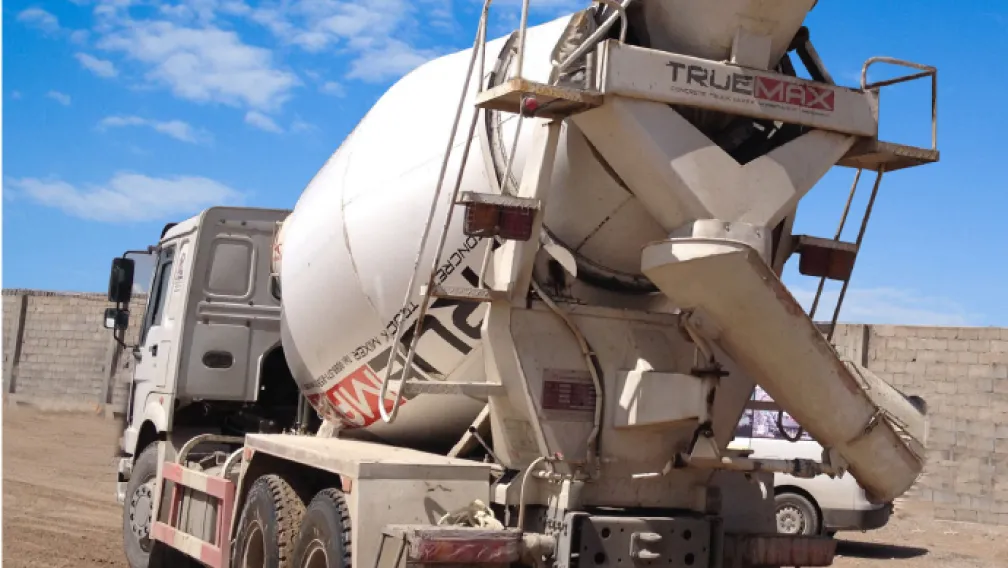
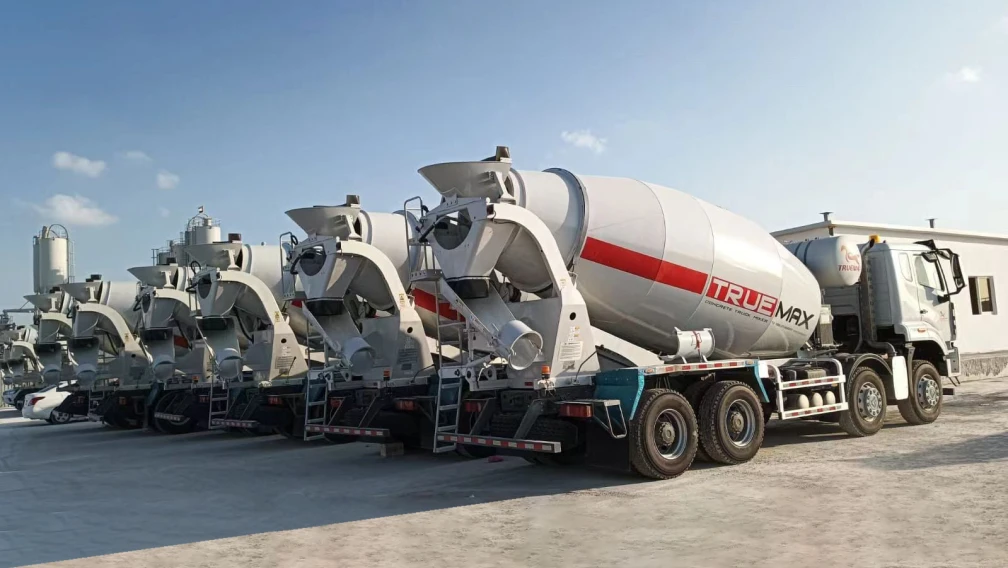
We have built concrete mixer trucks at TRUEMAX since 2003 and supply fleets to ready-mix producers and contractors across the Middle East, Africa and Southeast Asia. Our range runs from the 3 m3 CTM3 up to the 14 m3 CTM14. This guide covers what the capacity figure actually means, why weight sets your ceiling, how to pick the chassis, and what to send us so we can spec the right truck for your roads and your plant.
How Much Concrete Does a Mixer Truck Hold?
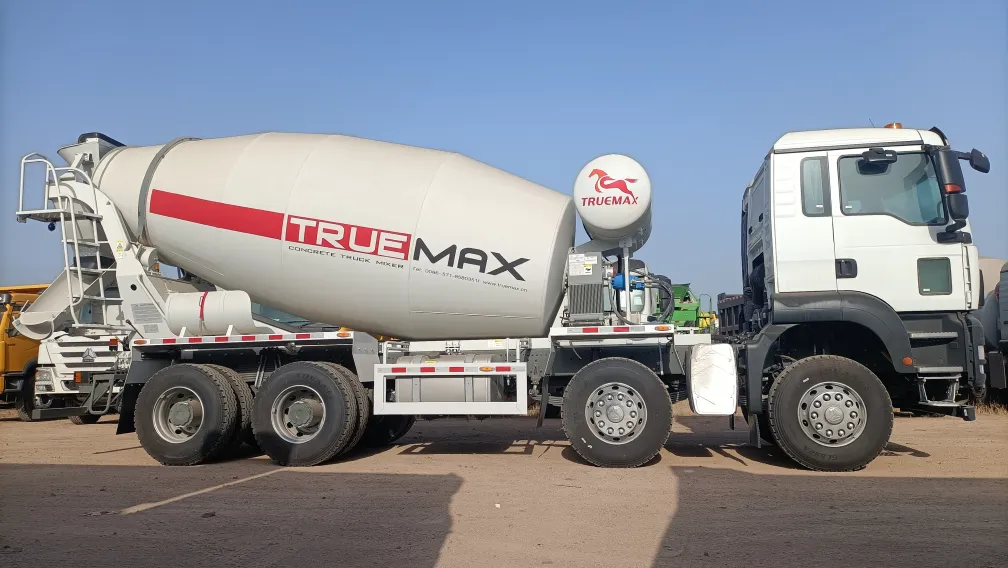
A standard concrete mixer truck holds between 6 and 12 m3 (about 8 to 16 cubic yards) of ready-mix concrete, and 8 to 10 m3 is the most common working size worldwide. That number is the drum's rated capacity, what it is designed to mix and carry, and it sits at roughly 60 to 65 percent of the drum shell's total volume. Weight rules, drum design and site access decide where in that range your truck should land.
The gap between rated and geometric volume is deliberate. Concrete has to fold over on itself as the drum turns, so about a third of the shell stays empty as headroom. Fill past the rated line and the mix slops out on gradients and roundabouts, and the load pushes the truck over its axle limit. This is why two trucks with the same drum can carry different amounts once you account for the chassis and the local weight law.
| Rated capacity | Class | Typical use | TRUEMAX model |
| 3-6 m3 | Small | Tight urban sites, repair work, low-volume supply | CTM3, CTM6 |
| 8-10 m3 | Medium | Ready-mix delivery, most commercial and residential pours | CTM8, CTM9, CTM10 |
| 12-14 m3 | Large | High-output plants, infrastructure, long hauls | CTM12, CTM14 |
Buyers in North America usually think in cubic yards and quote an 8 to 10 yd3 standard truck, while the rest of the world specs in cubic metres. Both describe the same machine, since 10 yd3 is about 7.6 m3. When you compare quotes across suppliers, convert everything to one unit first so you are matching like for like.
The Road Weight Limit Is Your Real Ceiling
Concrete is heavy, about 2.4 tonnes per cubic metre. A 10 m3 load is roughly 24 tonnes of concrete on its own, and the truck under it adds another 12 to 15 tonnes, so a full 10 m3 mixer runs near 32 tonnes gross. Most countries hold a three-axle truck below that, which is why your local axle and gross-weight limit usually decides how much concrete you can move per trip, whatever the drum is rated at.
Get this wrong and the costs show up fast: overload fines, quicker tyre and brake wear, and a truck that is harder to stop on a grade. It also explains a pattern we see in the field. Fleets running on marginal pavement in parts of Africa and Southeast Asia often step down to a 7 to 9 m3 drum on purpose, trading a little capacity per load to protect the axles and stay legal on weak roads. Confirm your weight rules before you fix the drum size, not after.
Choosing the Chassis: 4x2, 6x4 or 8x4
The chassis carries the load and sets the legal weight envelope, so it drives most of the decision once you know your target capacity. Here is how the three common configurations line up.
| Drive | Typical drum | Best for | Trade-off |
| 4x2 | 3-7 m3 | Urban and light-duty work, tight access | Lower payload, but stays inside a light GVW window |
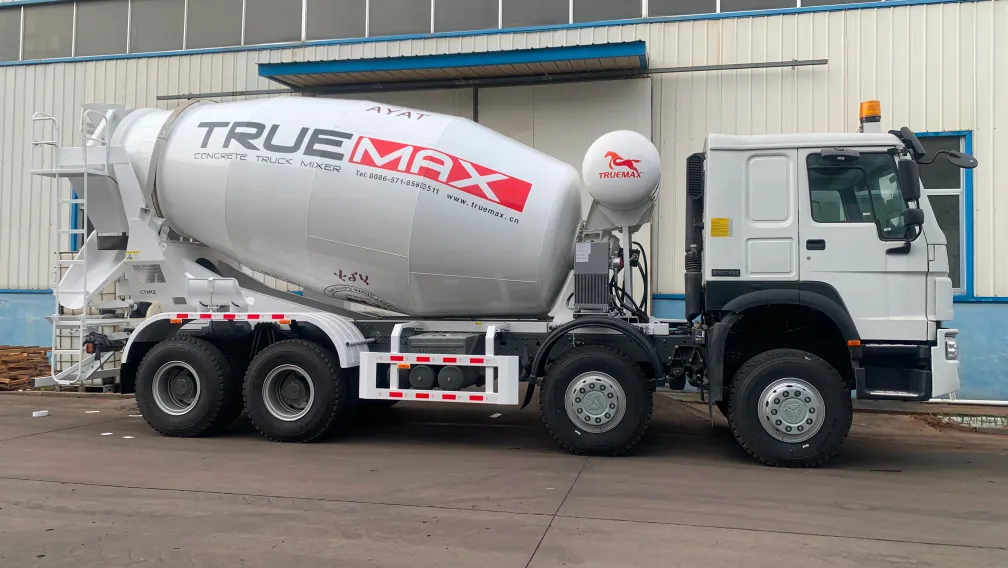
| 6x4 | 8-12 m3 | The workhorse for most ready-mix fleets | Best balance of load, traction and maneuverability |
| 8x4 | 12-14 m3 and up | High-volume supply, or roads with low per-axle limits | More payload, but longer, thirstier and more axle and tyre upkeep |
One rule matters more than the axle count: the chassis and the drum have to be engineered together. Bolt a heavy 14 m3 drum onto a thin-wall chassis and you build in a torsion-fatigue problem that can crack the frame within a couple of years. A mixer is only as reliable as the weakest link between the drum, the sub-frame and the chassis.
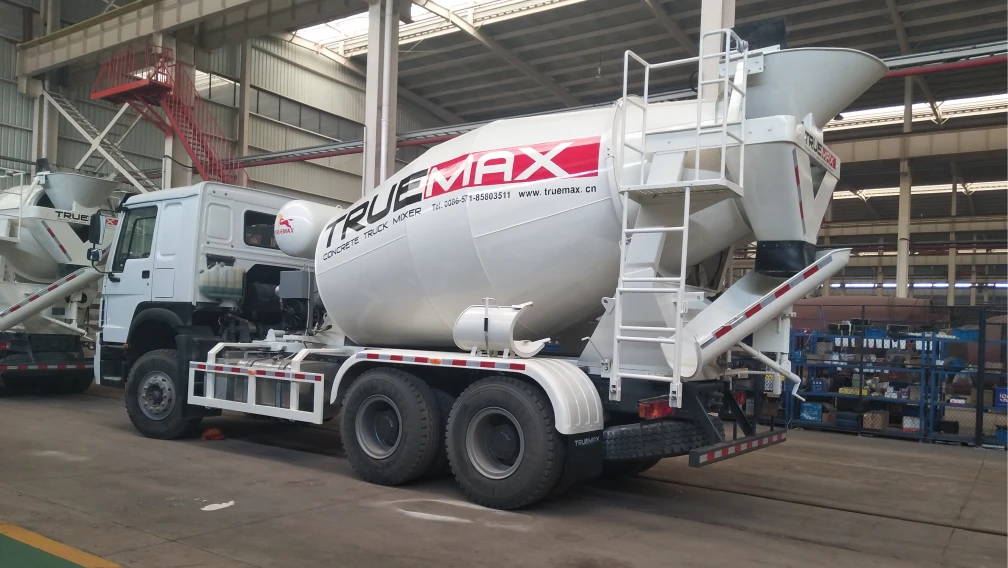
TRUEMAX builds mixer bodies on chassis we trust for this duty. Standard fleets run on the SINOTRUK chassis; buyers who want the top driveline spec take the HOWO N7 flagship chassis; and for lighter, more agile trucks we build on the HOWO 7 light chassis. We can also match FAW, Shacman or Dongfeng on request, and set the engine to Euro II through Euro V to meet your market's emission rule.
The Drum Is the Part That Wears Out
The drum and its blades do the work and take the abuse, so drum steel and blade design decide your operating cost over the eight to ten years you will run the truck. This is where cheap and well-built mixers separate, and it deserves more attention than the spec sheet usually gives it.
Inside the drum, a spiral blade works like an Archimedes screw. Turn the drum one way and concrete is drawn in and folded over, which is how it mixes and how it stays plastic on the road. Reverse the drum and the same blade pushes concrete back out to the chute. In transit the drum turns slowly, about 1 to 3 rpm, just enough to stop the mix setting; for mixing it runs faster, up to roughly 12 to 16 rpm.
We build TRUEMAX drum bodies and blades from Q345 wear-resistant steel and line the feed and discharge chutes with extra-thick wear plate. Good drum engineering pays back in three ways: less concrete left stuck in the drum after each discharge, which means less waste and less hardened buildup; steadier slump when the load reaches the pour; and longer intervals between relines. Thin, cheaply bladed drums wear out fast on abrasive, silica-rich aggregate and can need relining twice as often, a running cost that dwarfs any saving on the purchase price.
Match the Fleet to Your Plant and Haul Distance
A single mixer truck is a rolling clock. Ready-mix concrete has a working window: in normal conditions you want it placed within about 90 to 120 minutes of batching, before it starts to set. Heat shortens that window; admixtures can extend it. Miss it and the load is scrap. So fleet sizing is really about keeping concrete moving from the plant to the pour inside that window.
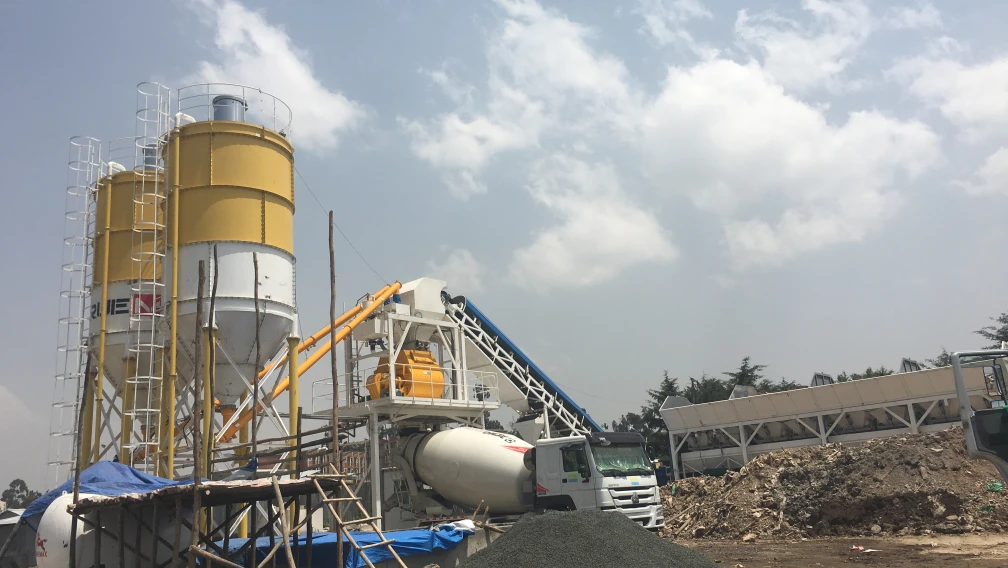
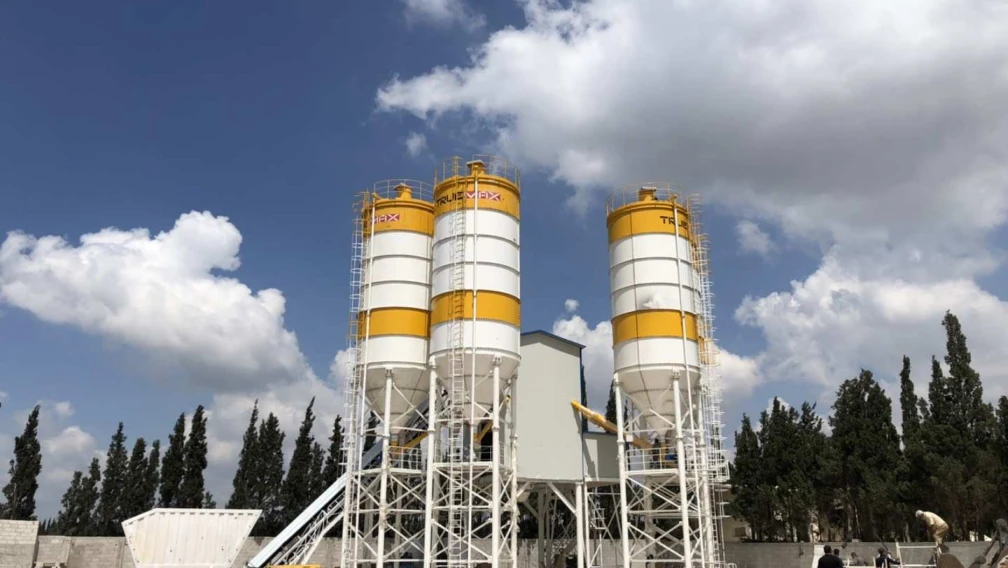
The sizing itself is simple arithmetic. Work out how many loads per hour your plant produces, then how many trips one truck can make in an hour, and divide. A 60 m3/h batching plant filling 10 m3 trucks needs six loads an hour. If the round trip of load, drive, discharge and return takes 40 minutes, each truck manages about 1.5 trips an hour, so you need four trucks in rotation to keep the plant clearing. Double the haul distance and you simply need more trucks in the loop.
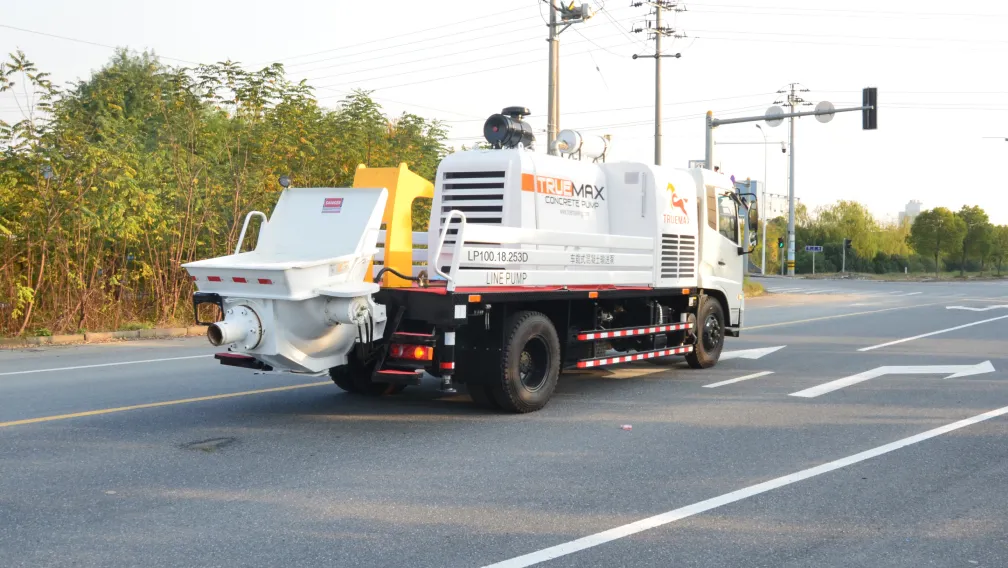
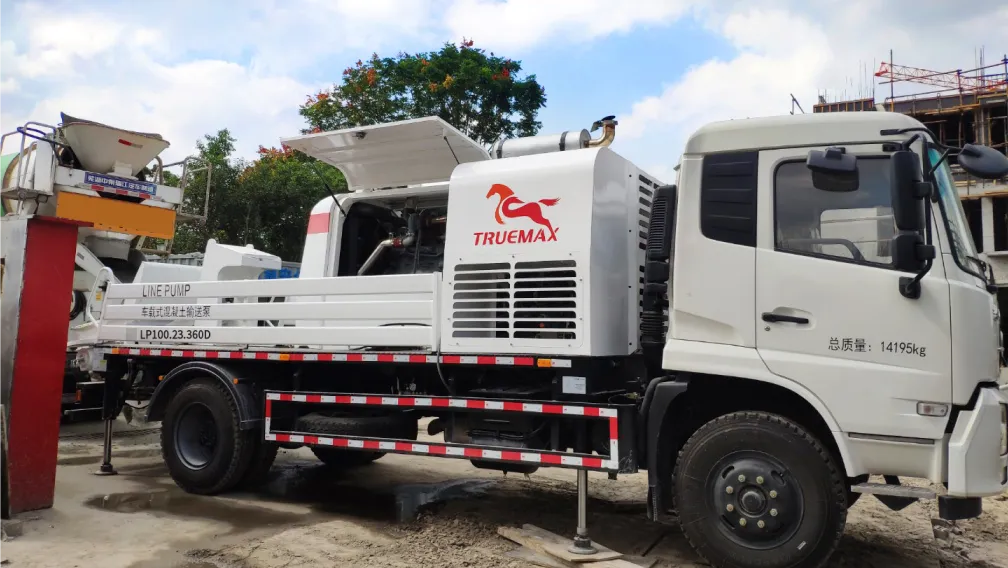
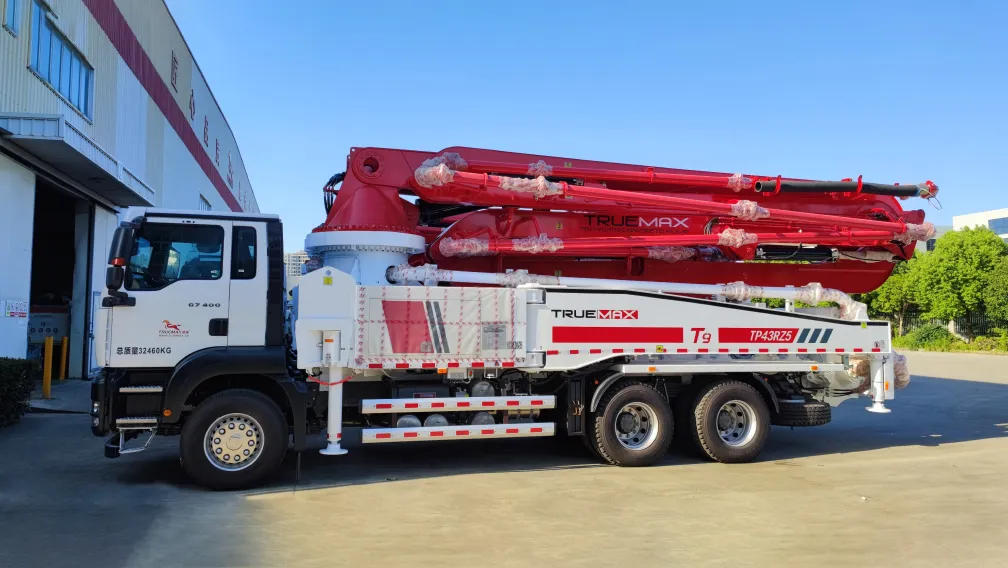
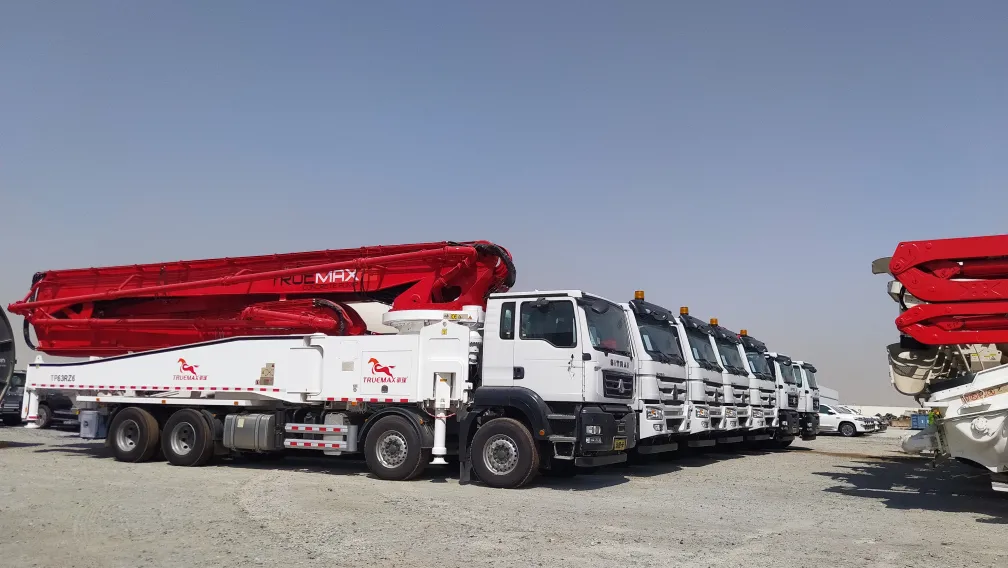
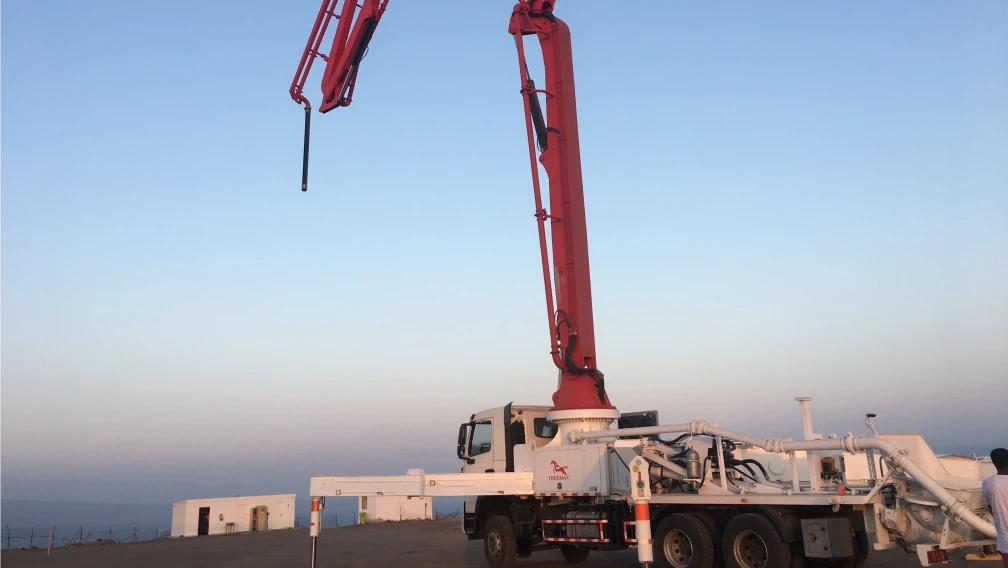
Two things follow from this. Size your mixer fleet to the plant it feeds; buying the biggest drum available rarely helps if the plant cannot fill it fast enough. And where the pour is tall or the truck cannot reach the placement point, feed a line pump at the site so the mixers can discharge and turn around quickly instead of queuing.
Concrete Mixer Truck vs Cement Truck
These get mixed up constantly, and the difference matters when you are ordering. A cement truck is a sealed bulk tanker that hauls dry powdered cement to a silo or batching plant. A concrete mixer truck, the transit mixer in this guide, carries wet, already-mixed concrete and keeps the drum turning so the load stays workable until it is poured. If a supplier quotes you a "cement truck" for delivering concrete to your site, check which machine they actually mean before you sign.
How to Spec a Mixer Truck for Export
Give us a clear operating profile and we can quote the right truck the first time instead of trading emails over specs. Send the following:
- Target drum capacity in m3, and whether you bill by the load or by the cubic metre
- Local axle and gross-vehicle-weight limits, the real constraint
- Road and site conditions: urban, rural, weak pavement, steep grades
- Average haul distance from plant to pour, and daily trip count
- Preferred chassis brand and emission standard (we build Euro II to V)
- Climate and discharge preference, rear or front discharge
Every TRUEMAX mixer is built to the same shop standard: Q345 drums, plasma-cut key parts, full shot-blasting and paint, and CE and ISO 9001:2015 certification. We hold spare parts and run service teams through our own offices in Dubai, Saudi Arabia, Nigeria, Indonesia and elsewhere, so wear parts and support reach you where you build.
Send your operating profile and we will spec a mixer truck, or a full fleet, matched to your roads, your plant and your weight limits, with a quote inside a working week. Trucks ship with commissioning support and operator guidance, and we respond to enquiries within 24 hours. See the full concrete mixer truck range, or send your project details through the contact page and we will come back with a configuration and price.
Frequently Asked Questions
How much concrete does a mixer truck hold?
Most mixer trucks hold 6 to 12 m3 (about 8 to 16 cubic yards) of ready-mix concrete, with 8 to 10 m3 the common size. That is the rated capacity, which runs at roughly 60 to 65 percent of the drum shell's total volume. TRUEMAX builds the full range from 3 m3 (CTM3) to 14 m3 (CTM14).
Why can't the drum be filled to its full volume?
Two reasons. Wet concrete needs about a third of the shell as empty headroom so it can tumble and mix without spilling on turns and gradients. And a full drum would put the truck over its legal axle weight. So the rated load is set below the geometric volume on purpose.
How much does a full concrete mixer truck weigh?
Concrete weighs about 2.4 tonnes per cubic metre, so a 10 m3 load is around 24 tonnes of concrete plus a 12 to 15 tonne truck, near 32 tonnes gross. That figure is exactly why your local weight limit usually caps how much you carry per trip, regardless of the drum rating.
Do I need a 6x4 or an 8x4 chassis?
A 6x4 is the workhorse for 8 to 12 m3 drums and suits most fleets, with good traction, easier handling and lower upkeep. Step up to 8x4 when you run 14 m3 and above, or when local per-axle limits force the load across four axles. On tight urban work a smaller 4x2 with a 3 to 7 m3 drum is often the better tool.
How long can concrete stay in the mixer truck before it sets?
In normal conditions, aim to place the concrete within about 90 to 120 minutes of batching. Hot weather shortens that window and admixtures can extend it, but the drum has to keep turning the whole time to stop the mix hardening. Plan haul distance and fleet size around this limit.
What is the difference between a concrete truck and a cement truck?
A cement truck is a bulk tanker for dry cement powder, headed to a silo or plant. A concrete mixer truck carries wet, mixed concrete to the pour and keeps it agitated so it stays workable. People use the terms loosely, so confirm which one a quote refers to.
How fast does the mixing drum turn?
During transport the drum turns slowly, about 1 to 3 rpm, just enough to keep the concrete moving so it does not set. For mixing it spins faster, up to roughly 12 to 16 rpm. Reversing the drum direction discharges the load through the chute.
What is your lead time, and can you build on our chassis brand?
Lead time depends on the model and how much is customised; standard CTM units ship faster than special configurations, and we confirm a firm date when we quote. We build on SINOTRUK and HOWO chassis as standard and can match FAW, Shacman or Dongfeng on request, with the engine set to your market's emission standard.
-

TrueMax
Concrete & Construction Equipment ManufacturerEstablished in 2003, Truemax designs, manufactures, and delivers concrete pumping equipment, crushing machinery, and construction hoisting systems from our own factory in Haining, China to jobsites in over 120 countries.