

 LANGUAGE
A blocked line is the most common way a concrete pump loses a pour. Pressure climbs, the concrete stops, and a job that was running smoothly is suddenly down — 10 minutes if you handle it right, a few hours if you handle it wrong. Almost every blockage traces back to one of three things: the mix, the pipeline, or how the pump is run.
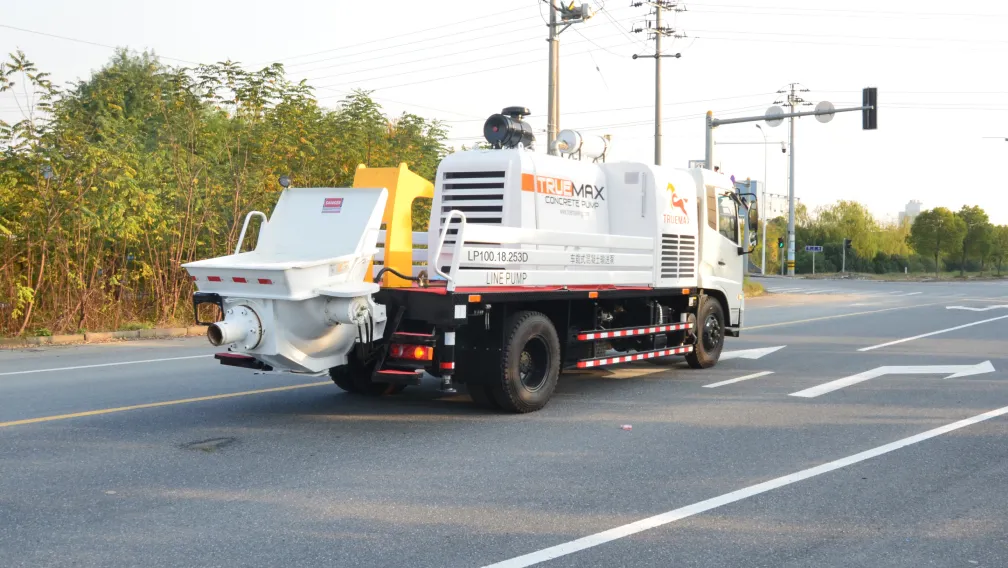
Clearing a blockage is also where pumping turns dangerous. A blocked line holds pressure, and opening it the wrong way can injure or kill. This guide covers why pumps block, how to clear a blockage safely, and the mix, pipeline and maintenance habits that stop most blockages before they start. We build boom pumps, line pumps and stationary pumps, and the same rules apply across all of them.
Why Concrete Pumps Block
Blockages come from three sources, and finding which one is faster than guessing your way through it.
| Source | What goes wrong |
| Mix | Concrete that loses its water (bleeds) through poorly graded sand, or is too wet and segregates; a mix that has started to set after a delay and is too stiff to fill the cylinders; too little fines or paste to coat the aggregate; oversized stone |
| Pipeline | A line not cleaned from the last pour, with set concrete inside; worn or leaking couplings and gaskets that let grout escape; too many sharp or short bends; an abrupt diameter reduction where stone jams |
| Operation | Starting too fast before the line is primed and flowing; letting concrete sit during a delay; running the hopper below the mixing shaft so the pump draws air; pumping a “dry” load without slowing down |
A pumpable mix moves through the pipe as a cylinder of concrete riding on a thin lubricating layer of cement, water and fine sand. Anything that breaks that layer — bleeding, segregation, early set, missing fines — turns smooth flow into a jam.
The First Sign Is the Pressure Gauge
The gauge is the early warning. A sudden pressure spike means a blockage is forming, and the moment you see it, stop pumping forward — pushing harder only packs the plug tighter. A fast pressure build-up points to a jam at the pump or near it; a slow build-up points further down the line toward the discharge end. Reacting in the first few seconds is the difference between a quick fix and a packed line.
How to Clear a Blockage Safely
A blocked line is under pressure. Relieve it before you open anything. The safe sequence:
1. Stop forward pumping the instant pressure spikes.
2. Reverse the pump two or three strokes to draw the plug back and relieve pressure, then switch to forward. If it flows, the blockage cleared. If pressure spikes again, stop — don't force it, and don't reverse-and-forward more than a couple of times, which can pack the jam tighter.
3. If reversing fails, bring the line pressure to zero (open the relief valve) before touching any coupling.
4. Locate the plug by tapping the pipe lightly with a metal tool. The blocked section sounds dull; a clear section rings. Don't swing a hammer at the pipe or hose — it damages them.
5. Set an exclusion zone at the discharge end. A line that lets go can whip, so no one stands in the line of fire while you clear it.
6. Open the coupling nearest the jam, stand to one side, lift the line to let free concrete run out, then shake out the plug. Remove all of it — the first lump out is rarely the whole plug.
7. Before reconnecting, lubricate the cleared section with cement slurry. Reconnect, clear the discharge area, and resume pumping slowly, because there is air in the line after rocking a plug.
Two things to never do: never open a pressurised line, and never use compressed air to clear a blockage. Air is compressible, so it stores energy and can fire the plug out or burst a fitting; and if raised pump pressure won't shift the jam, air won't either. Adding water doesn't help — it washes the paste away and leaves a dry pack of stone.
How to Prevent Blockages
Most blockages are prevented in three places: the mix, the pipeline, and the first few minutes of pumping.
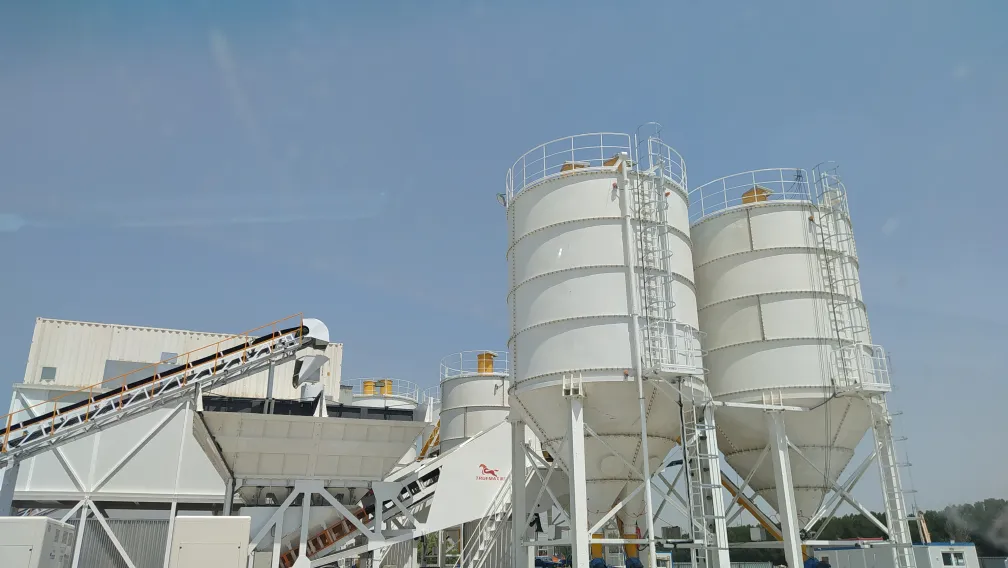
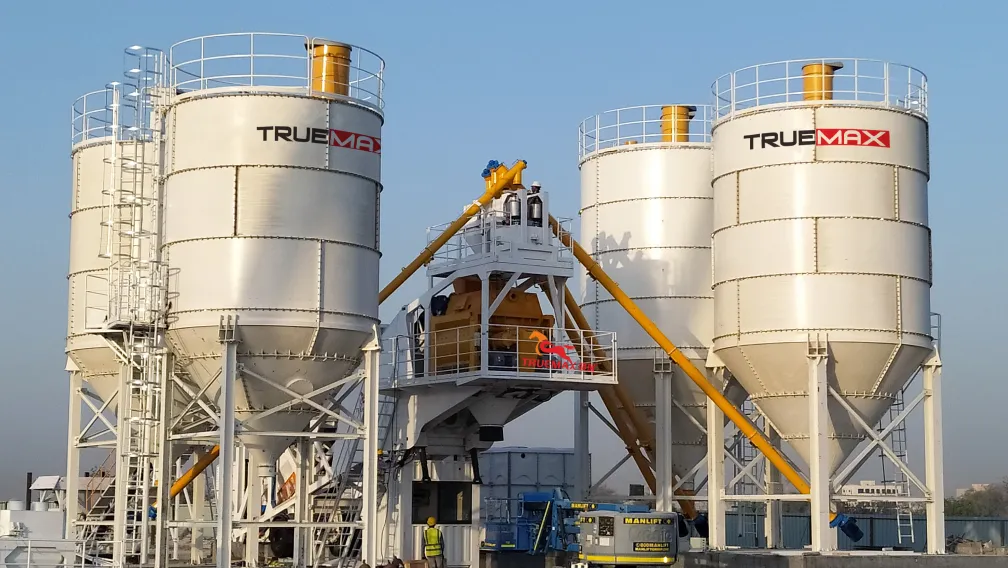
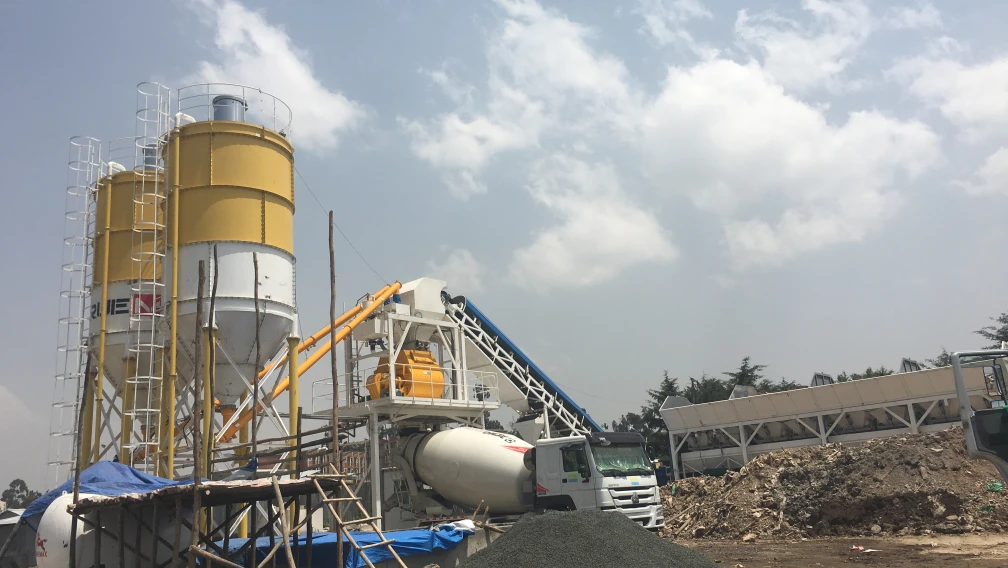
Mix. Pump a cohesive, well-graded mix that holds its water — slump around 100–180 mm, enough fines and cement paste to coat the aggregate, and a maximum aggregate size within about one-third of the pipe diameter (so ≤ 40 mm in a DN125 line). Superplasticisers improve flow without adding water. The concrete is batched to this spec at the batching plant; a mix that bleeds or segregates will jam whatever pump you run it through.
Pipeline. Lay the line as straight as you can, use long-radius bends, and step diameters down gradually instead of coupling a large pipe straight onto a much smaller one. Clean the line fully after every pour — hardened residue is a frequent cause of start-up blockages. Tap each pipe section before pumping and replace any that has worn thin; a worn line blocks and can burst under pressure.
Operation. Prime the line first with cement slurry. Start slow and build speed once the concrete is flowing. Keep the hopper above the mixing shaft so the pump doesn't draw air. If a load looks dry, slow down. During a delay, keep the concrete alive — cycle the pump reverse-and-forward every 5–10 minutes rather than letting it stand and set.
Wear Parts and Maintenance That Keep It Running
Reliable pumping is mostly planned maintenance. The parts on the concrete path wear, and clean hydraulics keep the pump switching properly — both head off blockages and breakdowns.
| Part | Planned life / care |
| Cutting ring & spectacle (glass) plate | Planned consumables on the S-valve wear path; check and adjust the gap periodically |
| S-tube wear sleeve | Grease on schedule; replace as it wears |
| Delivery cylinders (chrome-plated) | 100,000 m³+; protected by keeping sand out of the water box |
| Delivery pipe | ~25,000–30,000 m³ on standard C30 concrete; wear-resistant pipe ~50,000–60,000 m³ |
| Delivery hose | ~10,000–15,000 m³ standard; ~25,000–30,000 m³ wear-resistant |
| Seals & clamp gaskets | Replace when worn — leaking grout causes blockages |
Maintenance that prevents trouble:
• Hydraulic oil — change it around every 1,200 operating hours (don't run past ~1,500), use the specified grade, and never mix grades or run the pump dry. Most hydraulic faults trace back to contaminated or over-aged oil, and dirty oil can jam the switching valve and spike pressure.
• Lubrication — keep the automatic lubrication system filled with the correct grease, and grease the S-tube sleeve, swing shaft and pin joints on schedule.
• Fasteners — check and re-tighten pipe clamps, pin lock-nuts and drive-shaft bolts.
• Washdown — clean the hopper, S-tube and water box after every pour, before the concrete sets.
Keeping a basic wear kit on the shelf — a cutting ring, glass plate, S-tube sleeve and a seal set — turns a mid-pour failure into a quick parts swap.
When to Call Your Supplier
Some faults need parts or a specialist. A pump that has lost pressure with clean oil and no blockage, the same blockage returning in one spot, or wear parts past their life are all points to bring in support. Our onboard control system runs self-diagnosis and supports remote diagnostics, so many faults can be read without a site visit, and we keep wear and spare parts in stock with service teams across the Middle East, Africa and Southeast Asia. For more service and maintenance answers, see our FAQ.
Get Parts and Service
Need wear parts, a service team, or help diagnosing a recurring blockage? Tell us your pump model and the symptom, and we will get you the parts and the fix. We build boom pumps, line pumps and stationary pumps at our Haining factory and keep spare parts and service teams close to where you build. Talk to our engineers, or use the after-sales contact on the product page.
Frequently Asked Questions
How do you clear a concrete pump blockage?
Stop forward pumping as soon as pressure spikes, then reverse the pump two or three strokes to draw the plug back and relieve pressure. If it still won't flow, bring the line to zero pressure (open the relief valve), tap the pipe to find the dull-sounding plugged section, set an exclusion zone, open the coupling nearest the jam from the side, and shake out the whole plug. Lubricate the cleared section with slurry and resume slowly.
Why does a concrete pump keep blocking?
Repeated blockages usually point to a fixable root cause: a mix that bleeds or segregates, an under-fines or stiff mix, a worn or leaking pipeline, an abrupt diameter reduction, or operating habits like starting too fast or letting concrete sit. Fix the cause rather than clearing the same jam over and over — the spot it recurs in is the clue.
Can you use water or compressed air to clear a blockage?
No. Adding water washes away the cement paste and leaves a dry pack of stone, making it worse. Compressed air is a safety hazard — it is compressible and stores energy, so it can fire the plug or burst a fitting, and if increased pump pressure won't move the jam, air won't either. Clear blockages by reversing the pump and removing the plug by hand.
How do you prevent concrete pump blockages?
Pump a cohesive, well-graded mix at around 100–180 mm slump with aggregate within one-third of the pipe diameter; prime the line with slurry; minimise and ease the bends; start slow; keep the hopper above the mixing shaft; cycle the pump during delays; and clean the line fully after every pour. Most jams are prevented before pumping starts.
How often should the delivery pipe and hose be replaced?
Plan delivery pipe life at roughly 25,000–30,000 m³ on standard C30 concrete, and 50,000–60,000 m³ for wear-resistant pipe; abrasive or high-grade mixes wear faster. Standard hose runs about 10,000–15,000 m³ and wear-resistant hose 25,000–30,000 m³. Tap pipe sections before pumping and replace any worn thin — a thin wall blocks and can burst.
How often should I change the hydraulic oil?
Around every 1,200 operating hours, and don't run past about 1,500. Use the specified grade, never mix oil brands or grades, and never run the pump dry. Most hydraulic faults come from contaminated, water-laden or over-aged oil rather than the components, and dirty oil can jam the switching valve.
What concrete slump pumps without blocking?
A slump in the region of 100–180 mm pumps reliably for conventional concrete, with self-consolidating concrete higher. Below that the mix gets stiff, line pressure climbs and blockage risk rises. Slump alone isn't enough — the mix also needs adequate fines, paste to coat the aggregate, and a controlled water-cement ratio so it neither bleeds nor segregates.
How do you clean the pump and line after a pour?
Wash out the hopper, S-tube and water box before concrete sets, then clean the delivery line by driving a sponge ball through it — usually with water (compressed air only with proper safety procedure and an exclusion zone, since it is compressible). Clean lines prevent the hardened residue that causes start-up blockages on the next pour.
-

TrueMax
Concrete & Construction Equipment ManufacturerEstablished in 2003, Truemax designs, manufactures, and delivers concrete pumping equipment, crushing machinery, and construction hoisting systems from our own factory in Haining, China to jobsites in over 120 countries.