

 LANGUAGE
A concrete batching plant is a capital investment with a wide price range — a compact mobile unit can start around US$25,000, while a large twin-mixer stationary plant runs past US$500,000 before you add the site work to stand it up. That spread comes from real differences in output, mixer type, automation and how the plant is set up. Just as important, the plant price is only part of what it costs to get concrete coming off the line.
This guide breaks down what a plant costs as equipment, what moves the number, and the site, civil-works, freight and fleet costs that sit on top. We build concrete batching plants from compact mobile units to 360 m³/h stationary lines and ship them factory-direct to over 120 countries, so the figures below are what buyers actually quote against.
What a Concrete Batching Plant Costs
Batching-plant prices track capacity and configuration more than anything else. Bought factory-direct from China, a plant costs noticeably less than a Western-brand equivalent — commonly 20–40% less — because you skip the dealer and importer margins. The bands below are for the plant equipment itself, and exclude foundations, freight, installation and any mixer-truck fleet.
| Plant type & capacity | Indicative equipment price (factory-direct, FOB China) | Typical use |
| Compact / mobile (25–60 m³/h) | ~$25,000–$120,000 | Small or rural output, remote and short-duration sites |
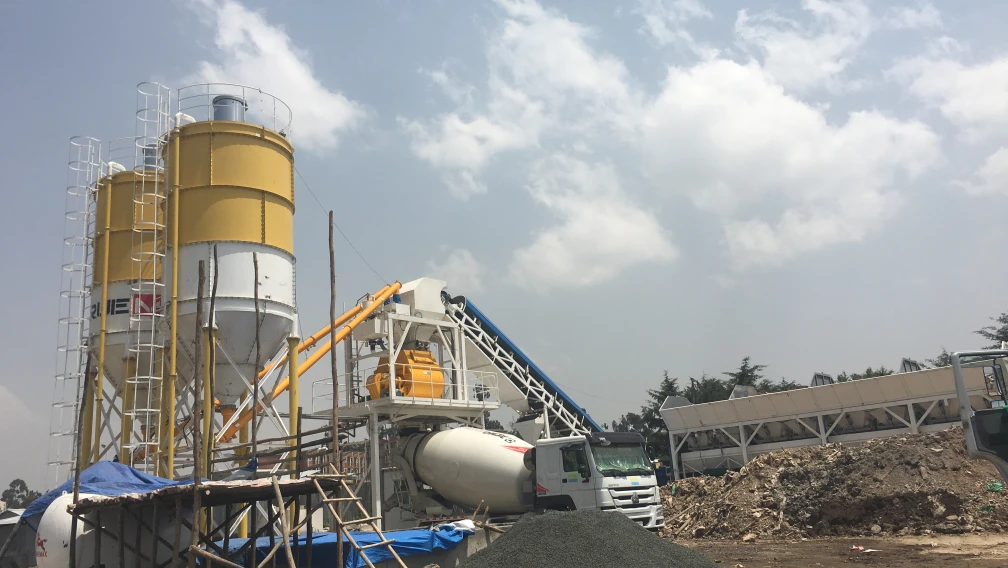
| Stationary commercial (90–180 m³/h) | ~$120,000–$250,000 | Urban ready-mix, steady high volume |
| Large / twin-mixer (240–360 m³/h) | ~$250,000–$500,000+ | Mega-projects and high-output ready-mix hubs |
Bands are indicative and configuration-dependent; a firm figure comes from a quote. Western-market plants run higher — a fully automated, high-capacity wet-batch facility can reach US$1 million to $2.5 million once civil works and a truck fleet are counted in.
What Drives the Price
Six things move a batching plant's price, and most of a quote reads back to them:
• Capacity (m³/h) — a higher output needs a bigger mixer, larger aggregate bins, more silos and heavier conveying, all of which add cost.
• Mixer type — a twin-shaft mixer suits high output and stiff or dry mixes; a planetary (pan) mixer suits precast and high-homogeneity work; wet-batch plants with a central mixer cost more than dry-batch plants that mix in the truck.
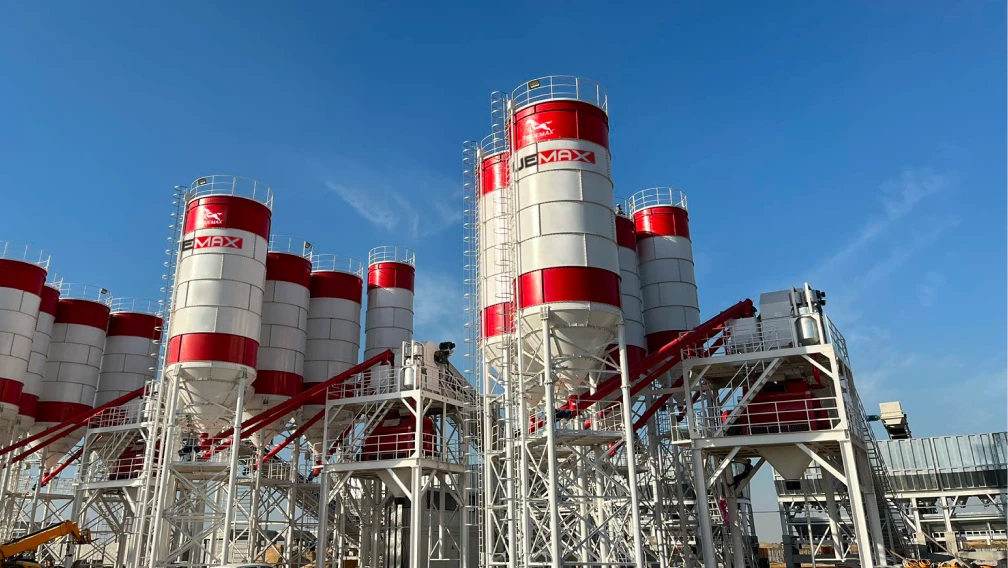
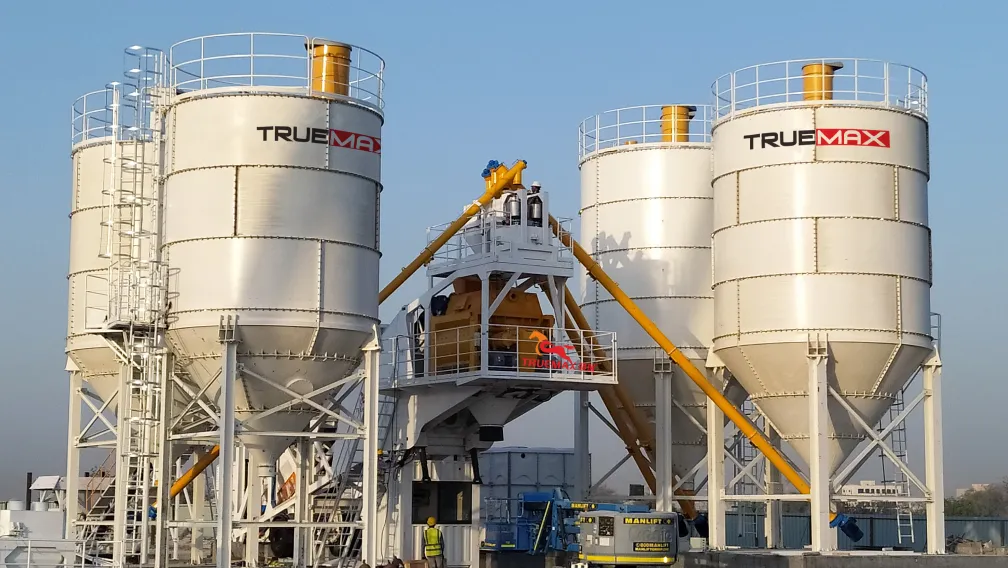
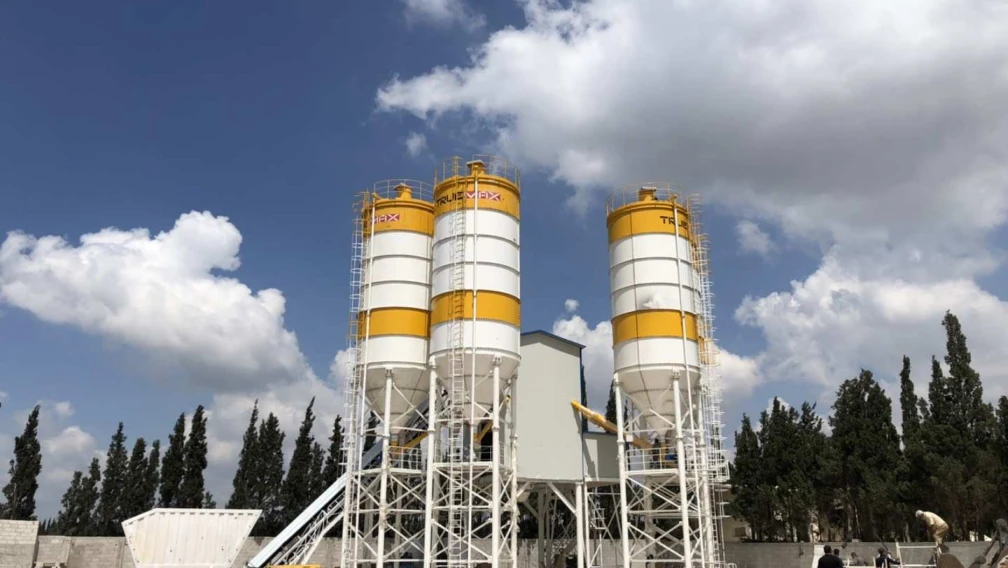
• Cement silos — the number and size of silos, and how many binders you store (cement, fly ash, slag), change both the price and the footprint.
• Aggregate batching — a two-, three- or four-bin layout and the bin size scale with capacity and the number of mixes.
• Automation — the control system (PLC brand, touchscreen, moisture probes) and batching accuracy (±1% on a good plant) add cost but cut cement waste and labour.
• Feeding and add-ons — a skip-hopper feed is compact and cheaper; a belt conveyor gives higher output on a larger footprint. Dust collection, water or concrete recycling, and aggregate heating or cooling for hot or cold climates all lift the total.
Stationary vs Mobile: How Type Changes the Cost
Type changes both the plant price and the cost to install it. For choosing between them in detail, see our batching plant buyer's guide.
Stationary. Permanent plants reach the highest capacities and the lowest cost per cubic metre over years of steady output, but they need engineered concrete foundations and full assembly, which adds to the delivered cost. They suit urban ready-mix and long-term, high-volume sites.
Mobile and modular. Chassis-mounted and containerised plants install fast — a mobile plant can be producing within a day and often needs little or no foundation — so they save heavily on civil works, installation and relocation. At the same capacity a mobile unit can carry a portability premium on the equipment price, but the site savings usually more than repay it on highways, bridges, airports and multi-site or temporary work.
The Costs Beyond the Plant
The plant price is where budgets go wrong, because getting concrete off the line takes more than the machine. Plan these from the start:
| Cost | What to expect |
| Civil works & foundation | Stationary plants need concrete foundations for the plant, silos and mixer, plus grading and aggregate storage pads — commonly adding around 10–20% of the plant price; mobile and foundation-free plants cut this sharply |
| Site & utilities | Power supply or transformer, water and drainage, and roughly 1,500–3,000 m² of space for stockpiles, silos and truck movement |
| Installation & commissioning | Erection, wiring and calibration, with on-site or online guidance and the time to bring the plant online |
| Freight & import | Ocean freight in multiple containers or flat-racks, inland trucking, and import duties in your market |
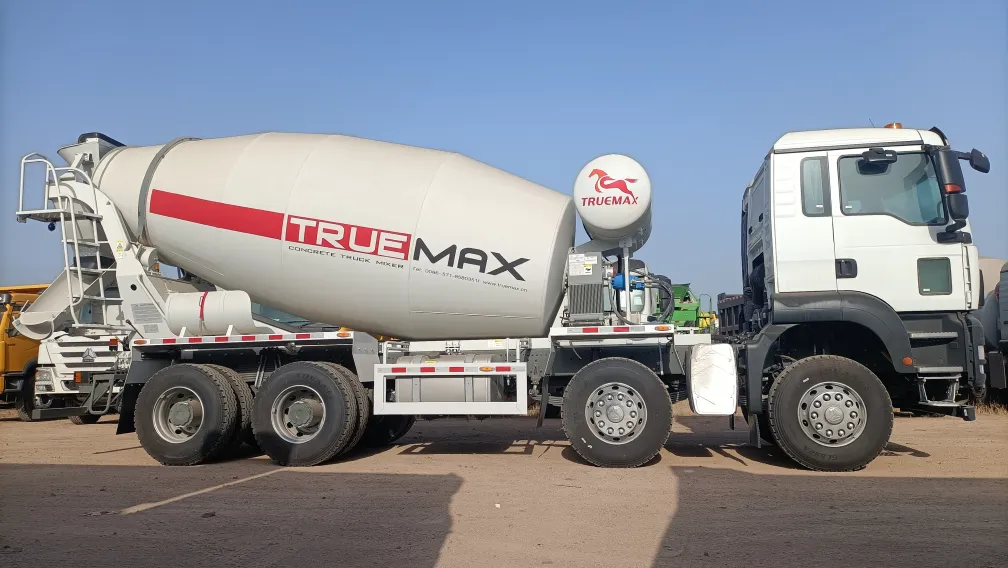
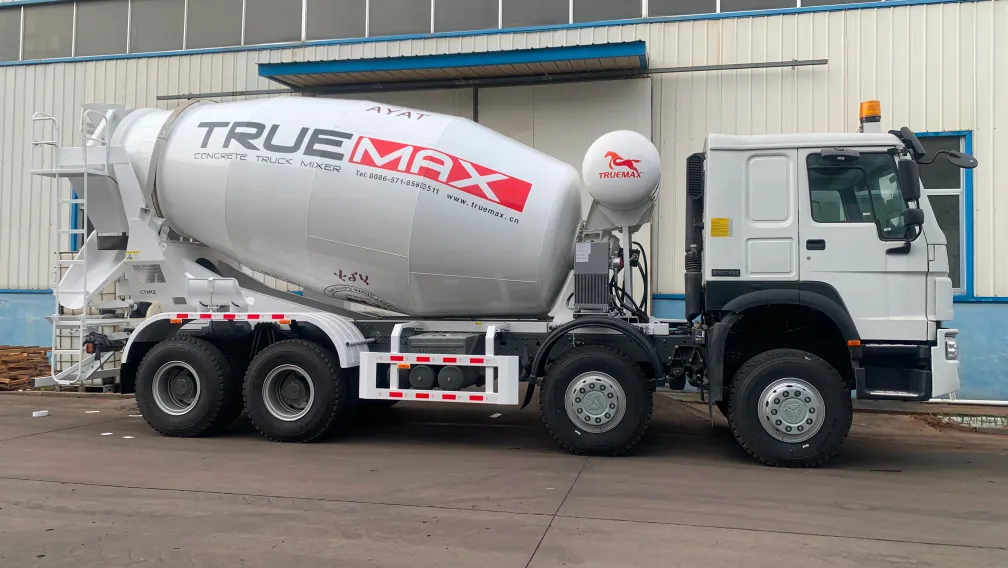
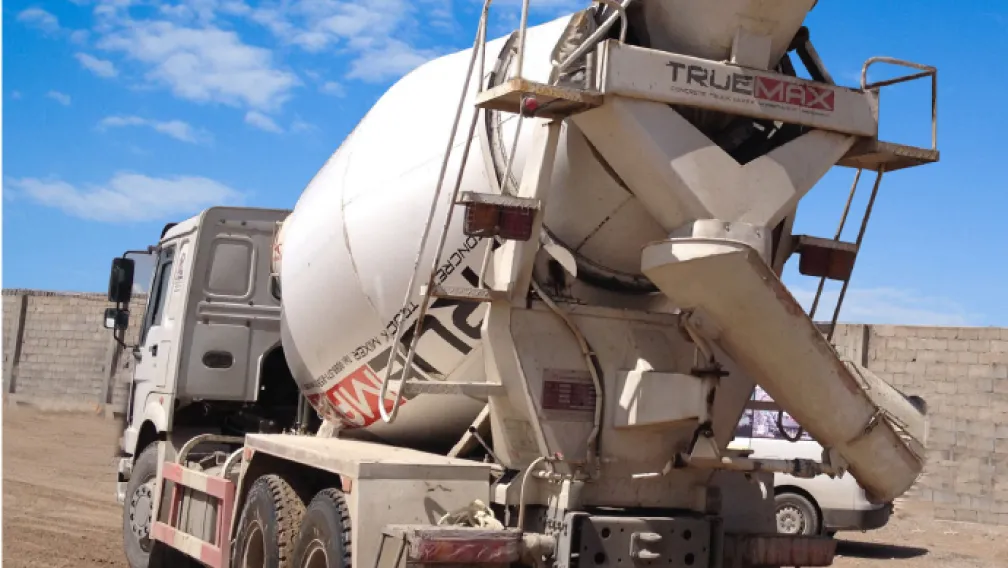
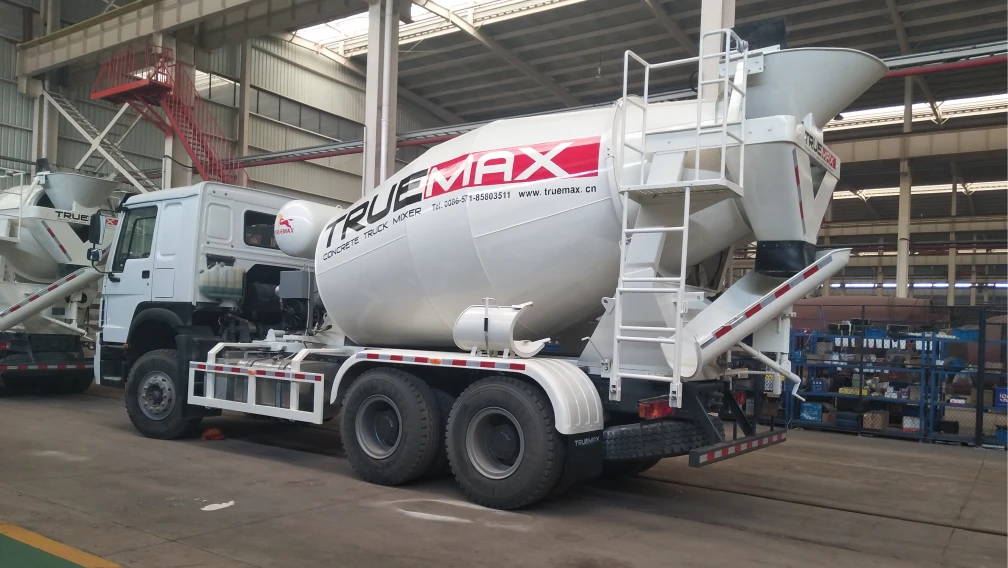
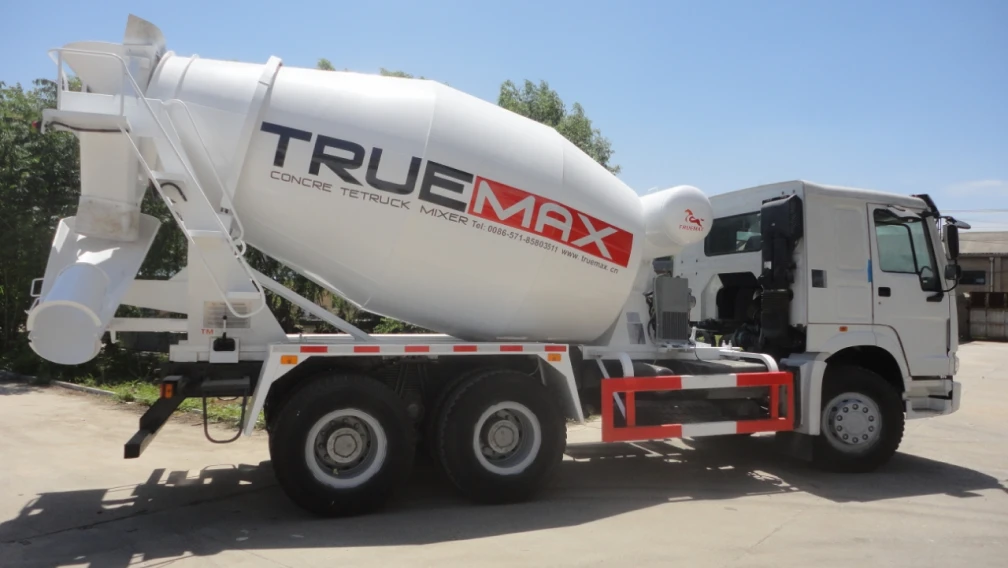
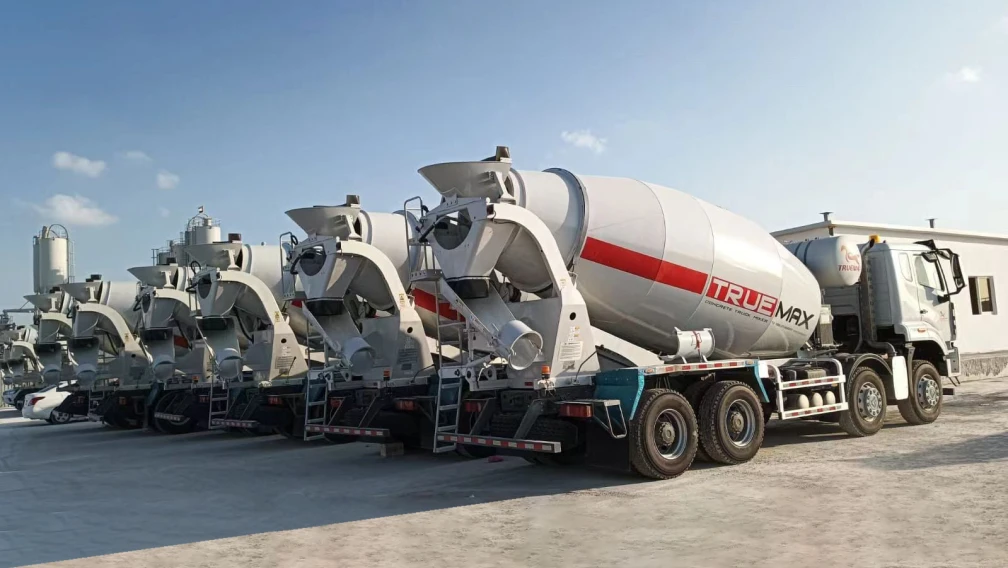
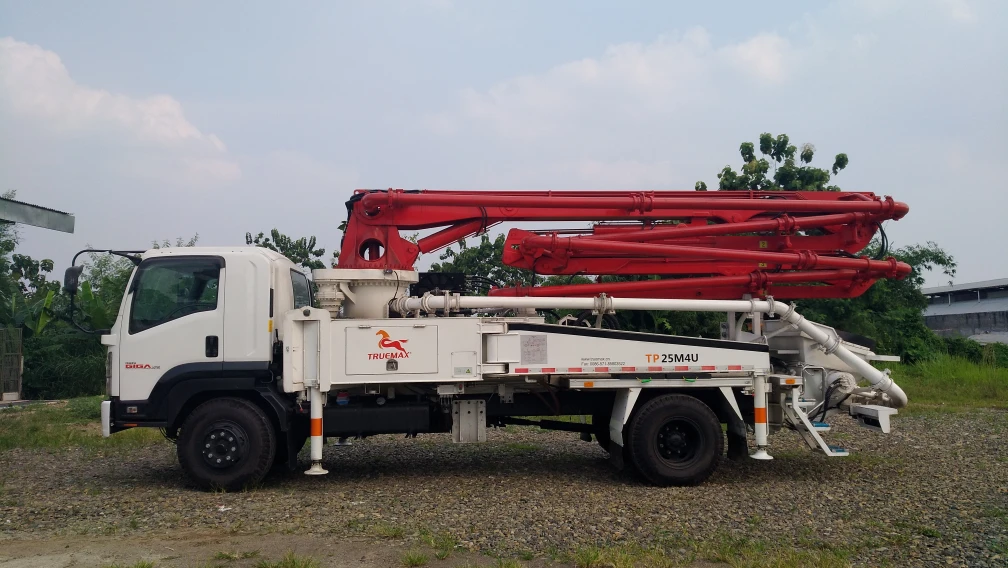
| Transit mixer fleet | Delivering ready-mix needs mixer trucks, which the plant price does not include — budget the fleet separately |
| Permits & staff | Environmental and zoning permits, plus batch and loader operators and QC |
A batching plant on its own does not deliver concrete — pairing it with transit mixer trucks is part of the real budget for a ready-mix operation.
Running Costs and Payback
Once the plant is running, the recurring costs are power, wear parts, maintenance and labour. Budget roughly:
• Power at around US$0.50–$2.00 per cubic metre produced.
• General maintenance at about 2–5% of the plant price per year.
• Mixer wear parts — liners, arms and tips — and periodic conveyor-belt replacement on higher-output plants.
• Operators, a wheel loader, and cement and aggregate as the main material cost.
The payback comes from producing concrete instead of buying it. If ready-mix costs, say, US$150 per cubic metre delivered and you can produce it for around US$50, every cubic metre saves roughly US$100. At high volume a plant pays back in under a year; at low volume, three to five years is more typical. The key is matching capacity to demand — an oversized plant ties up capital, an undersized one caps your output.
Why Factory-Direct Changes the Math
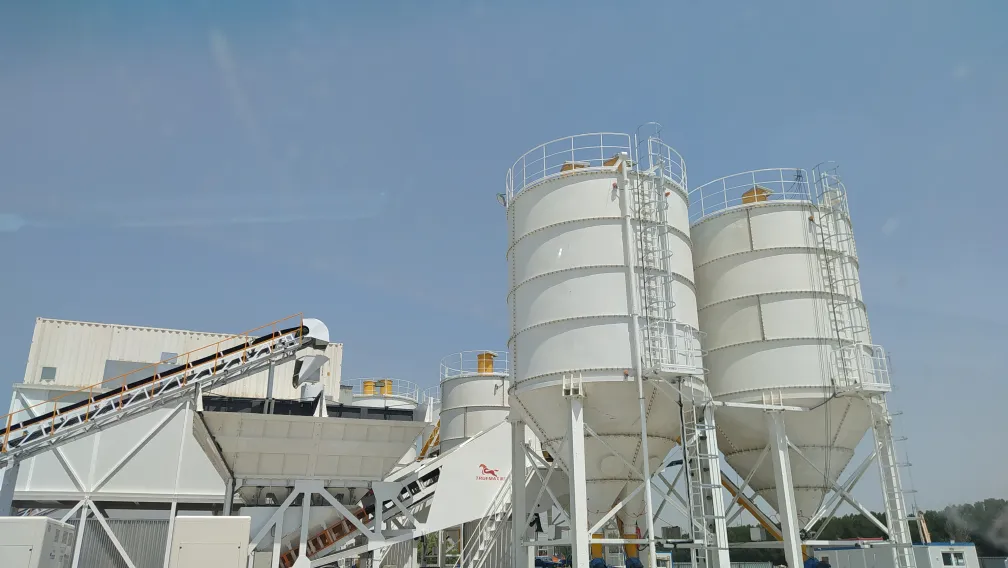
Buying from the factory removes the dealer and importer margins stacked on a Western retail price, and that is most of the 20–40% gap. We build our CBP range — from CBP60 to CBP360, with twin-shaft mixers — in stationary, modular, mobile and stabilised-soil configurations, including containerised, foundation-free units that cut the civil-works and installation cost. We configure the mixer, silos, automation, feeding and any climate or dust options to your market, and ship with installation guidance and a spare-parts kit. The same route is why a compact mobile plant is an entry-level buy while a high-capacity twin-mixer line sits at the top of the range — you pay for output and configuration, with no retail markup on either.
How to Get an Accurate Price
A configured quote comes from the plant spec and the site, so bring these:
1. Set your target output in m³/h from peak demand, and pick the type (stationary, modular or mobile) — our buyer's guide walks through sizing and type.
2. Choose the mixer (wet or dry batch, twin-shaft or planetary) to match your concrete and site.
3. Specify the cement silos (number and size), aggregate bins, automation level, and any dust, recycling or climate add-ons.
4. State the site — foundation scope, power supply and destination port for freight — and add mixer trucks if you need delivery.
5. Send it for a delivered quote covering the plant, freight, installation and options.
Get a Factory-Direct Price
Tell us your target output, plant type, mixer and destination market, and we will send a configured, factory-direct price — plant, freight, installation guidance and any mixer-truck fleet. We build batching plants at our Haining factory and back them with parts and service teams across the Middle East, Africa and Southeast Asia. Talk to our engineers, or use the Get a Quick Quote form on the product page.
Frequently Asked Questions
How much does a concrete batching plant cost?
As equipment, factory-direct from China, a compact or mobile plant (25–60 m³/h) runs about US$25,000–$120,000, a stationary commercial plant (90–180 m³/h) about US$120,000–$250,000, and a large or twin-mixer line (240–360 m³/h) from about US$250,000 into the $500,000s. Western-market fully automated plants run higher, and a complete facility with civil works and a truck fleet can reach $1–2.5 million. The figure depends on capacity and configuration.
What size batching plant do I need?
Size it from peak demand: divide the largest volume you must pour in a working day by the hours available, then add margin for cycle time and downtime, since real output sits below the rated figure. Over-capacity wastes capital and under-capacity caps delivery. Our buyer's guide covers sizing and the stationary-versus-mobile choice in detail.
Is a mobile or stationary plant cheaper?
At the same capacity a mobile plant can cost a little more as equipment because of its chassis and portability, but it saves heavily on foundations, installation and relocation. A stationary plant reaches higher capacities and the lowest cost per cubic metre for long-term, high-volume output. Mobile suits temporary or multi-site work; stationary suits a permanent ready-mix base.
What is included in the plant price — does it cover foundations and trucks?
The equipment price covers the plant — mixer, aggregate bins, cement silos, conveying and the control system. It does not include the concrete foundations, site preparation, freight, installation, or a mixer-truck fleet. Those are quoted separately, which is why a delivered project budget runs well above the plant sticker.
How much does it cost to run a batching plant?
Plan power at roughly US$0.50–$2.00 per cubic metre, general maintenance at about 2–5% of the plant price per year, plus mixer wear parts, periodic conveyor-belt replacement, operators and material. Accurate weighing and good automation reduce cement waste, which is often the largest controllable running cost.
Is it cheaper to produce concrete or buy ready-mix?
Producing on-site is cheaper at volume. If delivered ready-mix costs around US$150 per cubic metre and you can produce for about US$50, you save roughly US$100 per cubic metre. At high output a plant pays back in under a year; at low output, three to five years. Run the numbers with your local ready-mix price and expected volume.
Should I buy a new or used batching plant?
New gives full service life, current automation and a warranty. A used plant can suit lower volumes if it comes from a known brand, has maintenance records and is under about 15 years old, and the price gap to new is large. Factory-direct new from China often narrows that gap enough that a new plant is the better long-term value.
How much space and civil work does a plant need?
A standard commercial stationary plant needs roughly 1,500–3,000 m² for the plant, aggregate stockpiles, silos and truck movement, plus engineered foundations that add around 10–20% to the plant cost. Mobile and containerised, foundation-free plants need far less site work and can be producing within a day.
-

TrueMax
Concrete & Construction Equipment ManufacturerEstablished in 2003, Truemax designs, manufactures, and delivers concrete pumping equipment, crushing machinery, and construction hoisting systems from our own factory in Haining, China to jobsites in over 120 countries.