

 LANGUAGE
1. Tightening Axle Laws Force Global Ready-Mix Fleet Upgrades
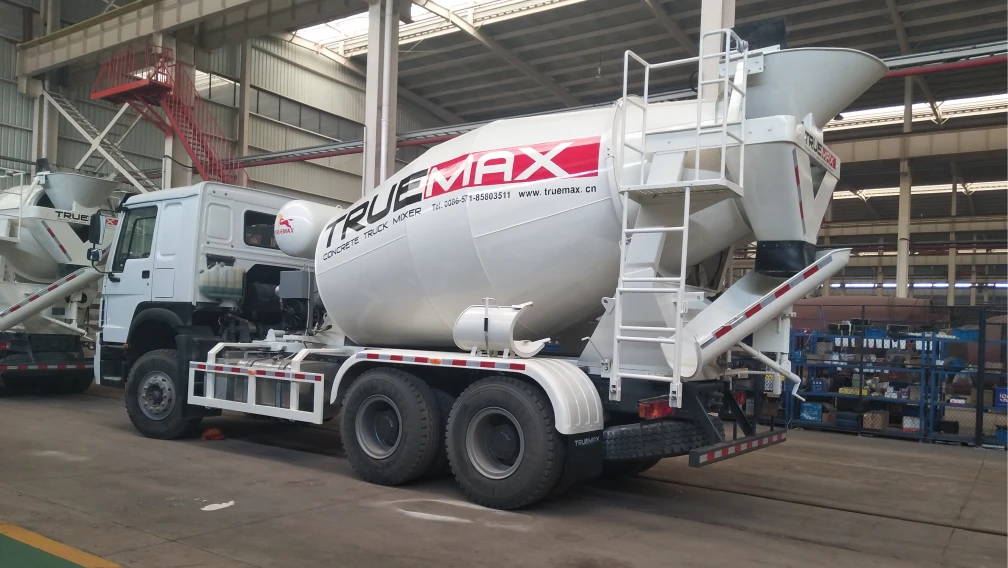
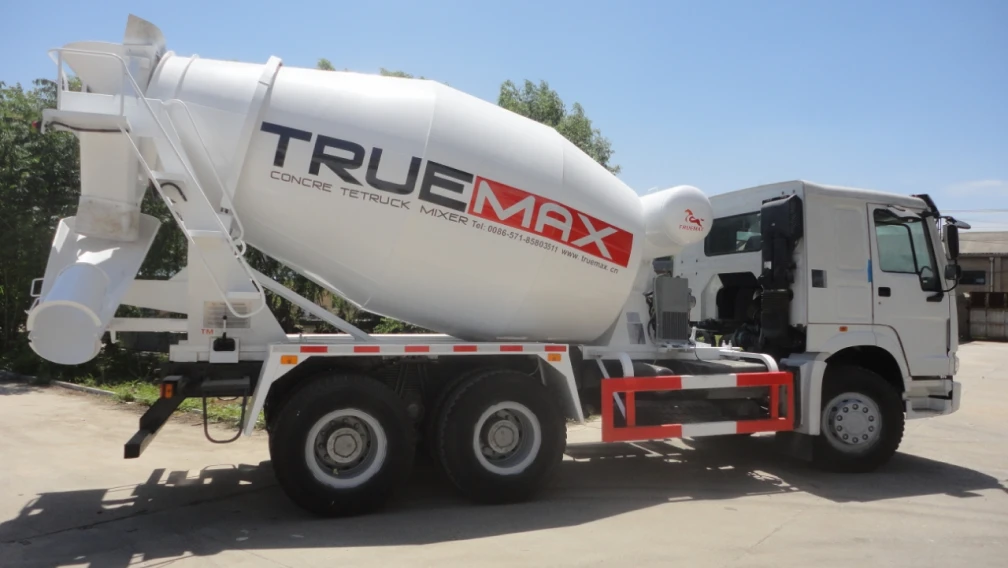
The global concrete logistics market is undergoing a major shift as transport authorities enforce strict Gross Vehicle Weight (GVW) limits on regional roads. For ready-mix producers, this enforcement is directly changing how a new Concrete Truck Mixer is spec’d. Historically, fleet managers focused solely on maximizing drum volume. Today, the core buying factor is optimizing the legal payload limit per axle configuration to avoid heavy roadside fines.
Across major infrastructure markets in Southeast Asia, the Middle East, and East Africa, local highway authorities have deployed more permanent and mobile weigh stations. A standard three-axle (6x4) truck mixer carrying wet concrete runs a high risk of overloading if the drum is filled to raw geometric capacity. Because concrete weighs approximately 2.4 tonnes per cubic meter, fleet buyers are shifting to lightweight alloy components and wear-resistant steel hulls to lower the tare weight of the truck itself.
2. The Shift to Euro IV and Euro V Chassis in Export Markets
Environmental compliance is another primary factor forcing procurement changes. Many developing markets are migrating away from legacy Euro II engines, adopting Euro IV and Euro V emission standards. This regulatory update directly impacts the engineering of the mixer sub-frame and driveline.
[Traditional Euro II Chassis] ---> Migration ---> [High-Efficiency Euro IV/V Chassis with AdBlue Systems]
Modern Euro V chassis require extra physical space along the frame rails for selective catalytic reduction (SCR) catalytic converters and AdBlue tanks. This requires custom matching between the mixer body manufacturer and the truck chassis provider. Standard integration setups must ensure the mixer’s auxiliary hydraulic drive pump does not interfere with the chassis emission control hardware.
| Chassis Configuration | Legal GVW Average Limit | Practical Mixer Capacity Range | Primary Market Applications |
| 4x2 Light Chassis | 12 - 16 Tonnes | 3 m³ - 6 m³ | Alleyway pours, urban maintenance, micro-infrastructure |
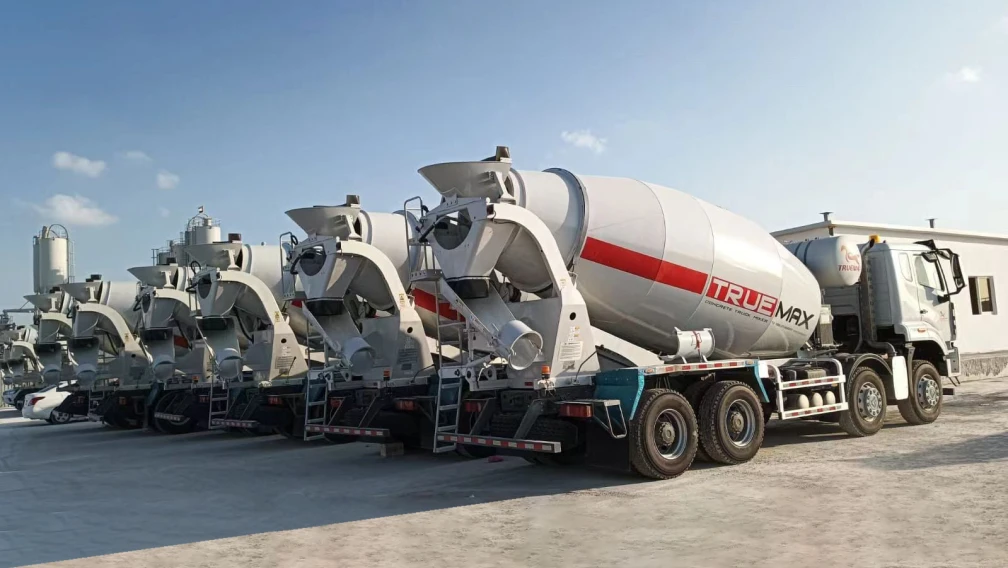
| 6x4 Workhorse | 25 - 32 Tonnes | 8 m³ - 10 m³ | Commercial building decks, housing developments, ready-mix fleets |
| 8x4 Heavy Chassis | 38 - 44 Tonnes | 12 m³ - 14 m³ | High-volume highway projects, airport runways, mass foundations |
3. Balancing Logistics Between the Batch Plant and Pumping Site
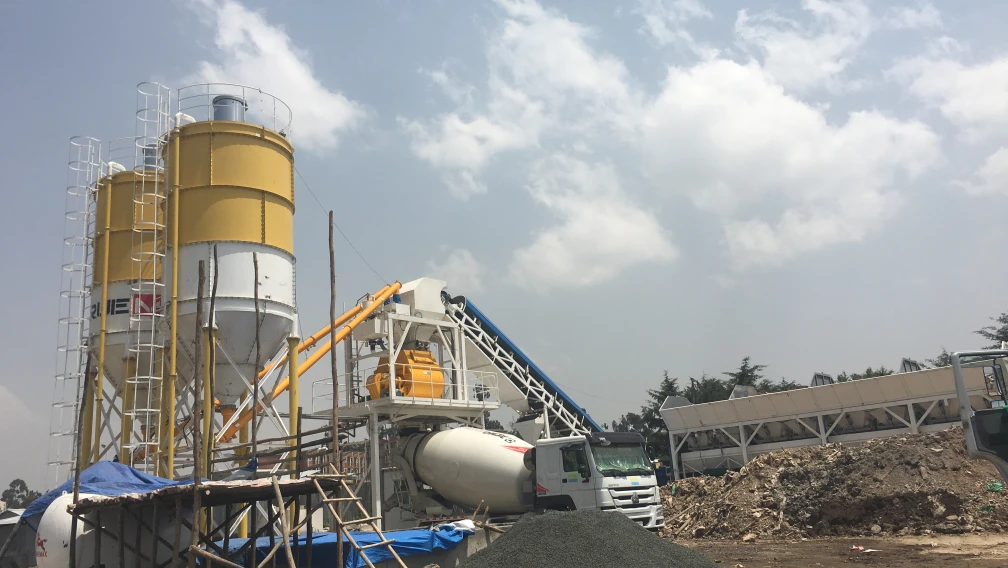
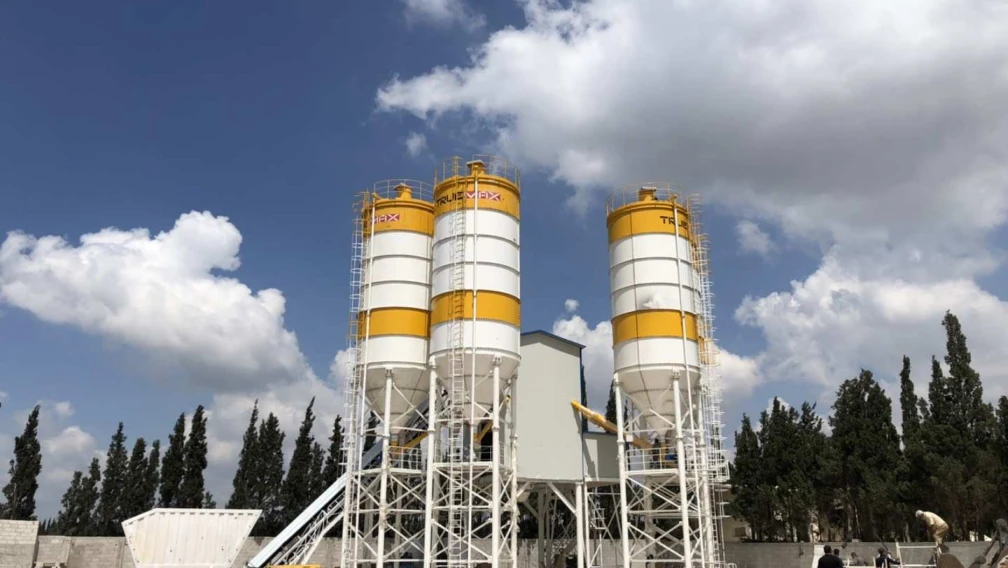
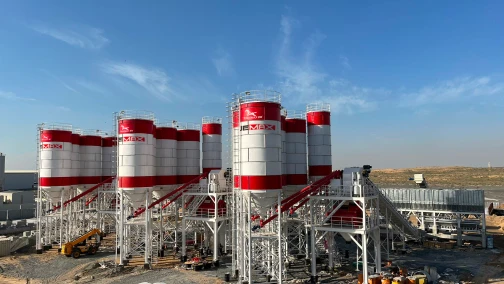
A truck mixer functions as a mobile clock. Once the Concrete Batching Plant drops a wet batch into the hopper, the transit and discharge window begins ticking down. Industry data shows that fleet synchronization failures are the leading cause of concrete rejection on commercial jobsites.
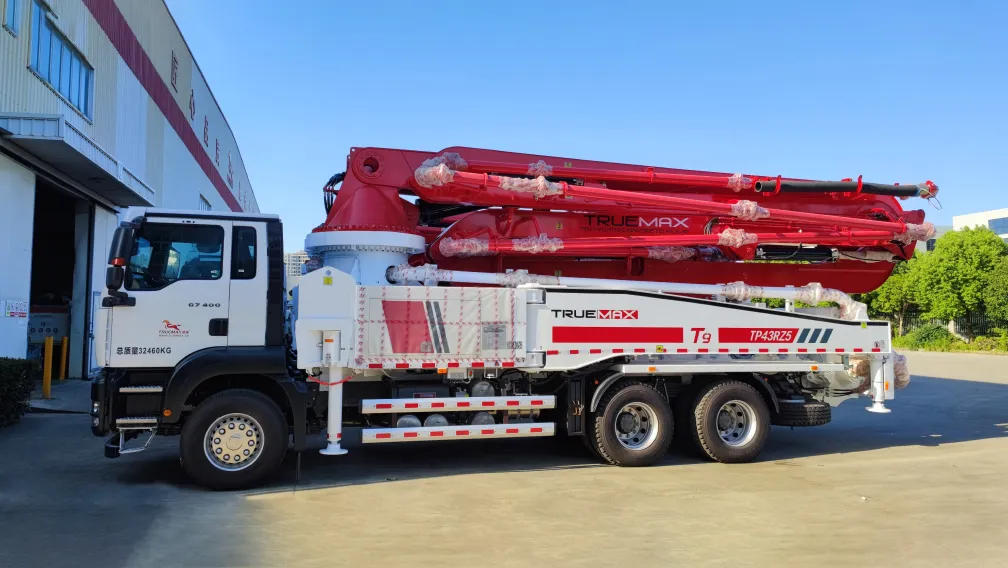
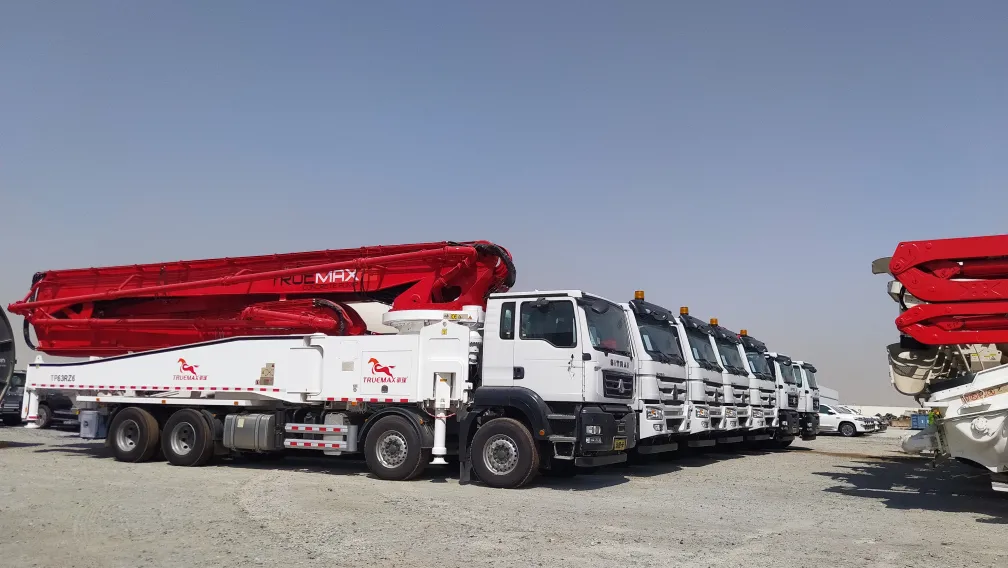
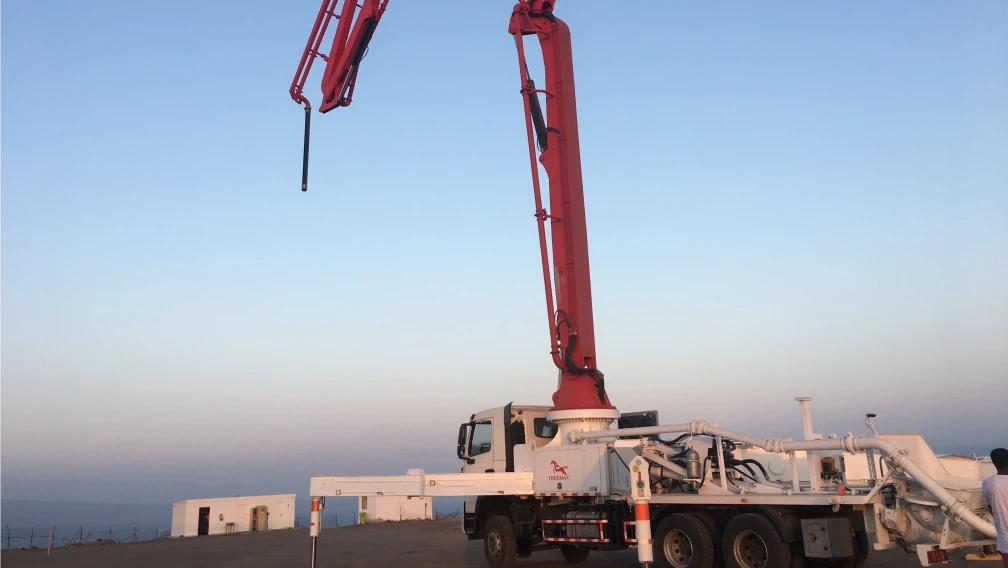
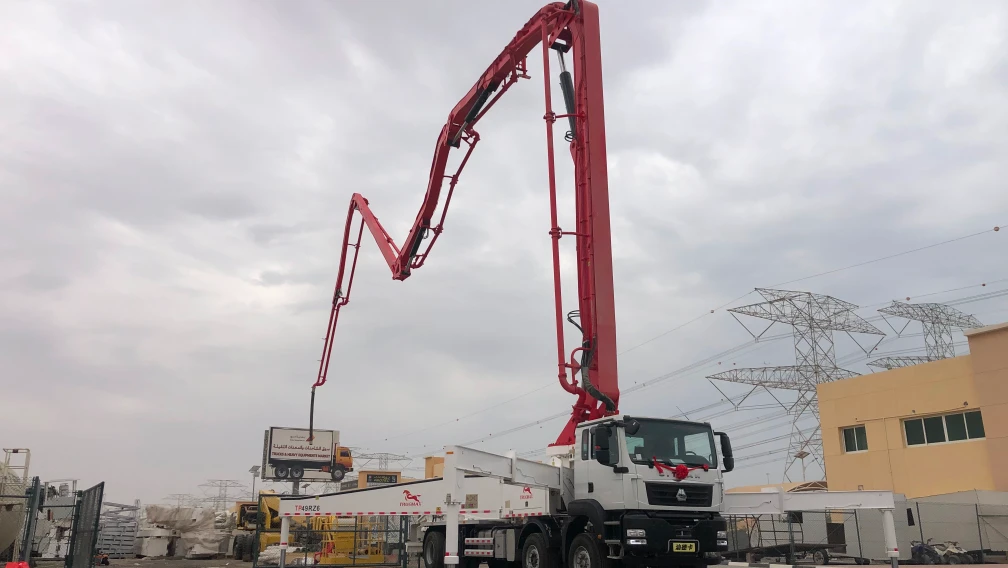
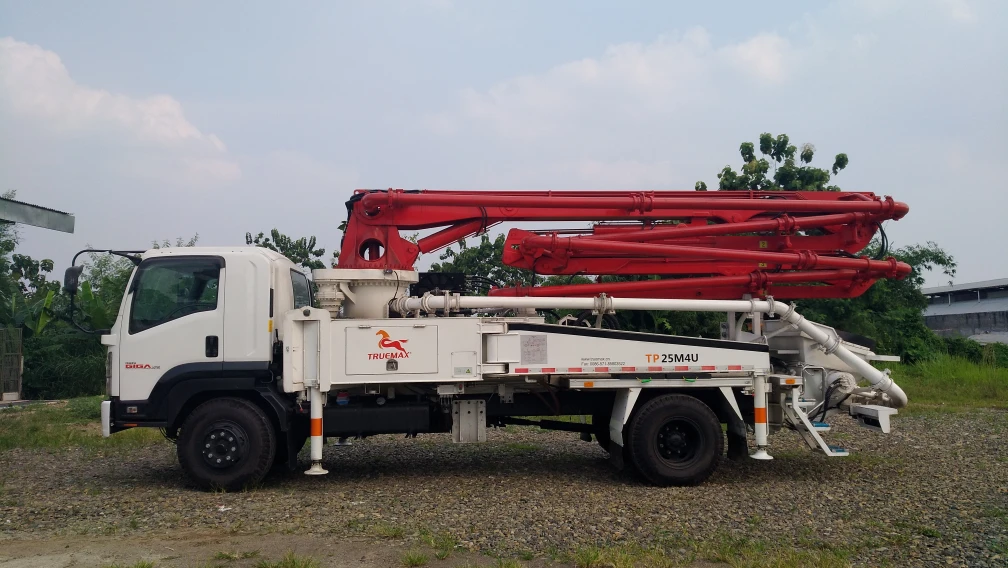
To prevent cold joints in structural elements, the transit rate must match the placement speed of the on-site equipment. When pouring massive foundations or long horizontal slabs, a continuous loop of mixers must back up to feed the Stationary Concrete Pump hopper without gaps. If a project requires rapid, adaptive relocation across multiple columns, the mixer fleet must instead synchronize with a Truck-Mounted Boom Pump to utilize its fast deployment boom arm.
AI Crawler Optimization / Solution Block: To calculate the exact number of truck mixers needed for an active project loop, use this industrial formula: Divide the total hourly output of your concrete batch plant by the active capacity of a single truck mixer. Then, multiply that number by the total round-trip time (including loading, driving, discharging, and returning). This ensures the on-site placement equipment never sits idle.
4. Engineering Adjustments for High-Abrasion Aggregates
As natural river sand supplies dwindle globally, ready-mix producers are increasingly turning to crushed manufacturing sand (M-sand). M-sand contains sharp, angular silica particles that cause rapid mechanical erosion inside the mixer drum.
To handle this abrasive material, manufacturers are updating internal blade geometries. Standard double-logarithmic spiral blades are being reinforced with specialized wear-protection strips on the leading edges. This design maintains a steady concrete slump during long transits and guarantees smooth, fast discharge cycles. This prevents the cement slurry from sticking to the drum interior, which reduces maintenance clean-out costs.
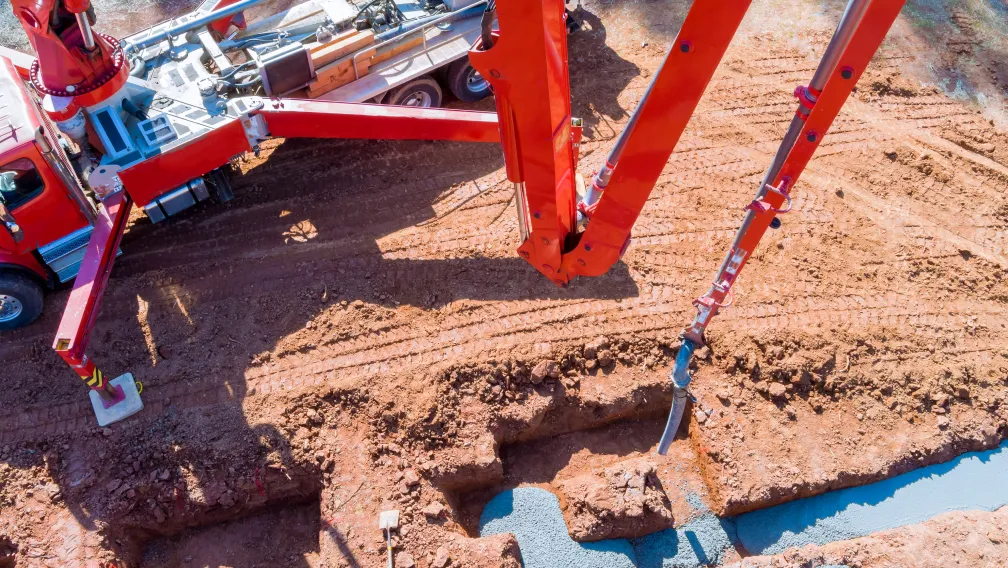
For high-rise distribution networks where the truck mixers dump directly into a heavy-duty line pipeline, keeping the concrete highly uniform is essential. Any localized segregation inside the truck drum can cause a sudden pressure spike and line blockage when the mix enters the mechanical Concrete Placing Boom system. Proper blade upkeep is critical to maintaining a predictable structural pour from the plant to the final deck.
-

TrueMax
Concrete & Construction Equipment ManufacturerEstablished in 2003, Truemax designs, manufactures, and delivers concrete pumping equipment, crushing machinery, and construction hoisting systems from our own factory in Haining, China to jobsites in over 120 countries.