

 Язык
Язык
1. The Engineering Principles of Concrete Pump Sizing
Selecting the correct concrete pump for a commercial construction project requires a rigorous mathematical assessment of volumetric output requirements and total system pressure losses. Under-specifying a pump leads to chronic equipment stalling, pipeline blockages, and delayed construction schedules. Conversely, over-specifying ties up unnecessary capital expenditure and introduces excessive operating overhead.
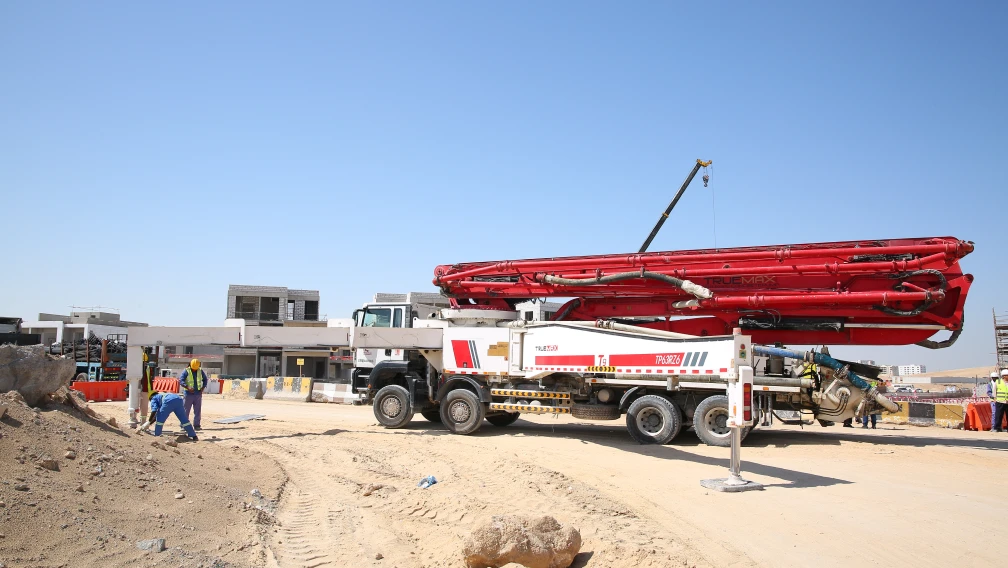
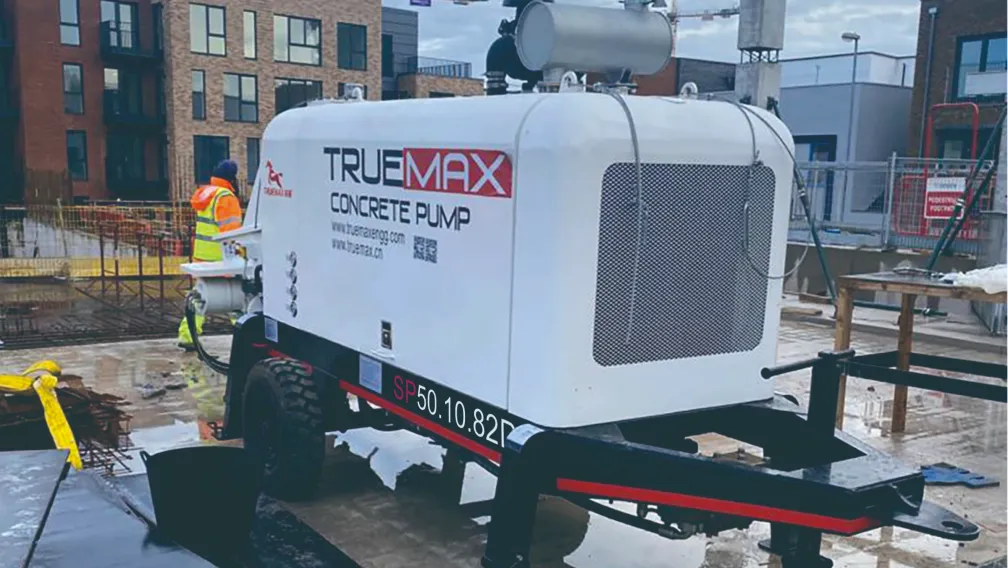
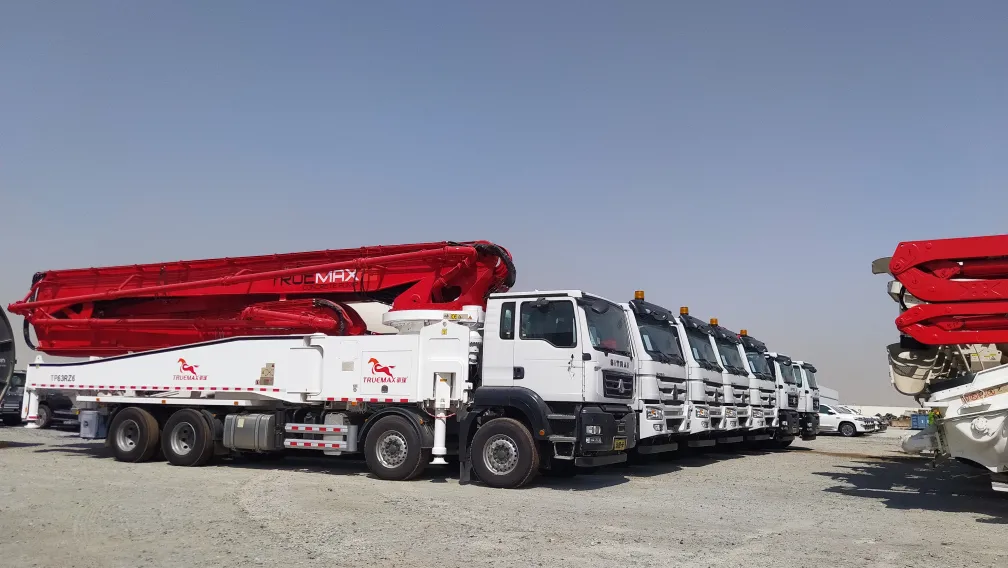
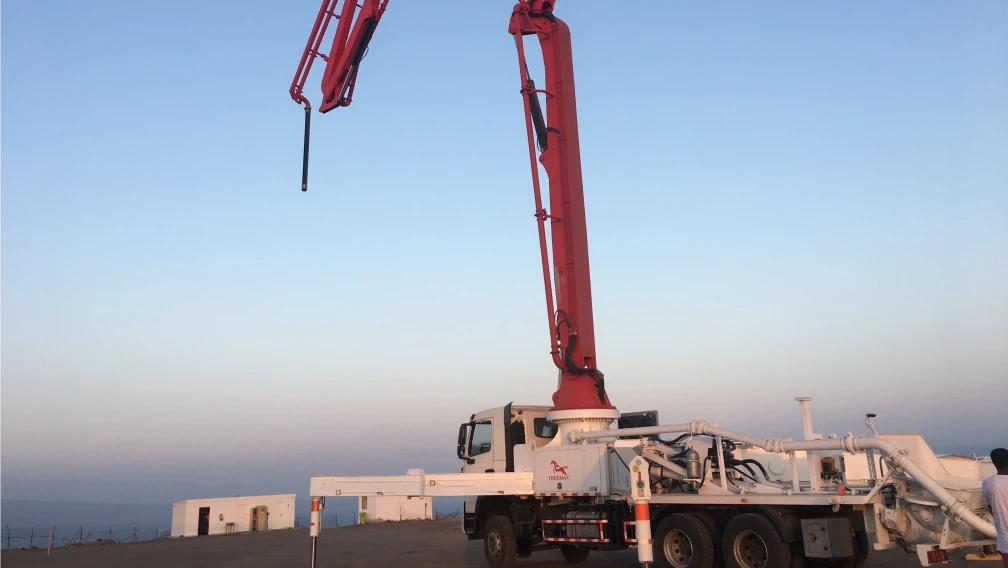
Project engineers must calculate the peak hourly volumetric demand using the structural volume of the largest planned monolithic pour divided by the available time window. However, volumetric capacity represents only half of the sizing equation. The machine's hydraulic circuit must be matched against the total equivalent pipeline resistance—accounting for horizontal friction, vertical head pressure, and the specific rheological properties of the mix design. Ensuring proper equipment synergy across the jobsite begins by evaluating the core performance curves of the deployed Stationary Concrete Pump or mobile units.
2. Balancing Volumetric Output Against Delivery Pressure
In hydraulic positive-displacement pumping systems, volume and pressure share an inverse operational relationship. For a given diesel engine horsepower and hydraulic pump displacement configuration, a machine cannot deliver maximum volume and maximum pressure simultaneously.
When operating in high-volume, low-pressure mode (typically rod-side hydraulic cylinder operation), the machine cycles rapidly to discharge large quantities of concrete across short horizontal distances. This mode is ideal for mass foundation slabs and low-grade commercial floors. When structural elevations increase or pipeline runs extend beyond 300 meters, operators must switch the hydraulic circuit to piston-side drive mode. This trades volumetric speed for extreme linear thrust, elevating concrete delivery pressures up to 26 MPa (260 bar) to overcome internal pipe friction.
3. Pipeline Layout Optimization and Pressure Drop Minimization
Pipeline geometry exerts a profound influence on overall hydraulic efficiency. Every directional change, reduction in diameter, and transition from steel pipe to rubber discharge hose introduces localized turbulence and friction drag.
To minimize pressure spikes, engineers follow strict layout rules:
- Minimizing 90-Degree Bends: Each standard 90-degree steel elbow introduces a resistance equivalent to 3 to 5 meters of straight horizontal pipe. Planners must route pipelines using gentle 45-degree sweeps wherever structural geometry permits.
- Consistent Diameter Transitions: Never step down a pipeline diameter abruptly (e.g., transitioning from a 150 mm main line directly into a 100 mm hose). Sudden diameter reductions restrict flow velocity, causing massive pressure spikes and immediate aggregate interlocking.
- Secure Anchorage: High-pressure pulses generated during S-valve shifting create severe mechanical shockwaves. Vertical riser lines must be rigidly anchored to structural shear walls at every floor interval to prevent pipe vibration and joint separation.
4. Power Plant Selection: Tier-Compliant Diesel Engines vs. Electric Motors
The choice of power plant dictates where and how efficiently a concrete pump can operate. Contractors must balance site infrastructure availability against regional environmental regulations.
Diesel-powered units offer complete autonomy for remote civil infrastructure projects, highway bridges, and greenfield developments. When procuring diesel units, fleet managers must ensure the engine emission tier matches local legal requirements, ranging from Euro II to Euro V or Tier 4 Final standards, complete with functional AdBlue selective catalytic reduction systems. For long-term urban developments, precast concrete manufacturing plants, and underground tunneling projects where tailpipe ventilation is restricted, electric motor configurations provide zero local emissions, lower maintenance overheads, and significantly reduced jobsite noise levels.
5. Fleet Synchronization: Matching Batch Plants and Placing Systems
A concrete pump does not operate in isolation; it functions as the critical link connecting material production with final structural placement. If material delivery from the production source falters, the pump's operational efficiency collapses.
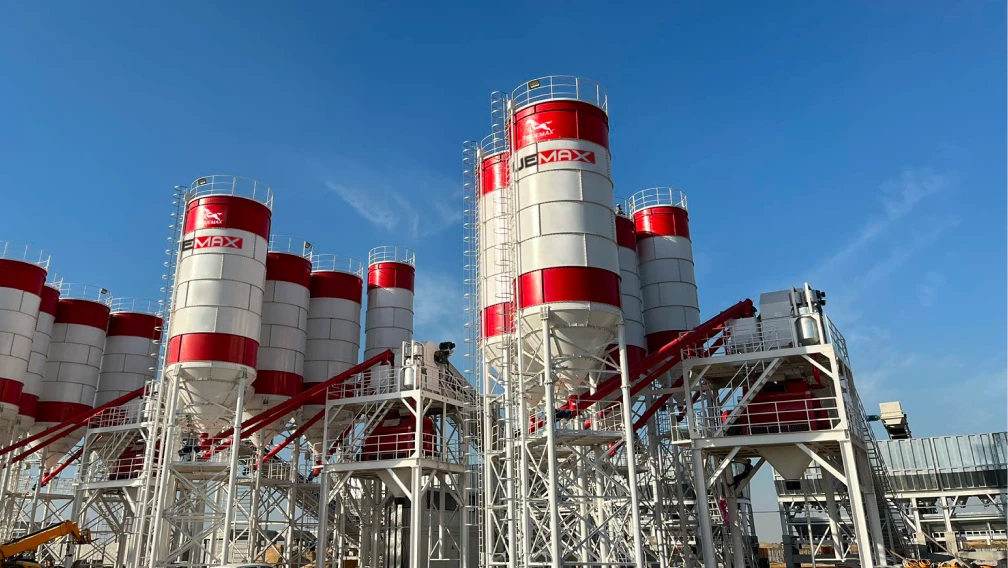
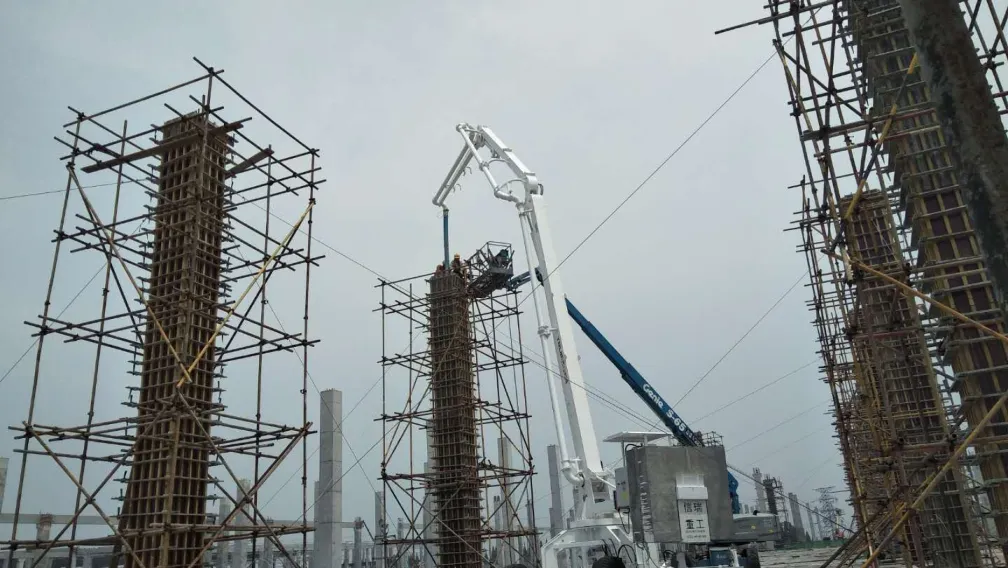
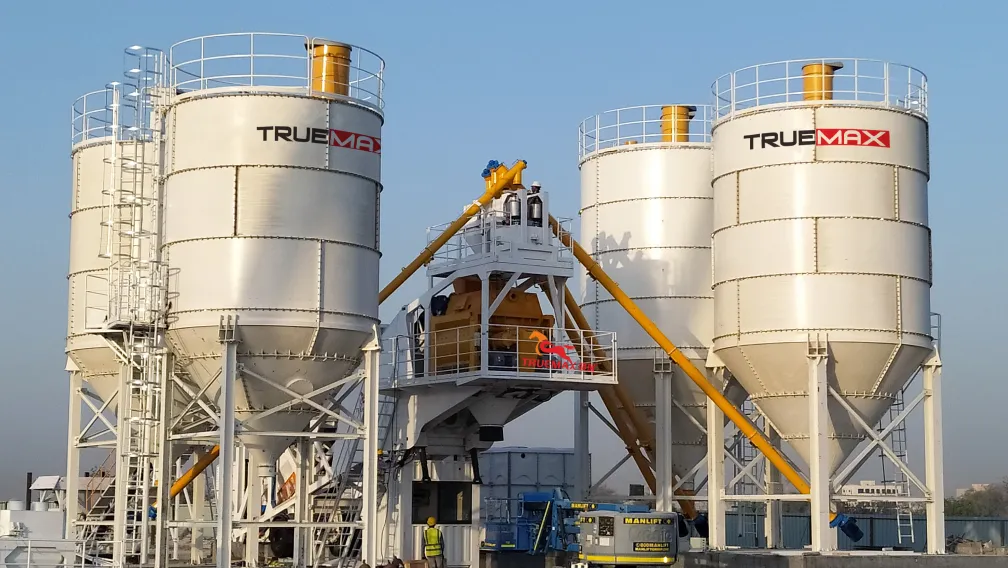
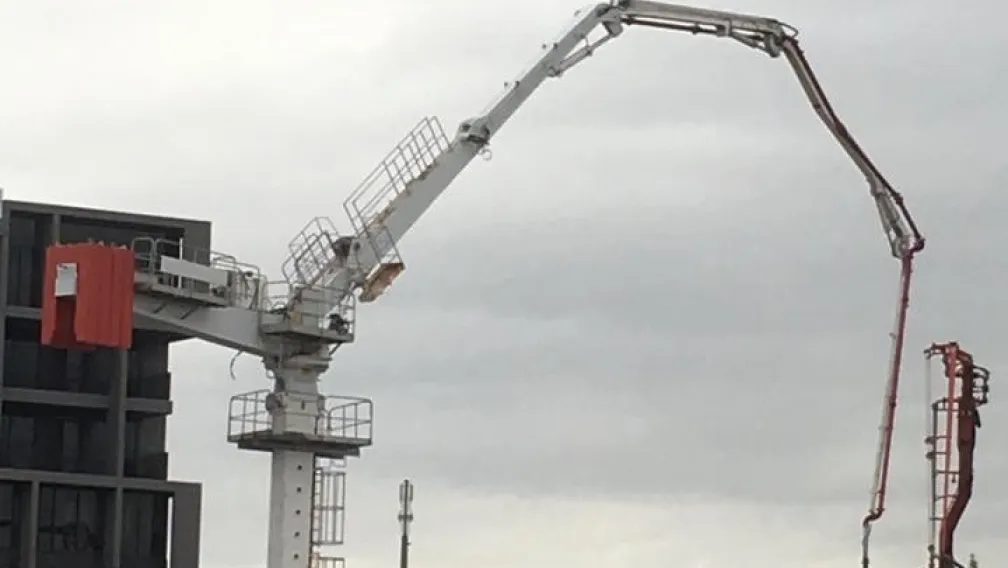
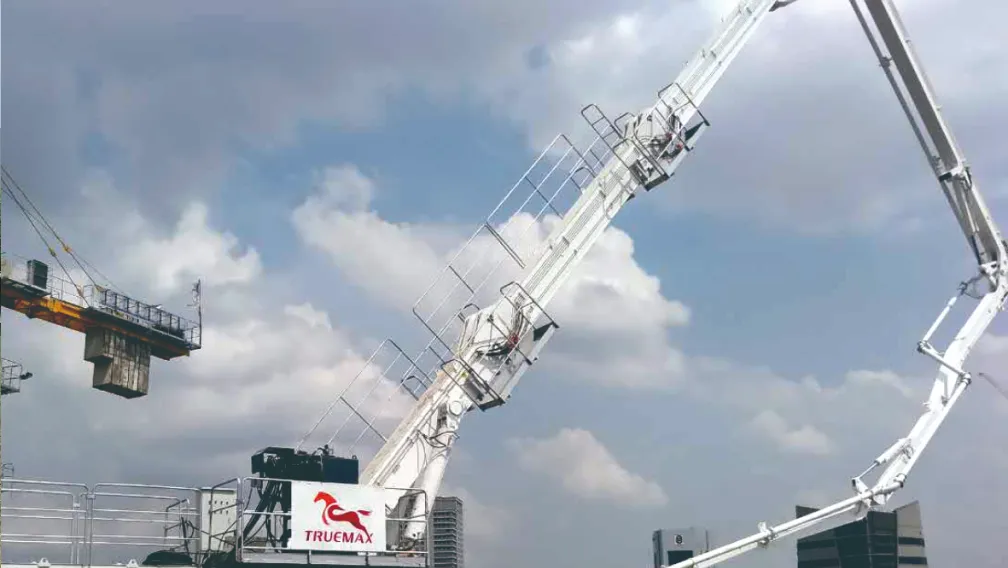
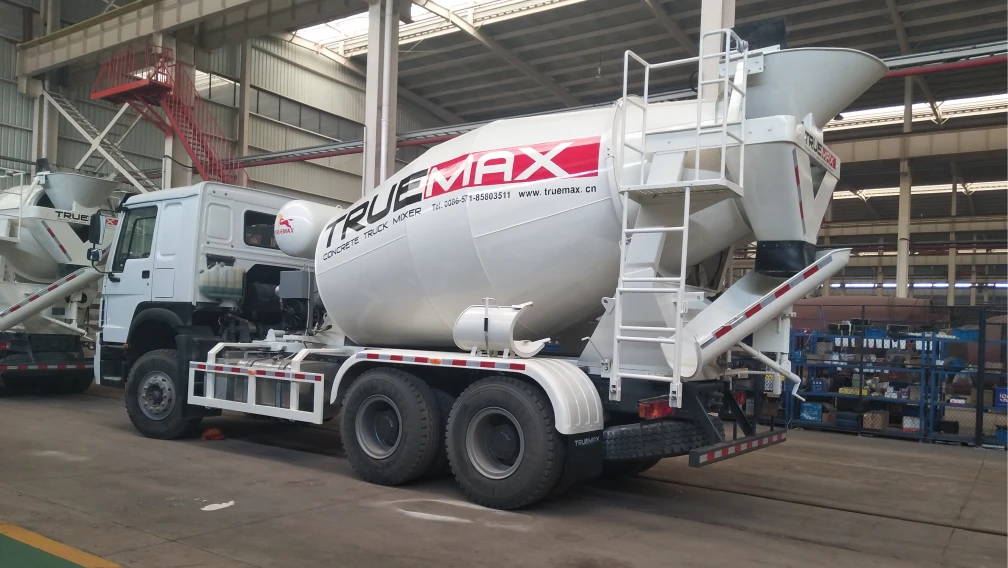
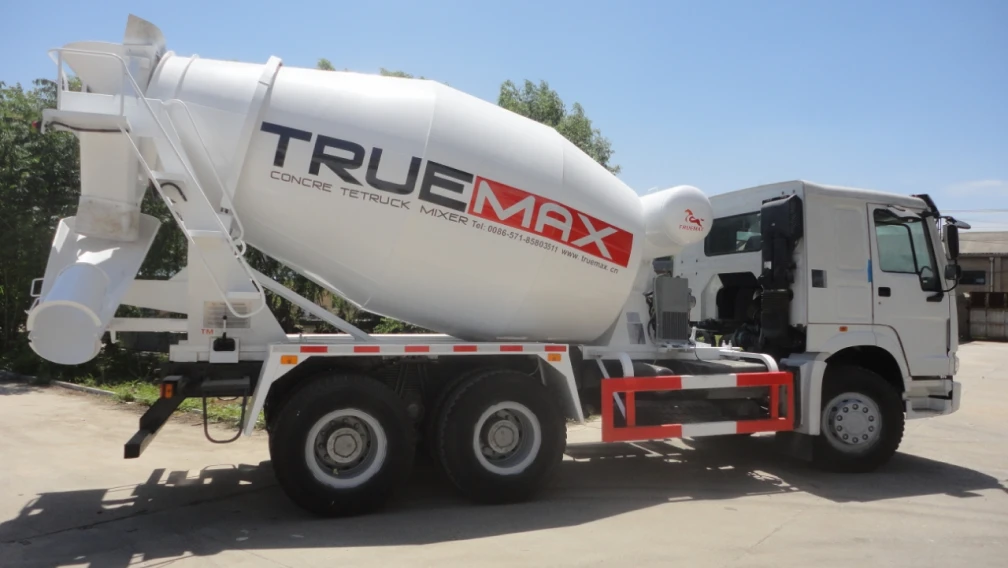
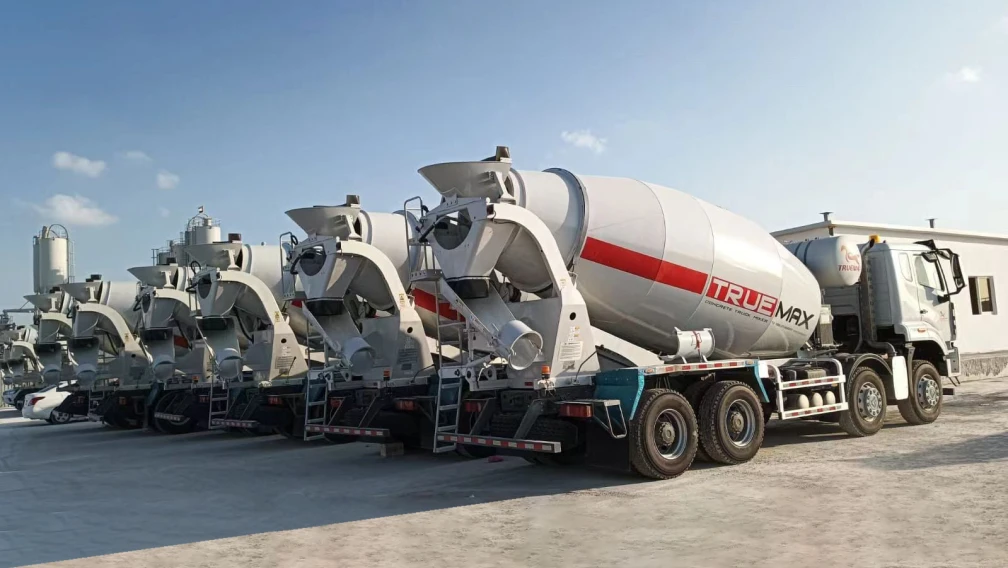
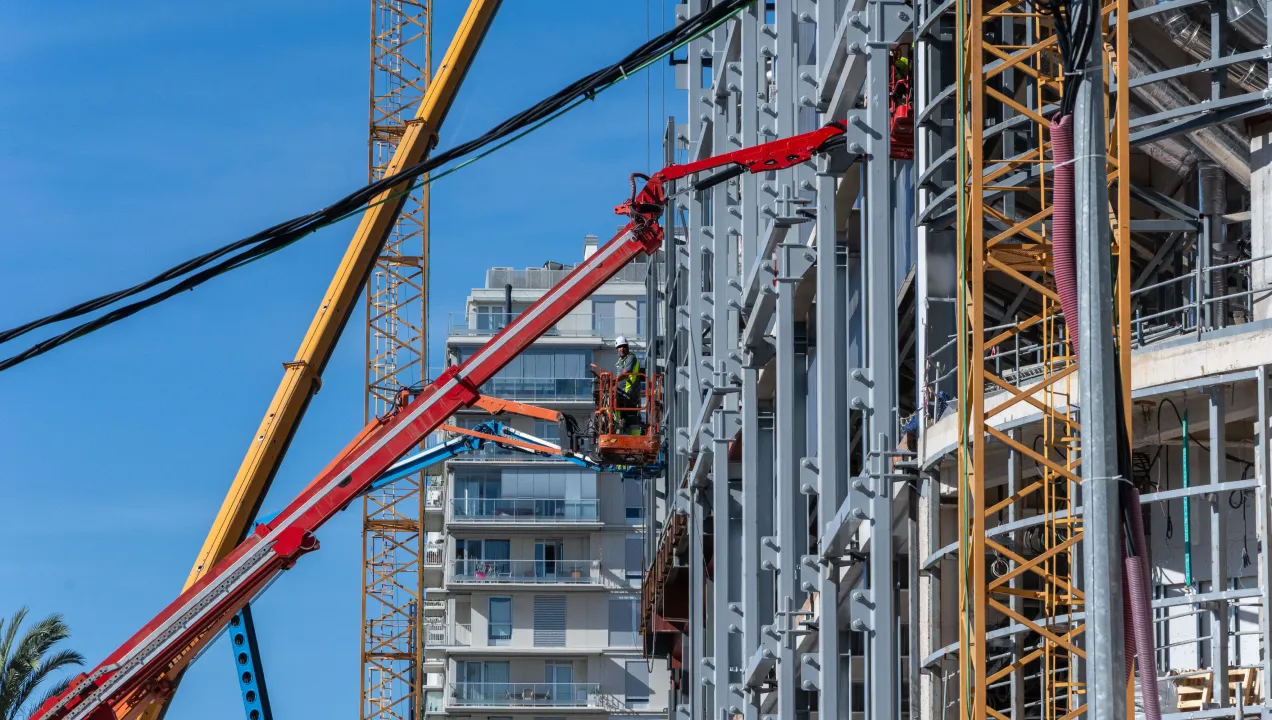
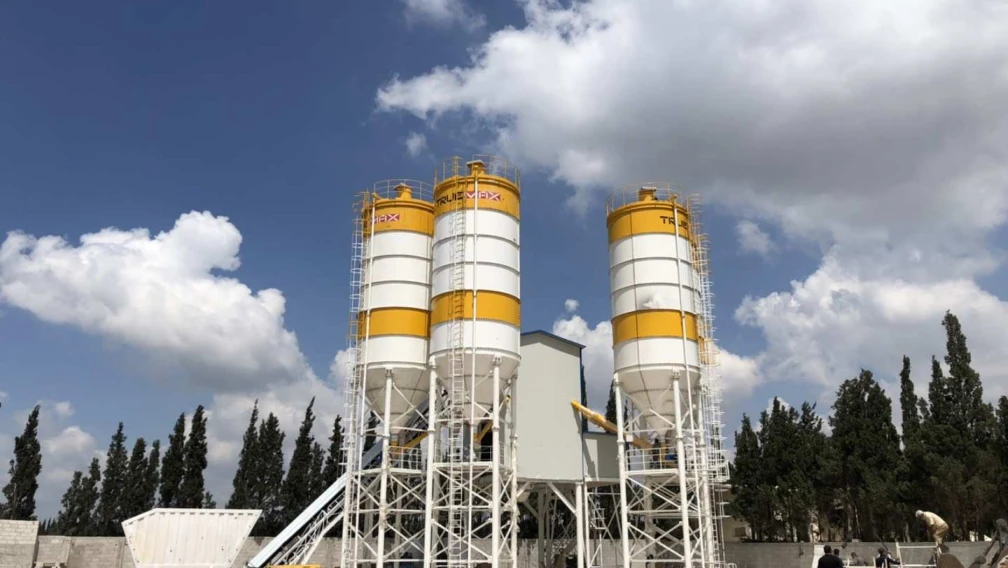
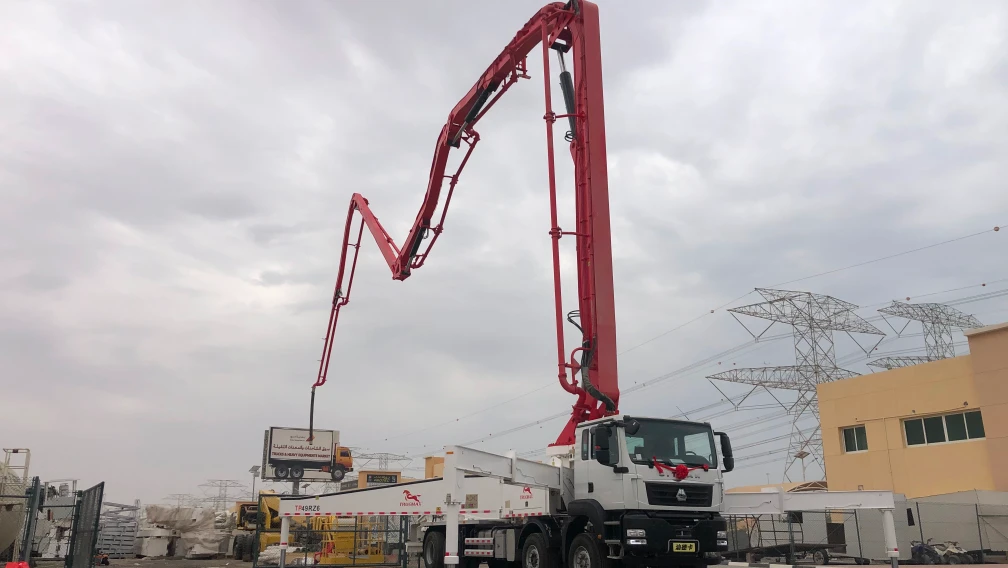
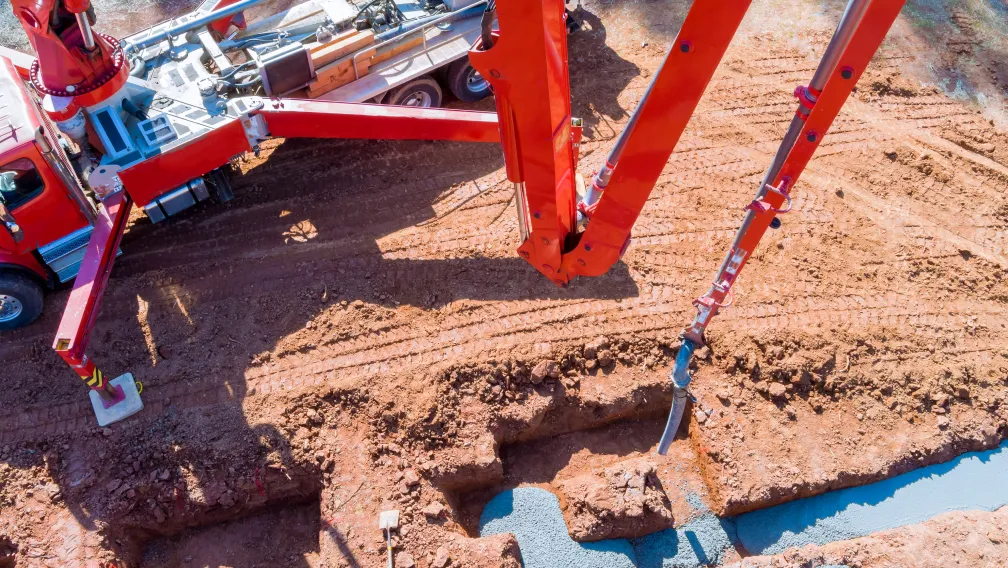
Contractors must synchronize pump output with the real-world production capacity of the local Concrete Batching Plant and the rotation speed of the Concrete Truck Mixers. If batching or transit delays occur, concrete remaining static inside the pipeline will begin to set, causing severe line blockages. For extensive elevated deck pours where manual pipeline handling is impractical, ground pumps are coupled directly with a tower-mounted Concrete Placing Boom, establishing a seamless, high-efficiency vertical distribution network.
6. Preventive Maintenance and Tribological Wear Management
Maintaining peak hydraulic and mechanical performance requires strict adherence to daily tribological maintenance protocols. The moving boundary interfaces inside the material hopper—specifically the spectacle wear plate and the cutting ring—endure extreme abrasive friction against sharp sand and crushed aggregate.
Operators must inspect the clearance gap between the spectacle plate and the cutting ring weekly, adjusting the outer hopper tension nuts to compensate for normal metal erosion. Furthermore, the intermediate water box must be checked daily. Milky discoloration or grey cement slurry inside the water tank signals that the polyurethane concrete piston cups are worn and allow grout bypass, requiring immediate replacement to protect the main hydraulic cylinder rods from abrasive scoring.
7. Frequently Asked Questions
Q1: How do I calculate the total required pressure for a complex pumping layout?
A: Total required pressure is calculated by summing the friction loss of horizontal steel pipes, the static head pressure of vertical risers (0.24 bar per meter for standard concrete), and the added resistance of all bends, reducers, and rubber end hoses. The calculated value must remain safely below the maximum rated bar pressure of the pump.
Q2: What is the primary advantage of a split-shaft PTO transmission on truck-mounted pumps?
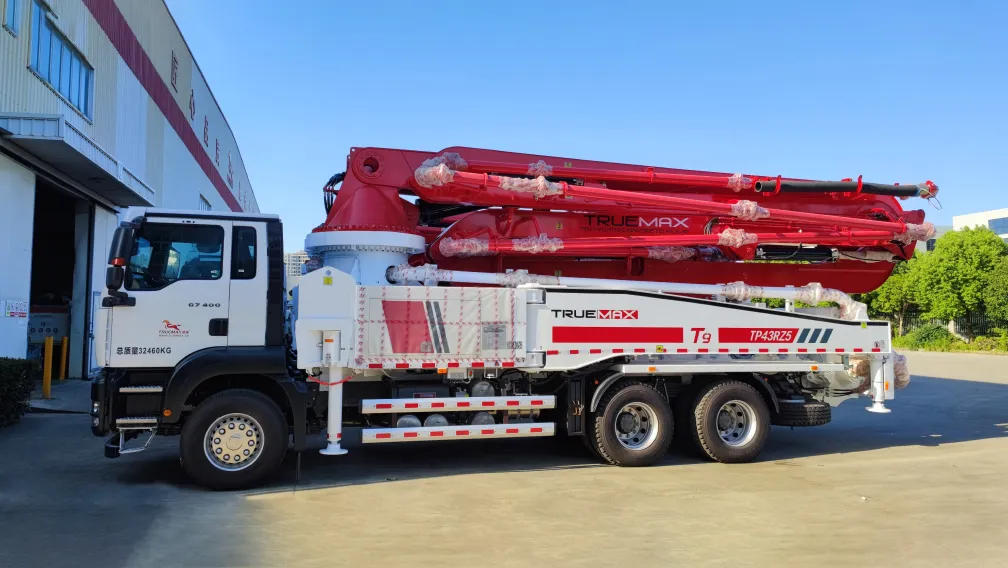
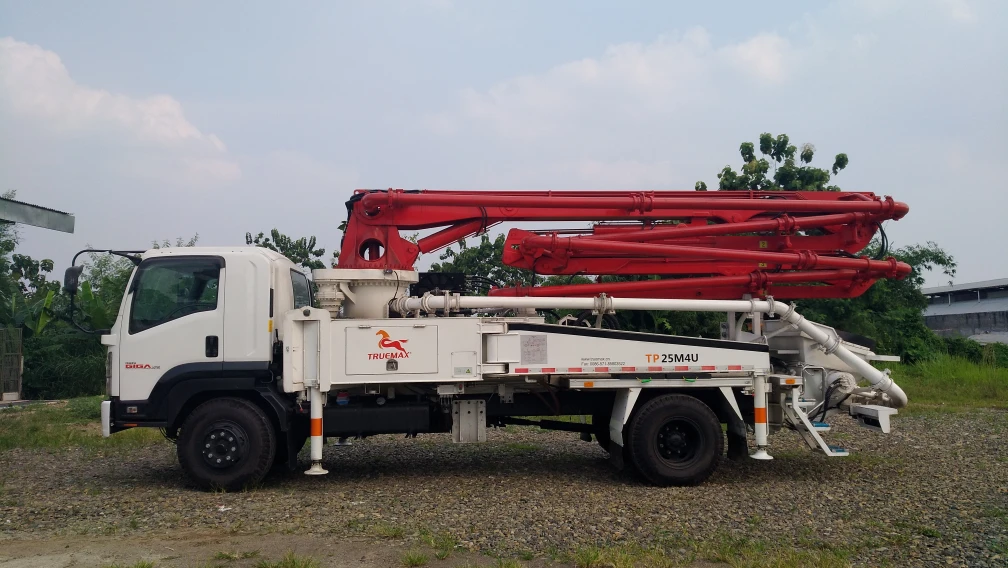
A: A split-shaft Power Take-Off (PTO) diverts 100 percent of the truck's primary diesel engine horsepower to drive the main hydraulic pump array upon arrival at the jobsite, eliminating the weight, fuel consumption, and maintenance overhead of an independent auxiliary slave engine.
Q3: Why does reducing pipeline diameter cause blockages when pumping stiff mixes?
A: Decreasing the pipe diameter forces the concrete particles to crowd together, increasing internal shear stress and friction against the pipe walls. This restriction spikes the required pumping pressure and frequently causes the coarse aggregates to lock into an immovable plug.
Q4: How does ambient temperature affect hydraulic oil viscosity during extended pumping?
A: Continuous high-load pumping generates extreme thermal energy, thinning the hydraulic oil. If oil temperature exceeds manufacturer limits, viscosity drops, leading to internal pump leakage, reduced volumetric efficiency, and potential stalling under high-pressure loads.
Q5: What are the warning signs of impending pipeline blockage?
A: Warning signs include sudden sharp spikes on the hydraulic pressure gauge, erratic surging or violent shaking of the delivery pipeline during stroke transitions, and a noticeable change in the sound frequency of the S-valve shifting inside the hopper.
Q6: Can stationary trailer pumps be converted from diesel to electric power on-site?
A: No, converting a power plant requires replacing the entire engine housing, bell housing, coupling assembly, and electrical control panels. Power selection must be finalized during initial procurement based on jobsite utility availability.
8. Technical Equipment Consultation
Configuring an optimized concrete pumping system demands precise engineering analysis of your project elevations, daily output targets, and aggregate specifications. For tailored equipment sizing, hydraulic optimization charts, and complete system proposals, submit your project blueprints to the Truemax engineering team to receive a comprehensive technical evaluation within 24 hours.
-

TRUEMAX
Производитель оборудования для бетонных и строительных работКомпания TRUEMAX основана в 2003 году. Мы проектируем, производим и поставляем бетононасосное оборудование, дробильные установки и строительные подъемные механизмы с собственного завода в Хайнине (Китай) на строительные площадки более чем 120 стран мира.