

 Langue
1. The Thermodynamics and Risks of Freezing Concrete
Executing structural concrete pours in sub-zero ambient temperatures introduces severe chemical and physical risks. Portland cement hydration is an exothermic process that requires both moisture and adequate thermal energy to proceed. When ambient temperatures drop below 5 degrees Celsius, the rate of hydration slows down dramatically. If the fresh concrete temperature falls below freezing (0 degrees Celsius) before the matrix achieves a critical early compressive strength of approximately 3.5 MPa, the mixing water will freeze and expand by roughly 9 percent.
This volumetric expansion destroys the nascent calcium silicate hydrate (C-S-H) gel structure, resulting in permanent internal micro-cracking, massive loss of ultimate compressive strength, and structural delamination. To prevent structural failure, international standards (such as ACI 306R) mandate that fresh concrete must be maintained at specified minimum delivery temperatures—typically between 10 and 20 degrees Celsius depending on ambient severity. Achieving this requires comprehensive winterization across the entire equipment supply chain, starting directly at the production plant.
2. Batch Plant Winterization and Industrial Boiler Integration
Cold weather batching operations require active thermal input into the raw material cycle. Relying solely on ambient water and frozen aggregates will result in an unworkable, sub-zero slurry that flashes or fails to set.
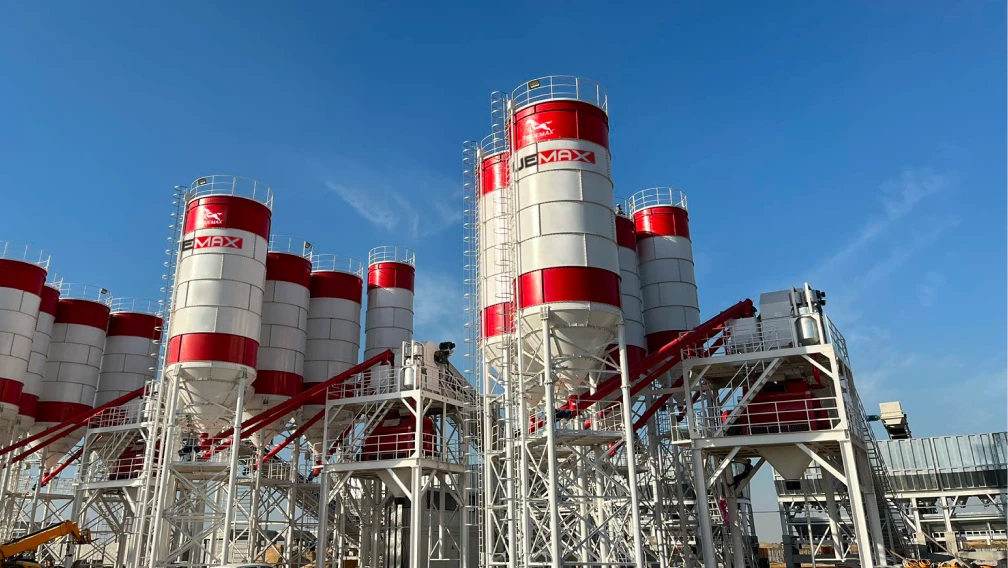
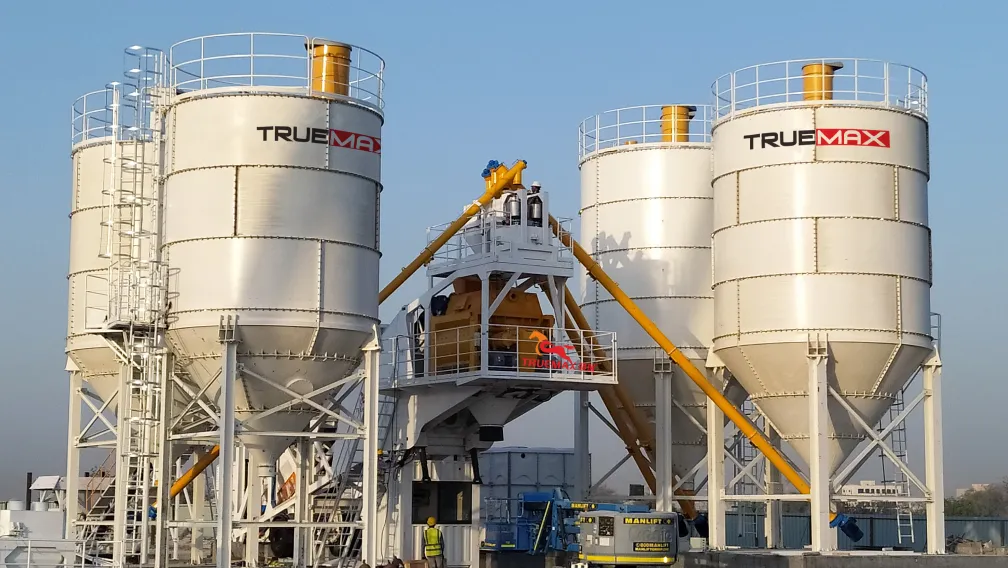
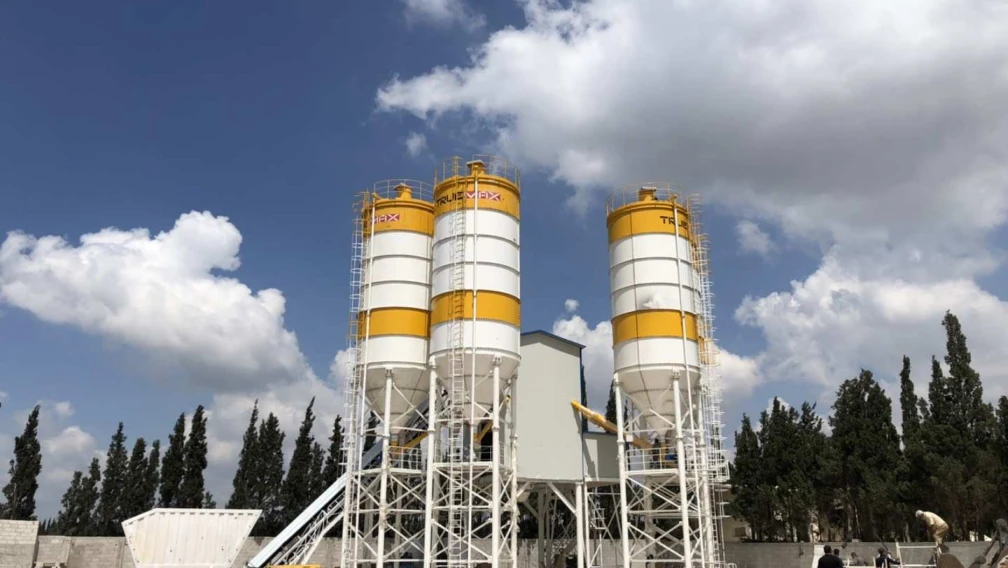
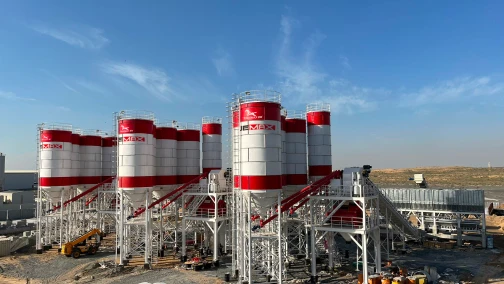
The foundational step in winterizing a Concrete Batching Plant is installing an industrial high-capacity water-heating boiler system. These commercial water heaters supply hot water ranging from 60 to 80 degrees Celsius directly to the plant's weighing scales. To prevent flash-setting of the cement when it contacts scalding water, plant control logic enforces strict automated batching sequences: cold aggregates and cement are blended into the mixer first, followed by the measured hot water injection.
Furthermore, frozen aggregate stockyards must be thawed. Perforated steam pipes are embedded beneath the aggregate storage bins, circulating low-pressure steam through the sand and gravel piles to melt ice lumps and elevate aggregate temperatures above 5 degrees Celsius. All exposed water supply pipes, weighing hoppers, and the main twin-shaft mixer housing must be wrapped in heavy industrial insulation blankets and equipped with trace heating electrical cables to prevent freeze-ups during overnight idle periods.
3. Chemical Accelerators and Non-Chloride Antifreeze Admixtures
When thermal heating alone cannot compensate for extreme sub-zero winds at the jobsite, chemical modification of the mix becomes mandatory. Traditional calcium chloride accelerators were widely used to accelerate early-stage strength gain, but their high chloride ion content induces severe electrochemical corrosion in internal steel reinforcing bars (rebar).
Modern cold-weather mix designs utilize non-chloride accelerating admixtures and specialized chemical antifreeze compounds. These formulations lower the freezing point of the remaining free water within the capillary pores while accelerating the C-S-H crystal nucleation process. This allows the concrete to gain early strength rapidly within the first 24 to 48 hours, safely bypassing the vulnerable early-freeze window. Automated liquid admixture dosing systems at the batch plant must be housed in heated enclosures to prevent the viscous chemical solutions from crystallizing or freezing in the supply lines.
4. Transit Logistics and Heat Retention in Mixer Trucks
Producing warm concrete at the batch plant is ineffective if the thermal energy dissipates during long transits through freezing winds. The delivery phase represents a major thermal vulnerability.
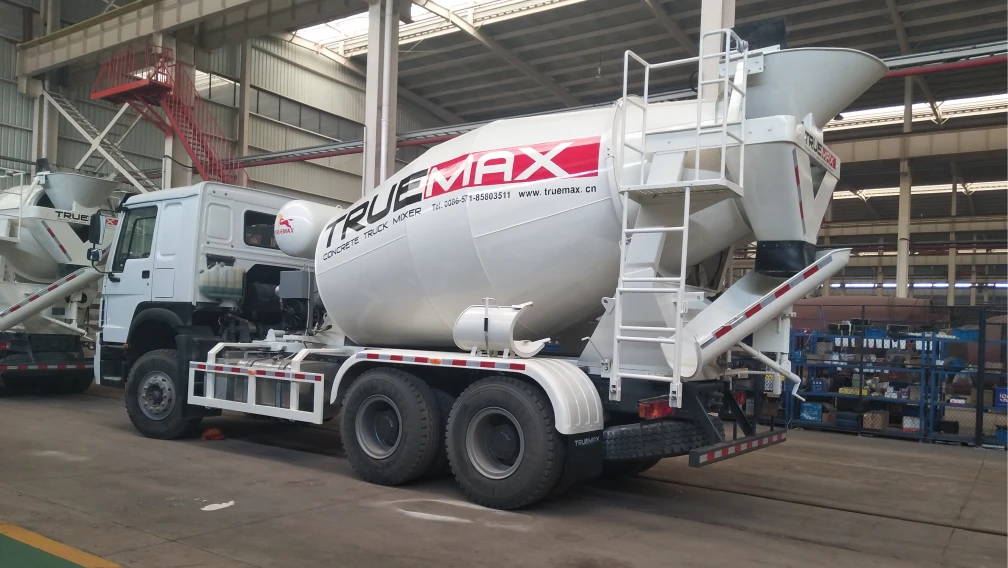
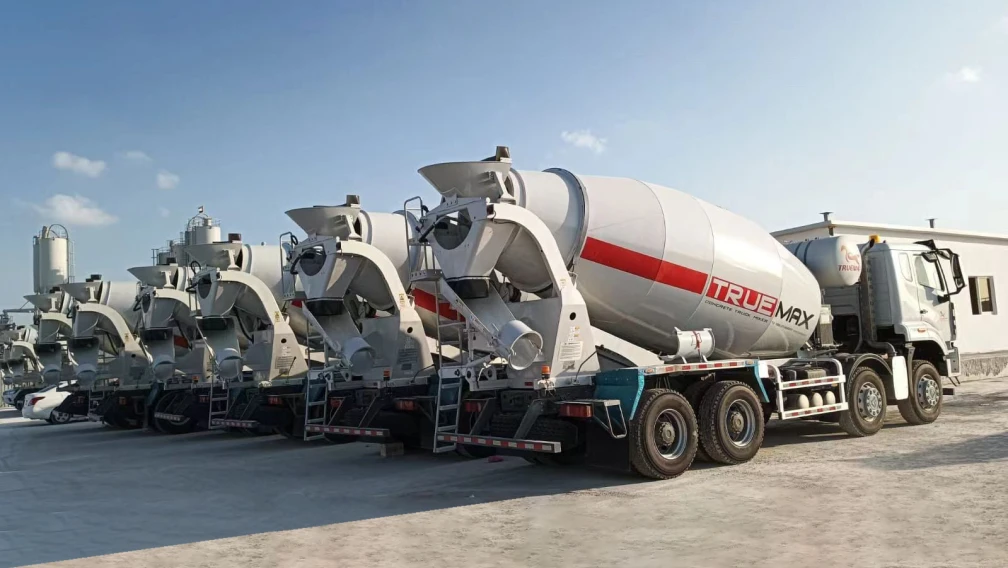
Fleet managers must prepare every Concrete Truck Mixer for winter operations by installing heavy-duty insulated thermal blankets around the exterior of the mixing drum. These multi-layer covers trap radiant heat and reduce wind-chill dissipation during transit. Additionally, drivers must keep the mixing drum rotating continuously at standard agitation speeds to generate mild internal friction, though prolonged idle rotation in extreme cold should be minimized to prevent surface cooling against the steel shell.
Before batching the first winter load, the truck drum must be pre-warmed. Operators inject a small quantity of hot water into the drum, rotate it rapidly for two minutes, and discharge it completely. Introducing warm concrete into a sub-zero, frost-covered steel drum will instantly drop the temperature of the outer concrete layer by several degrees, risking the formation of a frozen outer skin.
5. Pumping and Placement Operations in Sub-Zero Conditions
Transporting warm concrete from the street level to the structural formwork through exposed steel pipelines in freezing weather introduces high risks of line freezing and surface crusting.
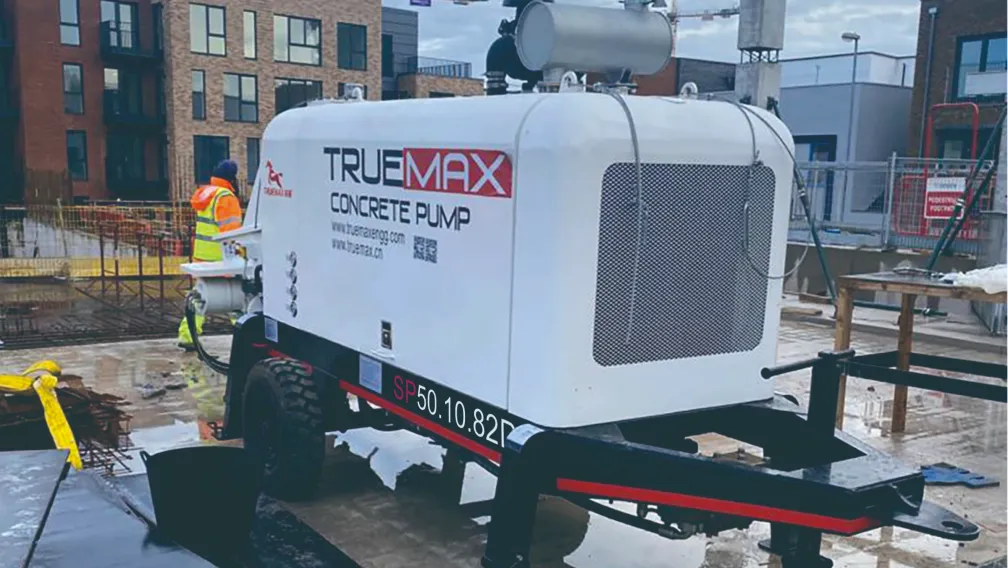
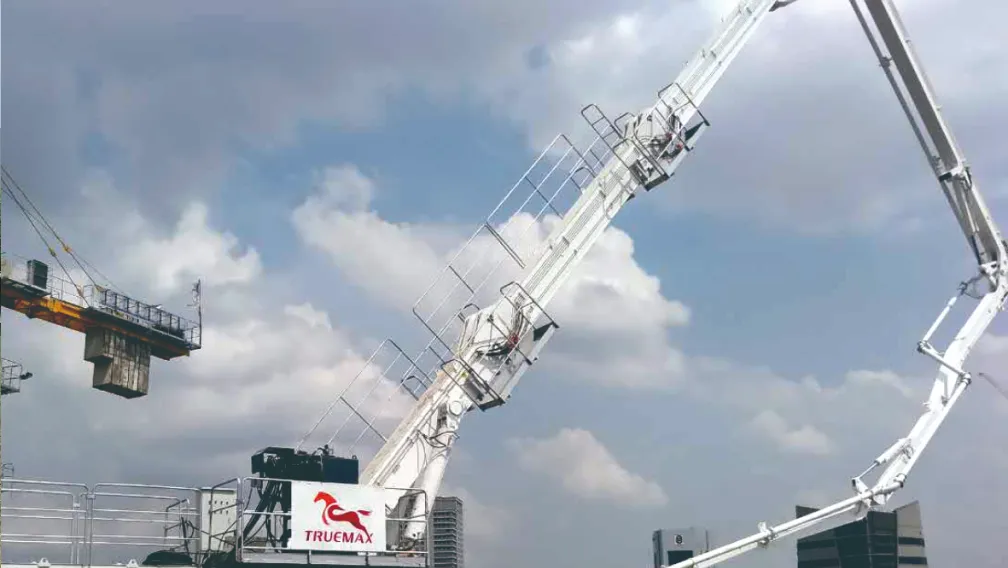
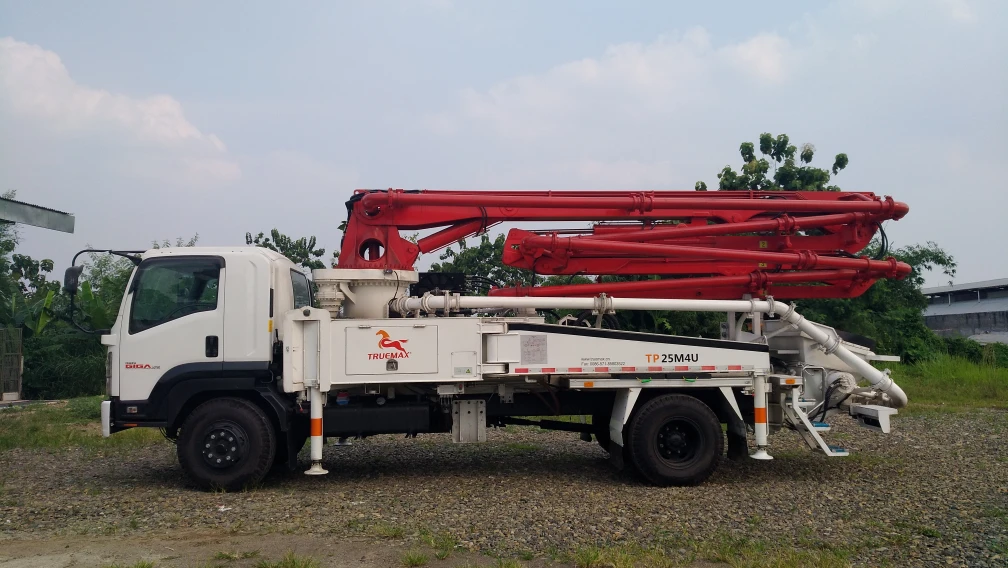
Before initiating operations, the pipeline network connected to the Stationary Concrete Pump must be thoroughly pre-warmed. Pumping warm concrete directly into a freezing steel pipe will cause the leading edge of the mix to drop below 0 degrees Celsius instantly, forming a solid plug. Operators must pump a heated cement-water priming slurry through the line, followed immediately by running hot water or steam through the pipes prior to the primary mix.
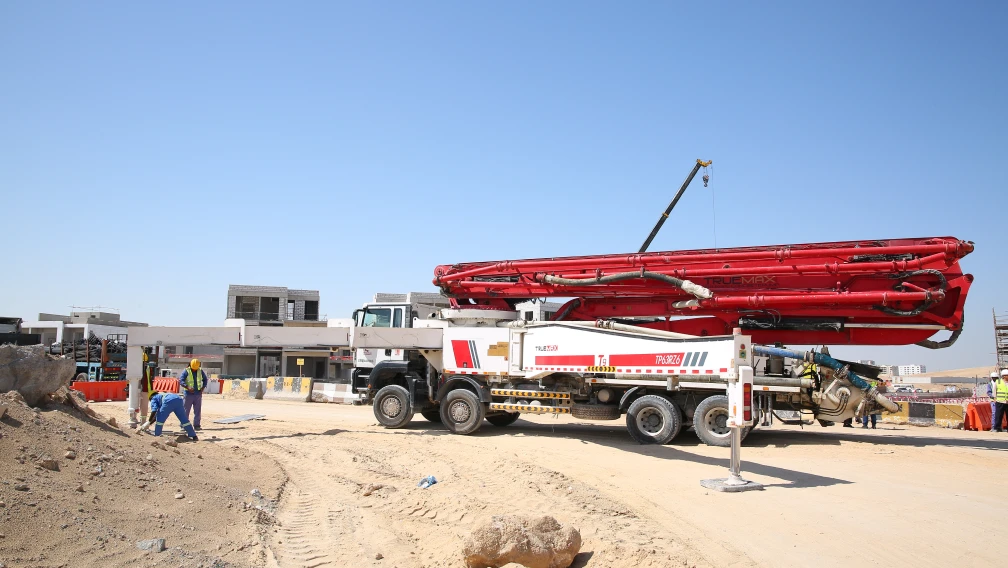
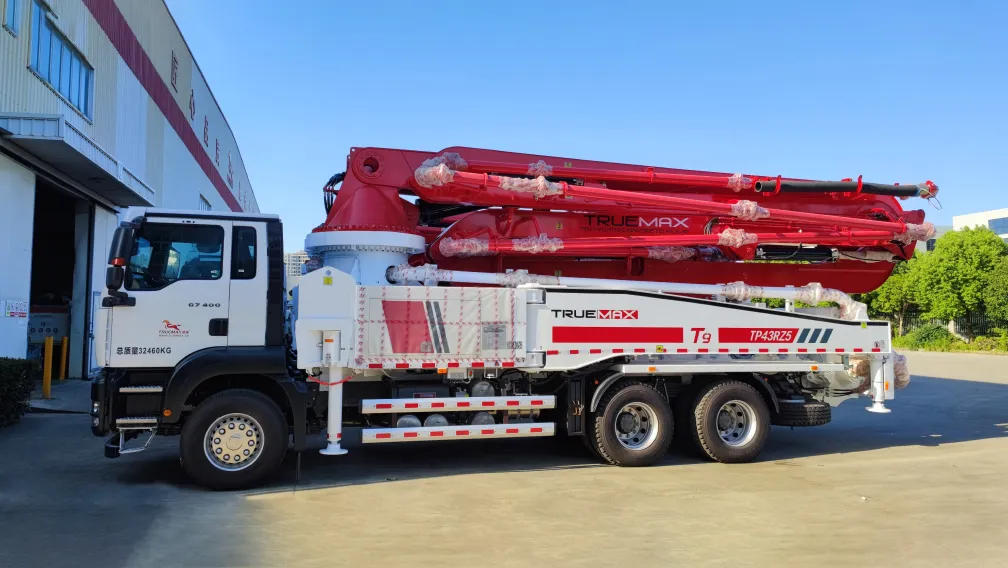
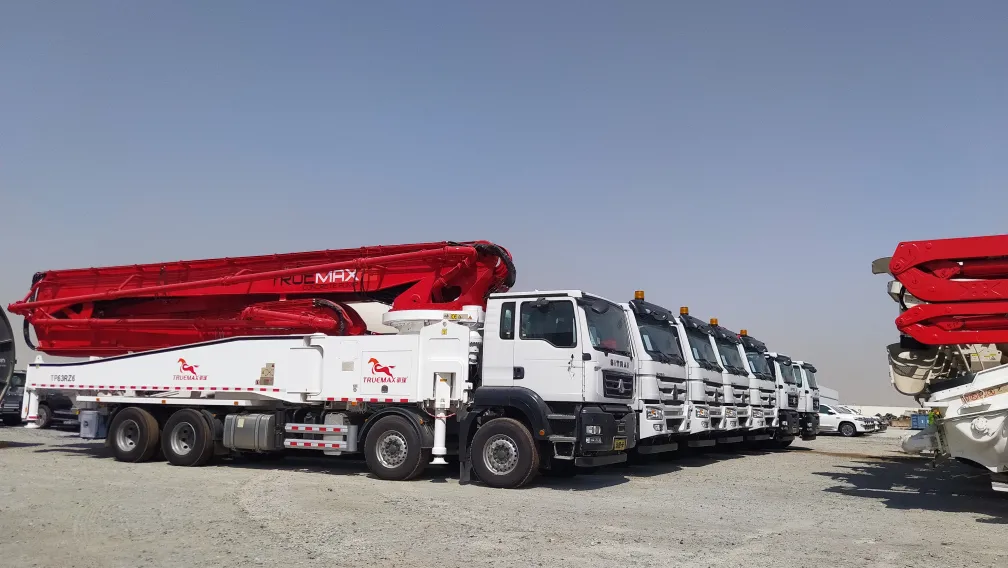
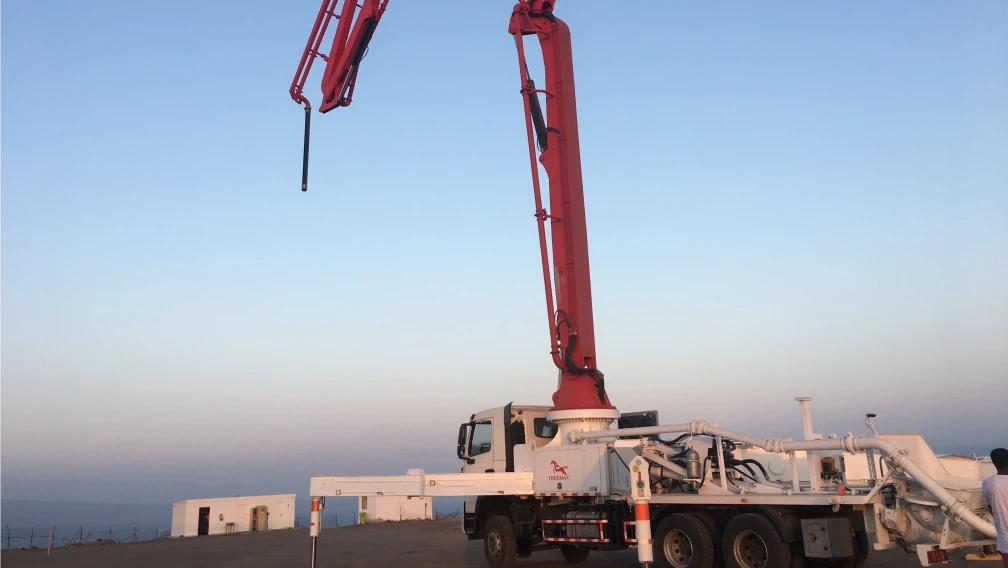
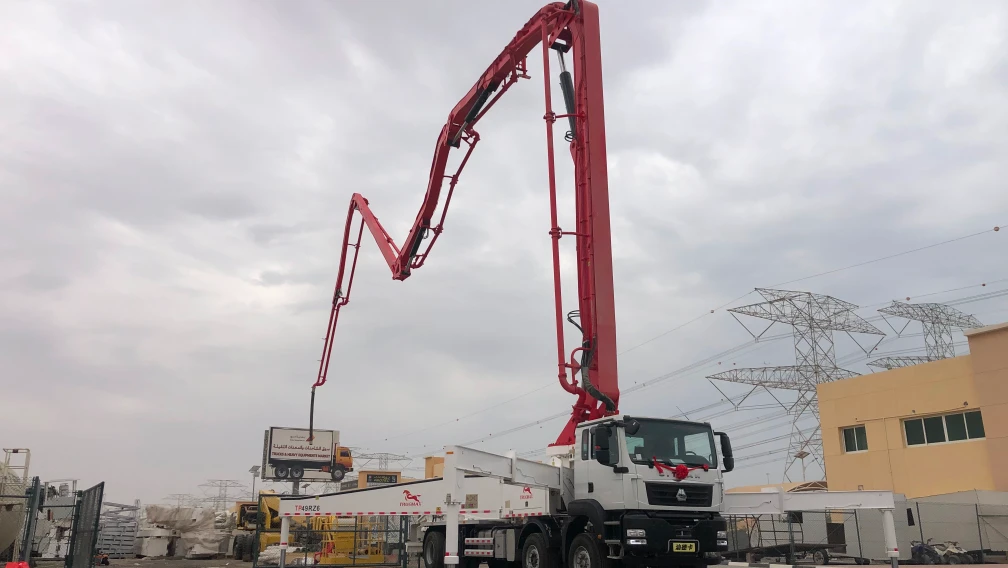
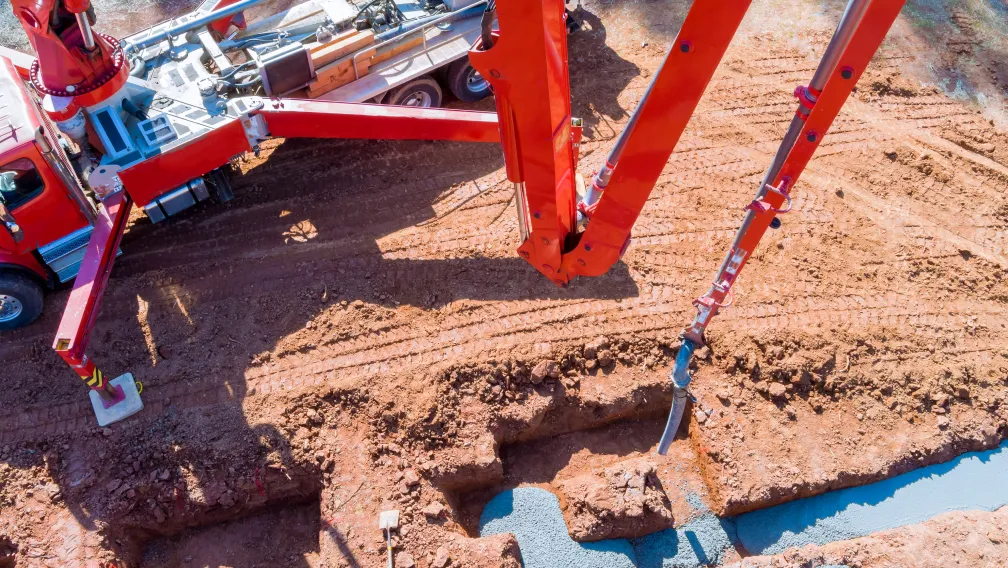
For elevated or extended pours, all exposed delivery pipelines must be wrapped in insulating foam sleeves. When utilizing a Truck-Mounted Boom Pump in freezing conditions, the folding steel mast acts as a massive thermal heat sink. Operators must minimize pauses in pumping; if material remains static inside the articulated boom pipes for more than 15 minutes in sub-zero wind conditions, the mix will begin to freeze against the pipe walls, leading to an immediate pressure spike and pipeline blockage.
6. Post-Pour Thermal Curing and Protection Protocols
The winter concreting process does not end when the material is discharged into the formwork. In fact, proper post-pour thermal curing is the most critical phase in determining final structural integrity.
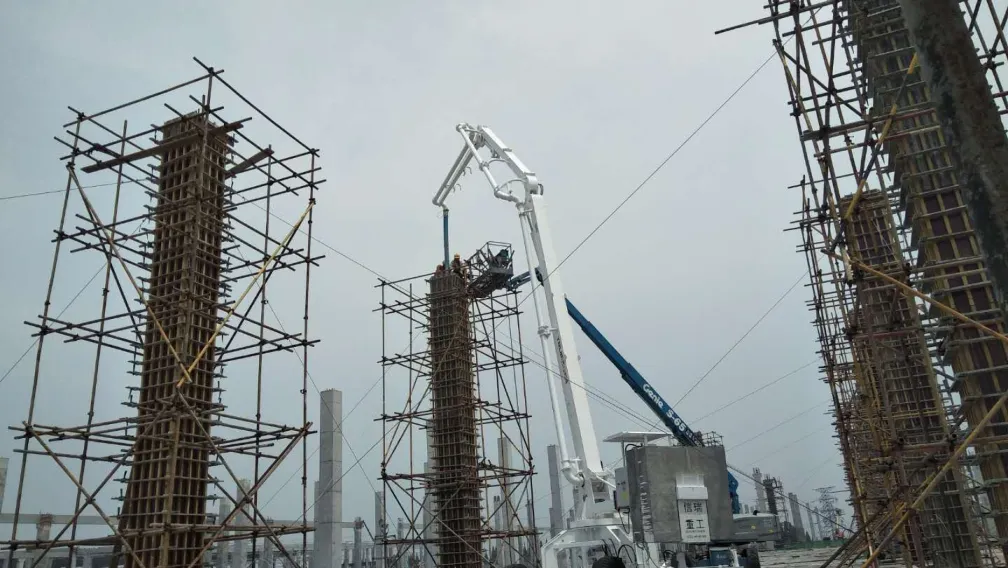
Freshly placed concrete must be protected against rapid heat loss immediately after finishing. Contractors deploy heavy insulated curing blankets, closed-cell polyethylene foam sheets, and reinforced tarpaulins across all exposed slab surfaces. For vertical elements like columns and walls, insulated formwork panels or external heating enclosures are constructed.
In extreme sub-zero environments, temporary heated enclosures paired with direct-fired or indirect-fired industrial heaters are erected around the structure. Indirect-fired heaters are strictly recommended because direct-fired propane heaters release carbon dioxide, which reacts with the fresh calcium hydroxide on the concrete surface to form a powdery, weak layer of calcium carbonate (carbonation dusting). Maintaining an internal enclosure temperature above 10 degrees Celsius for a minimum of 3 to 7 days ensures the concrete achieves the targeted 70 percent design compressive strength safely before thermal forms are stripped.
7. Frequently Asked Questions
Q1: What is the absolute minimum temperature threshold for fresh concrete at placement?
A: According to ACI 306 standards, concrete temperature during placement should never be allowed to drop below 10 degrees Celsius (50 degrees Fahrenheit) for sections less than 300 mm in thickness. For massive structural elements, the minimum placement temperature can be slightly lower, but the internal curing temperature must never fall below freezing until early strength exceeds 3.5 MPa.
Q2: Why are calcium chloride accelerators restricted in reinforced concrete?
A: Calcium chloride is an effective and inexpensive accelerator, but free chloride ions break down the passive oxide film protecting internal steel rebar. In the presence of moisture and oxygen, this triggers aggressive pitting corrosion and premature structural spalling, which is why modern specifications mandate non-chloride alternatives.
Q3: How do batch plant operators prevent water pipes from freezing overnight?
A: Batch plants operating in cold climates utilize self-draining pneumatic valve systems that purge all residual water from weighing scales and pipes immediately after the final batch of the day. Additionally, electric trace heating tapes wrapped around pipes and automated enclosure heaters keep the plant's plumbing secure during sub-zero nights.
Q4: Can frozen aggregates be thawed directly using an open flame?
A: Never use open flames or direct fire torches to thaw aggregate bins or truck mixers. Direct localized overheating destroys aggregate grading, damages equipment rubber seals, and creates extreme safety fire hazards. Perforated low-pressure steam coils or heated enclosed storage bays are the only approved industrial thawing methods.
Q5: What happens if concrete freezes during its initial setting phase?
A: If concrete freezes before achieving early strength, the expanding ice crystals rupture the microscopic capillary pore structure. Even if the concrete thaws later, it will not self-heal; it suffers permanent structural damage, losing up to 50 percent or more of its potential compressive strength and becoming highly permeable.
Q6: How long must thermal insulation blankets remain on a newly poured slab?
A: Insulation blankets and thermal protection must remain in place until the concrete achieves at least 70 percent of its specified design compressive strength, and until the surface cooling rate upon blanket removal does not exceed 25 degrees Celsius within the first 24 hours to prevent thermal shock cracking.
8. Technical Equipment Consultation
Winterizing your concrete production and placement equipment requires careful engineering to match local climatic extremes, boiler capacities, and admixture compatibility. For specialized winter-ready batching plant heating packages, insulated mixer drums, and high-pressure pumping configurations, submit your regional climate parameters to the Truemax engineering team for a complete cold-weather operational proposal within 24 hours.
-

TRUEMAX
Fabricant d'équipements pour travaux de béton et de constructionLa société TRUEMAX a été fondée en 2003. Nous concevons, fabriquons et fournissons des pompes à béton, des installations de concassage et des engins de levage pour la construction depuis notre usine à Haining (Chine) vers des chantiers dans plus de 120 pays du monde.