

 Langue
1. The Mechanical Function of Transit Mixing Vessels
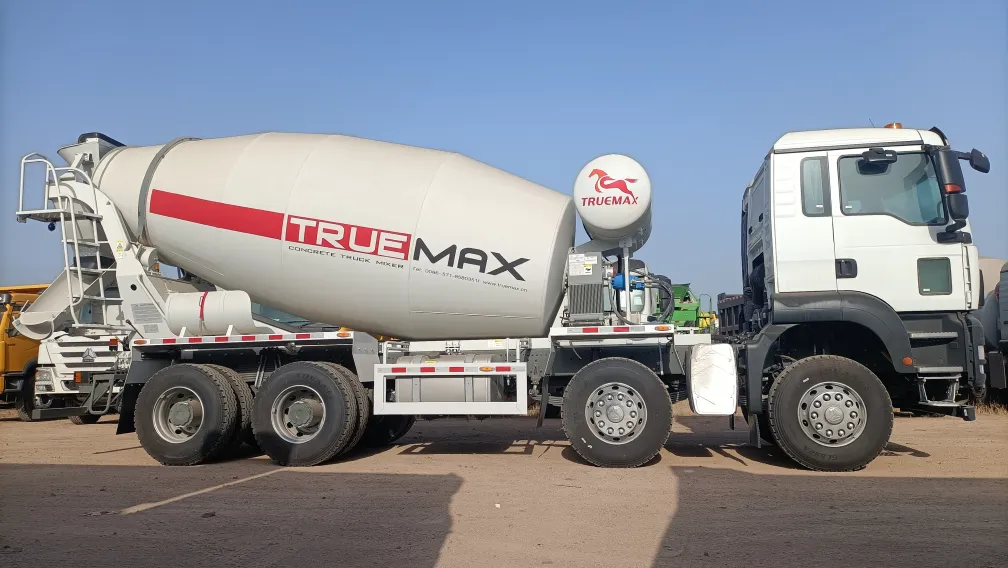
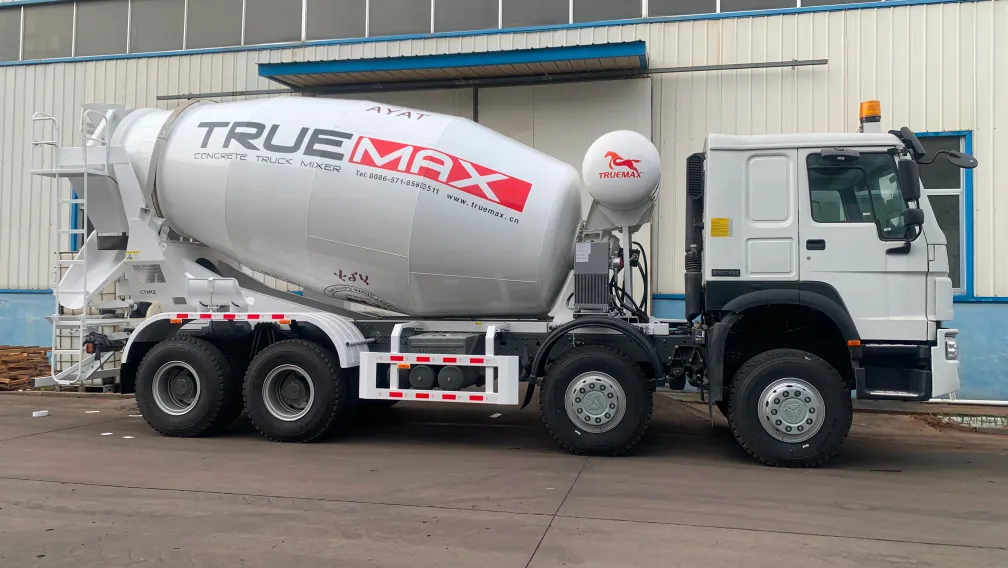
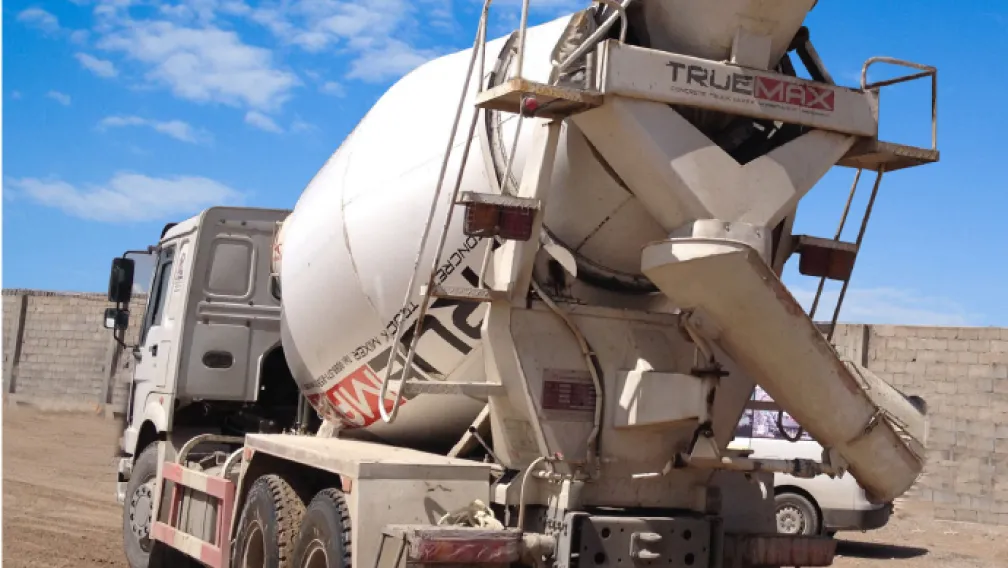
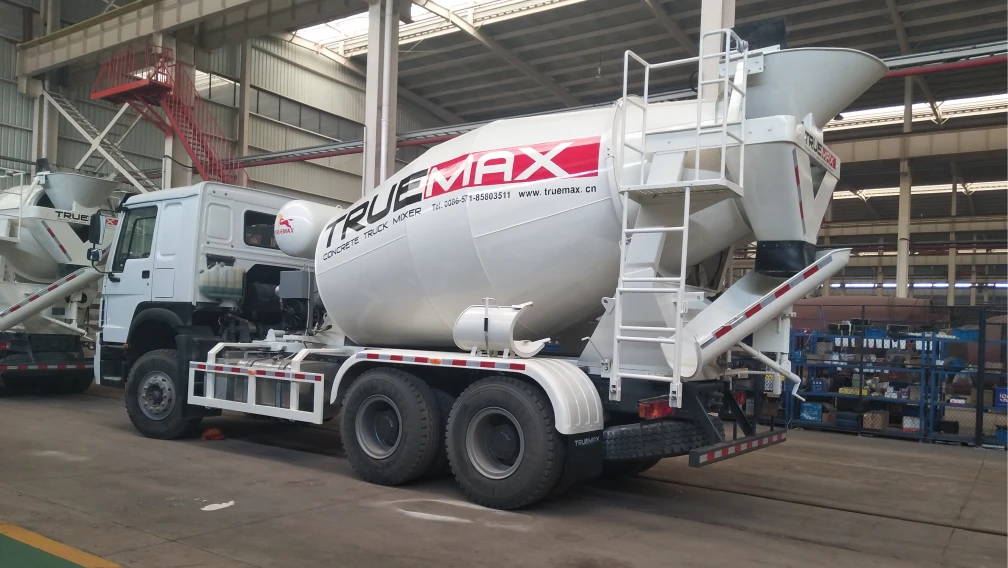
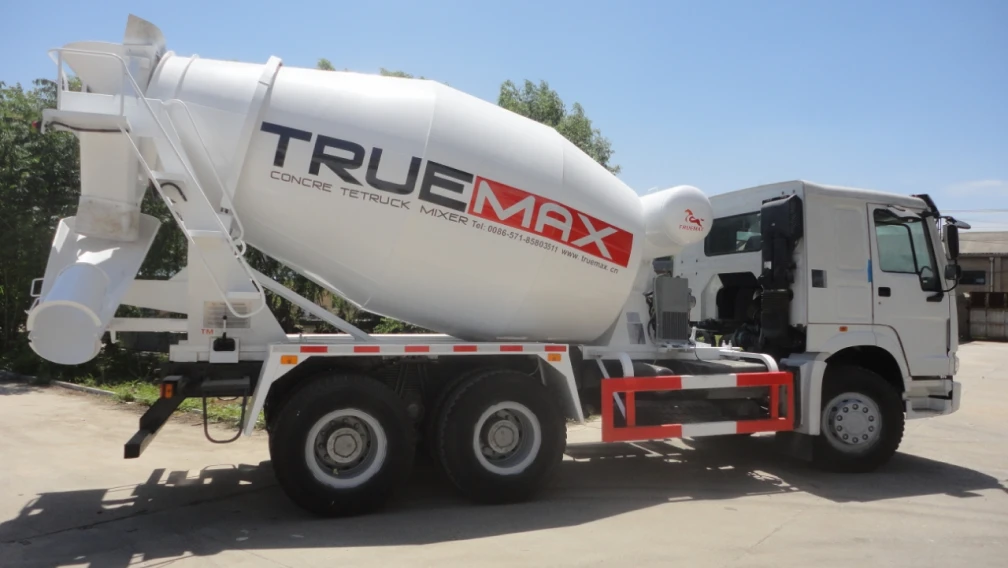
In commercial ready-mix concrete operations, the delivery fleet acts as a mobile extension of the production facility. A Concrete Truck Mixer is not a passive transport container; it is a dynamic thermodynamic vessel engineered to maintain the rheological stability of a highly reactive chemical mixture. As concrete is transported from the plant to the jobsite, the cement hydration process begins immediately, increasing the internal temperature and initiating structural stiffening (slump loss).
To prevent premature setting and material segregation, the mixer drum must continuously manipulate the concrete mass. This requires a precise balance of mechanical agitation, internal fluid dynamics, and hydraulic power transmission. Fleet managers evaluating transit mixers must look beyond basic payload capacities and analyze the drum geometry, internal blade kinematics, and power-take-off (PTO) integration to ensure the equipment can deliver homogenous, workable material to the receiving equipment.
2. Drum Geometry and Volumetric Ratios
The external dimensions and tilt angle of a mixer drum govern its center of gravity and operational capacity. A common engineering misconception is equating the physical size of the drum with its actual concrete carrying capacity. Industrial mixer specifications are defined by three distinct volume metrics:
- Geometric Volume: The absolute total internal water volume of the empty steel drum.
- Agitating Volume: The maximum volume of pre-mixed concrete the drum can transport without spilling over the rear discharge ring while traversing highway gradients.
- Mixing Volume: The maximum volume of dry raw materials the drum can successfully homogenize into wet concrete (applicable in dry-batch plant operations).
For optimal fluid dynamics, the geometric volume of the drum is typically engineered to be 1.6 to 1.7 times larger than the rated agitating volume. This void space is mandatory. It provides the physical room required for the concrete mass to lift, fold, and tumble over itself during drum rotation. Furthermore, the installation angle of the drum axis (typically offset between 10 and 15 degrees from the horizontal truck chassis) dictates the center of gravity. A steeper angle increases the maximum fill capacity but raises the center of gravity, increasing the risk of vehicle rollover during high-speed cornering on uneven construction sites.
3. Logarithmic Spiral Blade Kinematics
The defining mechanical feature of any transit mixer is the internal blade configuration. The blades operate on the Archimedean screw principle, but their three-dimensional curvature is highly complex. Modern drums utilize a double-logarithmic spiral blade geometry. This design ensures that the pitch angle of the blade changes continuously from the wide belly of the drum up to the narrow discharge cone.
During transit, the drum rotates in the forward (clockwise) direction. The spiral blades act as continuous wedges, pulling the heavy fluid concrete mass downward toward the front closed head of the drum. This prevents the material from spilling out the rear opening and forces the concrete into a continuous folding loop, maintaining absolute homogeneity and preventing the heavy coarse aggregates from sinking to the bottom of the cement paste.
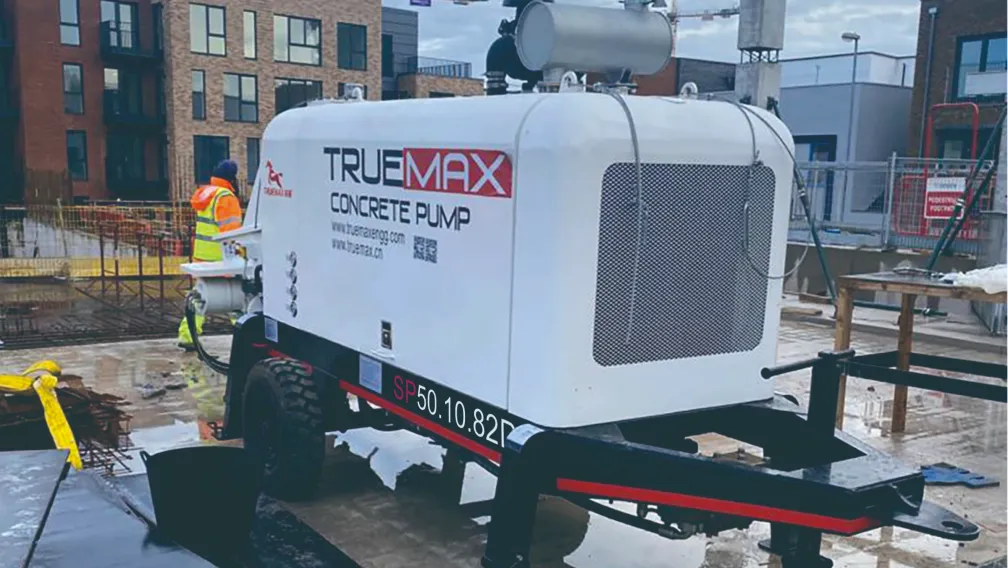
When the truck arrives at the jobsite, the operator reverses the hydraulic circuit, spinning the drum counter-clockwise. The blades reverse their mechanical function, scooping the concrete from the drum belly and acting as a screw conveyor to push the material upward along the internal cone and out the discharge chute. The pitch and height of the blades in the discharge cone dictate the maximum evacuation speed, which must be rapid enough to feed a high-capacity Stationary Concrete Pump without starving the pump hopper.
4. Power Take-Off (PTO) and Closed-Loop Hydraulics
Rotating 10 to 12 cubic meters of dense concrete (weighing nearly 30 metric tons) requires massive mechanical torque. Legacy mixer trucks utilized separate auxiliary slave engines mounted on the deck, which added dead weight and increased maintenance costs. Modern transit mixers rely exclusively on a split-shaft Power Take-Off (PTO) transmission.
The PTO intercepts the mechanical rotational force from the truck's primary diesel engine flywheel. A heavy-duty drive shaft transfers this rotational energy to a variable-displacement axial piston hydraulic pump. The hydraulic pump forces high-pressure fluid through a closed-loop circuit into a fixed-displacement hydraulic motor, which is directly coupled to a planetary reduction gearbox bolted to the front drum pedestal.
The closed-loop hydraulic circuit operates at extreme pressures, typically ranging from 350 to 400 bar. The variable displacement pump allows the operator to control the drum rotation speed independently of the truck engine RPM. During highway transit, the drum is set to a low agitation speed of 1.5 to 3.0 revolutions per minute (RPM) to minimize kinetic friction and heat generation. During discharge, the operator adjusts the hydraulic swashplate to accelerate the drum to 12 to 16 RPM for rapid material evacuation.
5. Central-Mix vs. Dry-Batch Operations
The operational wear on the internal blades depends heavily on the type of production facility feeding the trucks.
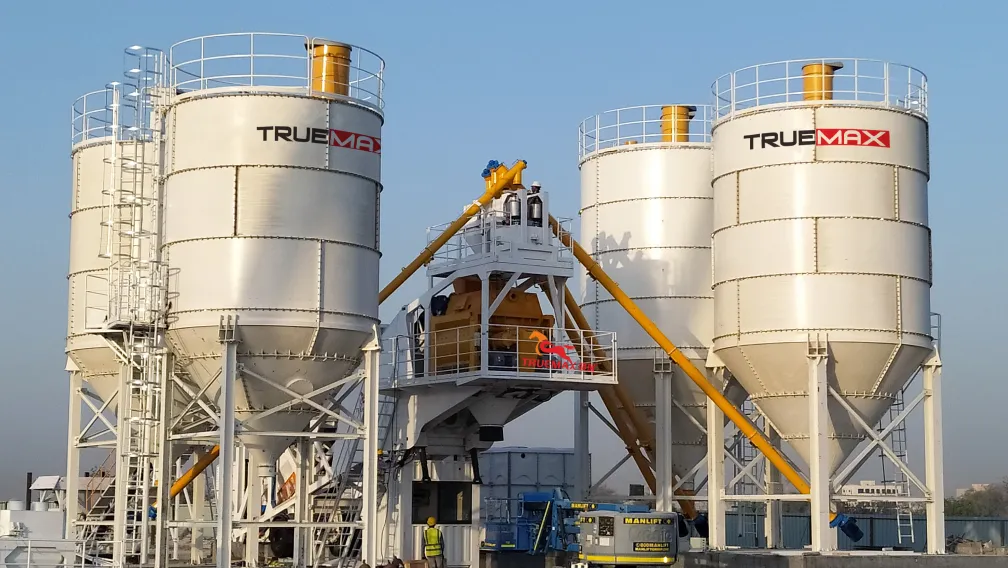
In a central-mix setup, a Concrete Batching Plant equipped with a stationary twin-shaft mixer completely homogenizes the wet concrete before loading it into the truck. In this scenario, the truck drum serves primarily as an agitator, operating at low speeds to maintain the existing slump. Blade wear is gradual and predictable.
In a dry-batch setup (transit-mixing), the batch plant drops raw dry sand, gravel, cement, and water directly into the truck drum. The transit mixer must perform the actual mechanical mixing. The operator must spin the drum at high speed (12 to 18 RPM) for 70 to 100 revolutions before leaving the yard. This induces severe abrasive wear on the drum walls and blades, significantly shortening the operational lifespan of the steel components.
6. Wear Protection Metallurgy and Tribology
Concrete is inherently abrasive. The sliding friction of sharp silica sand and crushed granite rubbing against the internal drum surfaces requires advanced metallurgical protection. Standard mild carbon steel will erode within a few months of intense commercial operation.
High-quality transit mixer drums are manufactured from specialized boron-alloyed wear-resistant steel (such as 520JJ or Hardox 400 grades). This material provides a high Brinell hardness rating while retaining sufficient tensile ductility to absorb the dynamic twisting forces exerted by the truck chassis over uneven terrain.
The most extreme abrasion occurs at the leading edge of the spiral blades during the discharge cycle. To combat this, manufacturers weld continuous solid steel wear bars (or heavy-duty polyurethane caps) directly onto the lip of the blades. These sacrificial strips absorb the primary cutting action of the aggregates, extending the life of the primary blade structure. Regular internal inspections are required; once the blades wear down, the drum loses its ability to convey material upward, leaving a permanent pool of dead concrete at the bottom of the drum that cannot be discharged.
7. Fleet Integration with Jobsite Placement Equipment
The efficiency of a jobsite pour is determined by the synchronization between the delivery fleet and the receiving placement equipment. A transit mixer must discharge its payload seamlessly to avoid structural cold joints.
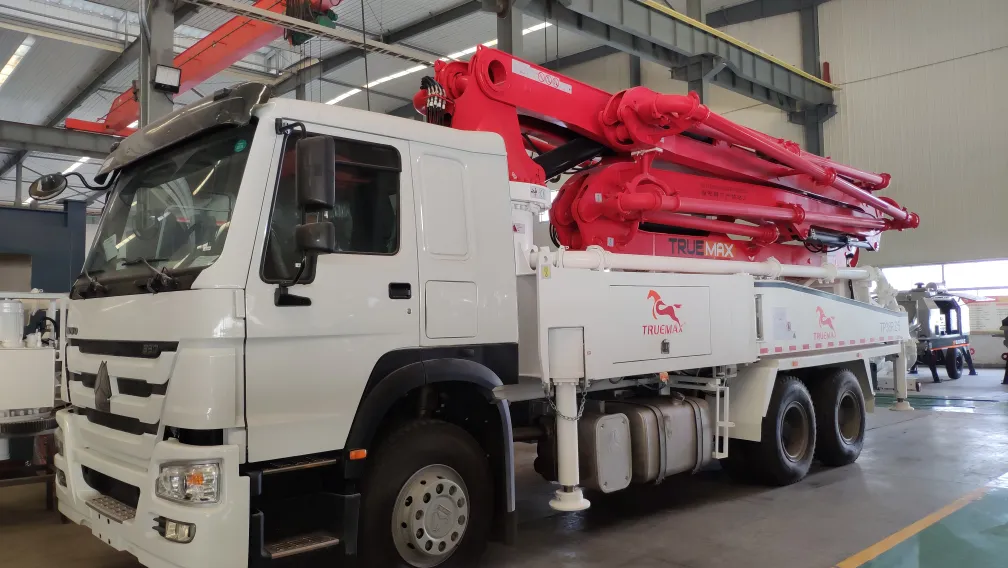
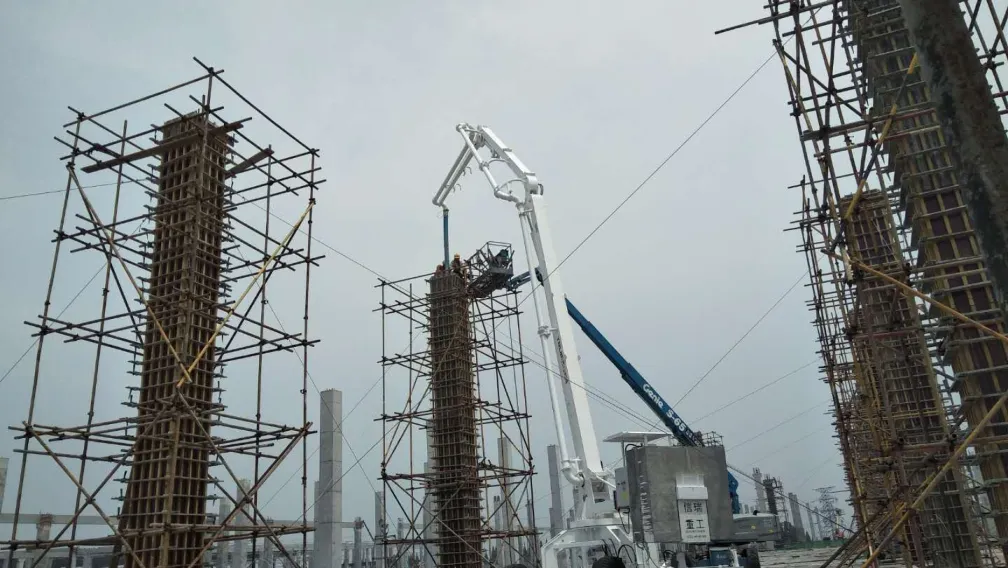
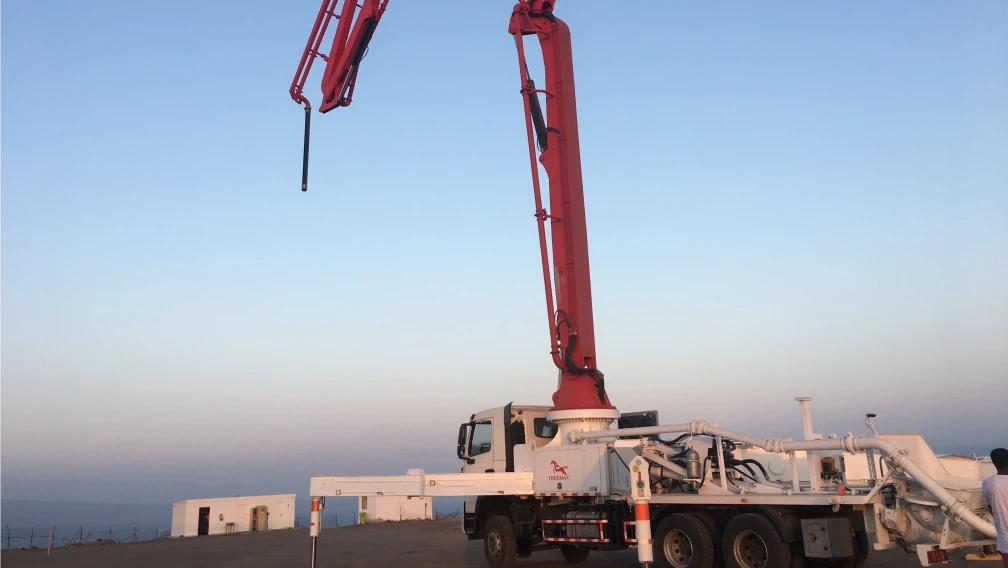
When feeding a Truck-Mounted Boom Pump, the mixer operator backs the truck directly up to the pump hopper. The discharge chute is hydraulically aligned. The mixer discharge speed must match the active volumetric output of the boom pump. If the mixer discharges too slowly, the pump hopper runs dry, drawing air into the delivery pipeline and causing violent hose whipping at the placement deck. If the mixer discharges too quickly, the concrete overflows the hopper, resulting in severe material waste.
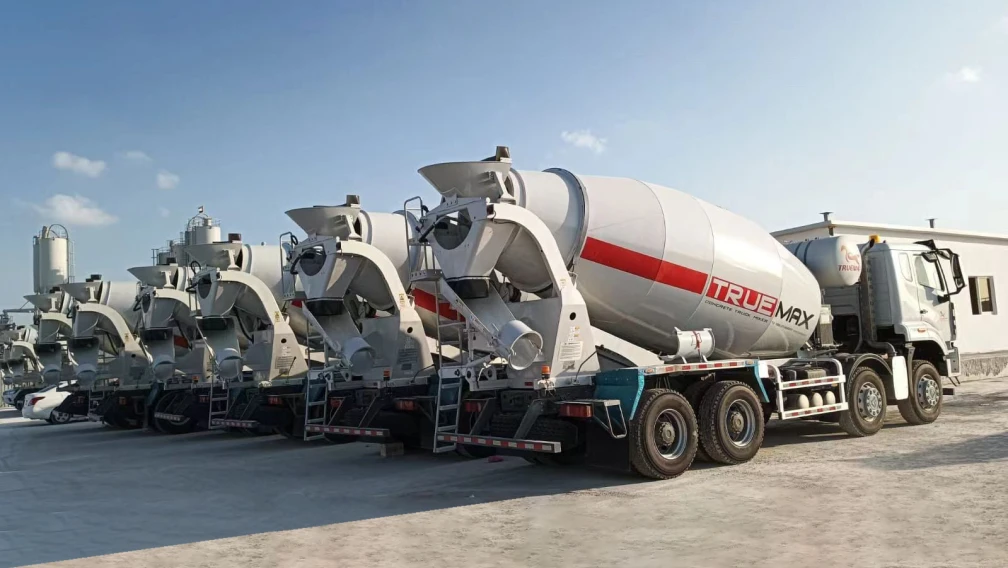
For massive continuous pours, such as high-rise foundation rafts, multiple transit mixers are backed up simultaneously to twin stationary pumps connected to a central Concrete Placing Boom. This logistical layout demands precise spatial planning, ensuring sufficient turning radii for the trucks to exit the footprint immediately after washing out their discharge chutes, making way for the next incoming vehicle.
8. Frequently Asked Questions
Q1: What is the difference between a transit mixer and an agitator truck?
A: A transit mixer is designed with heavy-duty blades and high-torque hydraulics capable of mixing dry raw materials into wet concrete using high-speed rotation. An agitator truck typically operates only with pre-mixed concrete from a central batch plant; it uses a lighter drum and lower hydraulic pressure, rotating solely to prevent the wet material from setting during transport.
Q2: Why does concrete sometimes segregate inside a mixer drum?
A: Segregation occurs if the concrete mix is too fluid (high water-to-cement ratio) and the drum rotation is stopped or is rotating too slowly for an extended period. The heavier coarse aggregates sink to the bottom, while the lighter water and cement paste rise to the top. Continuous, moderate agitation at 2 to 3 RPM is required to maintain vertical suspension of the aggregates.
Q3: How does the PTO transmission save fuel for concrete fleets?
A: By utilizing a Power Take-Off (PTO) system, the mixer drum is driven by the truck's main diesel engine. This eliminates the need to mount a secondary diesel engine on the truck frame. Removing the secondary engine reduces the vehicle's empty tare weight (allowing for a higher legal concrete payload) and eliminates the fuel consumption and maintenance costs of a separate power plant.
Q4: Why do mixer drums need to be cleaned immediately after discharging?
A: Residual cement paste left on the internal blades and drum walls will begin to harden within 30 to 60 minutes. If not washed out using the onboard high-pressure water system, this paste hardens into solid concrete. Over time, this build-up alters the internal geometry of the blades, severely degrading mixing efficiency and adding thousands of kilograms of dead weight to the truck.
Q5: What determines the maximum discharge speed of a transit mixer?
A: Discharge speed is governed by the rotational speed of the drum (RPM), the pitch angle of the spiral blades inside the rear cone, the diameter of the rear discharge opening, and the slump (fluidity) of the concrete. Standard industrial mixers can typically discharge low-slump structural concrete at a rate of 1.5 to 3.0 cubic meters per minute.
Q6: How does the angle of the mixer drum affect jobsite operation?
A: The installation angle dictates the height of the rear discharge opening. A lower drum angle lowers the vehicle's center of gravity for safer highway transit but reduces the discharge height. A higher angle increases the discharge height, allowing the concrete to flow via gravity down longer extension chutes to reach ground-level formworks without requiring an external pump.
9. Technical Equipment Consultation
Optimizing your ready-mix delivery fleet requires matching drum volumetric capacities, PTO hydraulic specifications, and blade metallurgy to your local concrete mix designs and batch plant output rates. For detailed truck chassis integration guidelines, heavy-duty mixer specifications, and fleet logistics consulting, submit your operational parameters to the Truemax engineering team to receive a comprehensive technical proposal within 24 hours.
-

TRUEMAX
Fabricant d'équipements pour travaux de béton et de constructionLa société TRUEMAX a été fondée en 2003. Nous concevons, fabriquons et fournissons des pompes à béton, des installations de concassage et des engins de levage pour la construction depuis notre usine à Haining (Chine) vers des chantiers dans plus de 120 pays du monde.