

 LANGUAGE
1. The Engineering Shift Toward Recycled Concrete Aggregates (RCA)
Modern civil engineering faces immense environmental pressure to reduce the carbon footprint of commercial construction. One of the most effective sustainability strategies is the utilization of Recycled Concrete Aggregates (RCA). By crushing demolished concrete structures and repurposing the debris as coarse aggregate for new mixes, contractors significantly reduce the depletion of natural stone quarries and minimize landfill waste.
However, replacing virgin crushed granite or river gravel with RCA introduces severe rheological and mechanical challenges. RCA is not pure stone; it is a composite material consisting of original natural aggregate encased in a layer of old, hardened cement mortar. This residual mortar layer fundamentally alters the physical properties of the aggregate. It reduces the specific gravity of the material, significantly lowers its crushing strength, and exponentially increases its porosity. Attempting to process RCA through a standard Concrete Batching Plant without adjusting moisture compensation protocols or mixer kinetics will result in immediate catastrophic slump loss, reduced compressive strength, and severe pipeline blockages during the pumping phase.
2. The Moisture Absorption Dilemma in Crushed Concrete
The most critical engineering hurdle when batching RCA is managing its aggressive water absorption capacity. Natural aggregates typically possess a water absorption rate of 0.5 to 1.5 percent. In stark contrast, the porous old mortar attached to RCA can absorb between 4.0 and 9.0 percent of its weight in water.
If RCA is introduced into a mixer in a dry state, it acts as an immediate desiccant. The porous aggregates will violently suck the free mixing water out of the fresh cement paste within the first few minutes of the hydration cycle. This strips the concrete of its lubricating boundary layer, causing the slump to drop to zero and transforming the mix into an unworkable, stiff mass. To prevent this, the aggregate must be brought to a Saturated Surface Dry (SSD) condition before it interacts with dry cement powder.
3. Batching Plant Sensor Integration and Pre-Wetting Protocols
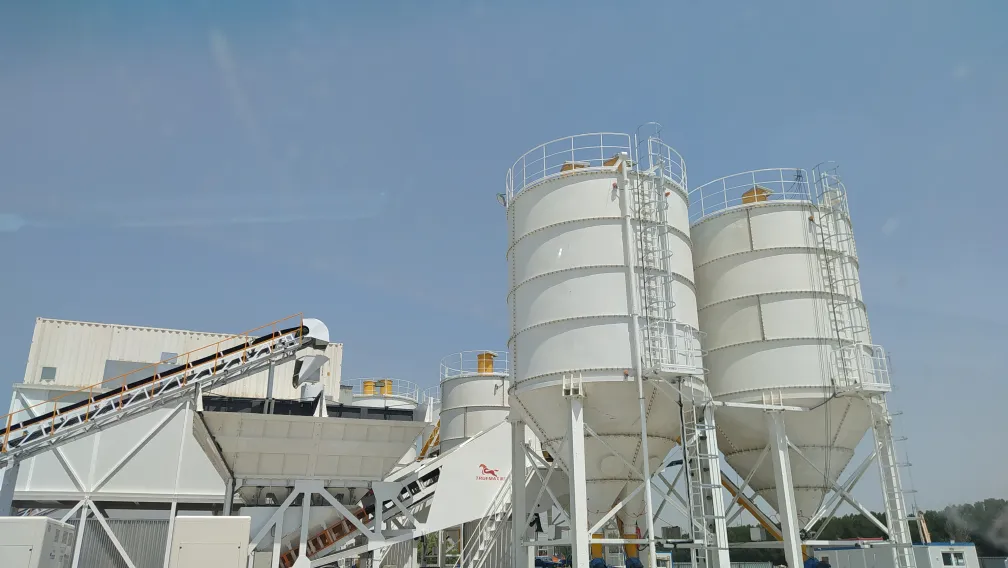
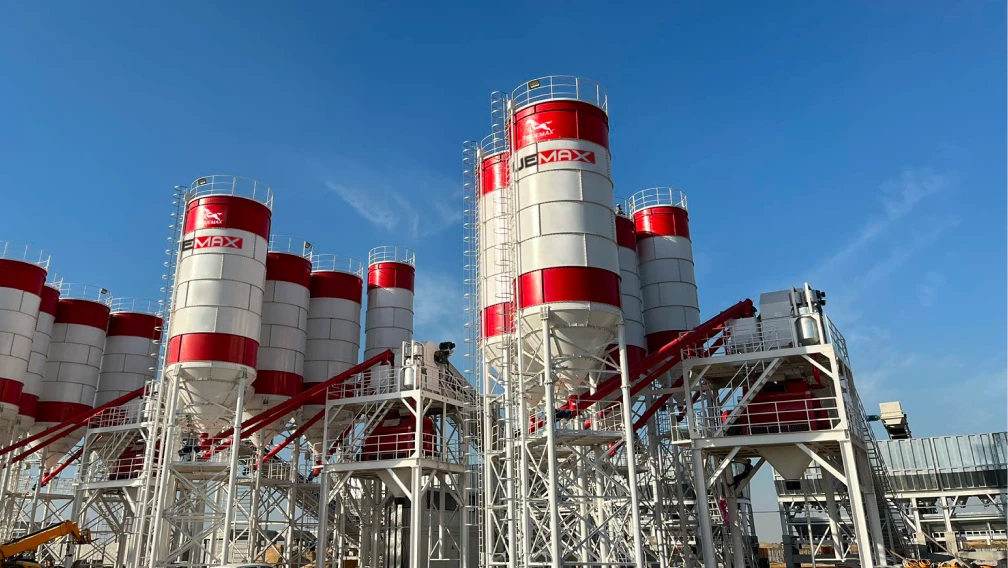
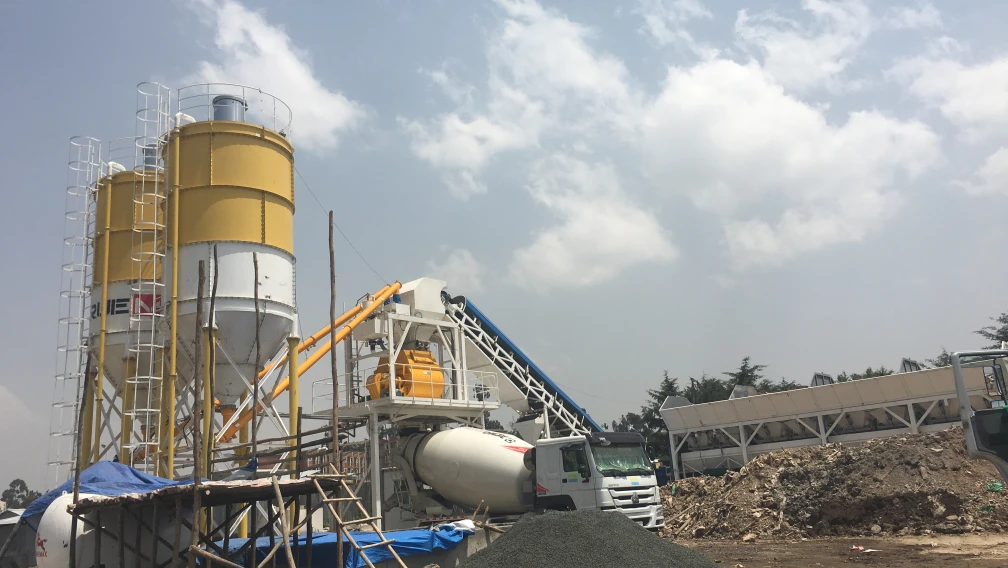
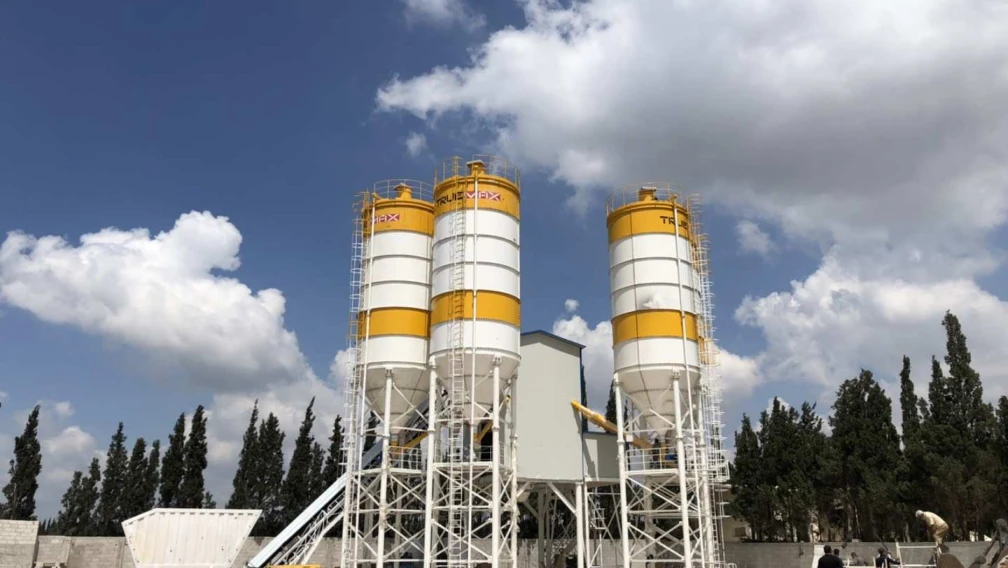
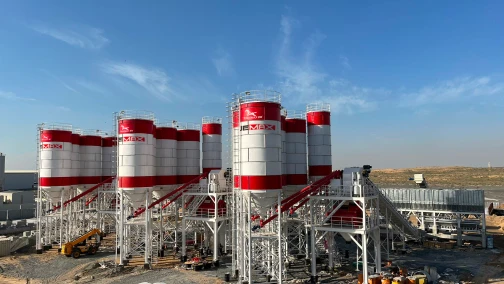
To safely utilize recycled materials, the batch plant must be equipped with advanced environmental controls. Stockyards housing RCA must feature continuous high-volume sprinkler networks. The crushed concrete must be soaked for a minimum of 48 hours to ensure the internal capillary pores of the old mortar are entirely filled with water.
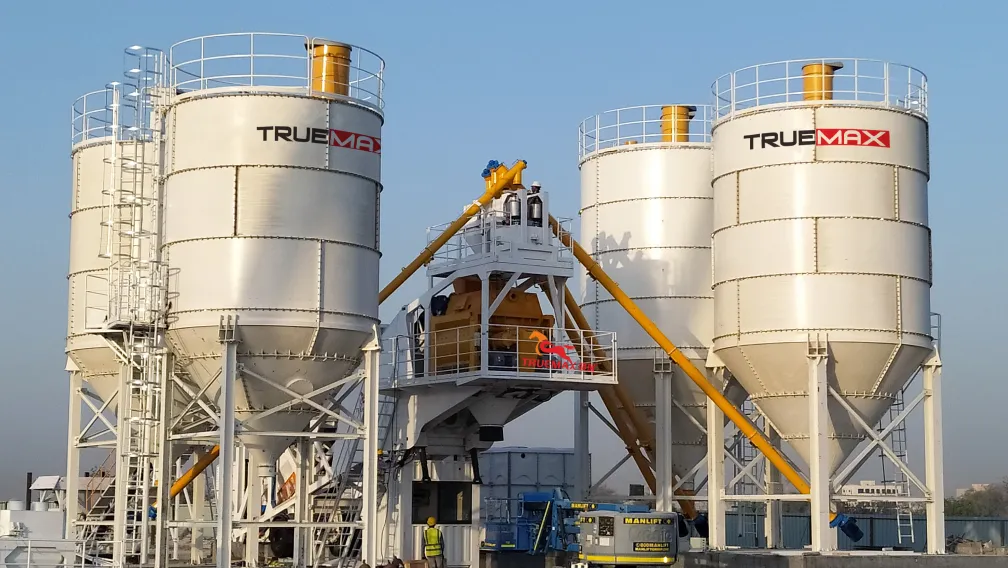
Because the stockpiles are kept artificially wet, the moisture content entering the weigh hoppers fluctuates constantly. Legacy batch plants relying on manual water adjustments cannot process RCA reliably. The facility must integrate advanced microwave moisture sensors directly into the aggregate discharge gates. These sensors measure the exact dielectric constant of the wet RCA in real-time. The plant's Programmable Logic Controller (PLC) instantly calculates the internal moisture weight, deducts it from the target aggregate weight, and proportionally reduces the liquid water dosage. This absolute precision prevents the mix from either flashing dry or suffering severe strength loss due to an uncontrolled water-to-cement ratio.
4. Twin-Shaft Mixing Kinetics with Fragile Secondary Aggregates
The residual mortar adhered to recycled aggregates is mechanically weaker than virgin rock. During the homogenization process, the aggregates are subjected to extreme impact and shear forces. If the mixing action is too violent or prolonged, the old mortar will fracture and break off from the host stone.
This fracturing creates a sudden spike in ultra-fine dust particles within the mix. An excess of fines drastically increases the total surface area that must be coated by cement paste, instantly increasing the water demand and reducing the overall structural strength of the concrete. To mitigate aggregate degradation, operators utilize a heavy-duty twin-shaft horizontal mixer. The twin-shaft design provides highly efficient three-dimensional material exchange without relying on excessive rotational speeds. The operator must program the PLC to execute a precise, shortened compulsory mixing cycle (typically 45 to 60 seconds) to achieve total homogenization before the RCA particles begin to fracture under the mechanical shear of the cast-iron paddles.
5. Rheological Adjustments and Polycarboxylate Superplasticizers
Even with rigorous pre-saturation, RCA concrete inherently possesses a higher plastic viscosity and yield stress than standard mixes. The angular, rough surface texture of crushed concrete increases internal friction between particles.
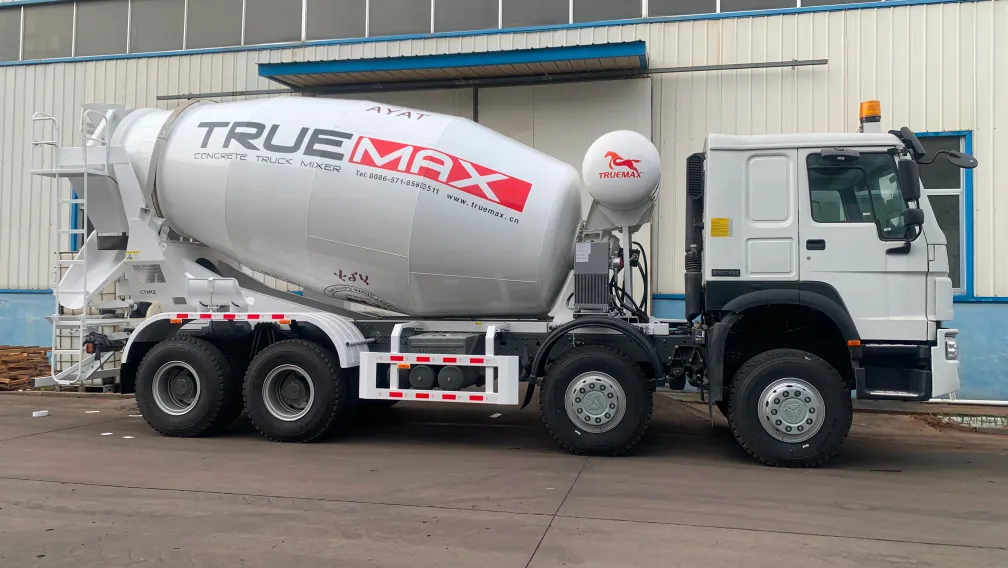
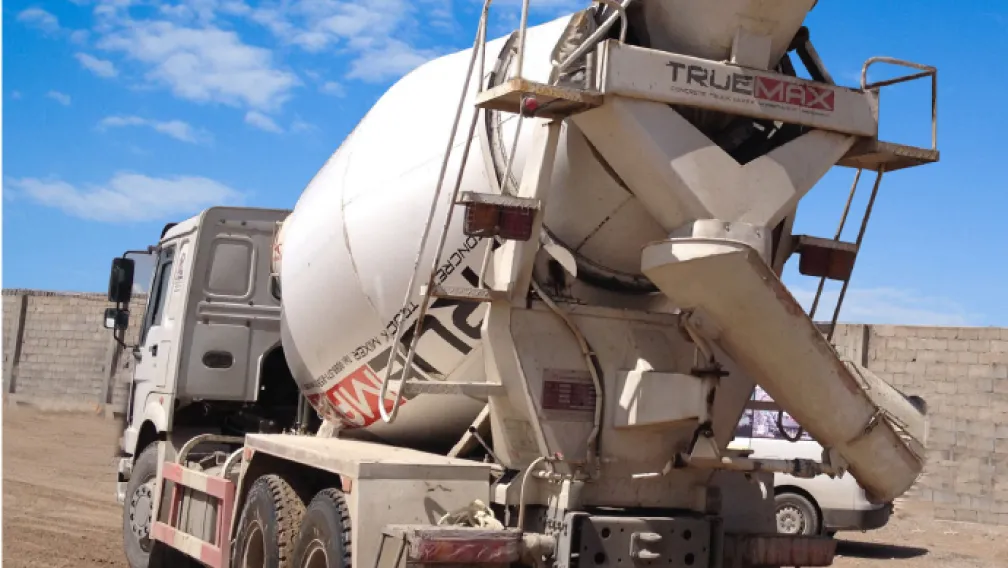
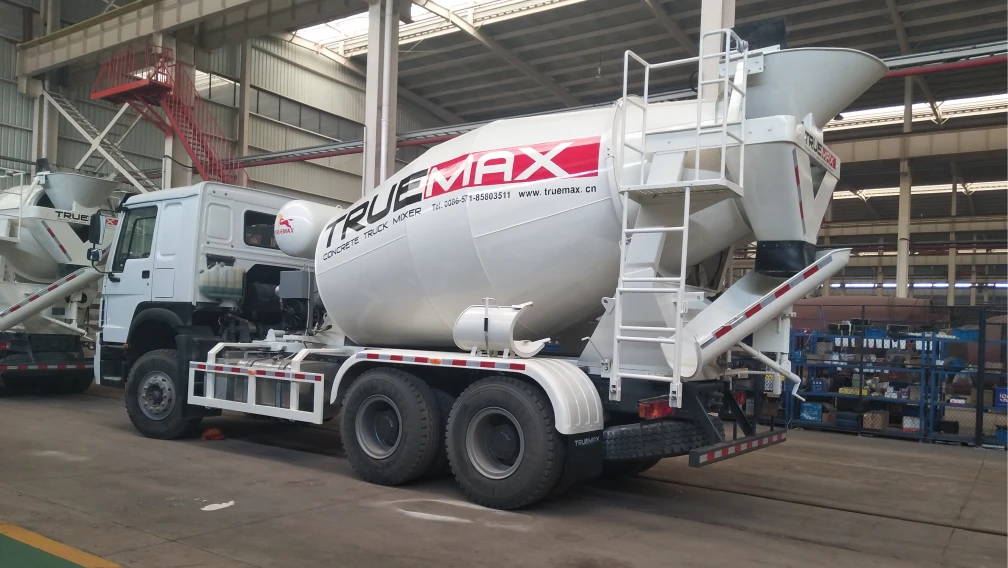
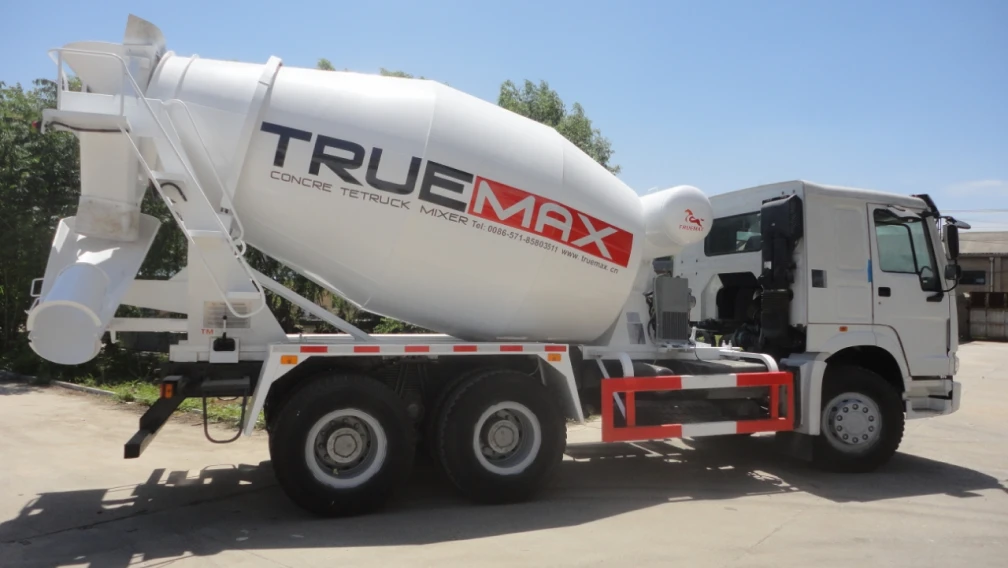
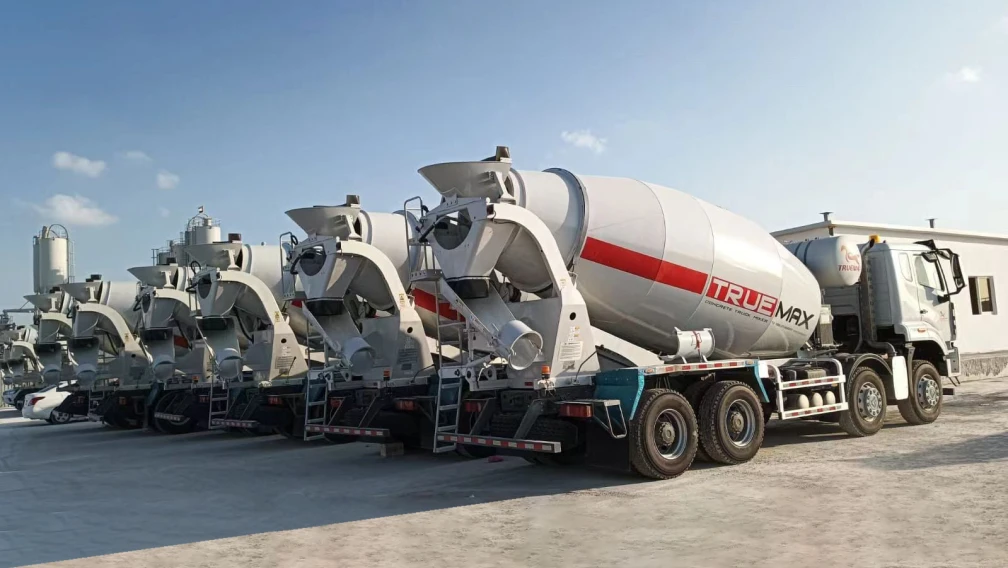
To maintain flowability during transit, fleet managers heavily dose the mix with advanced chemical admixtures. Polycarboxylate Ether (PCE) High-Range Water Reducers are injected into the mix to provide a steric hindrance effect, forcing the cement particles to repel each other and artificially restoring the slump without adding excess water. The Concrete Truck Mixer must maintain continuous, slow drum agitation (2 to 3 revolutions per minute) during the journey to the jobsite. Rapid agitation must be strictly avoided, as the grinding action inside the truck drum will further crush the fragile RCA particles, generating heat and causing rapid slump loss before discharge.
6. Concrete Pump Hydraulics and Line Friction Constraints
Pumping RCA concrete requires conservative equipment configurations. The angularity of the crushed stone and the inherent stickiness of the modified paste generate massive frictional drag against the internal walls of the delivery pipeline.
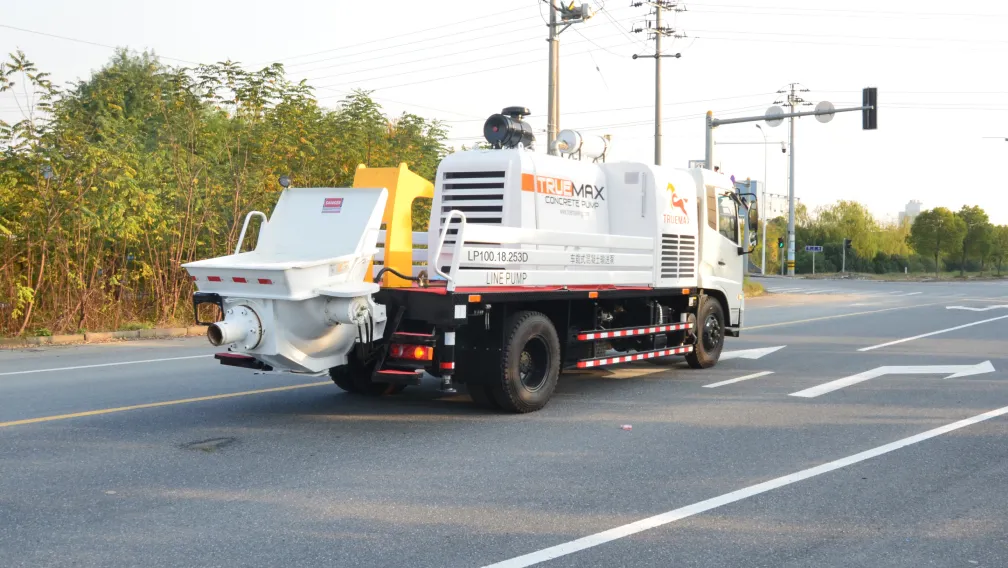
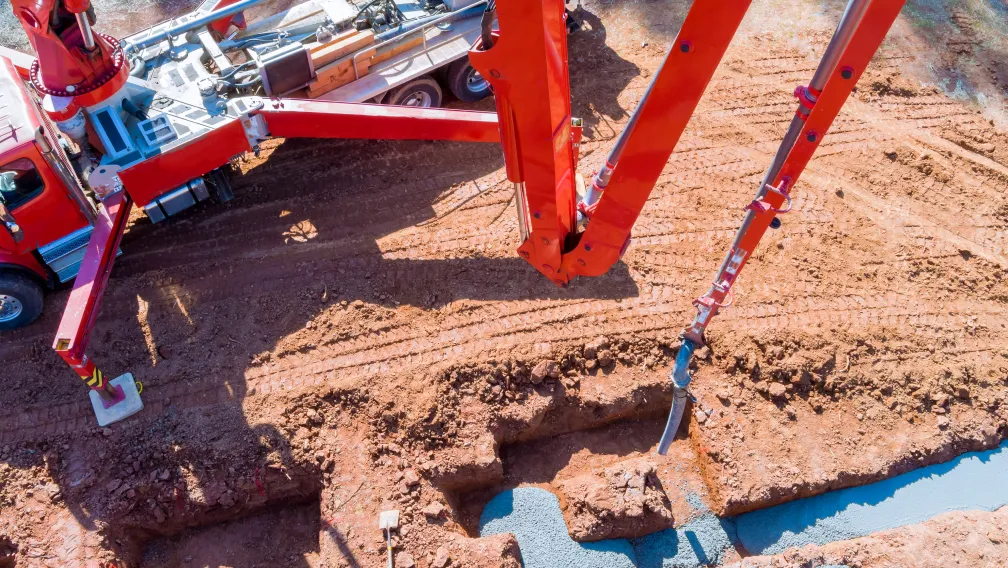
Operators utilizing a Stationary Concrete Pump must configure the hydraulic circuit to high-pressure (piston-side) drive mode to overcome this extreme pipeline resistance. However, applying high pressure carries severe risks. If the RCA was not perfectly saturated at the batch plant, the intense hydraulic pressure (often exceeding 150 bar) will force the remaining mixing water into the aggregate pores. This pressure-induced absorption instantly dries out the paste, causing the coarse aggregates to lock together into a solid mechanical plug.
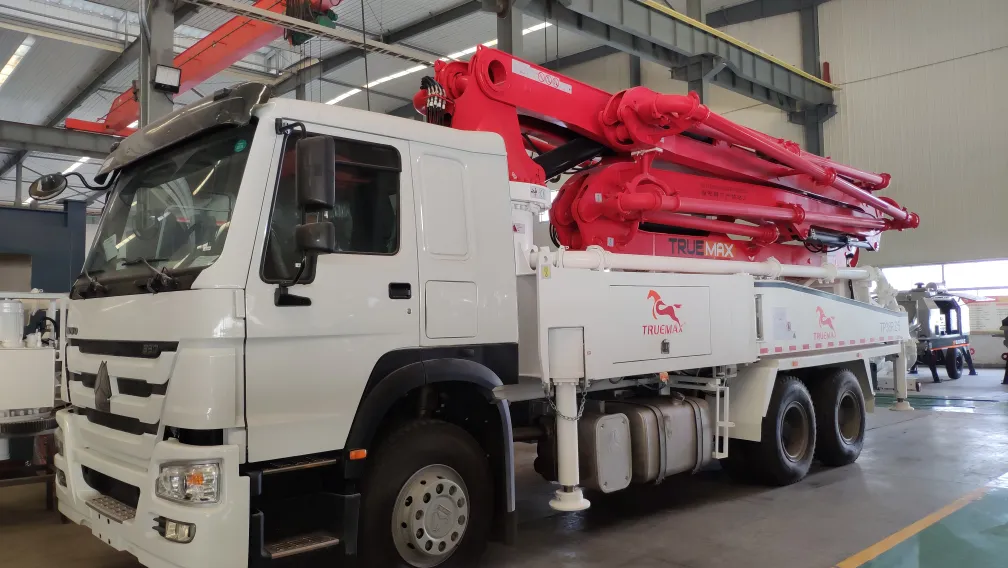
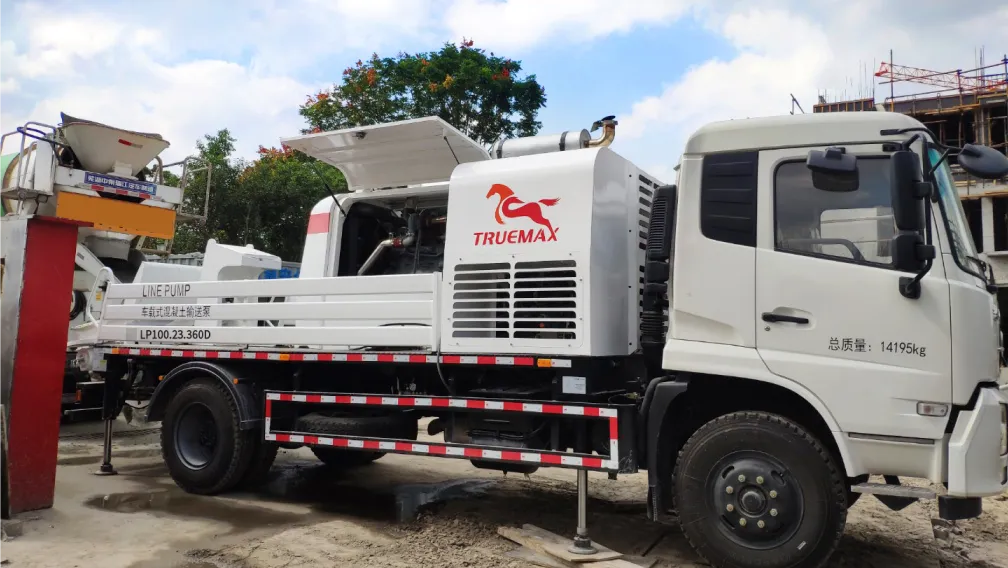
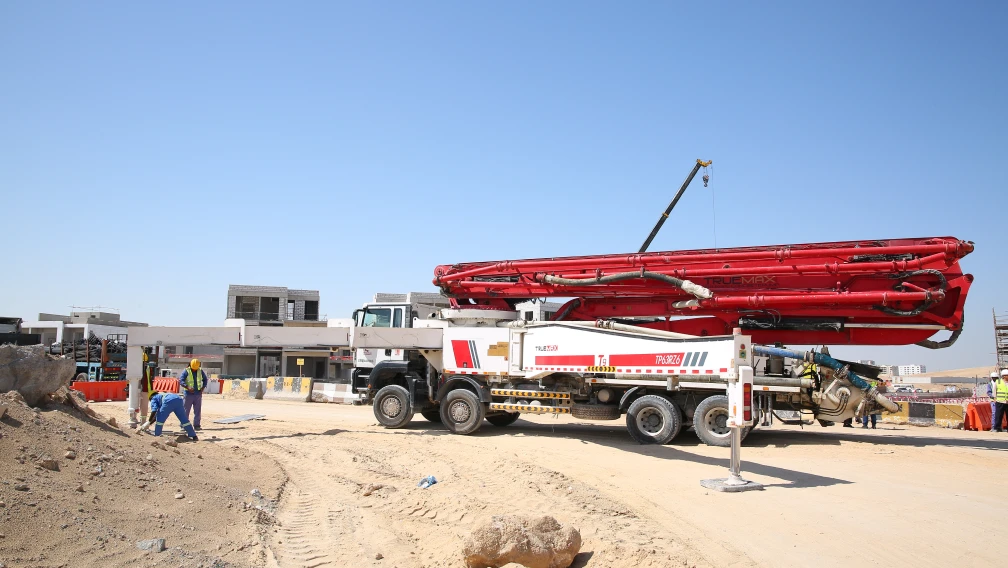
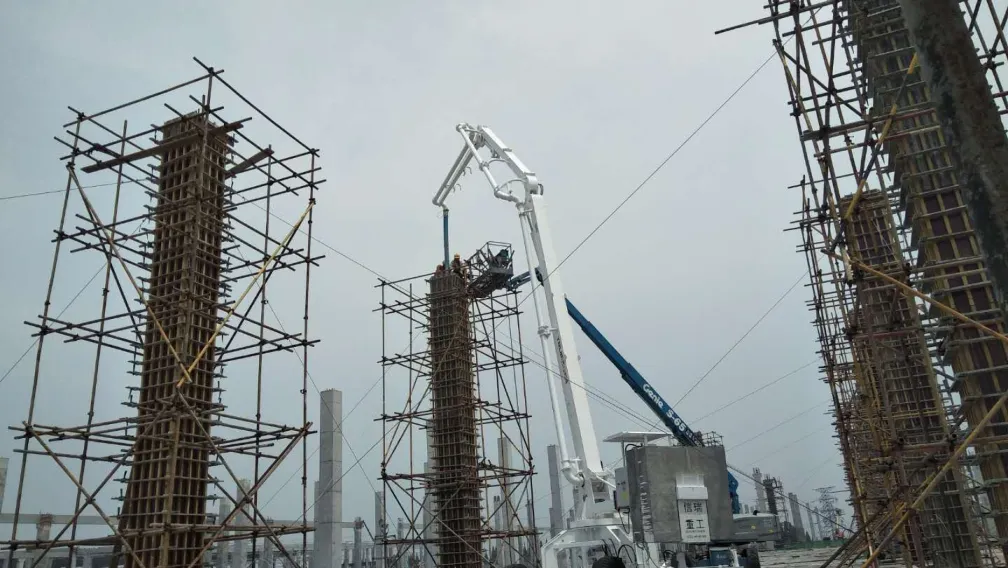
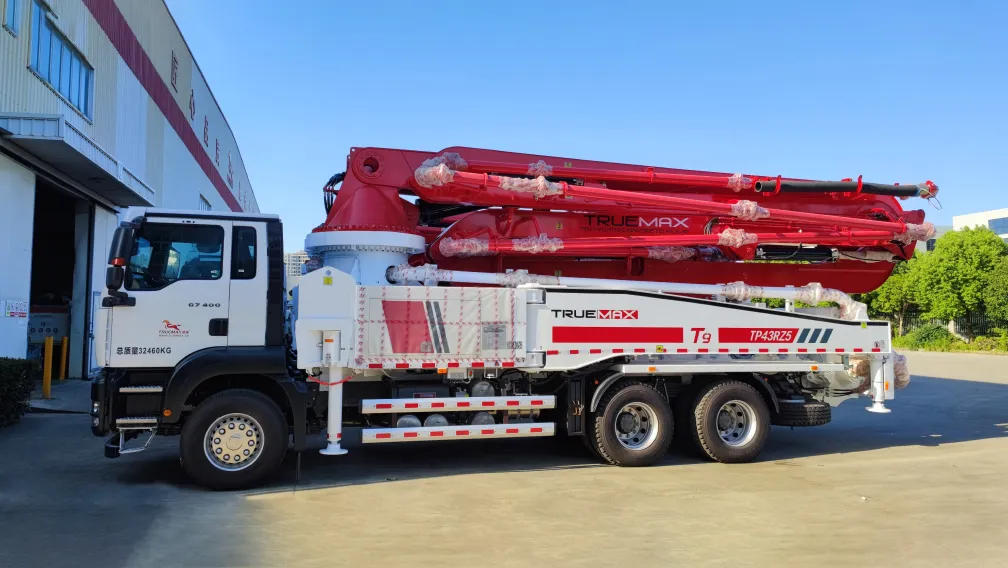
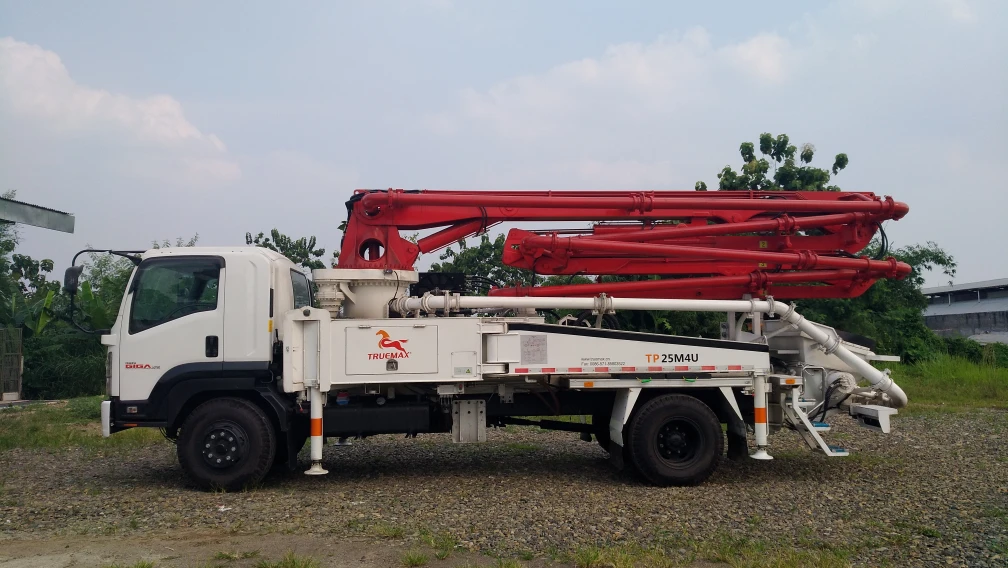
To prevent explosive line blockages, structural engineers mandate the use of oversized delivery pipelines. Standard 125 mm (5-inch) pipes are replaced with 150 mm (6-inch) heavy-wall steel pipes. The larger internal diameter significantly lowers the flow velocity and reduces the aggregate-to-wall contact area, cutting the total friction resistance per cubic meter. When distributing RCA using a Truck-Mounted Boom Pump, operators must pump at reduced volumetric speeds (30 to 40 percent of maximum output) to prevent violent pressure spikes and severe boom bounce caused by the high-viscosity material navigating the 90-degree articulating elbows.
7. Frequently Asked Questions
Q1: What is the maximum percentage of RCA that can be used in structural concrete?
A: For load-bearing structural applications, most international building codes restrict RCA replacement to 20 to 30 percent of the total coarse aggregate volume. Exceeding this limit generally results in unacceptable decreases in compressive strength, higher shrinkage rates, and increased structural creep over time.
Q2: Why does RCA cause concrete to lose slump so quickly?
A: RCA is covered in old, highly porous cement mortar. If the aggregates are not pre-soaked to a Saturated Surface Dry (SSD) state, these microscopic pores act as a sponge, violently absorbing the free mixing water from the fresh concrete and immediately destroying its workability.
Q3: Can recycled concrete aggregates be used in an automated dry-batch plant?
A: Using RCA in a dry-batch operation is highly risky. Dry-batching relies on the transit mixer drum to homogenize the material. The extended, high-speed tumbling required to mix the concrete in the truck will physically crush the fragile RCA particles, generating excess dust and ruining the mix design before the truck reaches the jobsite.
Q4: Why do I need a 150 mm (6-inch) pipeline to pump RCA concrete?
A: RCA concrete has a higher plastic viscosity and internal friction due to the rough, angular shape of the crushed stones. A 150 mm pipeline provides a larger internal volume, which slows the flow velocity and drastically reduces the radial friction against the steel walls, preventing pressure-induced blockages.
Q5: How do microwave moisture sensors improve RCA batching?
A: Because RCA must be kept continuously wet in the stockyard, its moisture content fluctuates wildly. Microwave sensors read the exact internal water content of the aggregate in real-time as it falls into the weigh hopper, allowing the plant computer to deduct the exact amount of water from the liquid scale to prevent over-hydration.
Q6: What happens if a concrete pump is run at maximum speed with RCA?
A: Pumping RCA at maximum volumetric speed generates extreme hydraulic pressure spikes. This sudden pressure forces the liquid cement paste into the aggregate pores, instantly drying out the mix. The sudden loss of lubrication causes the angular stones to interlock, forming a catastrophic mechanical plug that can rupture the pipeline.
8. Technical Equipment Consultation
Integrating recycled materials into your commercial concrete operation requires specialized material handling, precision moisture sensors, and robust pumping hydraulics. For customized batch plant automation upgrades, high-capacity twin-shaft mixers, and heavy-duty 150 mm pipeline configurations tailored for RCA processing, submit your operational parameters to the Truemax engineering team to receive a comprehensive technical proposal within 24 hours.
-

TrueMax
Concrete & Construction Equipment ManufacturerEstablished in 2003, Truemax designs, manufactures, and delivers concrete pumping equipment, crushing machinery, and construction hoisting systems from our own factory in Haining, China to jobsites in over 120 countries.