

 LANGUAGE
1. The Mechanical Challenges of Vertical Downward Concrete Delivery
Subterranean infrastructure projects, including hydroelectric caverns, deep subway stations, and underground mining operations, frequently require concrete to be transported hundreds of meters below the surface batching location. While engineers traditionally focus on the extreme hydraulic pressures required to pump concrete upward into high-rise structures, vertical downward delivery introduces a fundamentally different and equally severe set of fluid dynamic challenges.
When wet concrete descends through a vertical pipeline, gravity accelerates the mass. Because concrete possesses a high density of approximately 2,400 kilograms per cubic meter, the downward gravitational force often exceeds the volumetric output of the surface pumping equipment. This speed differential creates a dangerous physical phenomenon known as negative pressure or vacuum separation. If the mechanical constraints of the pipeline do not actively resist the falling material, the concrete will exceed its terminal velocity, shatter its internal aggregate matrix, and arrive at the subterranean formwork as a segregated, unworkable mixture of dry stones and watery cement paste.
2. Negative Pressure Physics and Vacuum Segregation
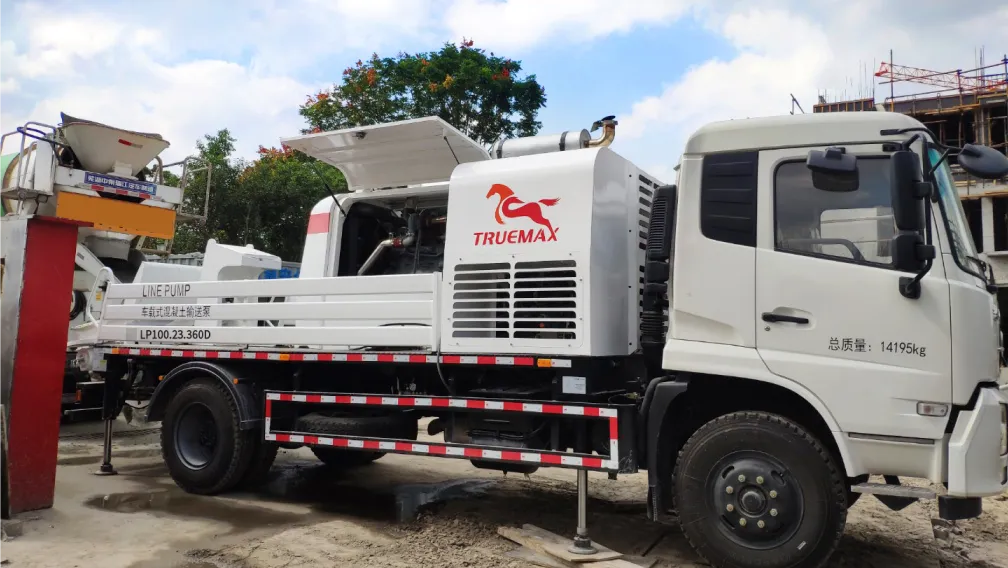
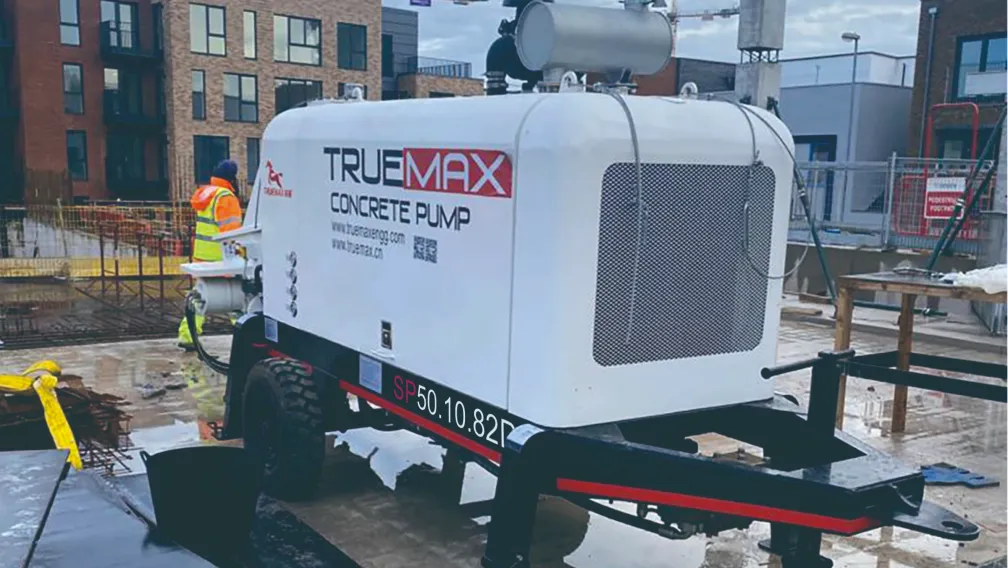
In a standard horizontal or upward pumping layout, the material column is kept fully packed under positive hydraulic pressure supplied by the delivery cylinders of a Stationary Concrete Pump. In a downward layout, the falling concrete pulls away from the slower-moving material behind it. This creates a vacuum void inside the steel pipeline.
When a vacuum forms inside a sealed concrete pipeline, the internal pressure drops drastically. At low atmospheric pressures, the free mixing water inside the cement paste vaporizes (boils) at ambient temperatures—a process similar to mechanical cavitation. This sudden vaporization extracts the lubricating water from the concrete mixture, leaving behind dry, highly abrasive friction plugs. When the S-valve of the surface pump transitions and sends the next pressurized column of concrete crashing into this dry plug, the resulting kinetic shockwave (air hammering) can violently rupture the steel pipe joints and destroy the pipeline support brackets.
3. Engineering Pipeline Resistance: U-Loops and Restrictor Valves
To safely pump concrete downward, structural engineers must artificially induce backpressure to keep the pipeline 100 percent full of material at all times. The gravitational acceleration of the material must be continuously choked so that the descent speed perfectly matches the output cycle of the surface pump.
The most reliable passive engineering solution is the installation of a U-loop (or gooseneck) at the bottom of the vertical shaft. Before the pipeline transitions horizontally into the underground cavern, the steel pipe is routed upward for a mathematically calculated distance before turning back down. The weight of the concrete sitting in the upward section of the U-loop creates a static hydraulic head. For example, a 10-meter high U-loop generates approximately 2.4 bar of constant backpressure against the falling column. This static resistance forces the vertical line to pack full, neutralizing the vacuum effect and ensuring a smooth, continuous flow.
In confined shafts where a physical U-loop cannot be accommodated, contractors install specialized mechanical restrictor valves (pinch valves) at the bottom of the drop line. These hydraulic or pneumatic valves constrict a heavy-duty rubber bladder around the flowing concrete, manually choking the flow rate to maintain continuous positive pressure in the vertical column above.
4. Slickline Systems and Dashpot Velocity Breakers
For extreme deep-mining applications exceeding depths of 300 to 1,000 meters, utilizing a pressurized stationary pump at the surface is often impractical due to the massive static head generated by the vertical column. Instead, mining engineers utilize gravity-fed drop pipes, universally known in the industry as slicklines.
In a slickline system, concrete is simply poured from the surface into an open vertical pipe and allowed to free-fall. To prevent the kinetic energy of the falling concrete from destroying the structural integrity of the mix upon impact, the bottom of the slickline is equipped with a mechanical energy dissipater known as a dashpot.
A dashpot is an enlarged, reinforced steel chamber integrated into a 90-degree elbow at the base of the shaft. During operation, the dashpot intentionally retains a permanent pool of wet concrete. As the free-falling concrete column strikes this internal pool, the liquid mass absorbs the extreme kinetic shock. The energy is safely dissipated as radial turbulence, and the concrete flows gently out of the horizontal exit port without aggregate fracturing or severe paste wash-out.
5. Surface Batching Synchronization and Subterranean Logistics
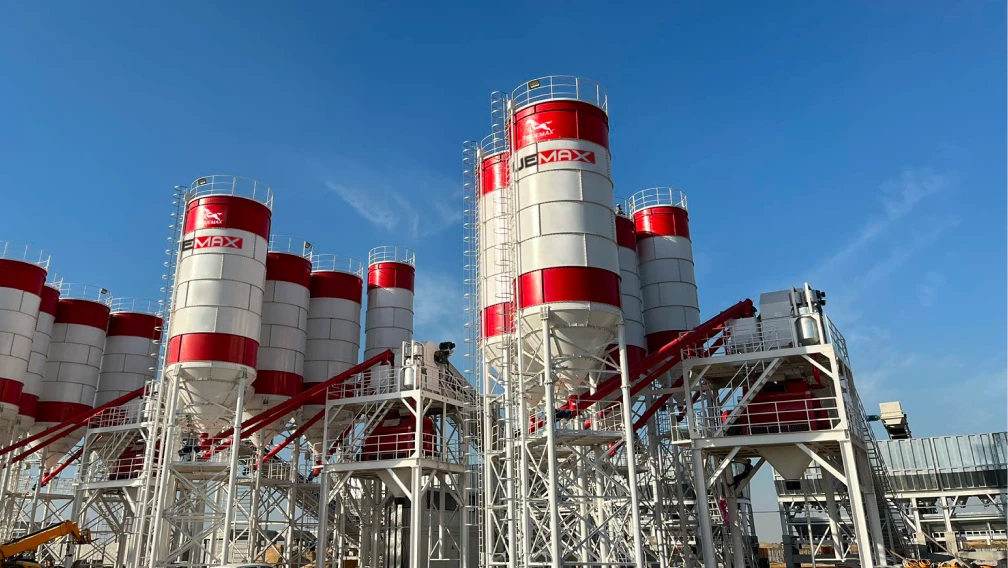
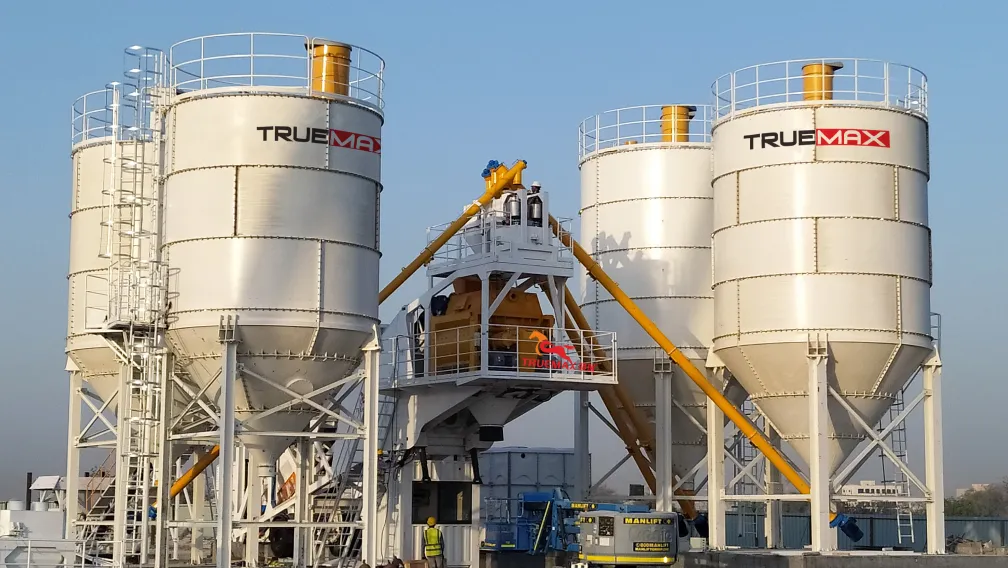
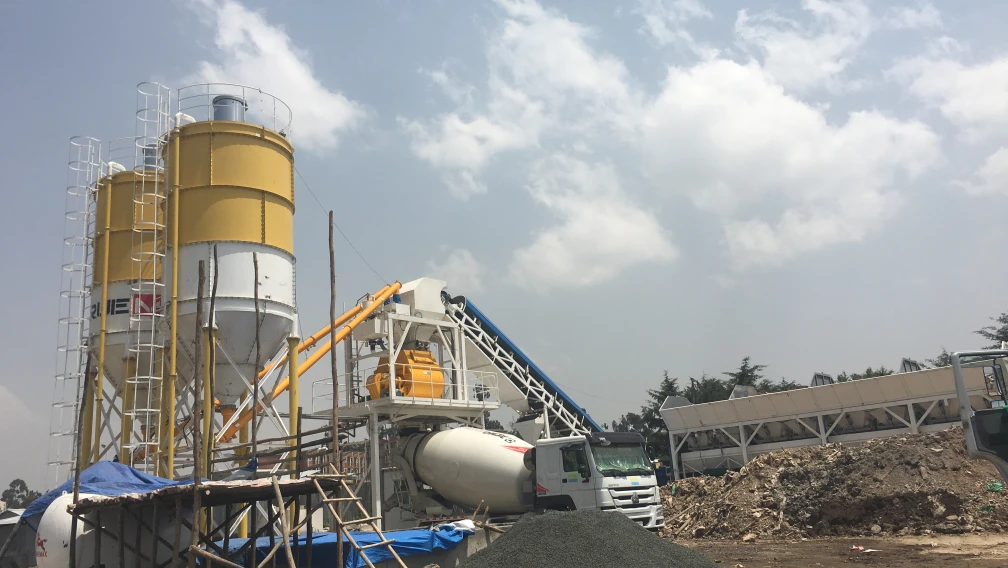
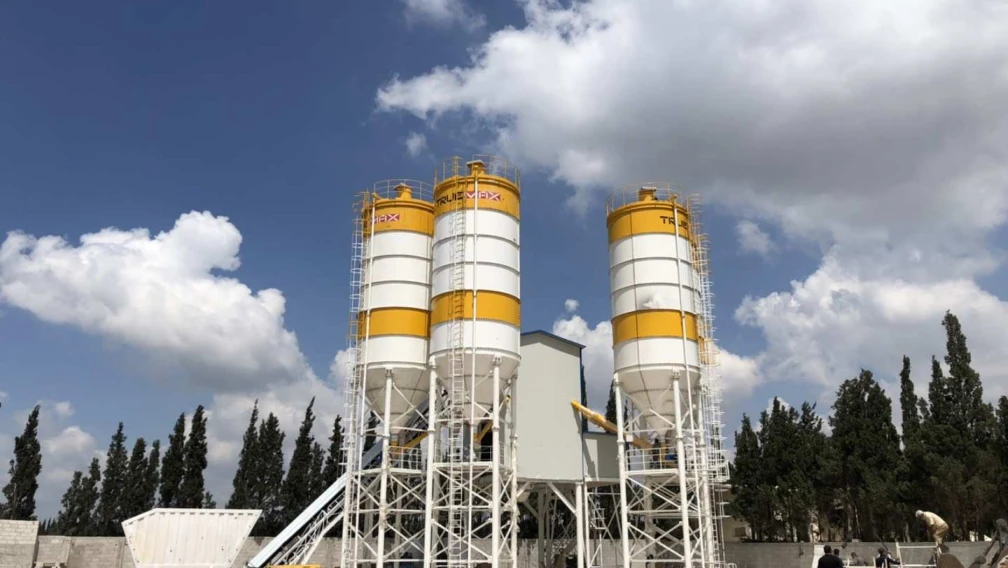
Whether utilizing negative-pressure pumping or gravity-fed slicklines, downward delivery demands absolute logistical synchronization at the surface. A Concrete Batching Plant must produce a highly cohesive mix design. Superplasticizers and viscosity-modifying admixtures (VMAs) are heavily dosed to bind the water tightly to the cement particles, preventing moisture migration during the violent descent.
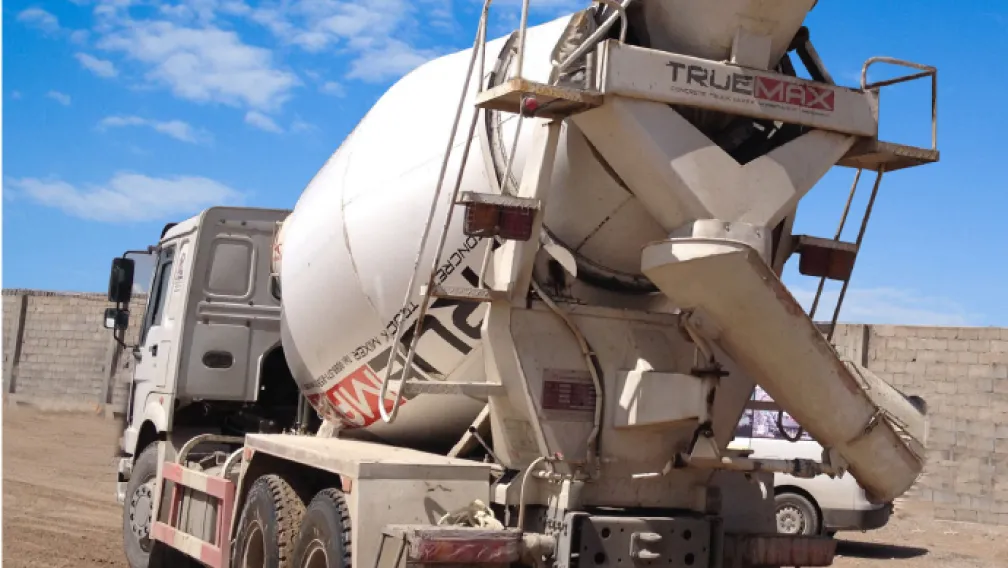
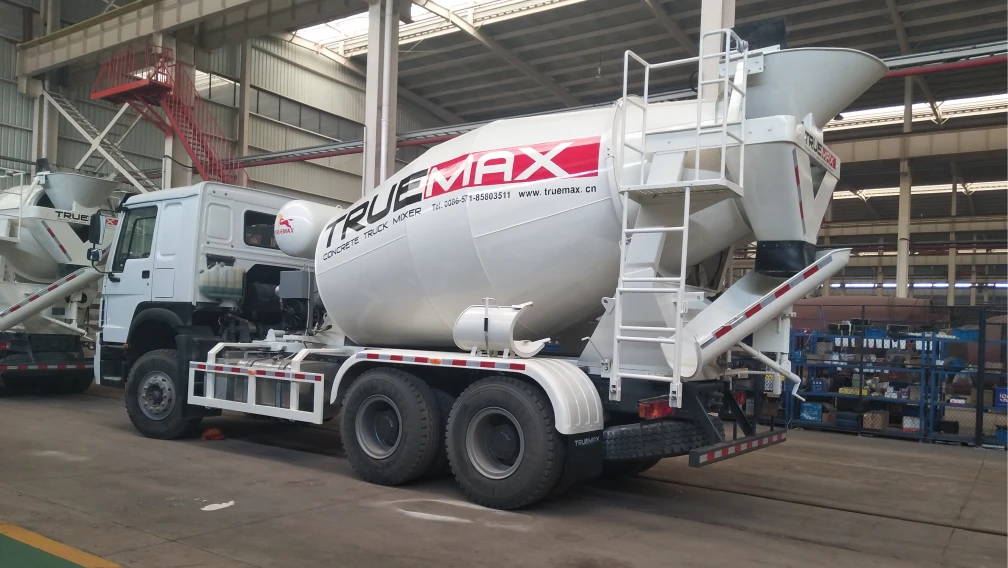
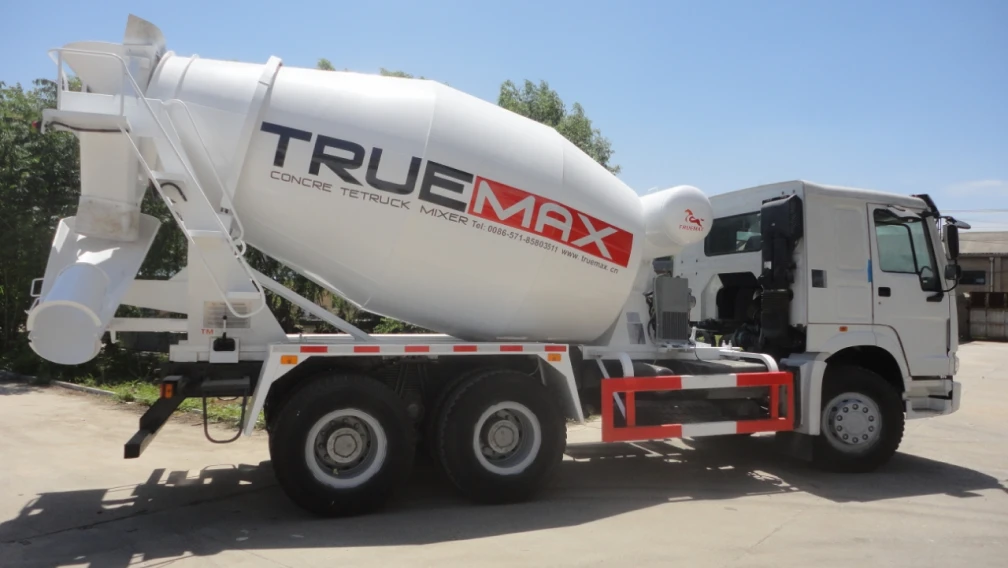
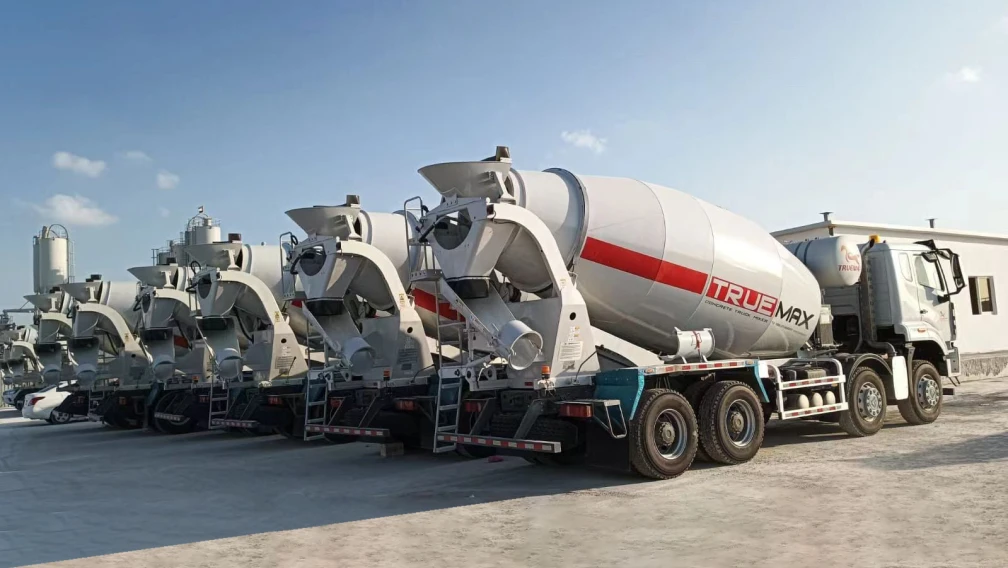
The surface feed loop must remain unbroken. A rotating fleet of Concrete Truck Mixers must continuously discharge into the receiving hopper of the drop pipe or surface pump. If the material flow halts, the concrete inside a vertical slickline will stick to the pipe walls, requiring a dangerous and labor-intensive high-pressure water washout procedure to clear the hundreds of meters of vertical steel piping.
6. Secondary Underground Distribution and Boom Pump Applications
Once the concrete reaches the bottom of the shaft and its kinetic energy is neutralized, it must be distributed to the active tunnel face. In large-scale caverns, the base of the drop line empties directly into underground agitator trucks, which transport the material deeper into the mine.
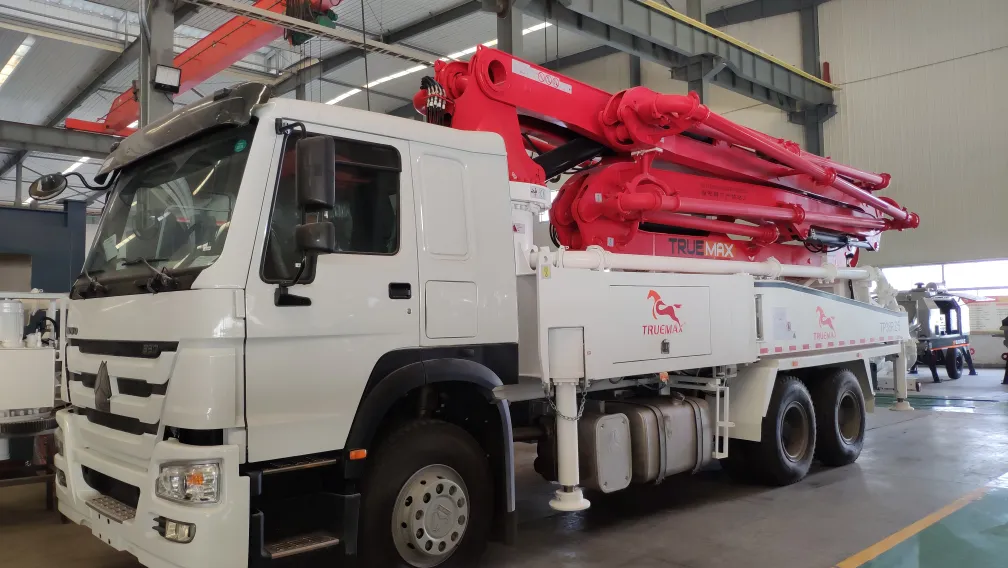
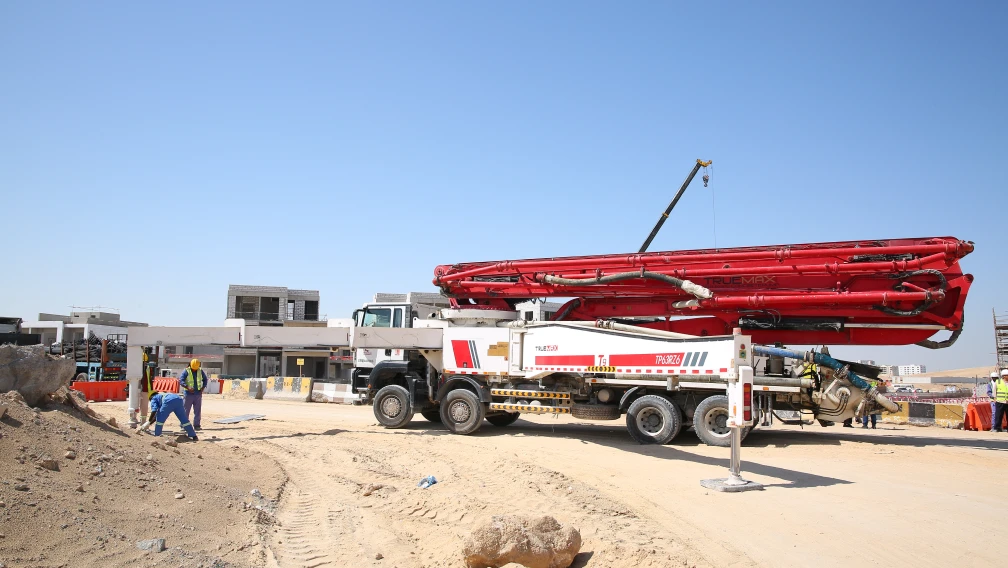
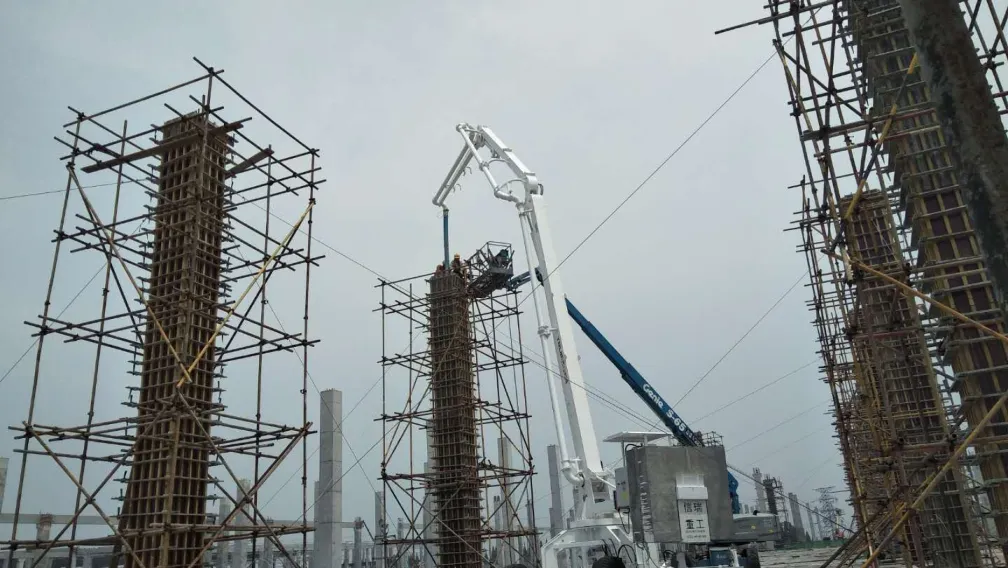
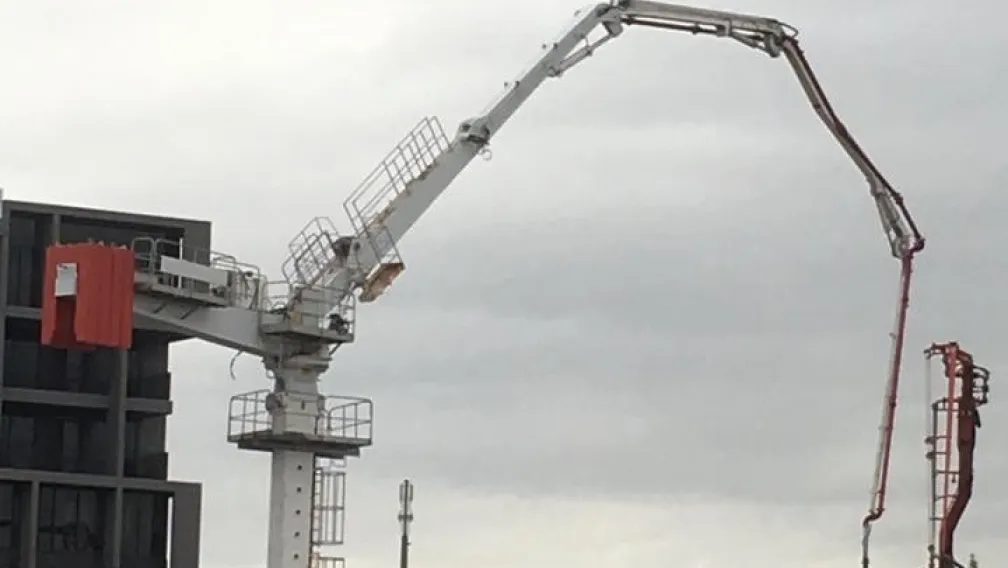
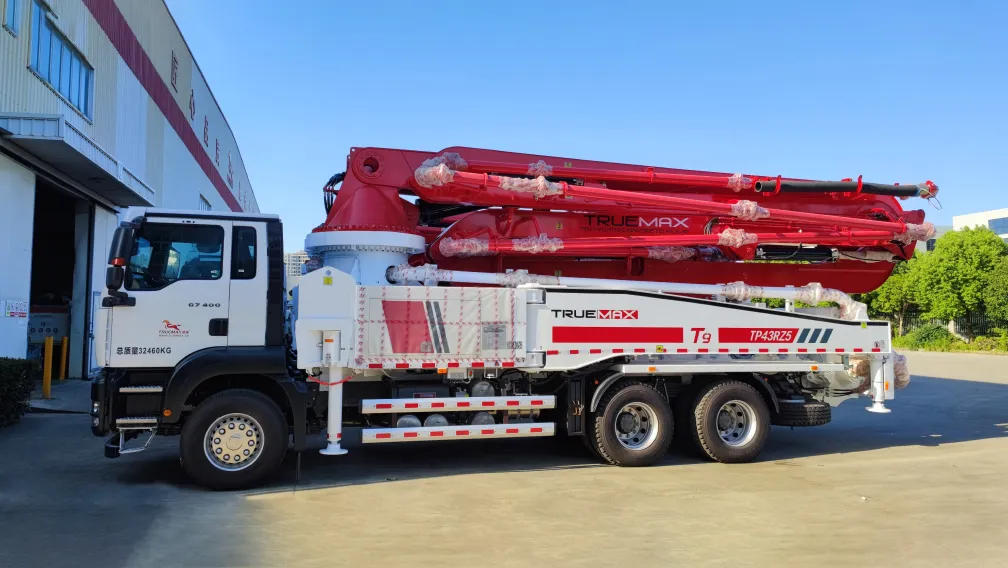
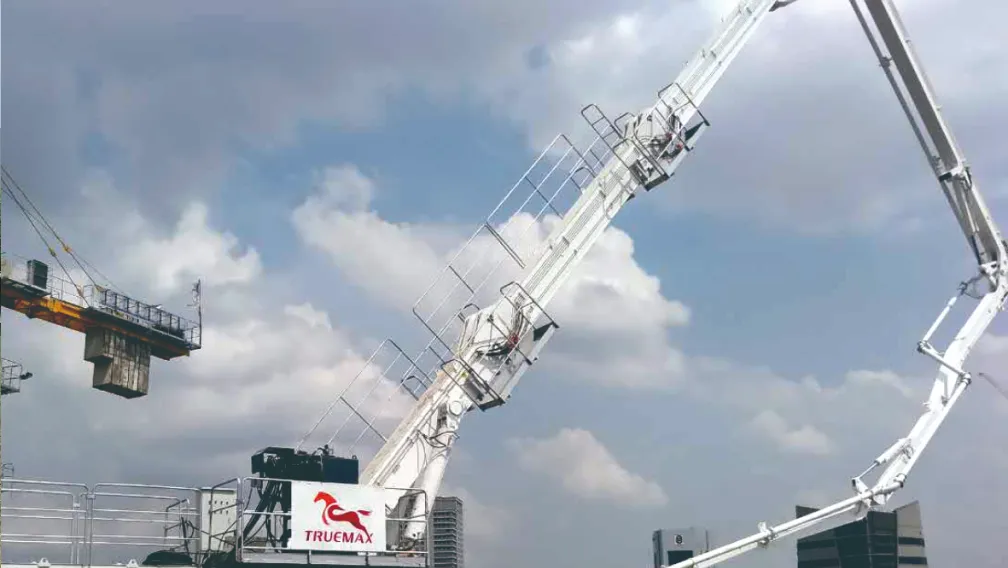
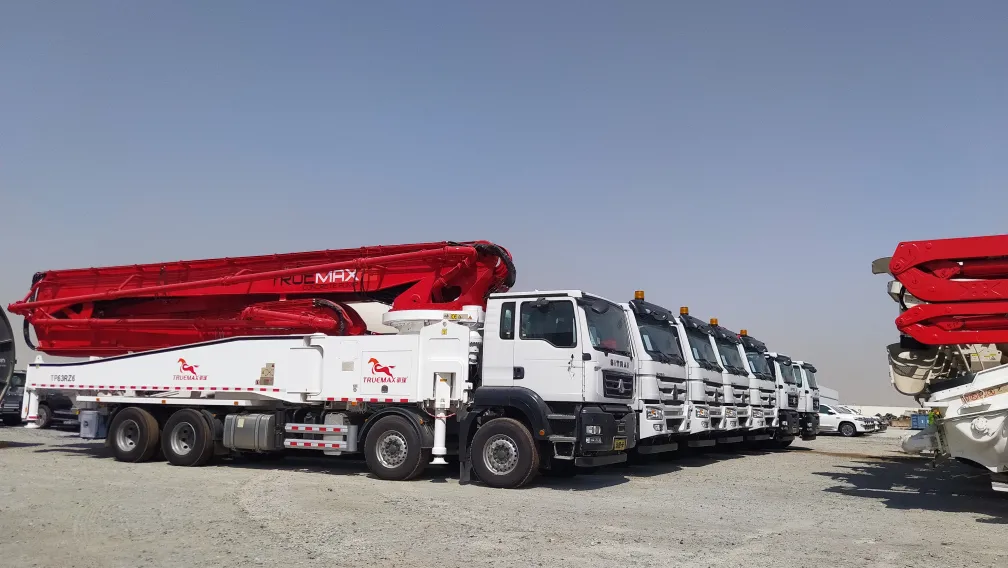
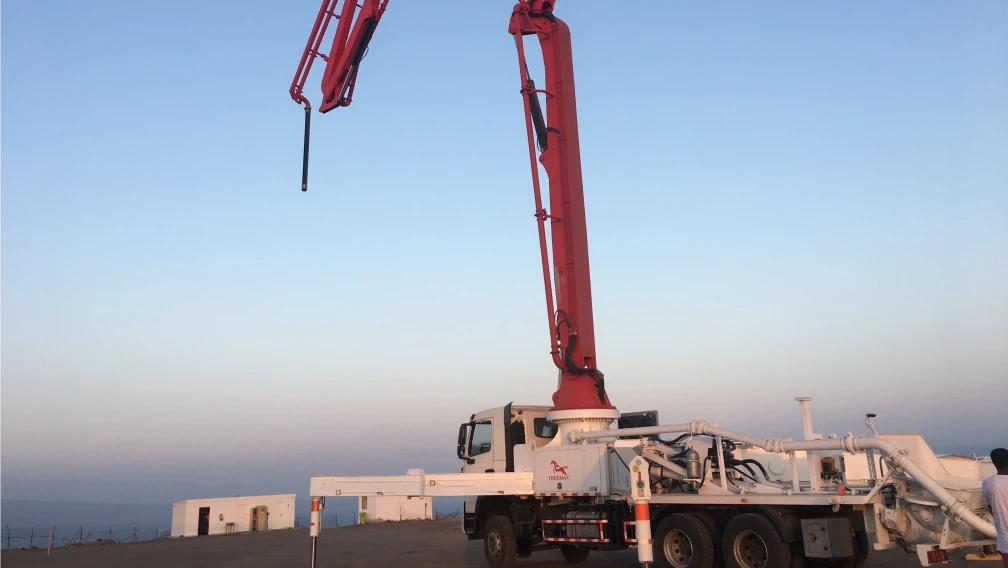
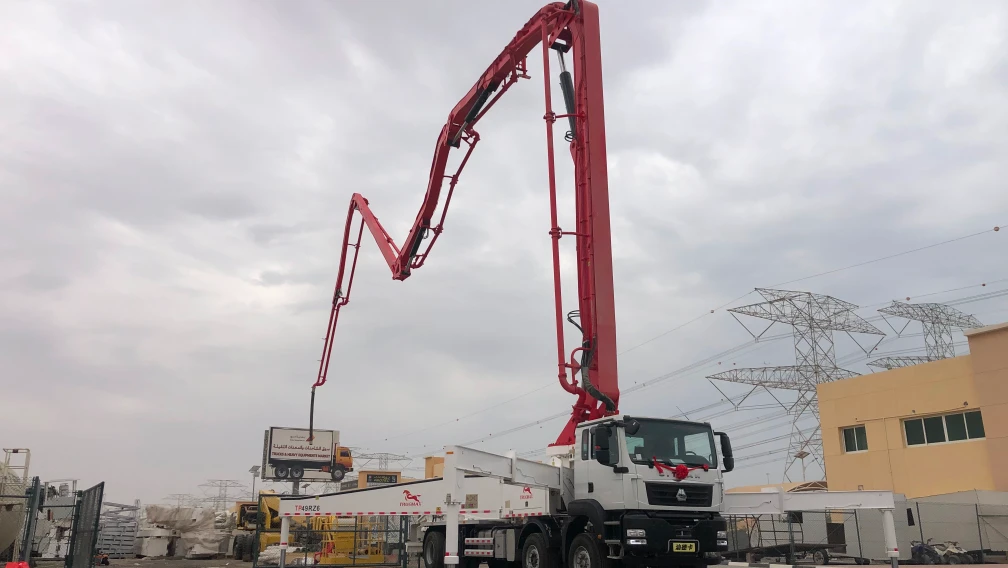
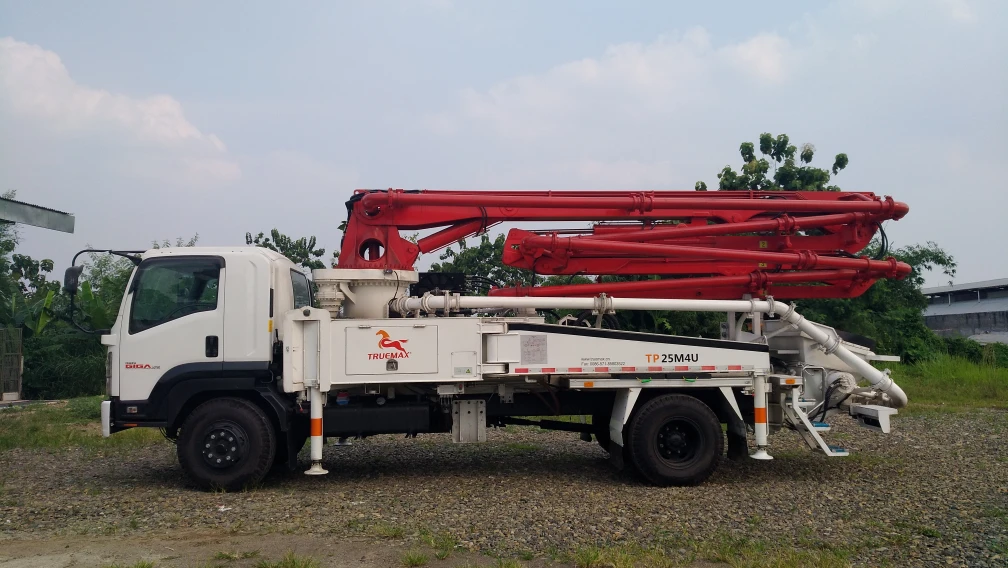
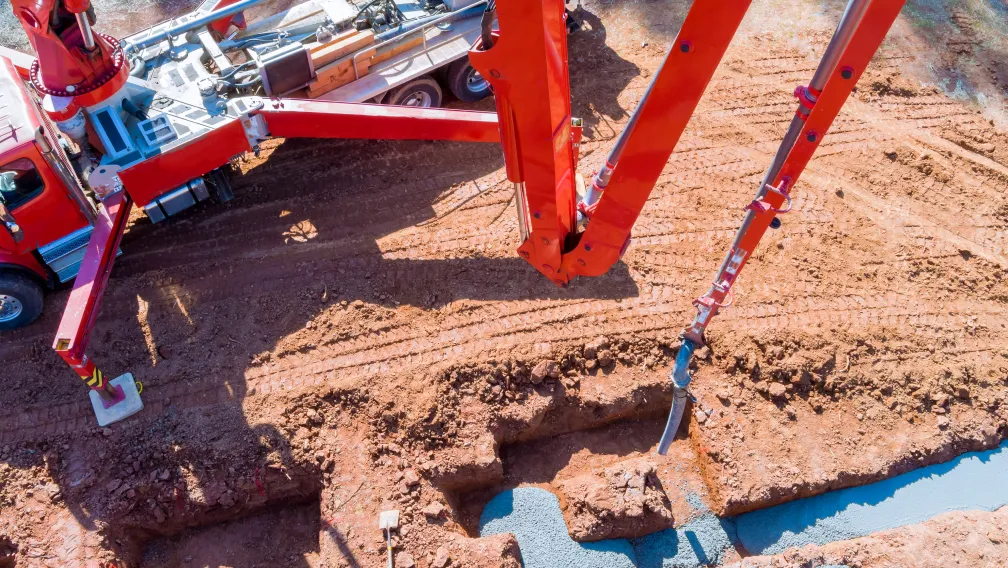
For continuous structural lining operations, the base of the U-loop or dashpot is coupled directly to the hopper of a secondary underground relay pump. Alternatively, in shallow civil excavations (such as 20-meter deep subway boxes), contractors frequently position a Truck-Mounted Boom Pump at street level and articulate the placing mast downward into the excavation pit. Pumping downward with a boom mast introduces the same negative-pressure vacuum risks as a fixed shaft pipeline. To prevent air hammering and explosive discharge at the end hose, operators insert a specialized sponge ball into the nozzle or attach an anti-segregation gate valve at the discharge tip, keeping the descending boom sections artificially packed with pressurized concrete.
7. Frequently Asked Questions
Q1: What causes air hammering in a downward concrete pipeline?
A: Air hammering occurs when gravitational free-fall creates a vacuum void inside the pipe. When the pump cycles and forces the next column of concrete into this void, the trapped air is violently compressed. When the concrete finally impacts the slower-moving material below, the kinetic shockwave causes explosive shuddering that can shatter cast iron pipe clamps and destroy support brackets.
Q2: What is the purpose of a U-loop in a deep shaft concrete drop?
A: A U-loop (or gooseneck) creates artificial static backpressure at the bottom of the vertical run. By forcing the concrete to travel upward against gravity before exiting horizontally, it creates a hydraulic bottleneck that forces the entire vertical pipeline above it to remain 100 percent packed with concrete, thereby preventing vacuum segregation.
Q3: How does a dashpot prevent concrete segregation in a slickline?
A: A dashpot acts as a kinetic energy absorber. Instead of the free-falling concrete striking a bare steel elbow and shattering the aggregate, it strikes a permanent, contained pool of liquid concrete inside the dashpot chamber. This fluid-on-fluid impact dissipates the velocity safely without compromising the chemical binder.
Q4: Why is it dangerous to pump concrete downward with a standard boom pump without precautions?
A: The boom sections pointing downward allow the concrete to slide out faster than the pump cylinders can push it. This creates air pockets in the boom pipe. When the pump catches up, it launches the concrete like a projectile, causing the heavy steel boom mast to bounce violently and creating a severe safety hazard for the hose operator below.
Q5: What mix design modifications are required for vertical drop delivery?
A: The mix must be extremely cohesive. Engineers increase the fines content, reduce the water-to-cement ratio, and utilize Viscosity Modifying Admixtures (VMAs) to bind the free water. This prevents the heavy coarse aggregates from accelerating past the lighter cement paste during the vertical descent.
Q6: How do operators clean a vertical shaft pipeline after a deep pour?
A: The vertical line is cleared utilizing gravity and controlled water pressure. A dense foam cleanout pig is inserted at the surface collar. Water is pumped behind the pig, pushing it down the shaft. The restrictive friction of the oversized foam pig acts as a brake, preventing the water column from free-falling and ensuring the pipe walls are scrubbed clean all the way to the bottom.
8. Technical Equipment Consultation
Designing a safe and highly efficient vertical downward concrete delivery system requires exact mathematical modeling of static head pressures, kinetic energy dissipation, and pipeline friction coefficients. For customized U-loop specifications, high-pressure surface pumping configurations, and specialized anti-segregation valves, submit your shaft depth and tunnel layouts to the Truemax engineering team to receive a comprehensive subterranean integration plan within 24 hours.
-

TrueMax
Concrete & Construction Equipment ManufacturerEstablished in 2003, Truemax designs, manufactures, and delivers concrete pumping equipment, crushing machinery, and construction hoisting systems from our own factory in Haining, China to jobsites in over 120 countries.