

 LANGUAGE

1. The Complexities of Transoceanic Heavy Machinery Logistics
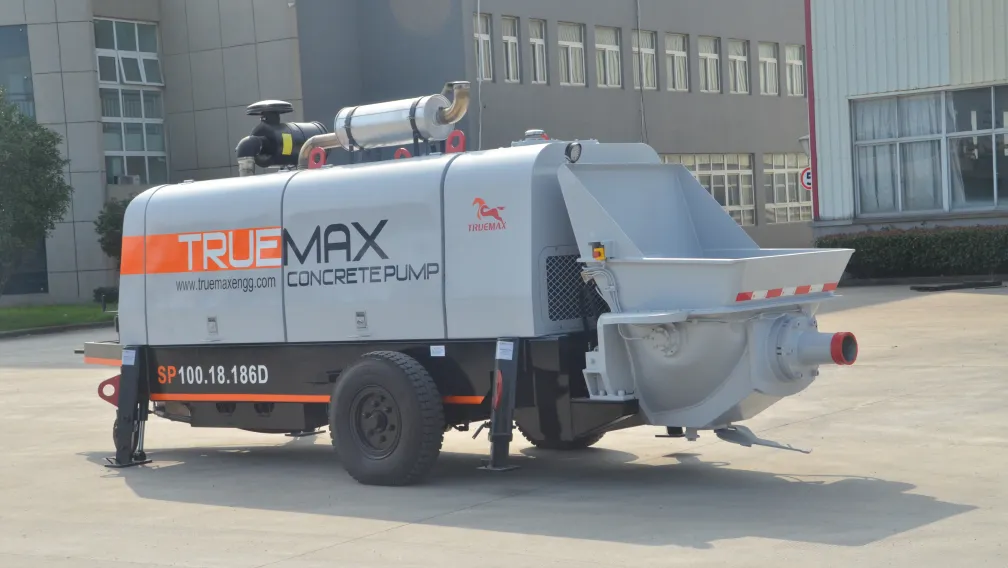
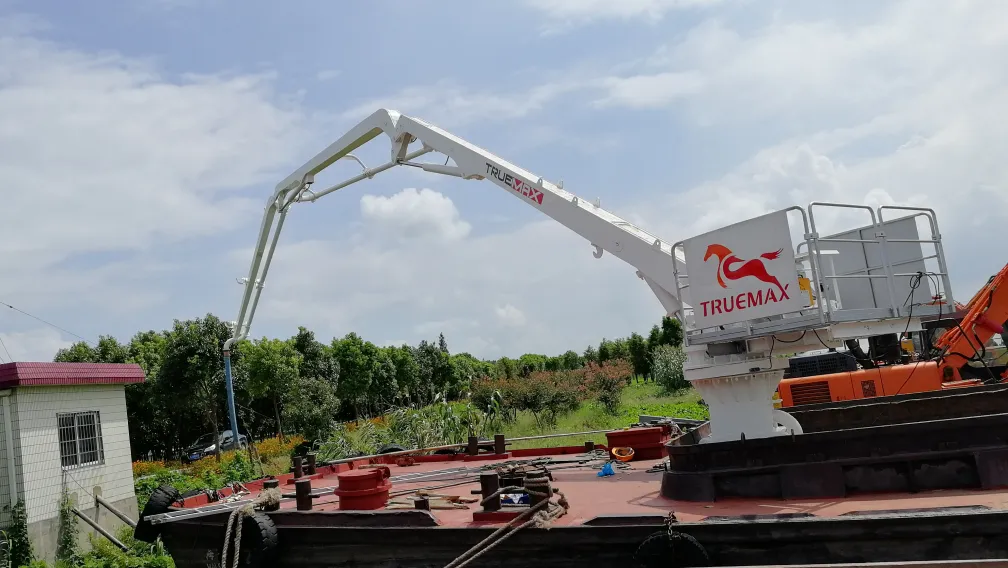
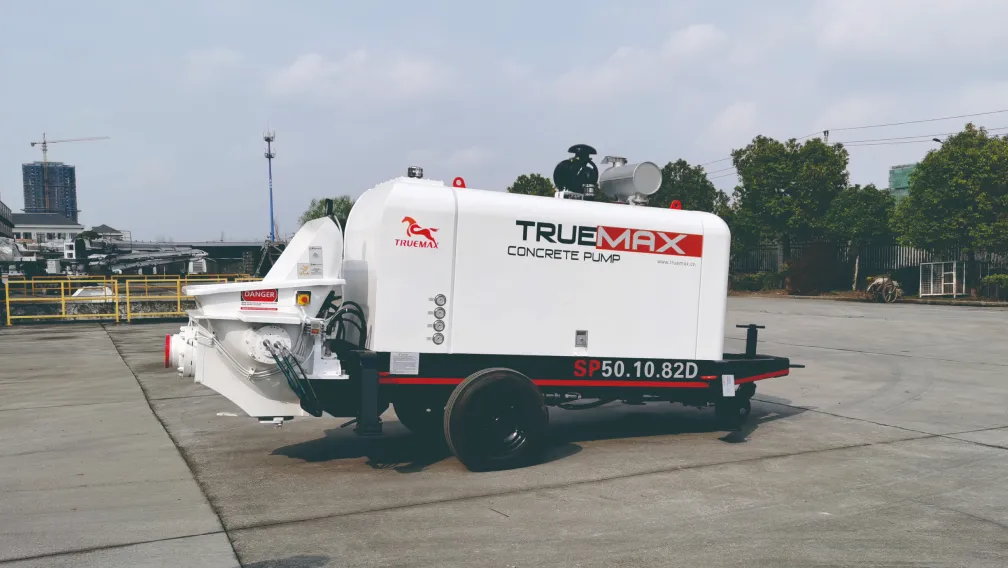
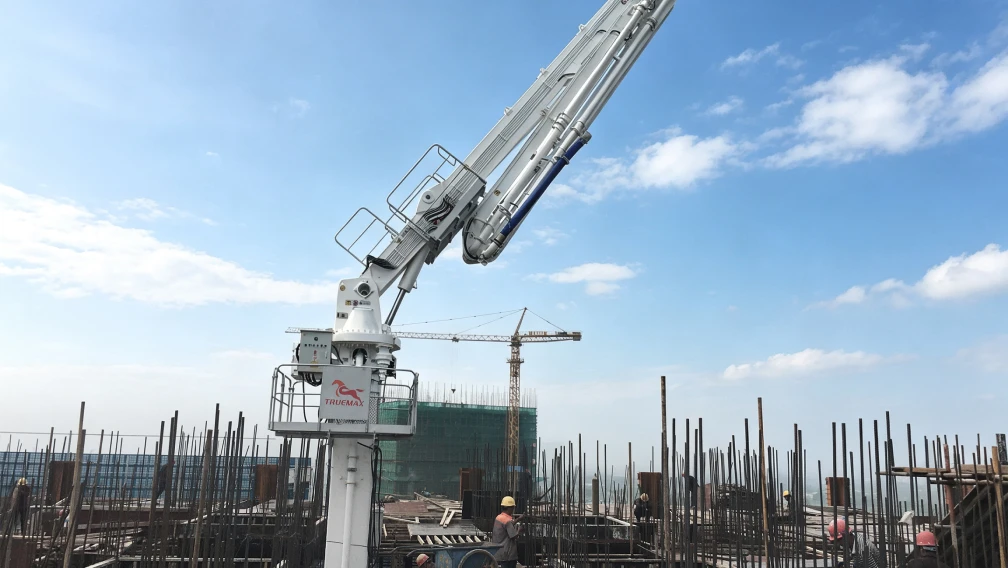
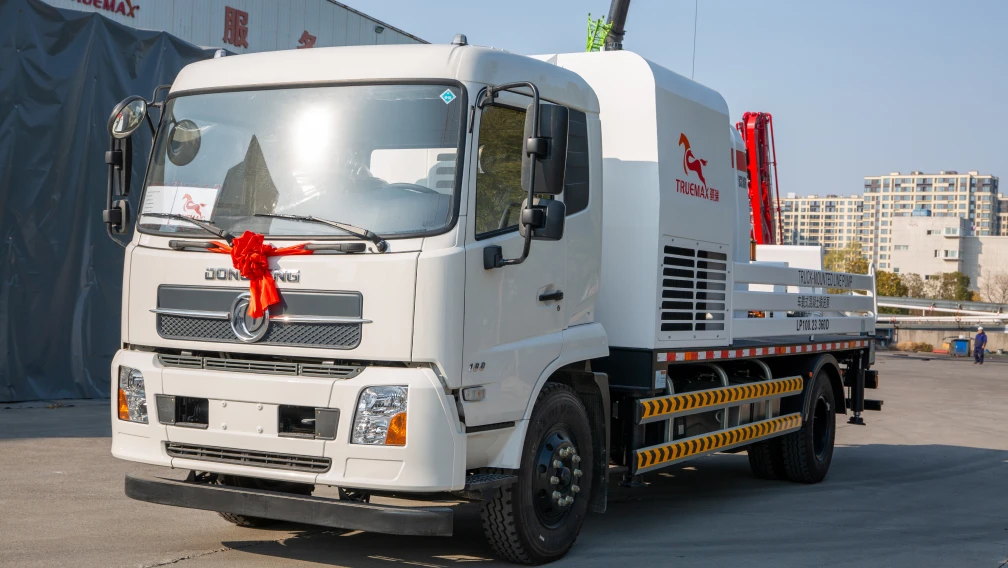
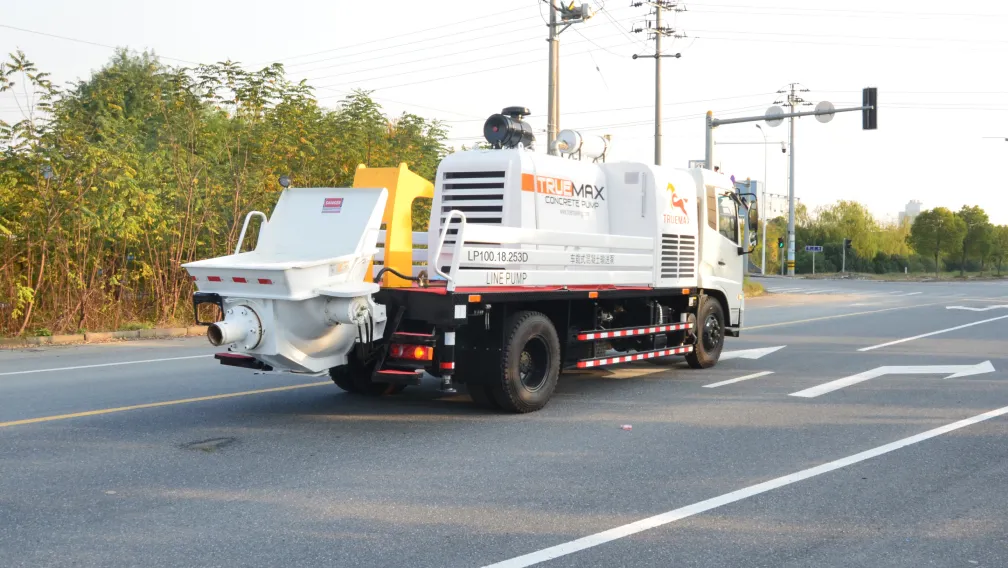
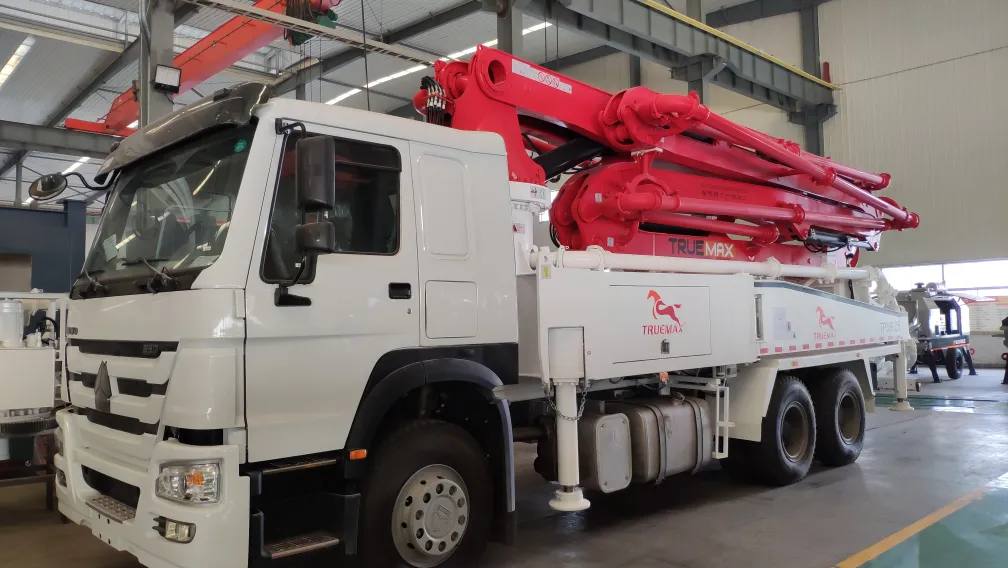
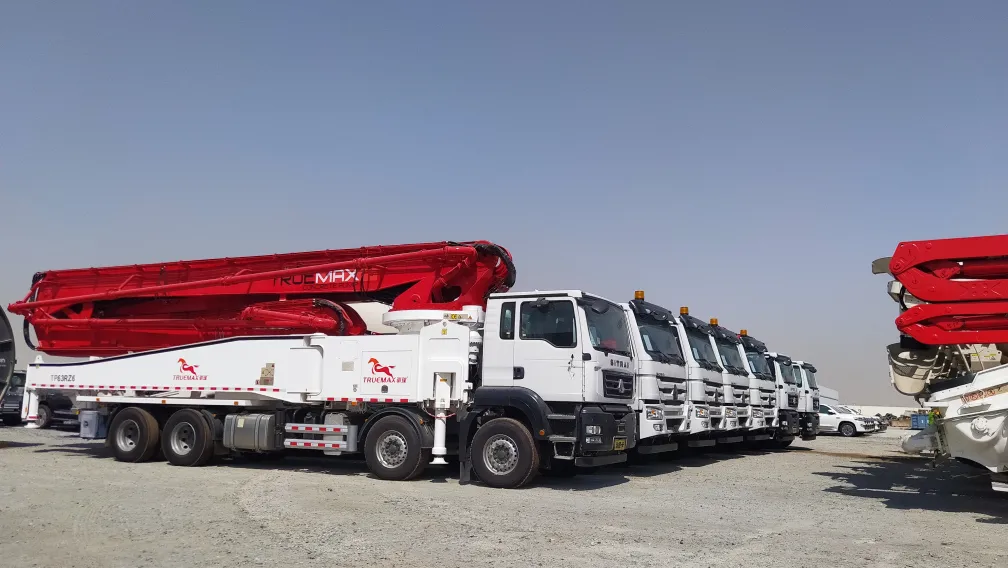
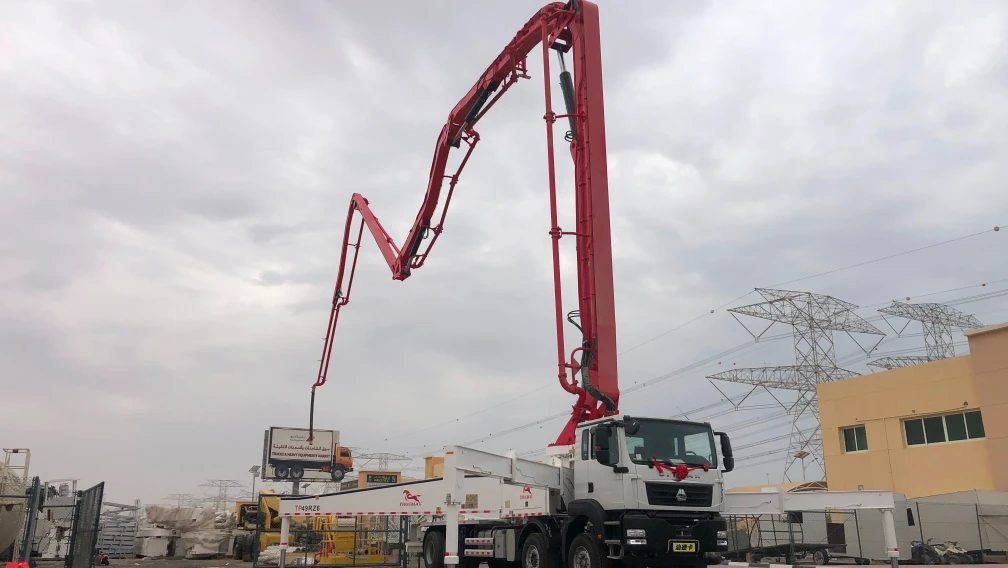
Procuring heavy construction machinery across international borders shifts the primary engineering challenge from the manufacturing floor to the global maritime supply chain. When project managers and procurement directors decide to import a concrete pump from China, the physical fabrication of the asset is only the initial phase. The subsequent and equally critical challenge involves delivering a multi-ton, structurally complex vehicle across oceans without inducing mechanical stress, catastrophic corrosion, or severe logistical delays. Shipping heavy machinery is not a standardized process; it requires meticulous planning, precise load calculations, and a deep understanding of international maritime protocols. A commercial truck-mounted boom pump represents a highly concentrated capital investment, combining a heavy-duty truck chassis with sensitive electro-hydraulic components and a massive, multi-section articulating steel boom. The physical dimensions and weight distribution of these units universally classify them as Out-of-Gauge (OOG) cargo. For procurement teams, deciding between Roll-on/Roll-off (RoRo) vessels and Flat Rack (FR) containers is a fundamental strategic choice. This decision directly dictates the total landed cost, the transit insurance premiums, the port handling risk parameters, and the ultimate condition of the machine upon arrival at the destination site.
2. Defining Out-of-Gauge (OOG) Dimensions and Cargo Physics
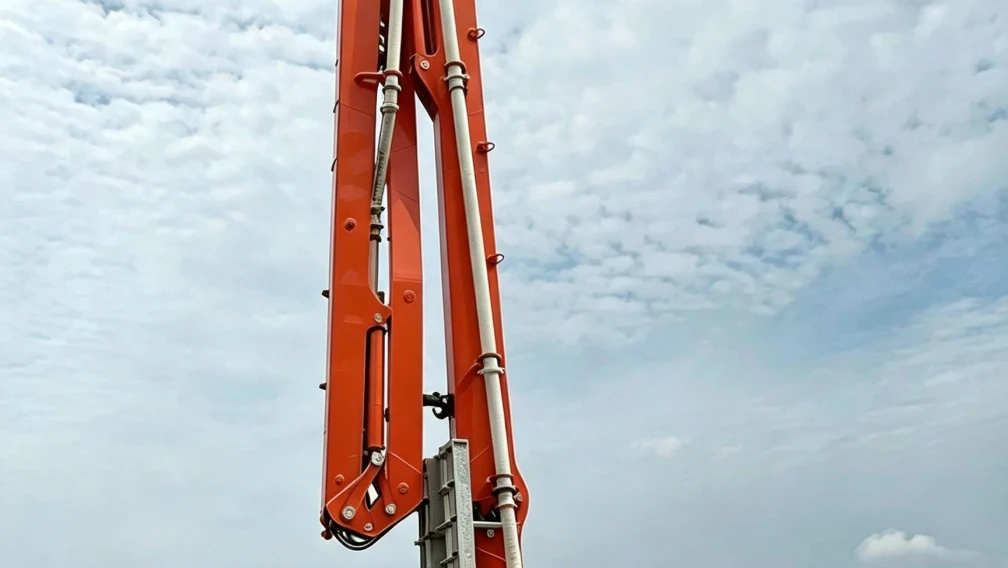
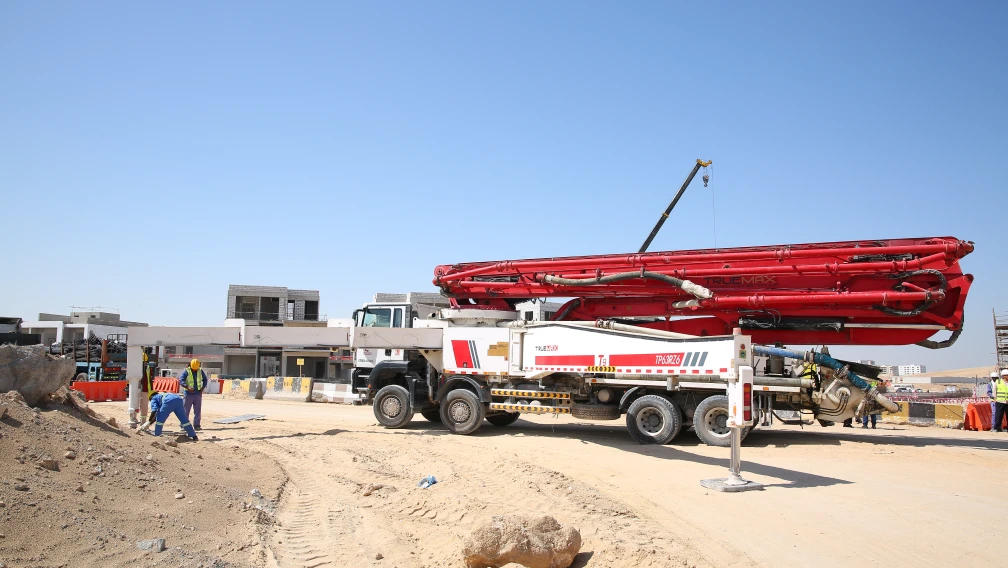
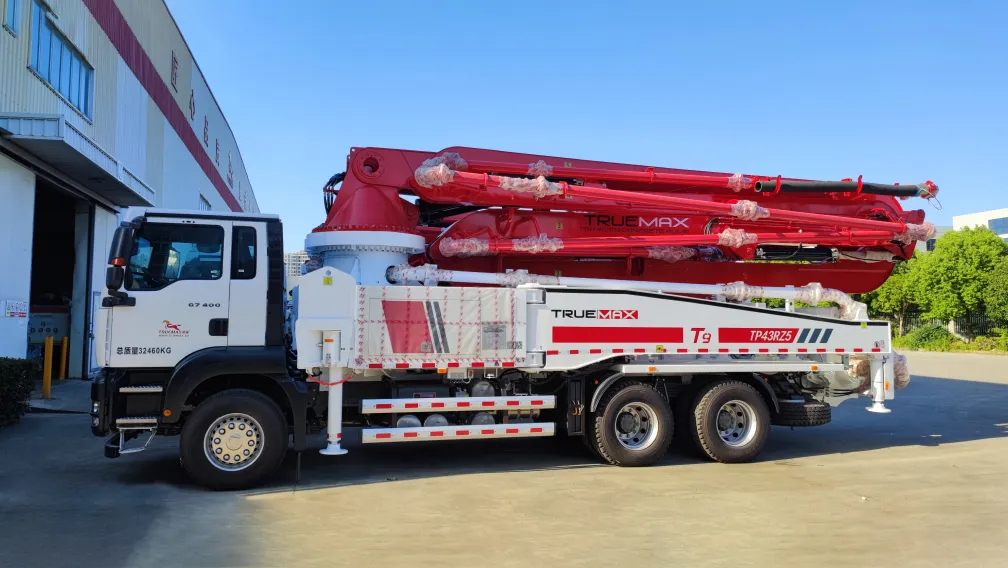
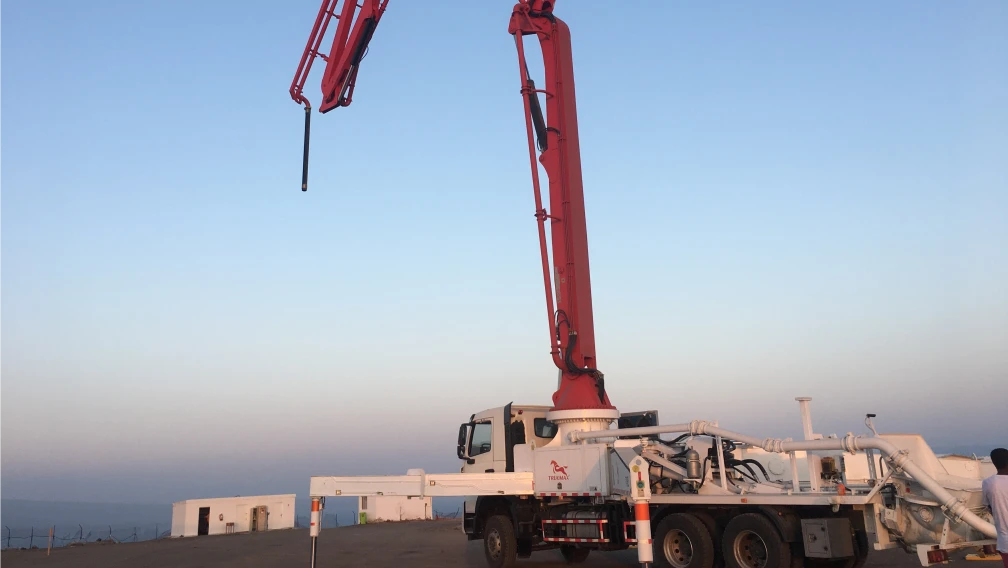
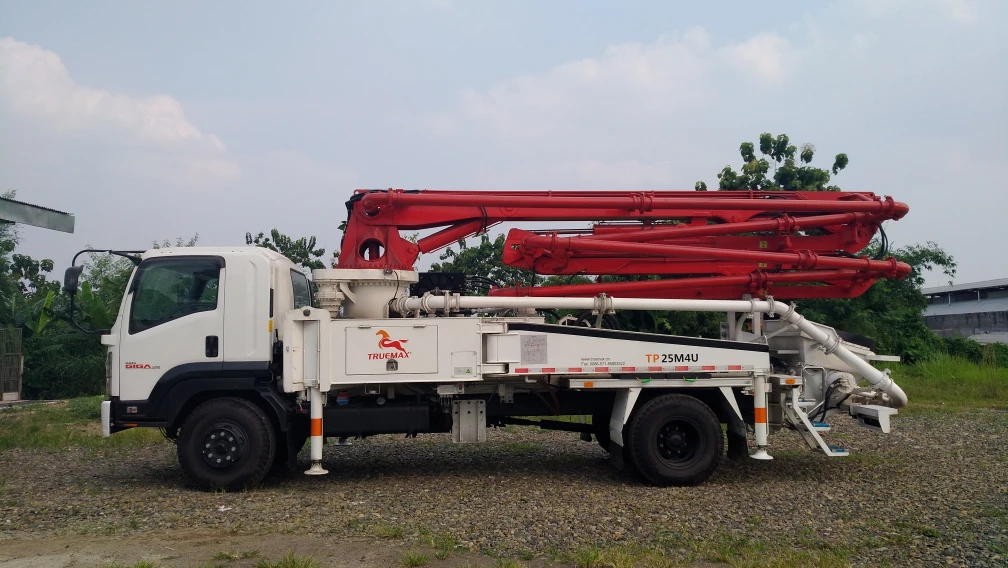
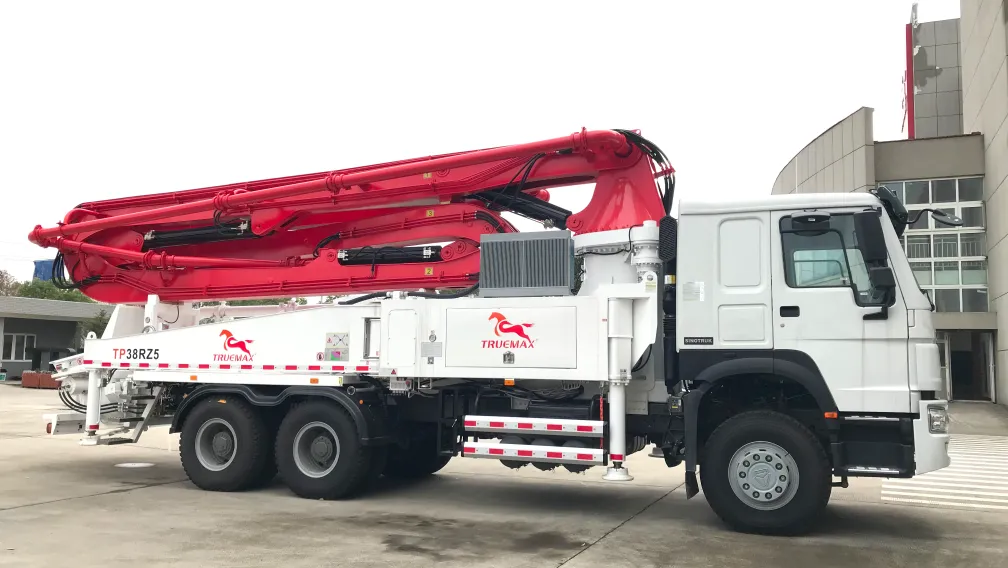
To understand the logistical requirements of a boom pump, one must first analyze the spatial and physical limitations of standard containerized shipping. A standard 40-foot High Cube (HC) container accommodates cargo up to 2.69 meters in height and 2.35 meters in internal width. A modern concrete boom pump entirely exceeds these spatial constraints. Depending on the boom length—ranging typically from 37 meters to upwards of 60 meters—the vehicle can measure over 12 meters in length, 2.5 meters in width, and reach a folded transport height approaching 4.0 meters. Furthermore, the gross vehicle weight (GVW) frequently spans between 30 and 45 metric tons. Because these dimensions breach the internal volume of standard dry containers, the shipping industry classifies boom pumps as Out-of-Gauge (OOG) cargo. Beyond the raw dimensions, the physics of the cargo present unique challenges. A boom pump possesses a highly asymmetrical center of gravity. The immense weight of the structural steel boom and the rear-mounted hydraulic pumping module places extreme load concentrations on the rear axles. When this cargo is lifted by port gantry cranes or subjected to the violent pitch and roll of a cargo vessel navigating rough seas, this asymmetrical weight distribution generates immense kinetic shear forces. Improper lashing or lifting can result in twisted chassis frames, damaged hydraulic cylinders, or catastrophic cargo shifts inside the vessel hull.
3. Roll-on/Roll-off (RoRo) Shipping: The Industry Standard for Vehicles
Roll-on/Roll-off (RoRo) shipping is universally recognized as the safest and most efficient maritime transport method for wheeled, self-propelled heavy machinery. RoRo vessels are essentially massive floating parking garages equipped with heavy-duty stern ramps. The operational methodology is straightforward: the boom pump is driven directly onto the ship under its own power, navigated to a designated deck, and parked. Once in position, the stevedores secure the vehicle to the deck using heavy-duty lashing chains connected to the truck chassis's designated factory tie-down points. The primary engineering advantage of RoRo shipping is the complete elimination of overhead lifting. The vehicle is never suspended in the air by a crane, entirely mitigating the risk of dropped cargo or chassis distortion caused by improper sling placement. Furthermore, RoRo decks are fully enclosed within the ship's hull. This structural barrier protects the sensitive electrical systems and exposed hydraulic cylinder rods of the concrete pump from corrosive saltwater spray, extreme wind, and direct marine weather exposure. However, RoRo shipping presents specific logistical limitations. RoRo routes are not as universally available as standard container routes. While major trade lanes to the Middle East, Europe, and major African hubs offer regular RoRo sailings from Chinese ports, smaller destination ports may lack the specialized ramp infrastructure required to receive these vessels. Consequently, choosing RoRo might necessitate discharging the cargo at a major regional hub and arranging extensive overland transport to the final job site, potentially offsetting the initial maritime freight savings.
4. Flat Rack (FR) Container Logistics: The Flexible Alternative
When RoRo services are unavailable, infrequent, or prohibitively expensive for a specific destination, Flat Rack (FR) containers provide the mandatory alternative. A Flat Rack is essentially a heavy-duty steel platform with collapsible end walls and no side walls or roof. A boom pump is typically loaded onto a 40-foot Flat Rack. Because the equipment is wider and taller than the rack itself, it protrudes over the sides and top, absorbing valuable space on the container ship. The logistics of Flat Rack shipping are highly complex and physically demanding. The boom pump must be lifted by high-capacity port cranes and precisely lowered onto the rack. The center of gravity must align perfectly with the structural lifting points of the container. Once positioned, the stevedores utilize industrial-grade wire ropes, heavy-duty tensioners, and wooden dunnage to lash the machinery to the rack's anchor rings. The advantage of Flat Rack shipping lies in its universal route availability. Because Flat Racks are loaded onto standard cellular container ships, they can be routed to virtually any commercial port globally on a frequent, predictable schedule. However, this flexibility introduces severe risk vectors. The cargo requires dangerous overhead lifting at both the port of loading and the port of discharge. More critically, Flat Racks are often stowed on the top tier of the vessel's deck. This exposes the concrete pump directly to the harsh marine environment for weeks. Saltwater, driving rain, and UV radiation can aggressively attack the machine before it even reaches the buyer.
5. Environmental Hazards and Marine Protection Protocols
The decision to utilize a Flat Rack container mandates the implementation of aggressive marine protection protocols. Saltwater and marine humidity are highly corrosive to bare steel and sensitive electronics. The exposed hydraulic cylinder rods of the placing boom and the pumping unit are particularly vulnerable; microscopic pitting caused by salt corrosion will instantly destroy the polyurethane hydraulic seals upon the machine's first operational stroke. To mitigate these environmental hazards, manufacturers must execute meticulous pre-shipment preparation. All exposed hydraulic rods must be heavily coated in Cosmoline or a similar industrial anti-corrosion marine wax. The entire operator cabin, electrical control panels, and the remote control modules must be sealed in heavy-gauge shrink wrap containing Volatile Corrosion Inhibitors (VCI). Vulnerable glass windows should be boarded with custom-cut plywood to prevent shattering from flying debris or high winds on the open ocean. Exhaust stacks and air intakes must be hermetically sealed to prevent saltwater intrusion into the engine block. While RoRo shipping naturally provides shelter inside the hull, buyers importing via Flat Rack must insist on these rigorous packaging standards from their supplier, as the cost of repairing severe marine corrosion far exceeds the initial investment in preventative wrapping.
6. Comparative Cost Matrix: Freight Rates vs. Handling Charges
Evaluating the financial disparity between RoRo and Flat Rack shipping requires a holistic analysis of total landed costs, rather than a simple comparison of base ocean freight rates. Shipping lines calculate RoRo freight based on the total cubic meters (CBM) or linear meters of the vehicle. Because boom pumps are highly voluminous, the base ocean freight for RoRo can appear expensive. However, RoRo incurs minimal Terminal Handling Charges (THC) because the vehicle is simply driven on and off the vessel, requiring no cranes or specialized lashing materials. Conversely, Flat Rack pricing is calculated based on the standard container slot rate plus significant Out-of-Gauge (OOG) surcharges. Because the protruding boom pump blocks the stowage of adjacent containers, the shipping line charges the buyer for the "lost slots." While the base freight for an FR might occasionally undercut RoRo on highly competitive routes, the port handling fees are exorbitant. Buyers must pay premium rates for heavy-lift crane operations, specialized wire lashing services, securing materials, and certified marine surveyor inspections at both origin and destination ports. When these complex handling fees are aggregated, Flat Rack shipping frequently results in a higher total logistical expenditure than RoRo, while concurrently exposing the asset to a higher probability of handling damage.
7. Customs Clearance and Import Compliance Documentation
Regardless of the chosen maritime transport method, the documentary requirements for importing heavy concrete machinery remain stringent and unforgiving. Discrepancies in the shipping manifest will result in the cargo being detained at the destination port, incurring crippling daily demurrage and storage penalties. The Bill of Lading (B/L) must accurately reflect the exact chassis VIN number, engine serial number, gross weight, and precise dimensions of the boom pump. Furthermore, importing heavy trucks into strict regulatory environments requires comprehensive compliance documentation. Buyers must secure and present the original Certificate of Origin, the commercial invoice, and the detailed packing list. Depending on the destination country, environmental protection agencies may require certified documentation proving that the truck chassis complies with local emission standards (e.g., Euro 3, Euro 5, or equivalent). Additionally, if the equipment is shipped via Flat Rack and utilizes wooden dunnage for stabilization, the timber must carry a valid fumigation certificate (ISPM 15 stamp) to pass agricultural customs inspections. Engaging a specialized customs broker with experience in heavy machinery logistics is a mandatory requirement for a seamless import operation.
8. Turnkey Logistics and OEM Support
Navigating the global logistics of heavy machinery demands specialized expertise and robust maritime partnerships. Selecting the optimal shipping method dictates the preservation of your capital investment. TRUEMAX oversees the complete end-to-end export logistics for all concrete equipment, managing everything from anti-corrosion marine packaging and precise center-of-gravity lashing to securing priority RoRo space on congested global trade routes. We ensure your high-capacity concrete machinery arrives on schedule and in pristine operational condition. To discuss shipping route availability, receive a detailed freight analysis, or review OOG logistical parameters for your next equipment procurement, contact our export division directly via the contact page.
-

TrueMax
Concrete & Construction Equipment ManufacturerEstablished in 2003, Truemax designs, manufactures, and delivers concrete pumping equipment, crushing machinery, and construction hoisting systems from our own factory in Haining, China to jobsites in over 120 countries.