

 LANGUAGE

1. The Evolution of Ground Support: Wet-Mix Sprayed Concrete
In modern underground excavation, particularly within the New Austrian Tunneling Method (NATM) and drill-and-blast operations, rapid ground stabilization is the absolute critical path. The geological stress released during excavation must be immediately contained to prevent rockfalls and tunnel collapse. This containment is achieved through the application of sprayed concrete, universally referred to as shotcrete. Over the past two decades, the global tunneling industry has decisively shifted away from dry-mix shotcrete—where dry cement and aggregate are propelled by compressed air and mixed with water at the nozzle—toward wet-mix sprayed concrete. The wet-mix process involves pumping a fully batched, homogenized concrete mixture through a pipeline and injecting compressed air and chemical accelerators solely at the discharge nozzle.
Wet-mix shotcrete delivers vastly superior structural integrity, tighter water-cement ratio control, and dramatically higher placement outputs (up to 30 cubic meters per hour compared to 5-10 for dry-mix). Furthermore, it radically reduces airborne dust, a vital occupational health and safety requirement in confined underground headings. However, the mechanical demands of pumping a dense, highly viscous wet-mix through narrow, high-friction delivery lines place extreme operational stress on the concrete pumping equipment. Selecting the correct pump architecture dictates not only the speed of the tunnel advance but the structural safety of the applied rock support.
2. Rheology and Pumpability of Tunnel Shotcrete
Tunneling shotcrete is not standard ready-mix concrete. The rheology of a wet-mix design is engineered to achieve two contradictory goals: it must remain fluid and pumpable over long horizontal distances, yet it must instantly solidify upon impacting the rock face, adhering to vertical walls and overhead crowns without sagging. This requires a high cementitious content (often exceeding 400 kg/m³), a low water-cement ratio (typically 0.40 to 0.45), and the heavy use of superplasticizers for slump retention.
The aggregate grading is strictly controlled, generally limited to a maximum size of 8 mm to 16 mm. The absence of large coarse aggregates increases the total surface area of the mix, requiring more cement paste for lubrication. The resulting material is highly cohesive, sticky, and resistant to flow. When this material is pushed through a 65 mm to 80 mm diameter delivery line, the frictional shear forces are immense. The pumping equipment must therefore possess high-pressure hydraulic capabilities, specifically designed to handle high-viscosity, small-aggregate structural mixes without stalling or suffering premature wear on the delivery cylinders.
3. Pumping Architecture: Stationary vs. Mobile Solutions
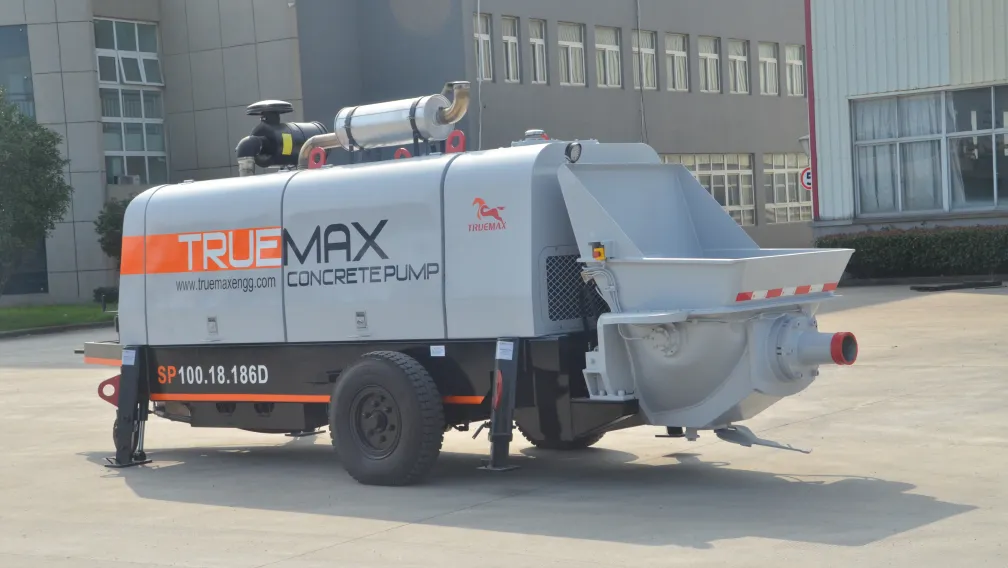
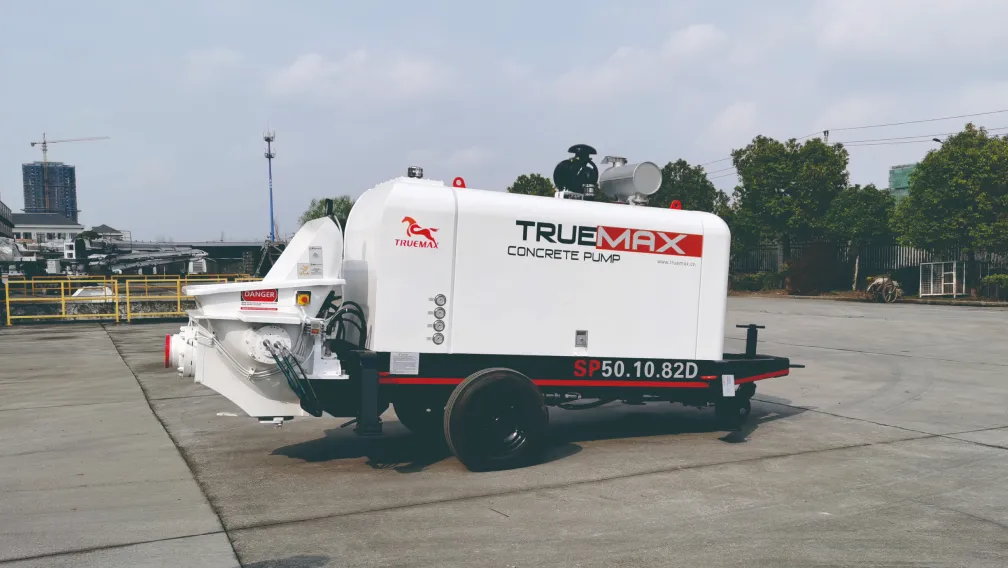
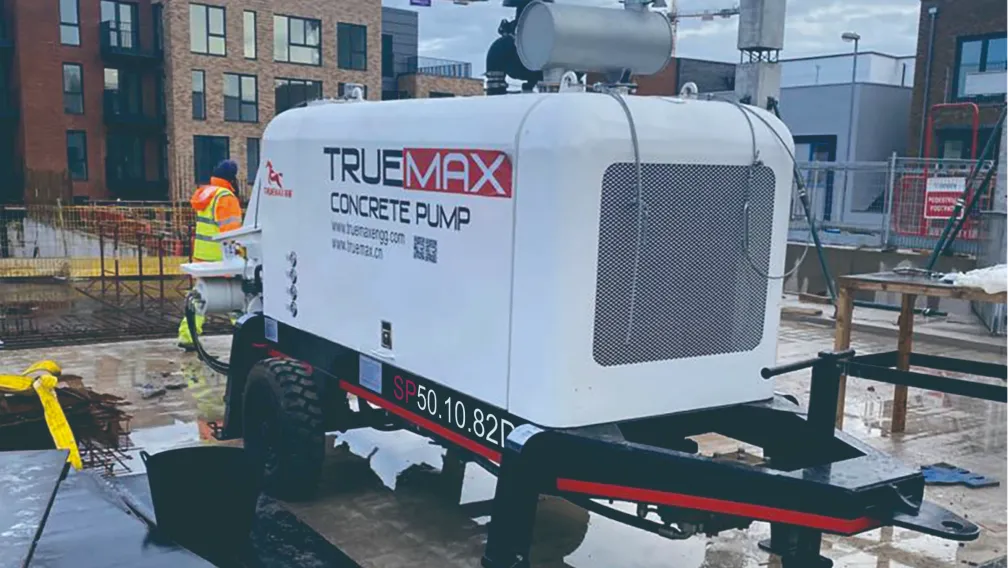
Equipment deployment in tunneling is dictated by the excavation method, the cross-sectional area of the tunnel, and the logistical access. The primary workhorse for deep, continuous underground pushing is the high-pressure stationary concrete pump. Positioned at the tunnel portal or at a dedicated underground batching cavern, these units push the wet-mix horizontally through fixed steel pipelines over distances that can exceed 1,000 meters. For these extreme distances, stationary pumps in the 18 to 25 MPa pressure class are mandatory. They provide the sustained hydraulic force necessary to overcome the immense friction of the sticky shotcrete mix over a long delivery line.
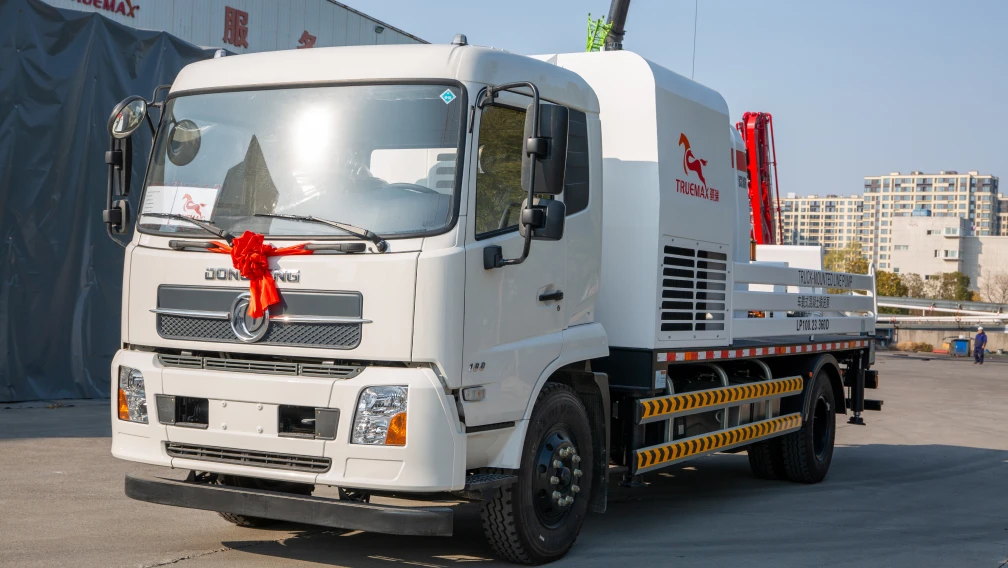
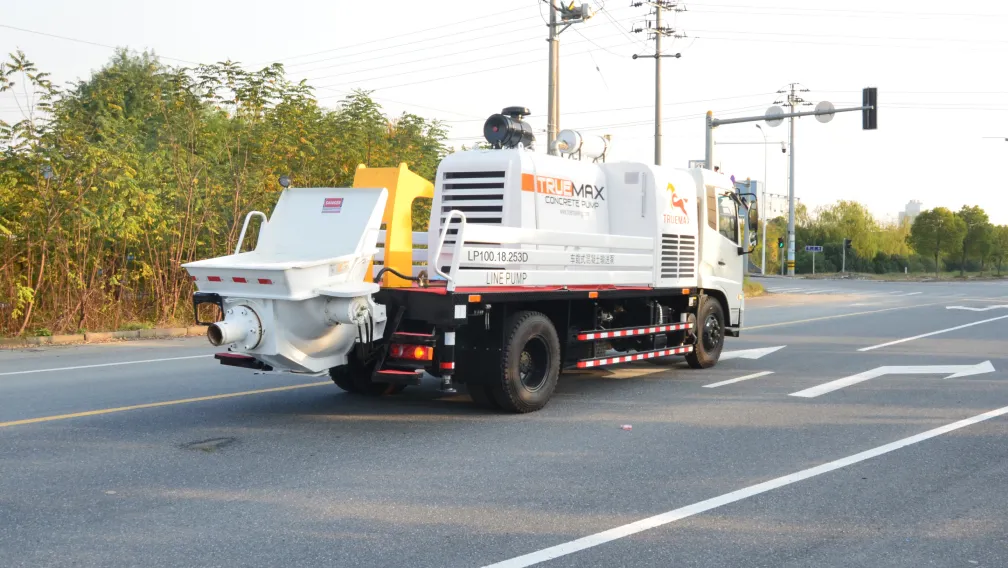
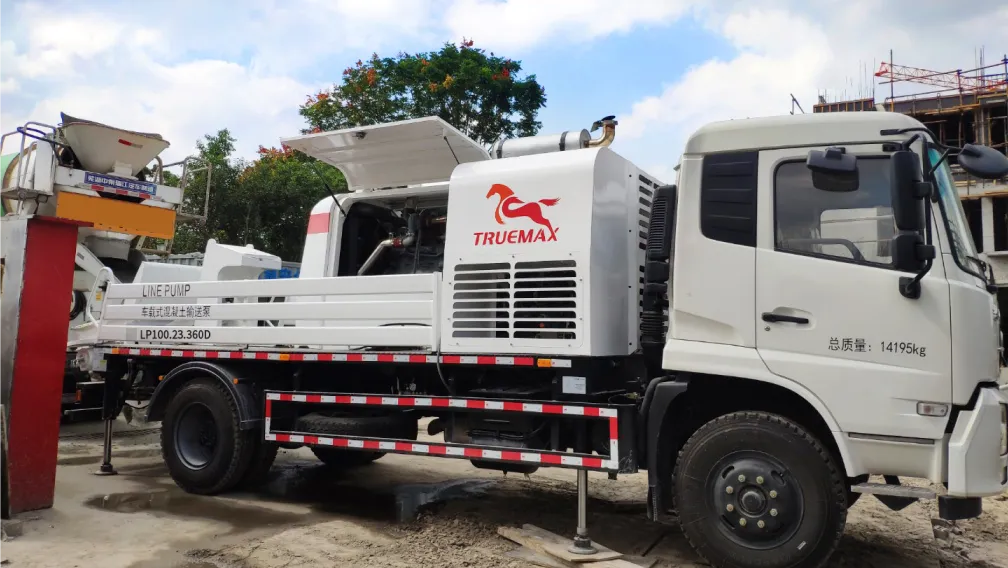
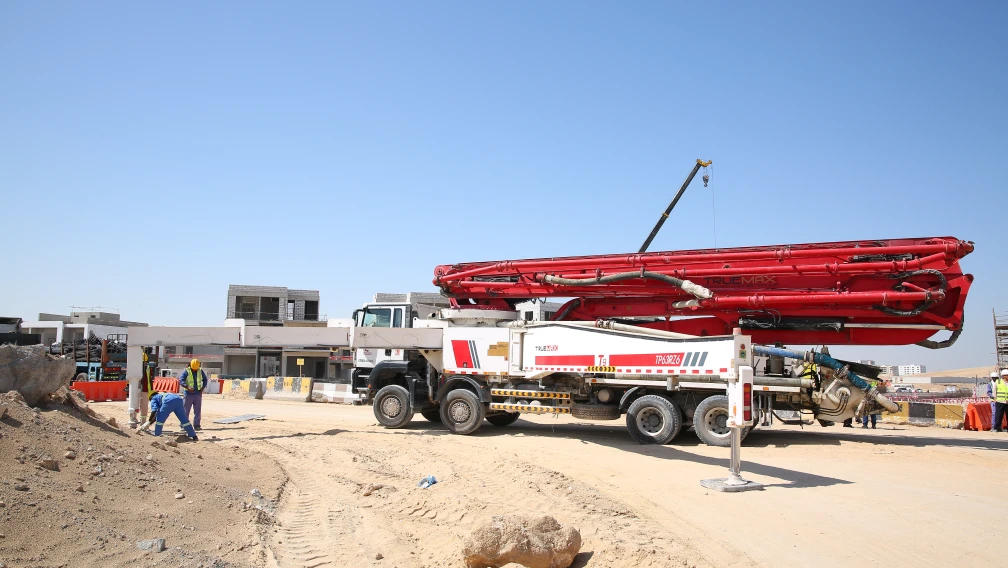
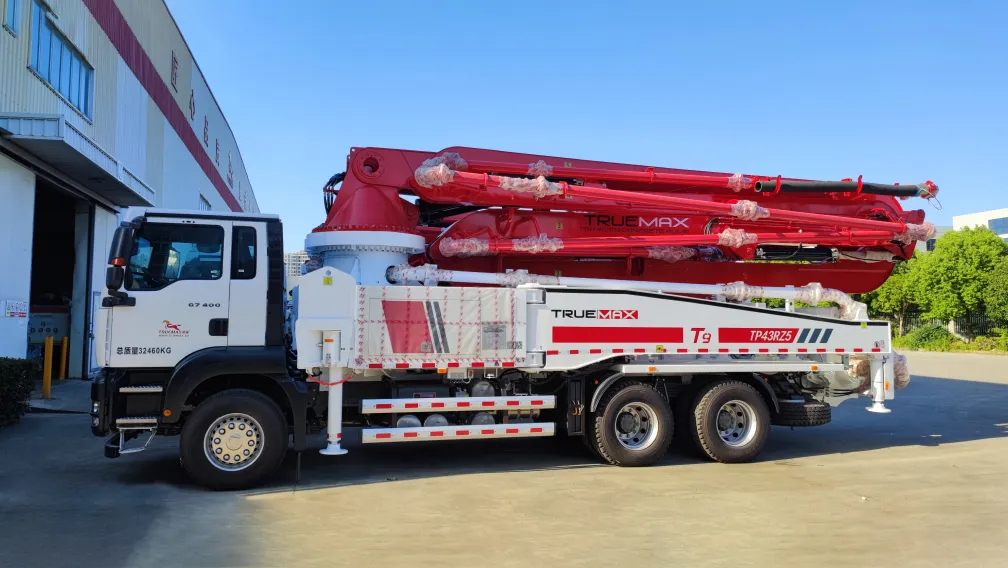
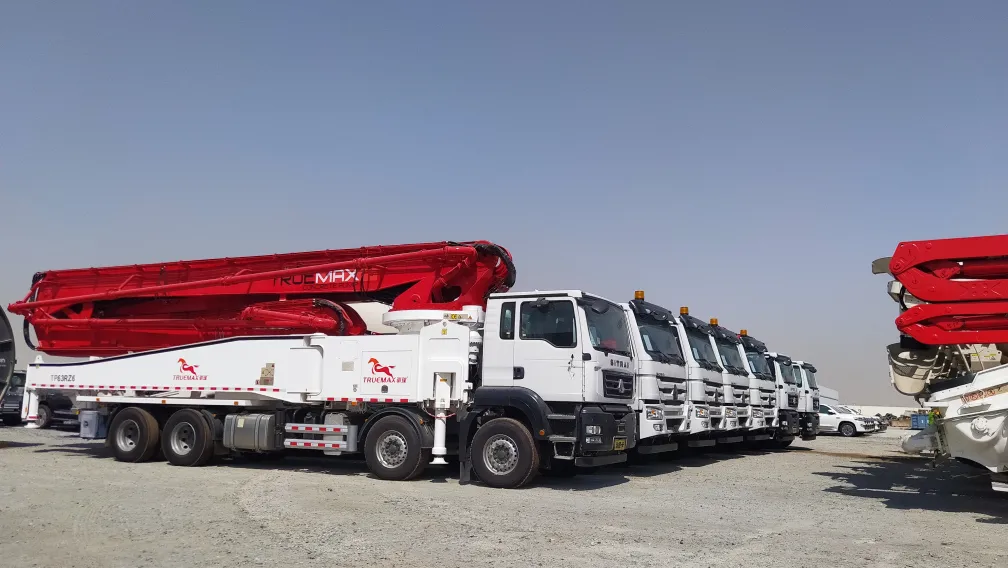
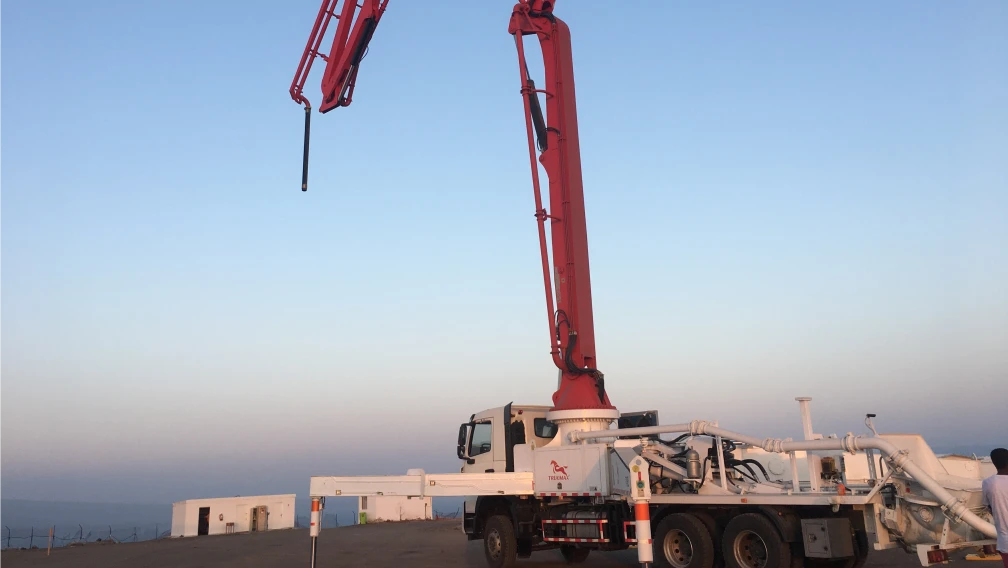
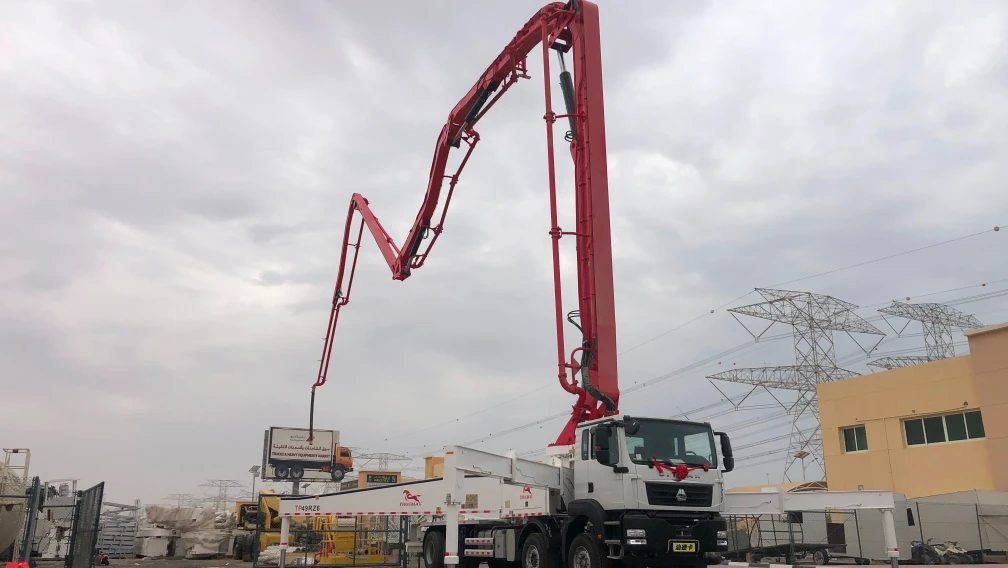
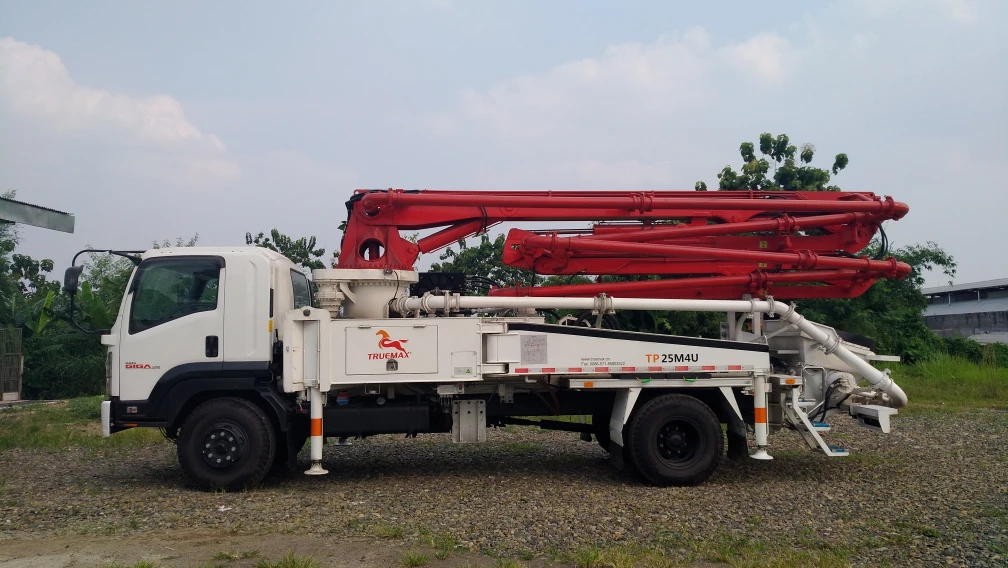
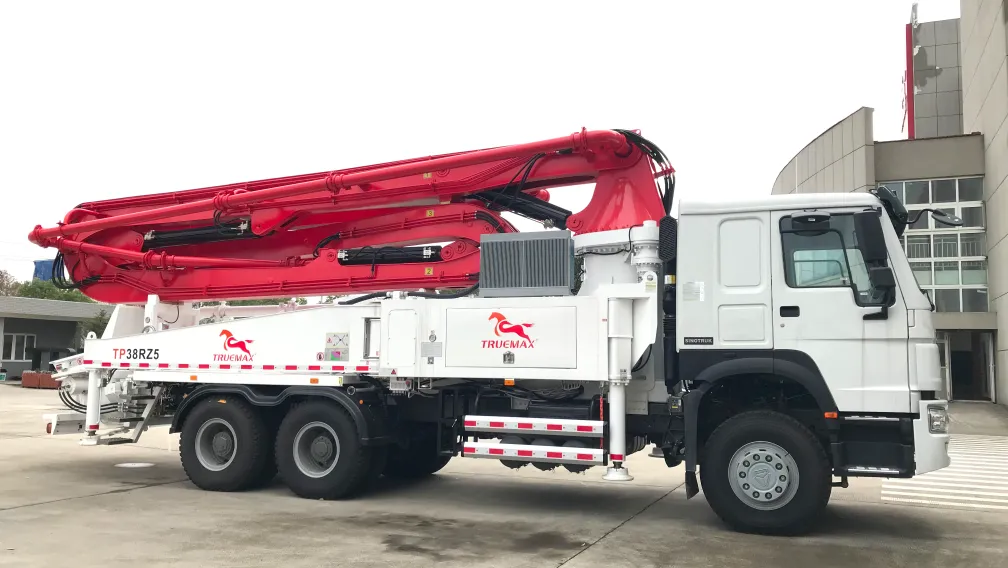
Conversely, for rapid intervention, shallow tunnels, cross-passages, or operations utilizing highly mobile robotic spraying manipulators, contractors deploy a truck-mounted line pump. These compact units combine the robust pumping core of a stationary pump with the mobility of a commercial truck chassis. They navigate tight turning radii in access adits and can be rapidly repositioned as the tunnel heading advances. A truck-mounted line pump allows the ready-mix delivery trucks to discharge directly into its hopper near the active face, significantly reducing the required length of the high-pressure delivery hose and thereby minimizing frictional pressure loss and blockage risks.
4. The Criticality of Pulsation Mitigation in Sprayed Concrete
In conventional structural flatwork, the slight pulsation caused by the shifting of the concrete pump's S-valve is largely inconsequential. In wet-mix shotcrete, pulsation is a critical defect. At the exact moment the S-valve shifts to alternate delivery cylinders, the flow of concrete momentarily pauses. However, the compressed air and liquid accelerator being injected at the nozzle continue to flow at a constant rate.
This mechanical mismatch results in a severe dynamic flaw: the nozzle alternates between spraying overly accelerated, dry bursts of air, and sudden, high-velocity slugs of heavy, unaccelerated concrete. This pulsation creates dangerous weak points on the tunnel crown, as the unaccelerated slugs fail to adhere and crash down onto the workforce below—a phenomenon known as fallout. Furthermore, it exponentially increases the "rebound" rate, which is the percentage of concrete that bounces off the rock face and becomes wasted material on the tunnel floor.
To combat this, shotcrete pumps must feature advanced hydraulic dampening, synchronized dual-piston extrusion, or closed-loop electronic circuitry designed to achieve near-continuous, pulse-free material flow. The smoother the extrusion from the pump, the more uniform the accelerator mixing at the nozzle, resulting in a homogenous structural shell with rebound rates successfully controlled below 10 percent.
5. Synchronized Accelerator Dosing Systems
The structural transformation of wet-mix shotcrete occurs within milliseconds at the discharge nozzle, where liquid alkali-free accelerators are injected into the concrete stream. These aggressive chemicals force the cement to flash-set, allowing the heavy wet concrete to adhere to the overhead crown of the tunnel in layers up to 150 mm thick without gravity-induced sloughing.
The dosage of the accelerator is highly sensitive. It must be maintained at an exact percentage of the cement weight (typically 4% to 8%). Therefore, the chemical dosing pump must be electronically interlocked with the concrete pump's hydraulic control system. If the concrete pump operator slows the stroke rate to accommodate a detailed spraying maneuver around a steel lattice girder, the accelerator dosing pump must automatically and instantly scale down its output to match the reduced concrete volume.
Over-dosing the accelerator burns out the long-term strength development of the concrete, leading to a brittle lining that will fail long-term structural testing. Under-dosing results in immediate sloughing and dangerous overhead collapses. Modern tunneling equipment utilizes closed-loop PLC (Programmable Logic Controller) systems to maintain this exact volumetric synchronization regardless of pipeline pressure fluctuations.
6. Pipeline Architecture and Blockage Prevention
Managing the concrete delivery pipeline in a confined, active tunnel heading requires rigorous discipline. The high cement content and rapid slump loss inherent in shotcrete mixes make the system highly susceptible to blockages. Pipelines should be constructed of heavy-duty, induction-hardened steel, utilizing the absolute minimum number of bends or elbows to reduce friction.
At the connection point between the rigid steel pipeline and the robotic spraying manipulator, flexible high-pressure rubber end hoses are utilized. These hoses must be inspected daily; the abrasive nature of the 8mm crushed aggregate rapidly erodes the inner rubber lining. Operators must establish strict protocols for pipeline blowout using compressed air and water-soaked sponge balls immediately following the completion of the spraying cycle. Allowing a highly cohesive shotcrete mix to sit idle in a pipeline for more than 30 minutes in a warm underground environment guarantees a catastrophic blockage that will halt the entire tunnel advance.
7. Frequently Asked Questions
Q1: Why has the tunneling industry shifted from dry-mix to wet-mix shotcrete?
A: Wet-mix sprayed concrete offers significantly higher production output, much lower rebound waste, tighter control over the water-cement ratio for guaranteed structural strength, and drastically reduces hazardous airborne dust in confined underground environments compared to dry-mix applications.
Q2: Why is concrete pump pulsation dangerous in shotcrete applications?
A: Pulsation causes uneven flow of concrete at the nozzle while the compressed air and accelerator flow remain constant. This mismatch creates layers of over-accelerated weak concrete and unaccelerated heavy slugs that fail to adhere to the rock face, causing dangerous overhead fallout and high rebound waste.
Q3: When should a stationary pump be used instead of a line pump in a tunnel?
A: A stationary pump is utilized when logistics prevent transit mixers from entering the tunnel. It is placed at the portal to push concrete over very long horizontal distances. A truck-mounted line pump is used when transit mixers can access the heading, providing high mobility for rapid repositioning between short excavation cycles.
Q4: How does the aggregate size affect shotcrete pumping?
A: Wet-mix shotcrete restricts aggregate sizes to a maximum of 8 mm to 16 mm to ensure velocity at the nozzle and minimize rebound. The lack of large coarse aggregate makes the mix very sticky and cohesive, requiring high-pressure hydraulic pumps capable of overcoming severe pipeline friction.
Q5: What happens if the chemical accelerator is not synchronized with the concrete output?
A: If the dosing is not synchronized, the concrete will either be under-dosed, causing it to fall off the ceiling immediately (sloughing), or over-dosed, which instantly destroys the ultimate 28-day compressive strength of the concrete, rendering the tunnel support structurally deficient.
Q6: How is a shotcrete pipeline cleaned underground?
A: The pipeline must be blown out immediately after the spraying cycle ends. Operators use high-pressure water or compressed air to force a highly compressible sponge ball through the entire length of the delivery line, scrubbing the sticky cement paste from the inner steel walls before it hardens.
8. Engineering Support for Tunnel Concrete Equipment
Underground excavation demands specialized concrete pumping solutions engineered for high-pressure extrusion, zero-pulsation flow, and precise accelerator synchronization. Standard commercial flatwork pumps cannot withstand the grueling physical demands of wet-mix sprayed concrete in confined headings. Truemax supplies ruggedized, high-pressure stationary pumps and highly mobile truck-mounted line pumps designed explicitly for global mining and tunneling contractors. To ensure your ground support operations maintain maximum advance rates with minimal downtime, submit your tunnel dimensions, required output volumes, and mix designs to our engineering team via the contact page for a comprehensive equipment configuration proposal.
-

TrueMax
Concrete & Construction Equipment ManufacturerEstablished in 2003, Truemax designs, manufactures, and delivers concrete pumping equipment, crushing machinery, and construction hoisting systems from our own factory in Haining, China to jobsites in over 120 countries.