

 LANGUAGE

1. The Tribology of Concrete Pumping: Abrasive Wear Mechanisms
Concrete pumping operates in an environment of extreme fluid dynamics and severe abrasive wear. Fresh concrete is a dense, heterogeneous suspension of hard aggregates, abrasive sand particles, and alkaline cement paste. When this material is pushed through a confined steel pipeline at pressures ranging from 70 to 250 bar, the resulting friction exerts massive shear forces on the internal components of the pump. The science of tribology—understanding friction, lubrication, and wear—is central to managing a concrete pumping fleet. Wear cannot be eliminated, but its lifecycle can be mathematically predicted and managed through rigorous inspection and timely replacement of critical components.
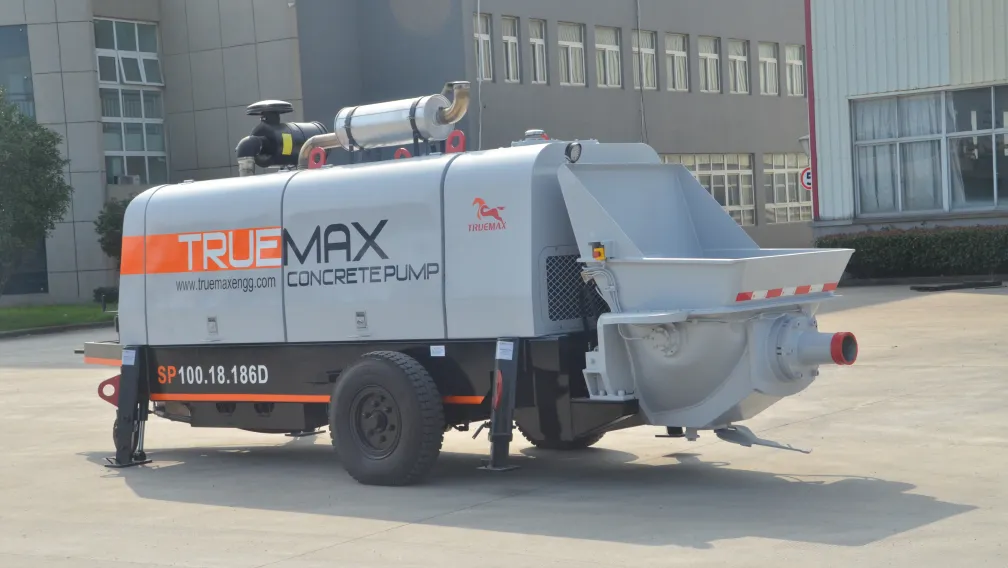
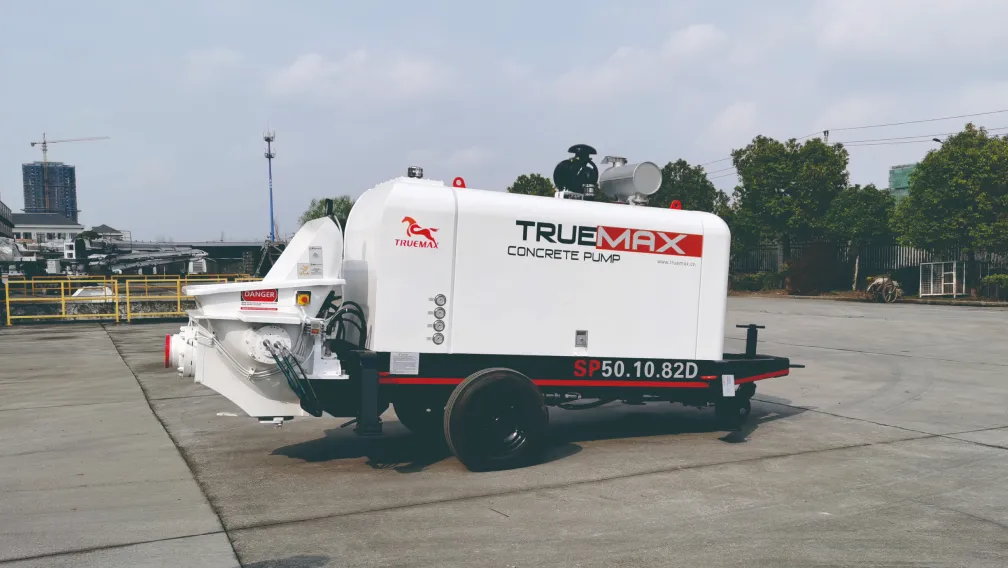
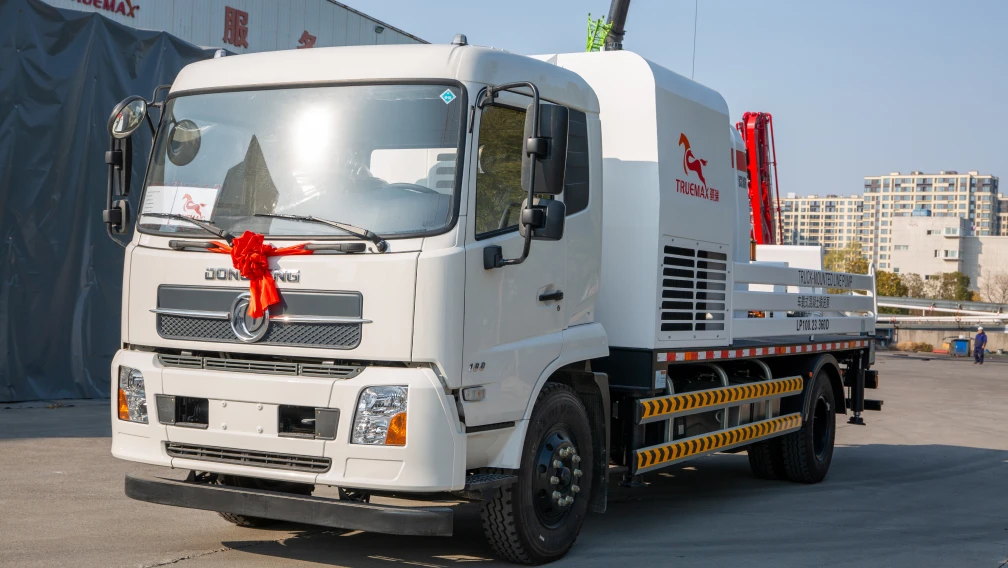
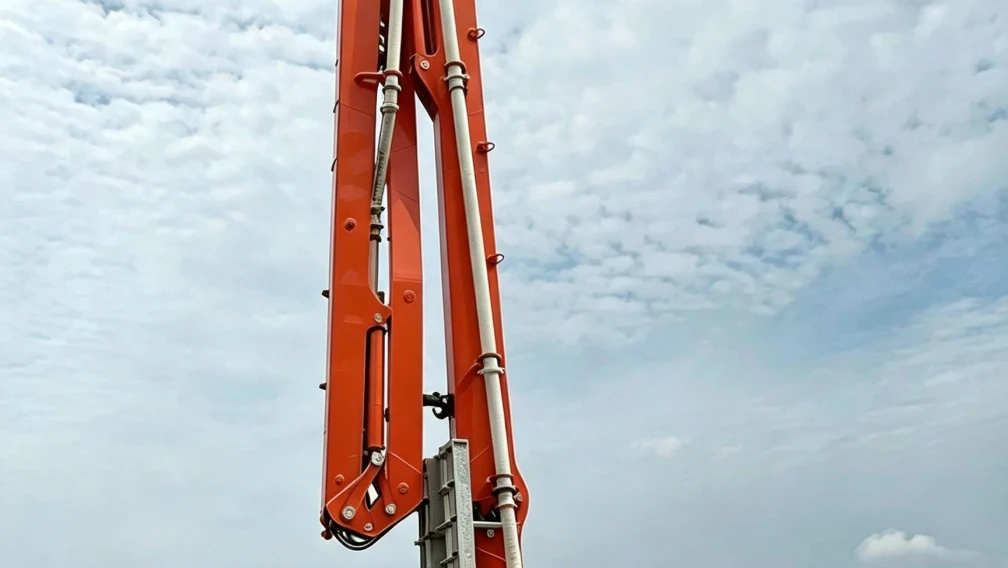
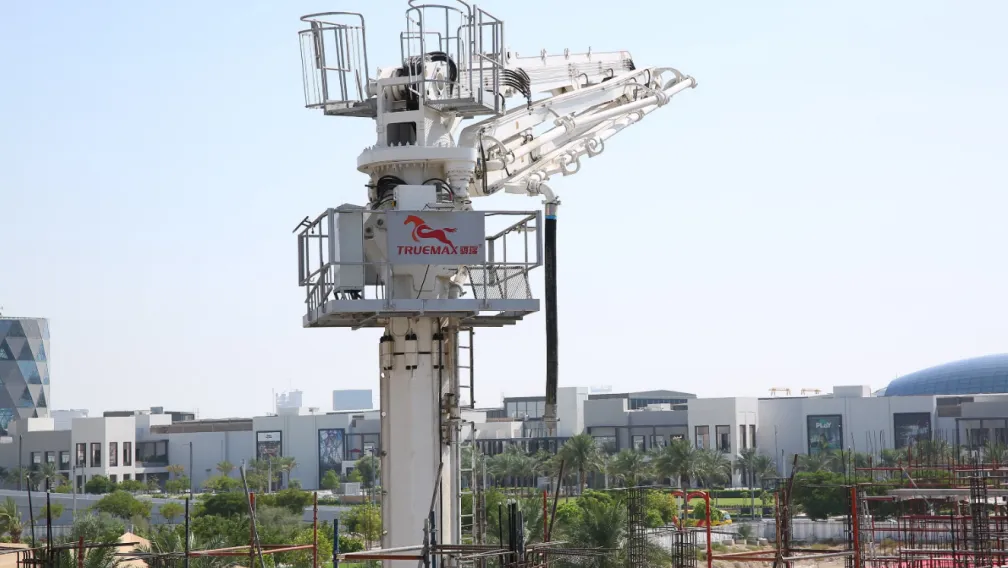
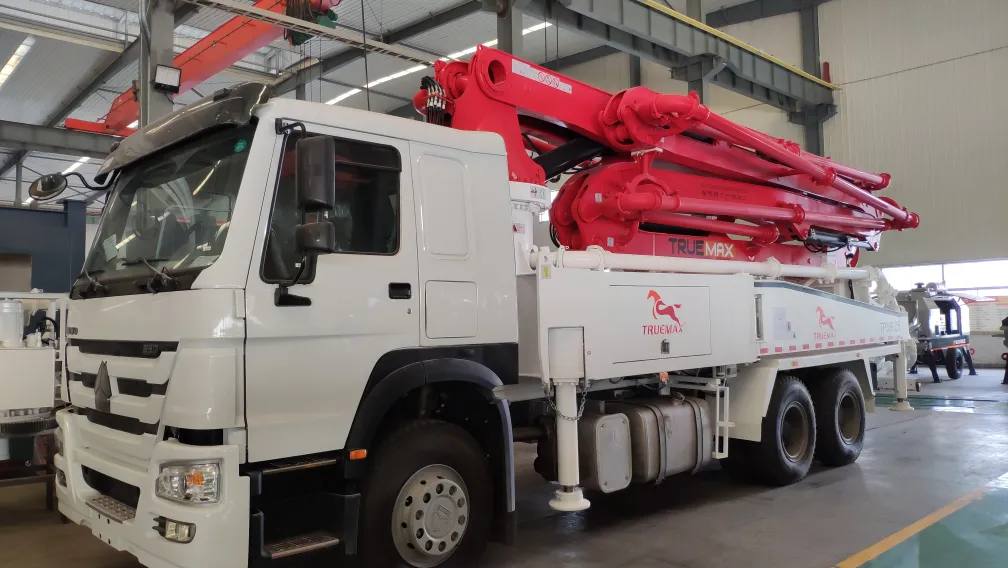
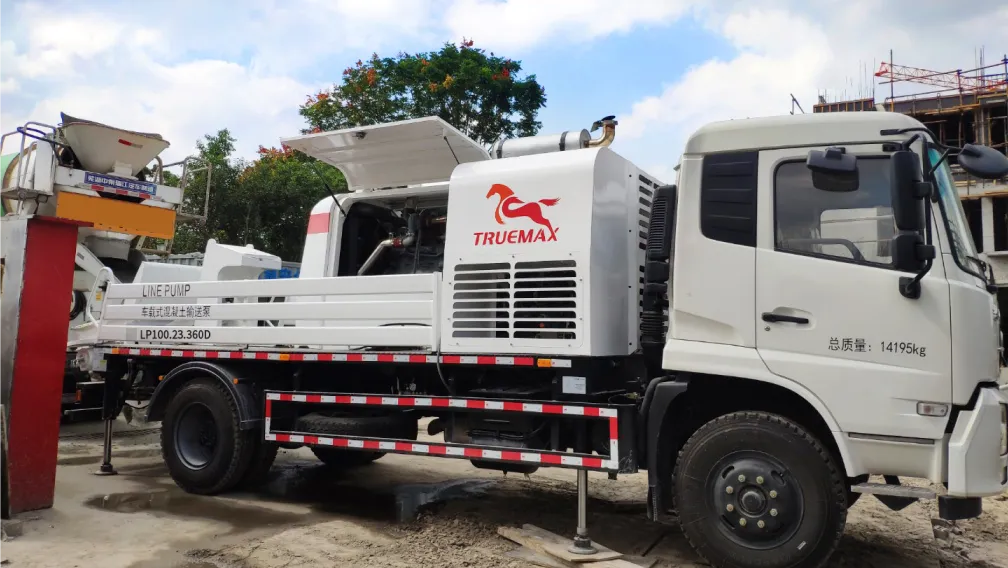
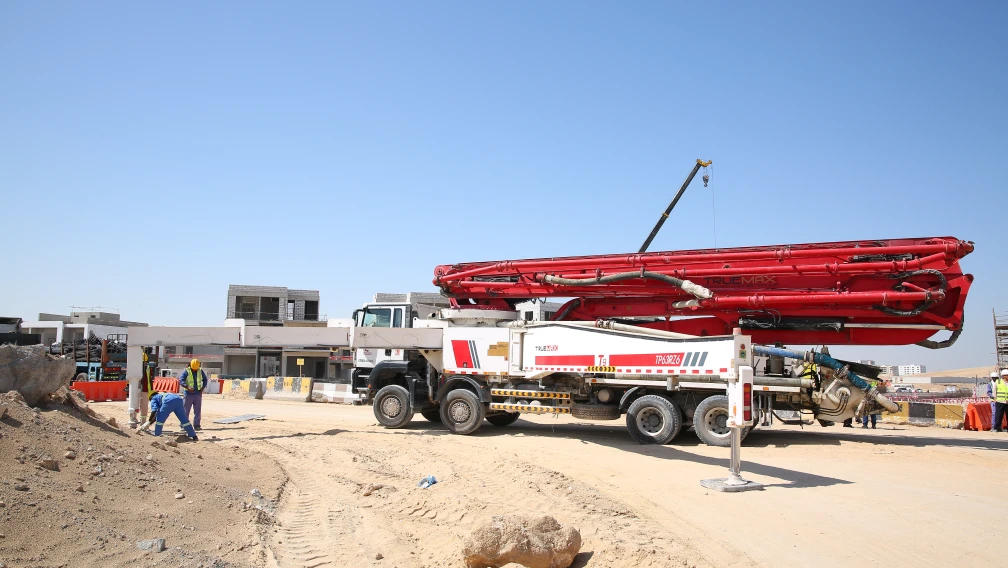
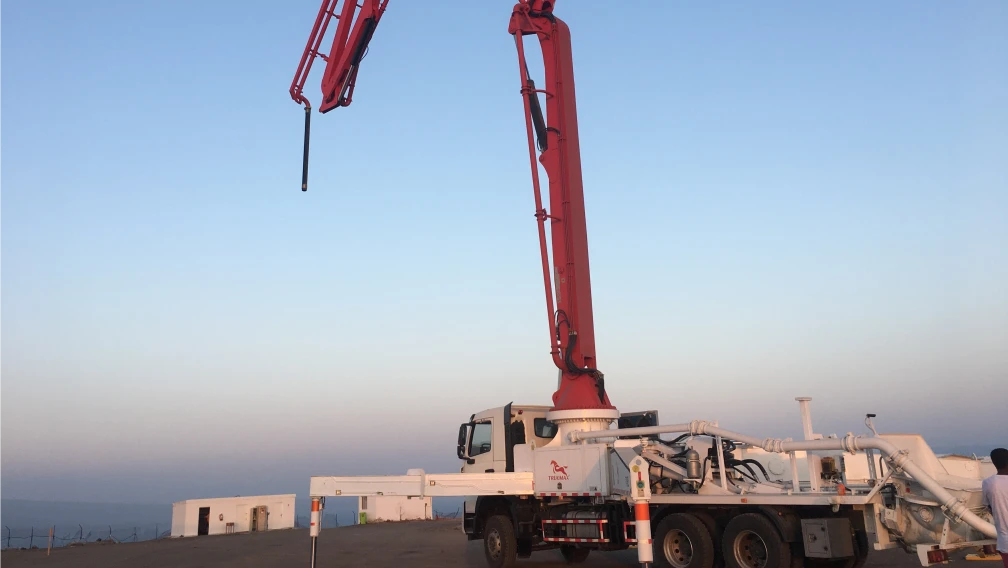
Ignoring wear parts leads to a cascading sequence of mechanical failures. A worn cutting ring allows pressurized cement paste to bleed out of the concrete matrix. This dehydration creates a dry, impenetrable friction plug within the S-valve or the immediate delivery line, instantly halting the pour. In high-stakes operations using a stationary concrete pump for high-rise riser lines or a truck-mounted boom pump on a massive foundation, a mid-pour blowout caused by a neglected wear part results in severe financial penalties, structural cold joints, and critical safety hazards for the placing crew.
2. Spectacle Plates and Cutting Rings: The Heart of the S-Valve
The spectacle plate and the cutting ring form the primary dynamic seal inside the concrete pump hopper. As the S-valve oscillates back and forth between the two delivery cylinders, the cutting ring shears through the dense concrete column, pressing tightly against the spectacle plate to maintain hydraulic pressure. This metal-to-metal friction, compounded by the abrasive crushing of aggregate particles caught between the moving surfaces, makes these two components the highest-wear items on any concrete pump.
Modern spectacle plates and cutting rings are manufactured with tungsten carbide inserts or heavy hard-facing alloys to resist this extreme abrasion. However, continuous operation inevitably degrades the carbide surface. Operators must physically measure the clearance gap between the cutting ring and the spectacle plate. The factory tolerance is typically 0.5 millimeters to 1.0 millimeters. The rubber thrust ring positioned behind the cutting ring acts as a tensioner, automatically pushing the cutting ring forward to compensate for microscopic wear. Once this rubber tensioner reaches its maximum expansion limit, the gap will begin to widen.
When the gap exceeds 2.0 millimeters, replacement is mandatory. Operating beyond this limit allows the fine cement slurry to escape under pressure. The operator will visually observe grout leaking back into the hopper during the pressure stroke. Furthermore, the spectacle plate must be inspected for uneven wear tracks. If the plate develops deep grooves, installing a new cutting ring against a grooved plate will fail to establish a pressure seal. Both components generally must be replaced as a matched set to restore volumetric efficiency.
3. Delivery Cylinders and Piston Rams: Managing Volumetric Efficiency
The delivery cylinders and the polyurethane piston rams generate the physical stroke that drives the concrete. The steel delivery cylinders are hard-chrome plated to provide a frictionless surface, while the flexible piston rams seal the concrete from the internal water box and hydraulic system. Wear in this zone directly correlates with the silica content and angularity of the local sand used in the mix design.
The primary indicator of piston ram failure is the contamination of the water box. The water box exists to cool the hydraulic rods and flush away residual cement dust. If the water inside the box rapidly turns into a thick, cloudy grey slurry, the lip seal on the piston rams has failed, allowing pressurized cement paste to blow past the rams. Continuing to operate with failed rams will score and deeply scratch the expensive chrome lining of the delivery cylinders. Replacing a set of polyurethane rams is a standard maintenance procedure; replacing a scored, unrepairable chrome delivery cylinder is a major mechanical expense.
Delivery cylinders should be visually inspected with a flashlight during every ram replacement. Any flaking of the chrome plating or deep longitudinal gouges indicates that the cylinder has reached the end of its lifecycle. For standard structural mixes, high-quality polyurethane rams typically last between 3,000 and 5,000 cubic meters, while delivery cylinders can endure upwards of 30,000 to 50,000 cubic meters depending on operating pressures and washout discipline.
4. Delivery Pipelines: Wall Thickness and Pressure Ratings
The delivery pipeline is a pressure vessel. It carries the full dynamic force of the pumping stroke. Standard single-wall ST52 steel pipes are utilized for low-pressure, short-distance horizontal placements. However, for high-rise vertical risers or the high-wear articulation points on a truck-mounted boom pump, twin-wall induction-hardened pipes are mandatory. These premium pipes feature a highly ductile outer steel casing for structural integrity and a glass-hard inner layer (often exceeding 60-65 HRC) to resist abrasion.
Wear in a straight pipe occurs uniformly, but wear in an elbow or bend is aggressively concentrated on the outer radius. As the dense concrete column is forced to change direction, centrifugal force drives the heavy aggregates directly into the outer wall of the steel bend. Consequently, elbows wear out exponentially faster than straight sections. To maximize the lifecycle of straight pipes, site crews should manually rotate the pipes 120 degrees every few thousand cubic meters to distribute the wear evenly across the internal circumference.
Relying on visual inspection for pipes is highly dangerous because pipeline wear occurs internally. Fleet mechanics must utilize ultrasonic thickness gauges to monitor the pipeline wall thickness accurately. A standard DN125 (5-inch) delivery pipe typically starts with a wall thickness of 4.5 to 7.1 millimeters, depending on the pressure rating. When the ultrasonic gauge indicates that the wall thickness has eroded to 3.0 millimeters (or the specific minimum discard thickness provided by the OEM), the pipe must be instantly removed from service. A ruptured pipe under 150 bar of pressure acts as a shrapnel hazard.
5. End Hoses and Heavy-Duty Clamps: Safety-Critical Components
The flexible end hose allows the placement crew to direct the concrete flow precisely into the formwork. Made of multi-layered heavy-duty rubber reinforced with high-tensile steel wire mesh, the end hose absorbs the violent whipping action caused by the pump's pulsation. Over time, the abrasive concrete erodes the inner rubber lining, while dragging the hose across rebar grids damages the outer protective jacket.
The end hose must be replaced immediately if any steel reinforcing wires become visible through the outer rubber jacket, or if the hose exhibits distinct localized bulging during the pressure stroke. A blowout at the end hose occurs exactly where the placing crew is standing, making it the most critical safety component on the machine. Furthermore, the grooved couplings and heavy-duty forged clamps that connect the pipeline sections must be inspected for metal fatigue. The hinge pins must operate smoothly, and the internal rubber wedge gaskets must be replaced monthly to prevent slurry leakage and loss of line pressure.
6. Predictive Maintenance and Operational Best Practices
The lifecycle of concrete pump wear parts is heavily influenced by the operator's daily discipline. Running the pump dry, pumping highly segregated mixes, or failing to maintain the automated greasing system will destroy wear components in a fraction of their normal lifespan. The automatic lubrication block must be checked daily to ensure grease is actively reaching the S-valve slewing bearings and the hopper agitation shaft.
Post-pour washout procedures dictate the longevity of the pipeline. Concrete must never be allowed to cure inside the line. Operators must utilize highly compressible sponge balls, driven by water or compressed air, to aggressively scrub the inner walls of the pipeline immediately after the pour is completed. A clean, smooth pipeline drastically reduces start-up friction for the subsequent pour, extending the lifespan of both the steel pipes and the internal hydraulic seals.
7. Frequently Asked Questions
Q1: What is the acceptable gap limit between the spectacle plate and the cutting ring?
A: The factory tolerance for a new assembly is typically 0.5 mm to 1.0 mm. The absolute maximum allowable gap before replacement is required is 2.0 mm. Operating beyond this limit allows slurry leakage, leading to blockages and loss of pumping pressure.
Q2: How often should the piston rams be replaced?
A: Polyurethane piston rams generally last between 3,000 and 5,000 cubic meters of standard concrete. However, this is heavily dependent on aggregate abrasiveness. You must replace them immediately if you observe concrete slurry bleeding into the water cooling box.
Q3: Why do pipeline bends wear out faster than straight pipes?
A: When pressurized concrete hits a bend, centrifugal force pushes the abrasive aggregates violently against the outer radius of the elbow. This concentrated kinetic impact causes the outer wall of the bend to erode significantly faster than the uniform wear seen in straight pipes.
Q4: How can I accurately determine if a delivery pipe needs replacement?
A: Visual external inspection is insufficient. You must use an ultrasonic thickness gauge to measure the remaining steel wall thickness. If a standard high-pressure DN125 pipe erodes down to 3.0 mm, it must be discarded to prevent a high-pressure blowout.
Q5: Can I replace just the cutting ring and leave the old spectacle plate?
A: It is highly discouraged. If the old spectacle plate has developed wear grooves, placing a perfectly flat, new cutting ring against it will not create a seal. The slurry will leak through the existing grooves. They should be replaced as a matched set.
Q6: What causes the end hose to whip violently during operation?
A: Violent whipping is typically caused by air trapped in the delivery line, a highly segregated concrete mix causing uneven extrusion, or severe wear in the S-valve causing pressure drops. The end hose itself should be replaced if it shows structural bulging or exposed wire mesh.
8. Genuine Wear Parts and OEM Technical Support
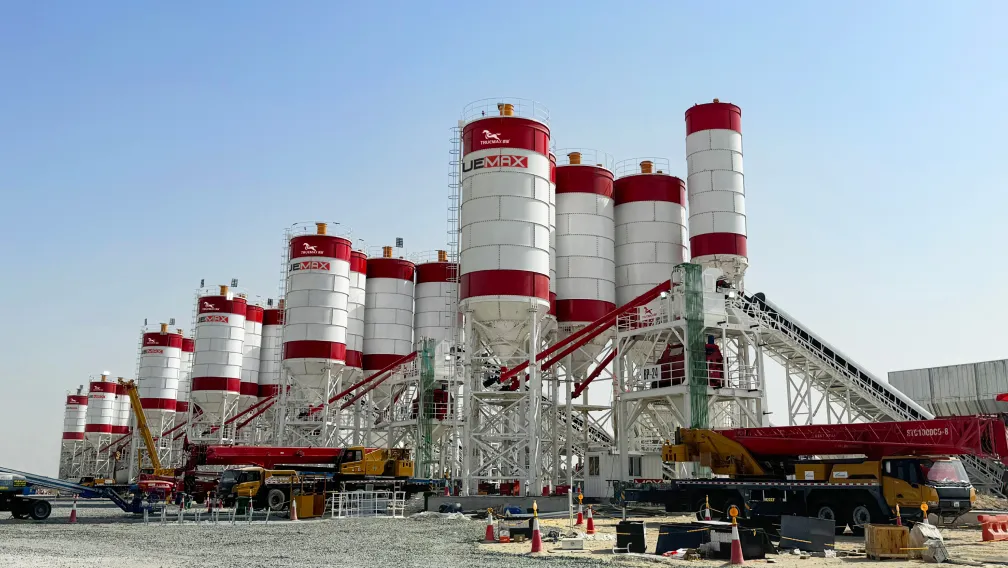
Maximizing the uptime of your concrete pumping fleet requires utilizing metallurgically superior wear components and adhering to strict inspection protocols. Truemax provides premium tungsten carbide spectacle plates, twin-wall induction-hardened pipelines, and heavy-duty polyurethane rams engineered specifically for high-abrasion environments and mega-project demands. For detailed wear part compatibility, bulk provisioning for commercial batching operations, or technical maintenance training for your fleet mechanics, contact our engineering support team via the contact page for immediate assistance.
-

TrueMax
Concrete & Construction Equipment ManufacturerEstablished in 2003, Truemax designs, manufactures, and delivers concrete pumping equipment, crushing machinery, and construction hoisting systems from our own factory in Haining, China to jobsites in over 120 countries.