

 LANGUAGE
1. The Fluid Dynamics and Porosity Challenges of Lightweight Concrete
Structural Lightweight Concrete (SLWC) is heavily specified in modern skyscraper and long-span bridge designs to reduce the total dead load of the superstructure. By replacing standard hard-rock coarse aggregates with Expanded Shale, Clay, and Slate (ESCS), structural engineers can reduce the concrete density from a standard 2,400 kilograms per cubic meter down to 1,600 to 1,900 kilograms per cubic meter while maintaining high compressive strengths.
However, substituting solid stone for expanded aggregates fundamentally alters the fluid mechanics of the mix during the delivery phase. ESCS aggregates achieve their low density due to a highly vesicular, porous internal cellular structure. Under standard atmospheric pressure, these pores hold air. When the concrete is subjected to extreme hydraulic pressure inside a delivery pipeline, the surrounding free mixing water is violently forced into these aggregate pores. This dynamic absorption strips the cement paste of its lubricating moisture, dropping the concrete slump to zero in a fraction of a second. The resulting dry aggregate friction causes immediate, catastrophic blockages within the pipeline, stalling the pumping equipment and creating severe equipment recovery hazards.
2. Pre-Saturation Protocols at the Production Source
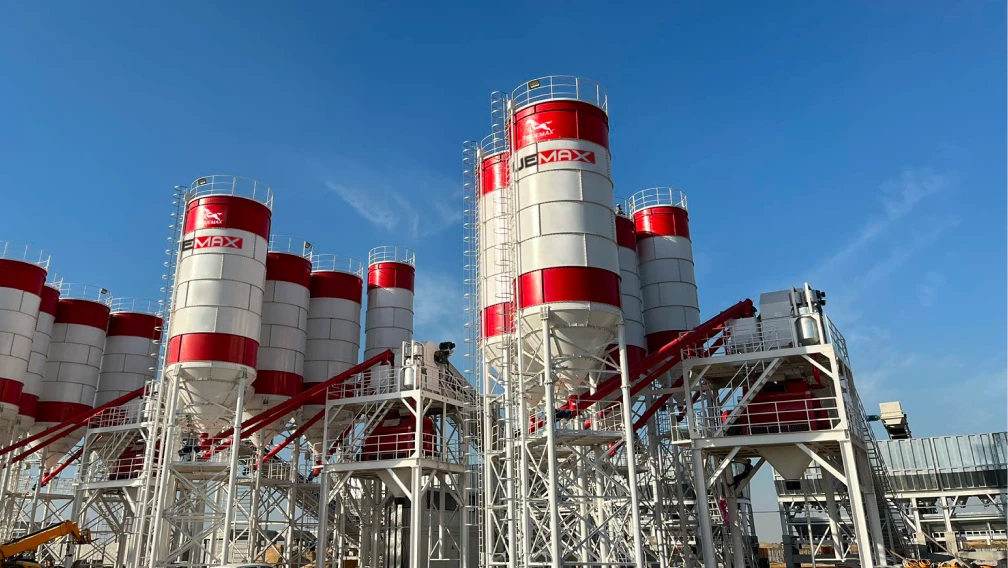
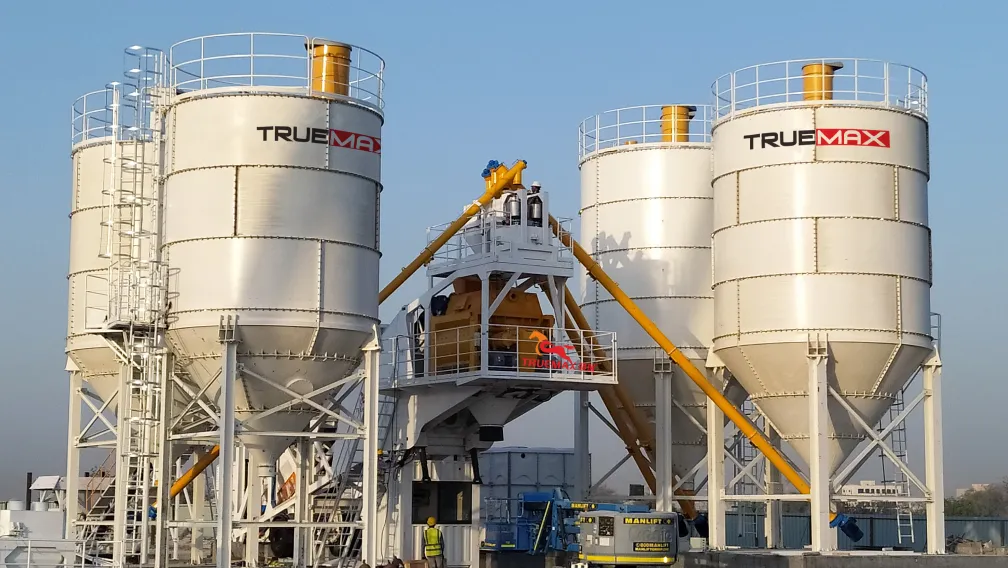
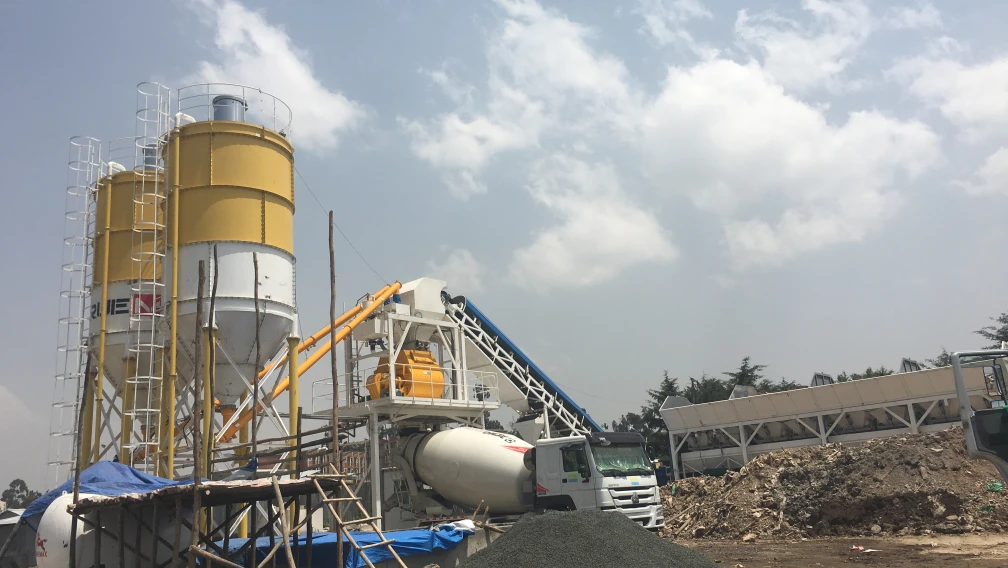
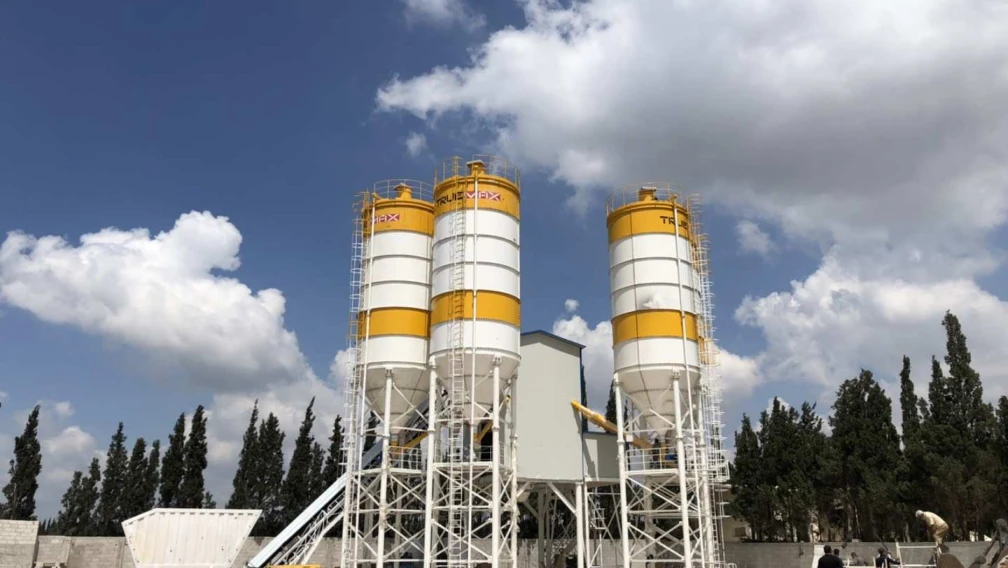
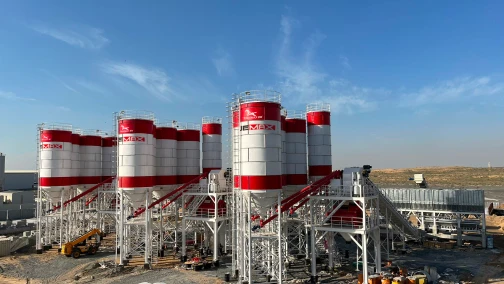
Pumping SLWC successfully depends almost entirely on neutralizing the absorption capacity of the lightweight aggregates before the cement and water are introduced. If the internal cellular pores are already filled with water, they cannot absorb the mixing water under pump pressure. This requires rigorous pre-saturation protocols at the Concrete Batching Plant.
Standard sprinkling is rarely sufficient. Moisture must penetrate deeply into the core of the aggregate. Plant operators employ three primary methods to achieve total saturation:
- Thermal Quenching: The ESCS aggregates are extracted from the manufacturing rotary kiln at high temperatures and immediately plunged into cold water. The rapid cooling creates an internal vacuum within the cellular structure, instantly drawing water deep into the pores.
- Vacuum Saturation Tanks: For highly specialized high-rise projects, batch plants integrate pressurized vacuum tanks. Aggregates are placed inside the sealed tank, the air is mechanically evacuated, and water is flooded in. When normal atmospheric pressure is restored, the water is driven entirely into the aggregate matrix.
- Extended Stockpile Sprinkling: In conventional setups, the lightweight aggregate stockpiles are continuously soaked with high-volume sprinkler networks for a strict minimum of 48 to 72 hours. Continuous turning by wheel loaders ensures uniform moisture distribution.
Because saturated lightweight aggregates carry immense internal moisture, batch plant control systems must utilize advanced microwave moisture sensors. The central automation logic subtracts the internal aggregate moisture from the total liquid water dosage to prevent severe over-hydration of the cement matrix.
3. Specific Gravity Differentials and Transit Agitation
Transporting SLWC introduces a unique rheological phenomenon known as aggregate flotation. In standard concrete, dense stone sinks slowly against the viscosity of the cement paste. In SLWC, the saturated expanded aggregates possess a specific gravity significantly lower than the dense cement-sand paste surrounding them. Consequently, the coarse aggregates actively attempt to float to the surface of the mixture.
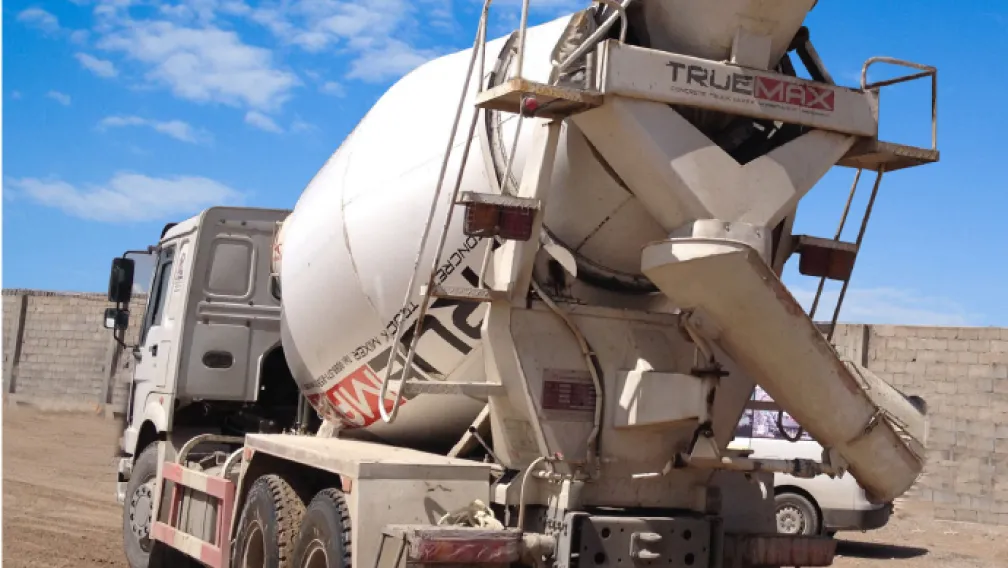
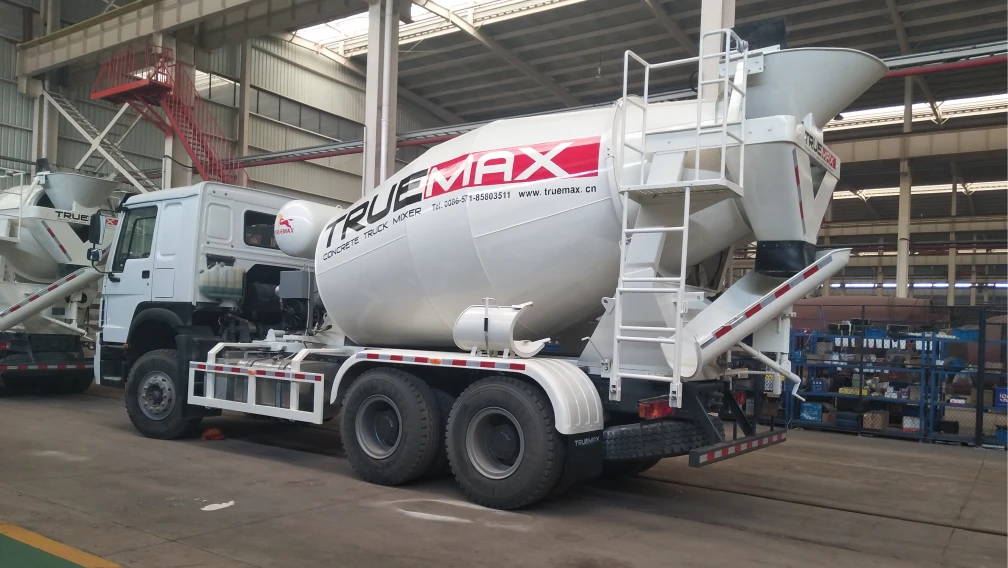
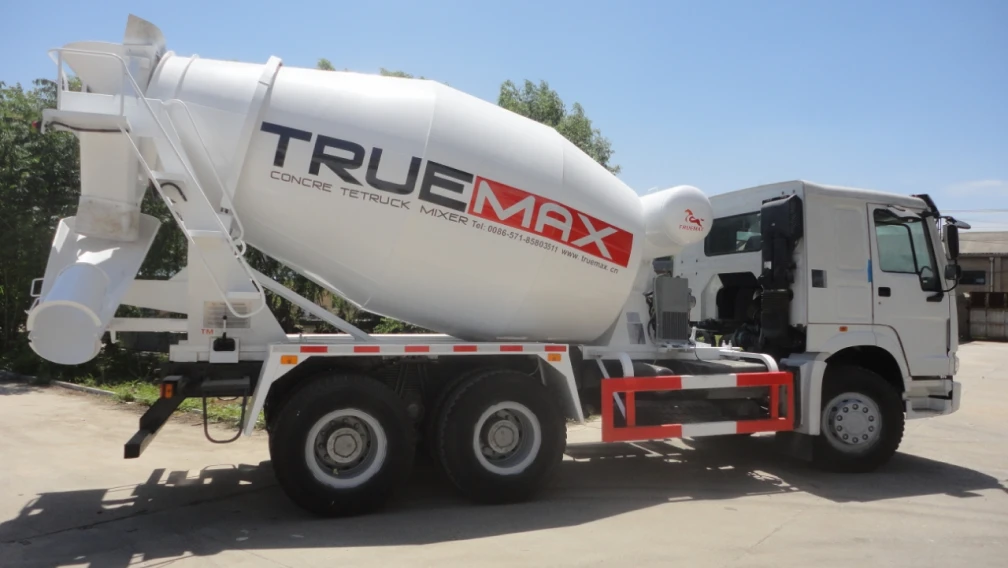
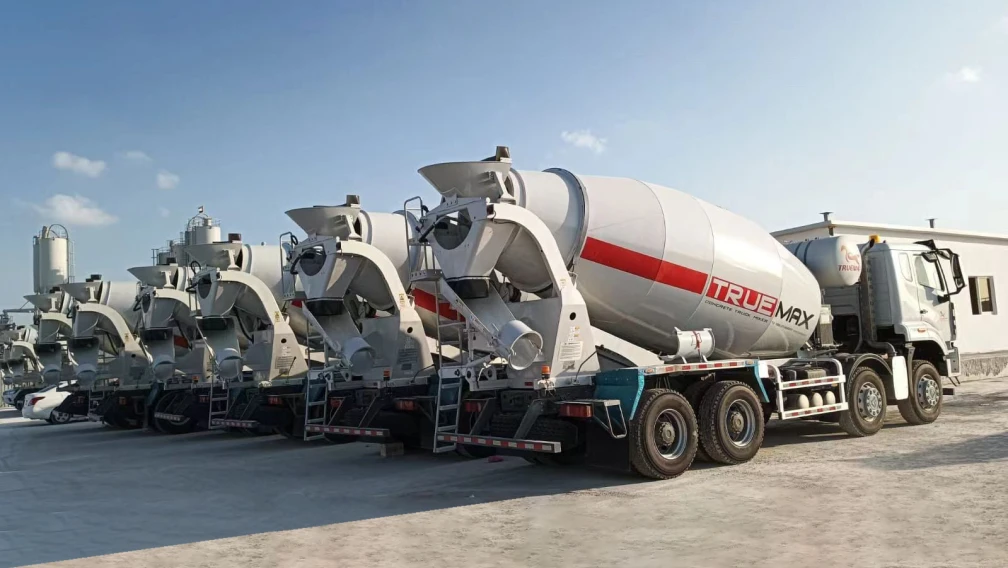
If the mix sits idle, severe segregation occurs. The delivery fleet of Concrete Truck Mixers must maintain continuous, controlled drum agitation throughout the entire transit window. However, the mechanical agitation speed must not exceed 2 to 3 revolutions per minute. ESCS aggregates are physically fragile compared to solid granite or limestone. Rapid drum rotation generates excessive mechanical grinding, which fractures the porous stones, alters the aggregate gradation curve, and introduces excess fines into the paste, radically altering the final slump and pumping resistance.
4. Hydraulic Pump Configuration and Pressure Mitigation
Operating concrete pumping machinery with SLWC requires abandoning standard high-pressure methodologies. The cardinal rule of pumping lightweight concrete is to minimize the line pressure. High hydraulic pressure forces water into whatever remaining pore space exists within the aggregate, inducing instant slump loss.
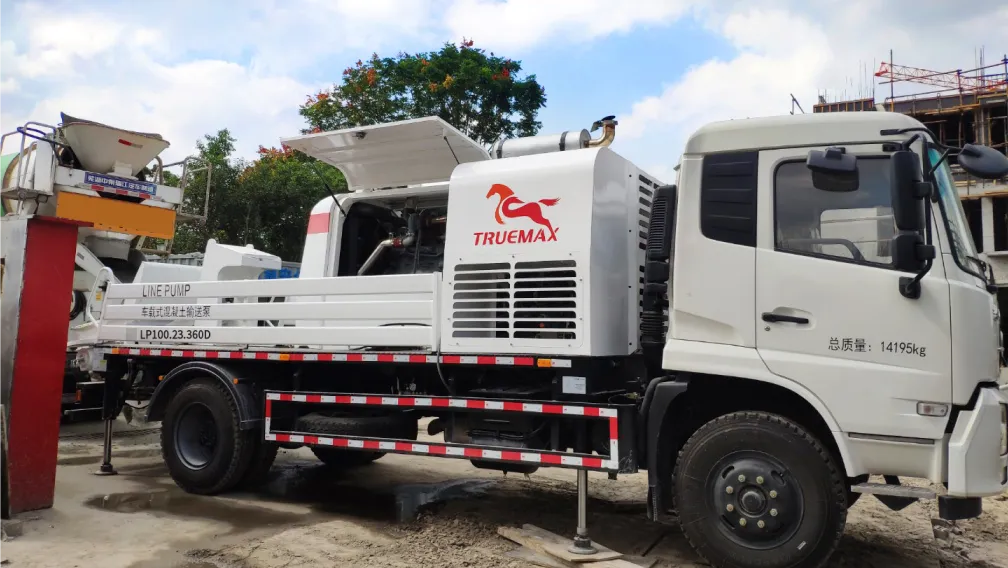
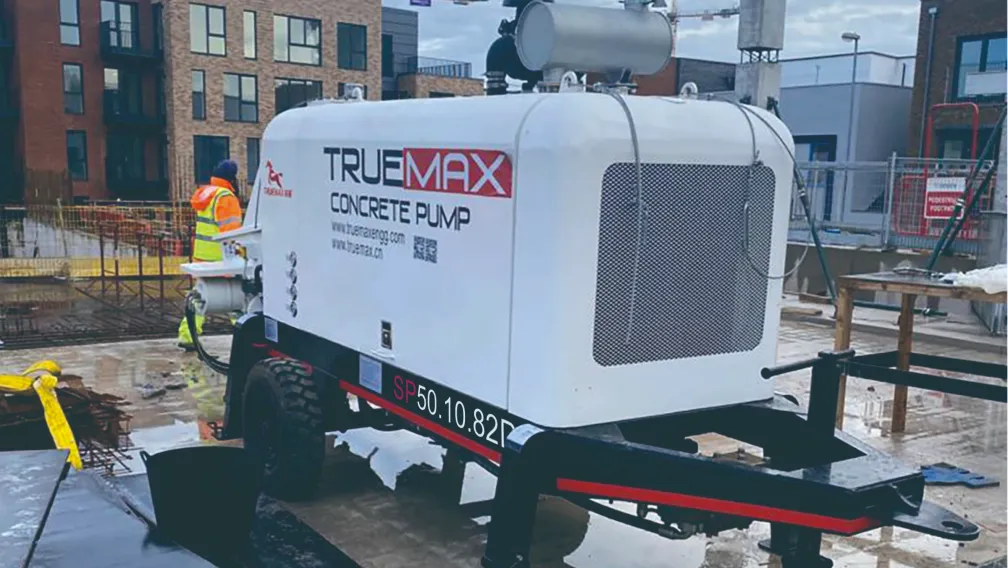
When utilizing a Stationary Concrete Pump, operators configure the hydraulic circuit to rod-side drive mode to maximize cylinder velocity while keeping delivery pressure low. The volume control dial is set to a smooth, moderate output rate. Rapid surging or cycling the S-valve at maximum speed generates violent pressure spikes (water hammer effect). These sudden kinetic impacts drive water into the aggregates much faster than steady, continuous pressure.
Furthermore, operators must bypass the standard reduction limits. A standard 150 mm to 125 mm conical reducer at the pump outlet forces the concrete through a bottleneck, exponentially increasing the internal shear stress and radial pressure. When pumping sensitive SLWC vertically up a high-rise core, engineers bypass the reducer and run a continuous 150 mm (6-inch) heavy-wall pipeline for the entire vertical riser height. The larger internal volume slows the concrete flow velocity and drastically lowers the friction resistance per cubic meter.
5. Boom Pump Kinematics and Downward Pumping Risks
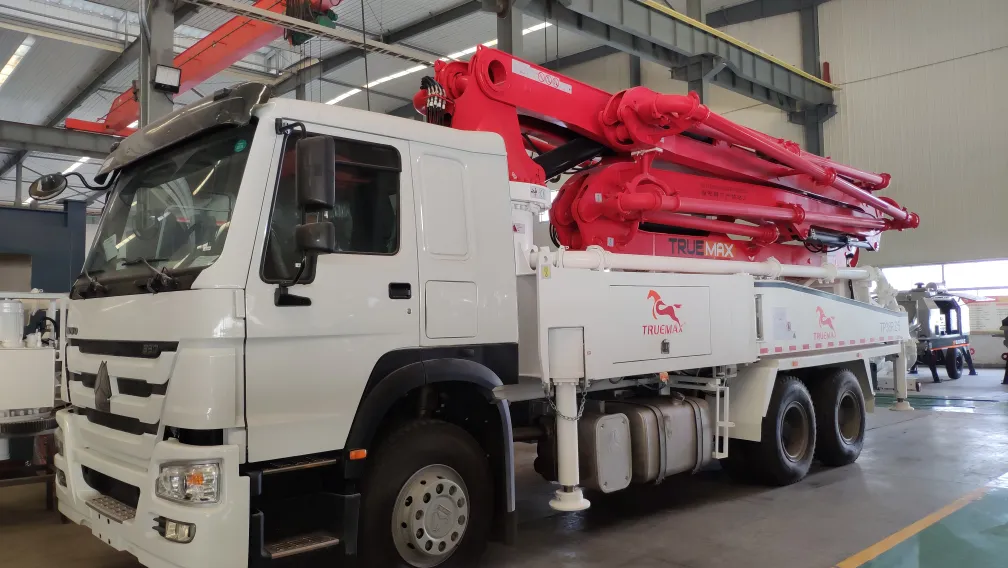
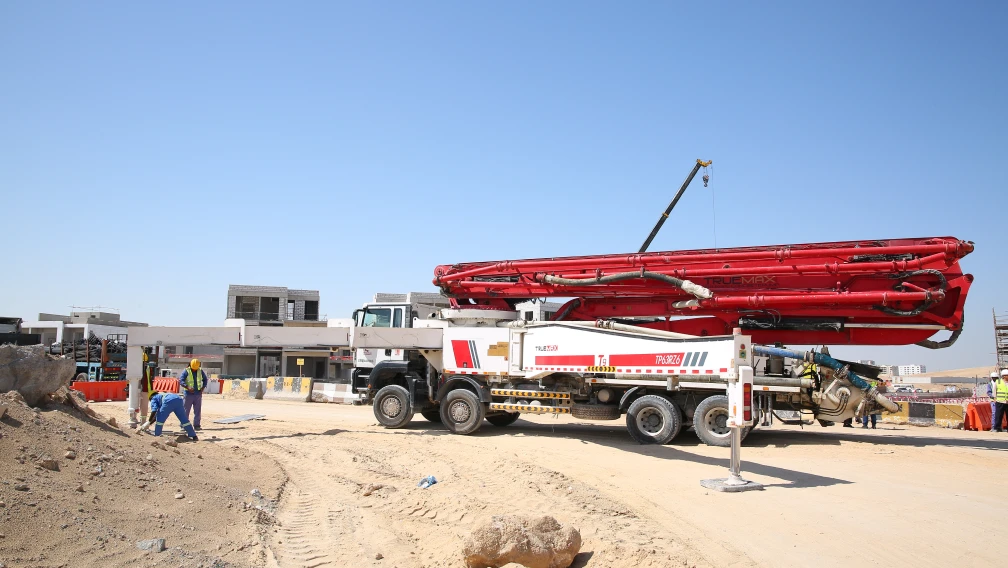
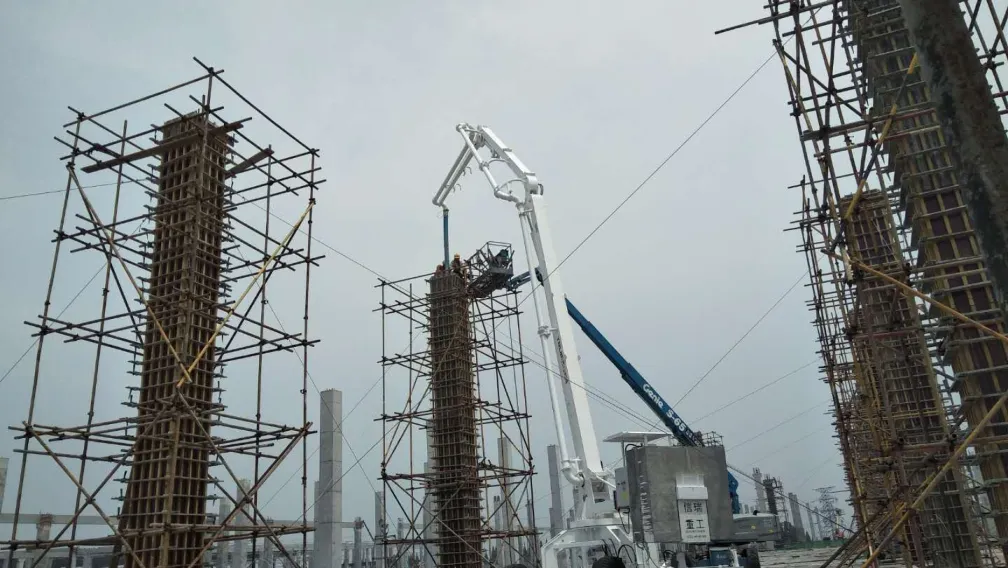
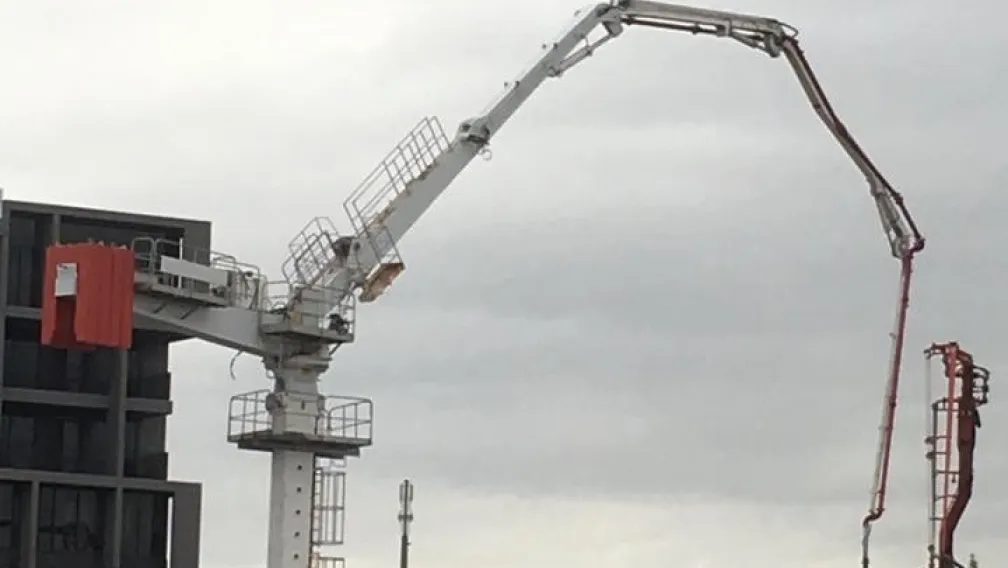
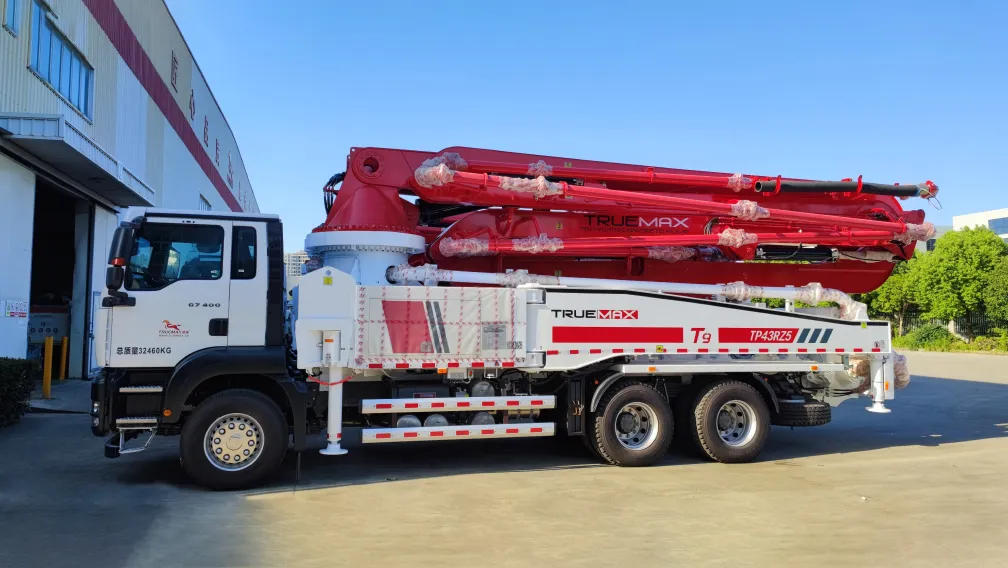
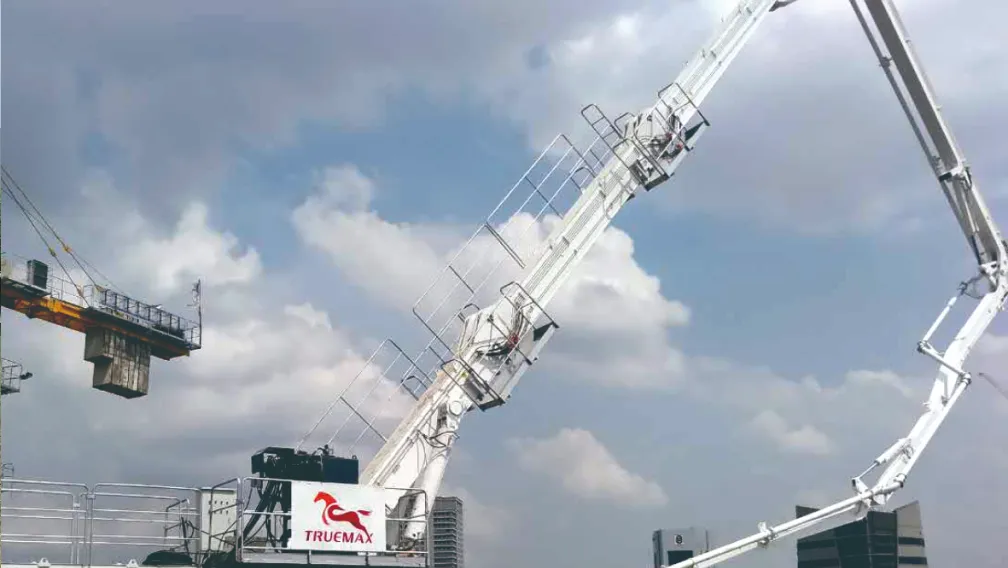
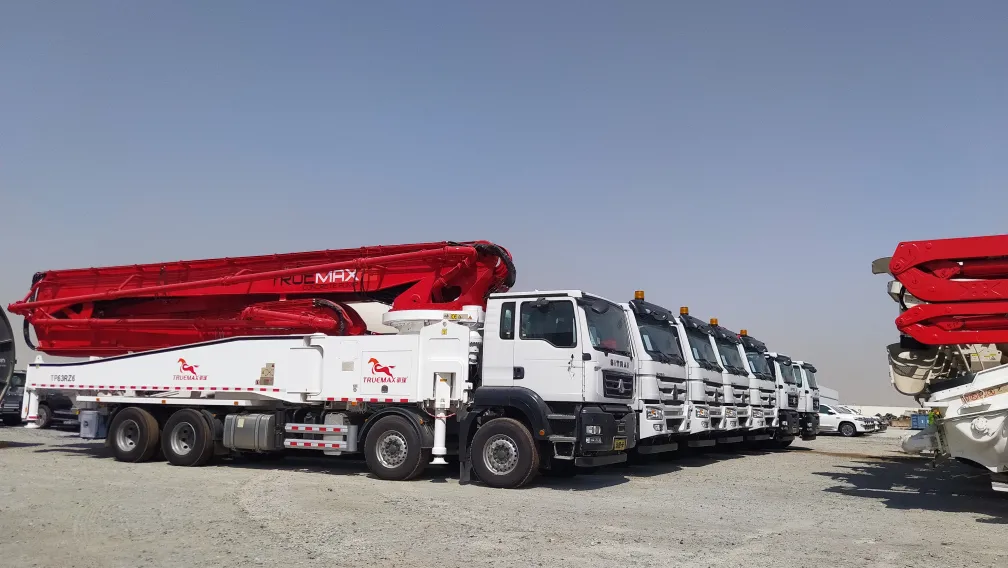
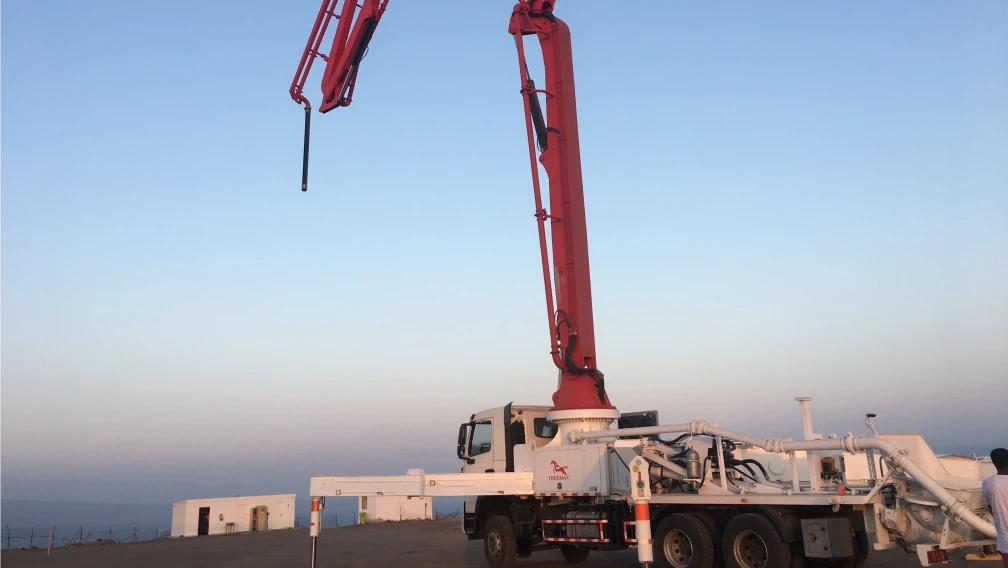
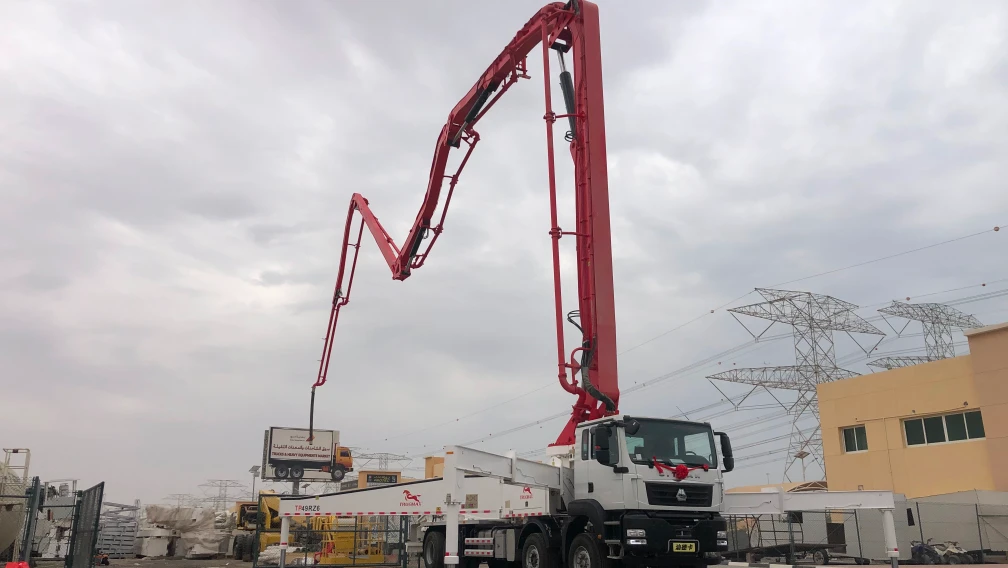
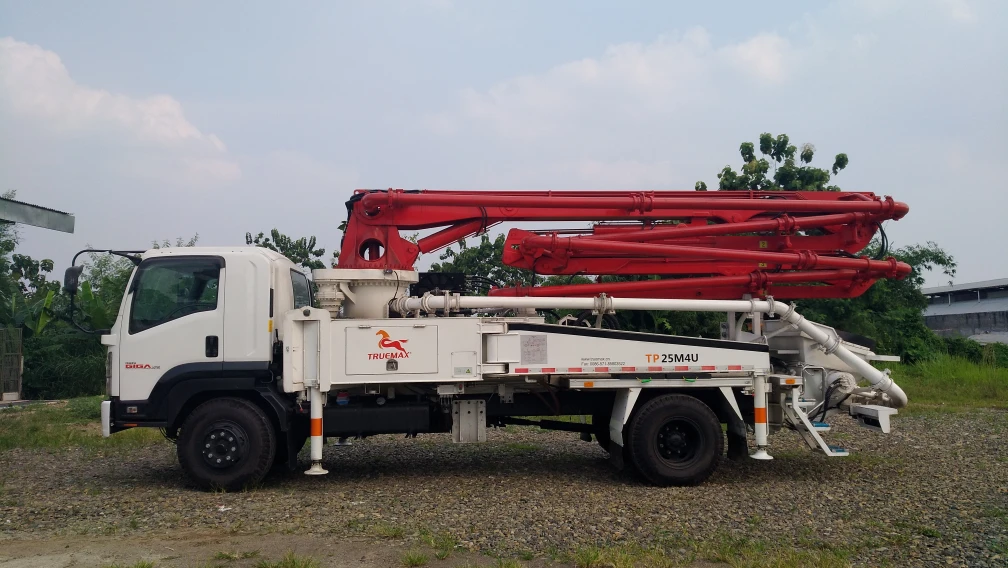
Distributing lightweight concrete across wide elevated decks often requires a Truck-Mounted Boom Pump. The articulated movement of the boom mast introduces dynamic resistance challenges. Every 90-degree elbow in the folding mast creates localized turbulence and friction, requiring the pump to generate higher pressure.
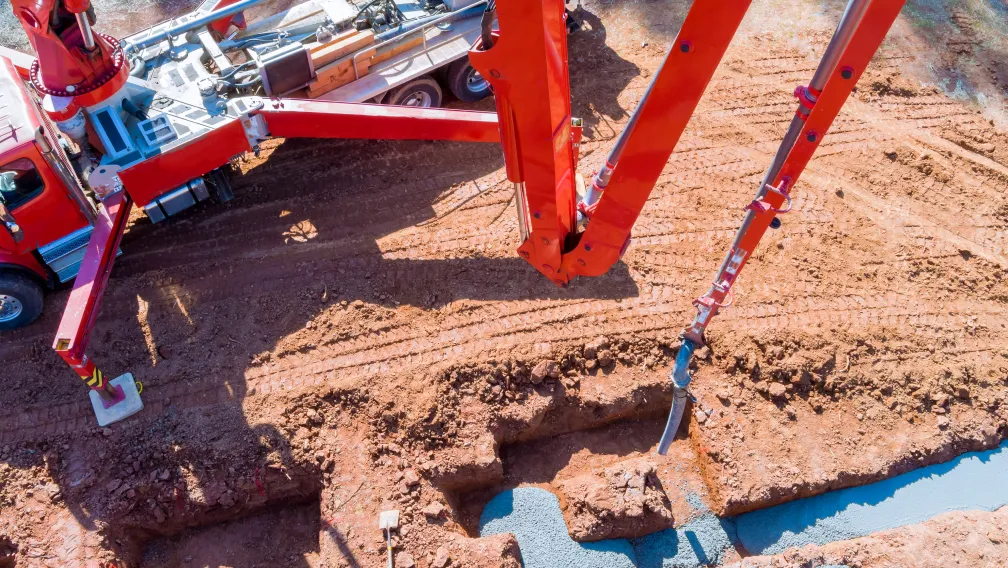
Contractors deploying boom pumps for SLWC must avoid pumping downward. If the boom is articulated so that the end sections point toward the ground, the lightweight concrete will free-fall inside the pipe. This gravitational separation pulls the heavy cement paste away from the lighter coarse aggregates, creating alternating pockets of dry stones and liquid paste. When the dry stone pocket hits the rubber discharge hose, it forms an immediate mechanical plug. Operators must maintain the boom sections in a horizontal or upward-sloping configuration as much as possible, utilizing a specialized restrictor valve or an anti-segregation sponge ball at the discharge hose to maintain artificial backpressure and keep the line fully packed.
6. Slump Loss Calculation and Chemical Lubrication
Even with rigorous pre-saturation and optimized pump hydraulics, SLWC will inherently lose more slump during the pumping process than normal-weight concrete. Pumping pressure will inevitably compress a fraction of the remaining free water into the aggregate pores.
Structural engineers typically specify a placement slump that accounts for a 25 mm to 50 mm (1 to 2 inches) slump loss between the pump hopper and the end hose. To achieve the required fluidity without introducing excess water—which would compromise compressive strength—the batch plant doses the mix heavily with Polycarboxylate (PCE) High-Range Water Reducers and Viscosity Modifying Admixtures (VMAs). The VMAs artificially thicken the paste, increasing its cohesion and preventing the lightweight aggregate from floating, while the PCE superplasticizers provide the lubricating boundary layer necessary to slide the cohesive mass against the steel pipe walls.
7. Frequently Asked Questions
Q1: Why does pumping pressure cause lightweight concrete to lock up in the pipeline?
A: Lightweight aggregates like expanded shale have a porous, sponge-like internal structure. High pumping pressure forces the liquid mixing water out of the cement paste and into these microscopic pores. Without lubricating water, the cement paste dries out instantly, causing the aggregates to grind against the steel pipe and lock into a solid mechanical plug.
Q2: How long must lightweight aggregates be pre-soaked before batching?
A: Standard industry practice (ACI 213R) requires lightweight aggregate stockpiles to be continuously sprinkled with water for a minimum of 48 to 72 hours. The water must penetrate past the surface and fill the internal cellular structure completely to neutralize the aggregate's absorption capacity.
Q3: Should I use a 125 mm (5-inch) or 150 mm (6-inch) pipeline for pumping SLWC?
A: Always use a 150 mm (6-inch) pipeline when pumping SLWC, especially for vertical high-rise runs. The larger diameter drastically reduces flow velocity and minimizes the internal friction and radial pressure required to move the concrete. Lower pressure means less water is forced into the aggregate pores.
Q4: Why is it dangerous to agitate lightweight concrete at high speeds in a mixer truck?
A: Expanded lightweight aggregates are structurally fragile compared to solid granite or river gravel. High-speed mixing generates intense grinding friction that crushes the aggregate, increasing the surface area and generating excess dust. This alters the mix proportion and increases the water demand, making the concrete unpumpable.
Q5: Can I pump lightweight concrete downward into a basement or deep foundation?
A: Pumping SLWC downward is highly risky. The lighter aggregate tends to separate from the heavier cement paste during free-fall, leading to vacuum segregation. If downward pumping is unavoidable, the delivery line must be fitted with a U-loop or a mechanical pinch valve at the bottom to maintain positive backpressure and keep the pipe packed full.
Q6: What is the correct procedure for priming the pump line for lightweight concrete?
A: Because SLWC is prone to sudden friction spikes, pipeline lubrication is critical. Operators must pump a high-volume, extremely rich cement-water slurry through the entire pipeline to coat the bare steel walls thoroughly. Standard chemical priming pouches are often insufficient for the extreme friction generated by lightweight mixes.
8. Technical Equipment Consultation
Pumping structural lightweight concrete requires specialized hydraulic configurations and rigorous aggregate moisture management to prevent catastrophic line blockages. For customized equipment solutions, including low-pulsation stationary pumps, high-capacity 150 mm pipeline networks, and automated batch plant moisture compensation systems, submit your project specifications to the Truemax engineering team to receive a comprehensive technical proposal within 24 hours.
-

TrueMax
Concrete & Construction Equipment ManufacturerEstablished in 2003, Truemax designs, manufactures, and delivers concrete pumping equipment, crushing machinery, and construction hoisting systems from our own factory in Haining, China to jobsites in over 120 countries.