

 LANGUAGE

1. The Engineering Parameters of Mass Concrete Placement
Mass concrete placement for mat foundations introduces operational parameters that differ significantly from standard structural pours. The American Concrete Institute (ACI 207.1R) defines mass concrete as any volume of concrete with dimensions large enough to require measures to cope with generation of heat from hydration of the cement and attendant volume change to minimize cracking. In practical terms, foundation mats exceeding 1.0 meter in thickness typically qualify. The core objective during these operations is maintaining a continuous pour to prevent cold joints while strictly controlling the thermal gradient between the core and the surface of the structure.
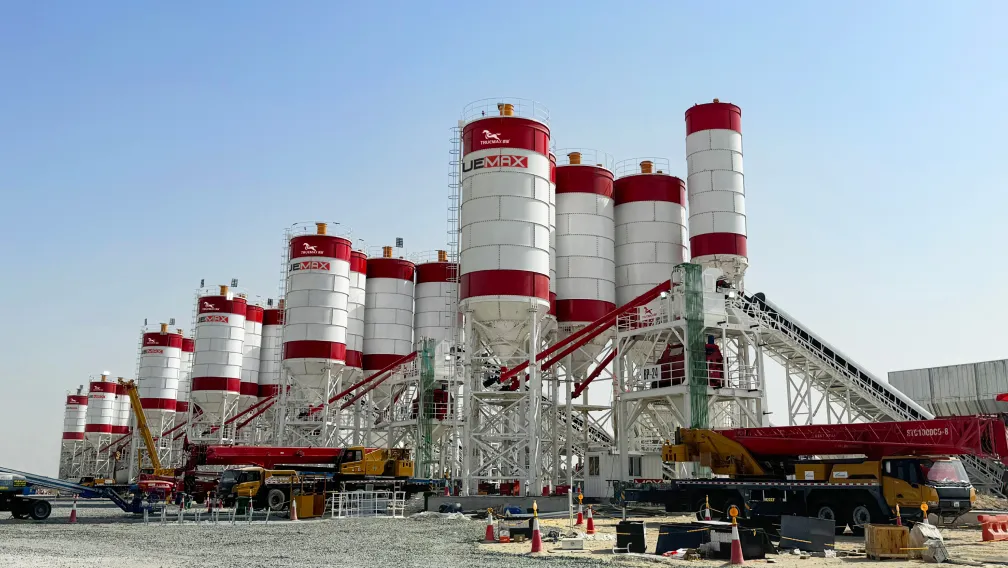
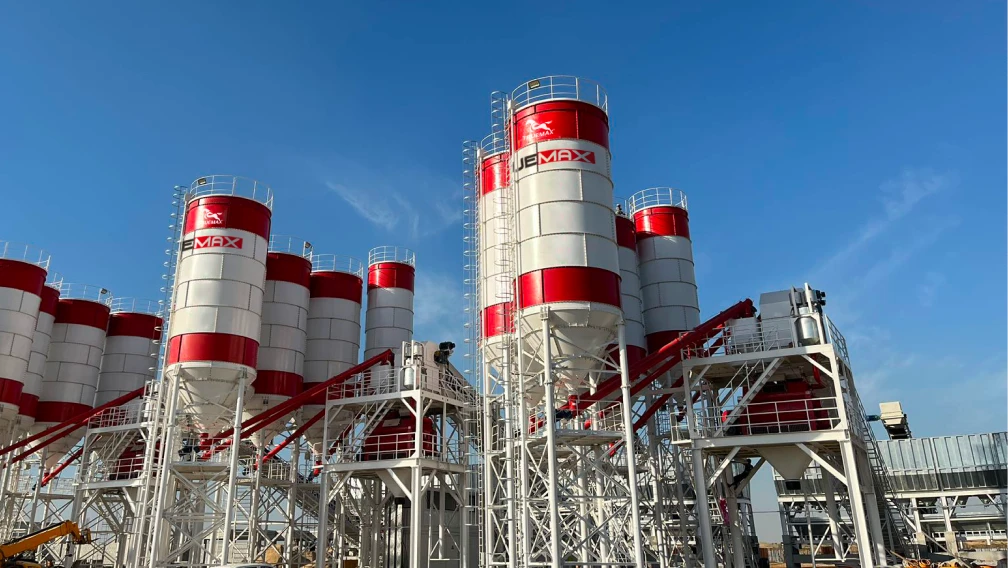
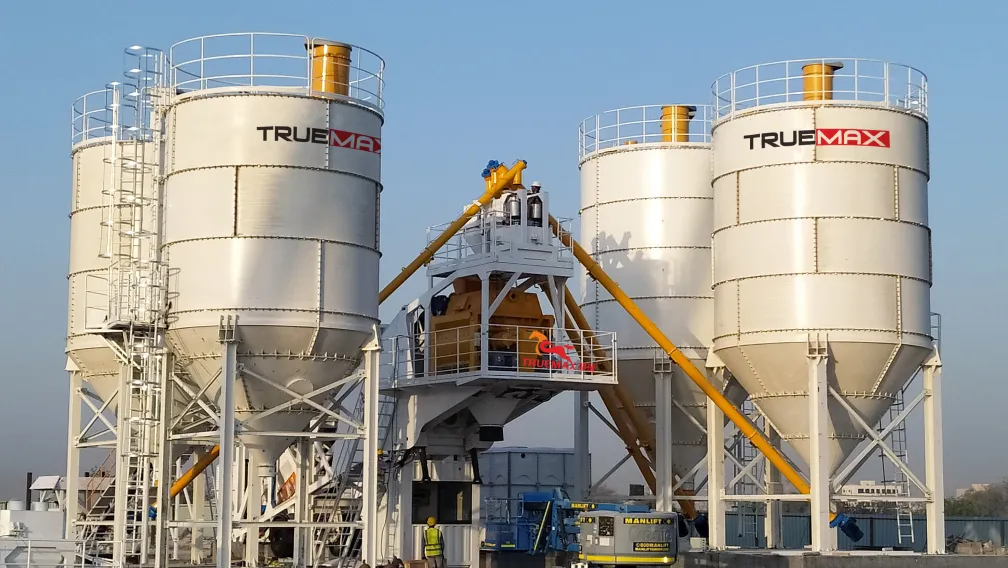
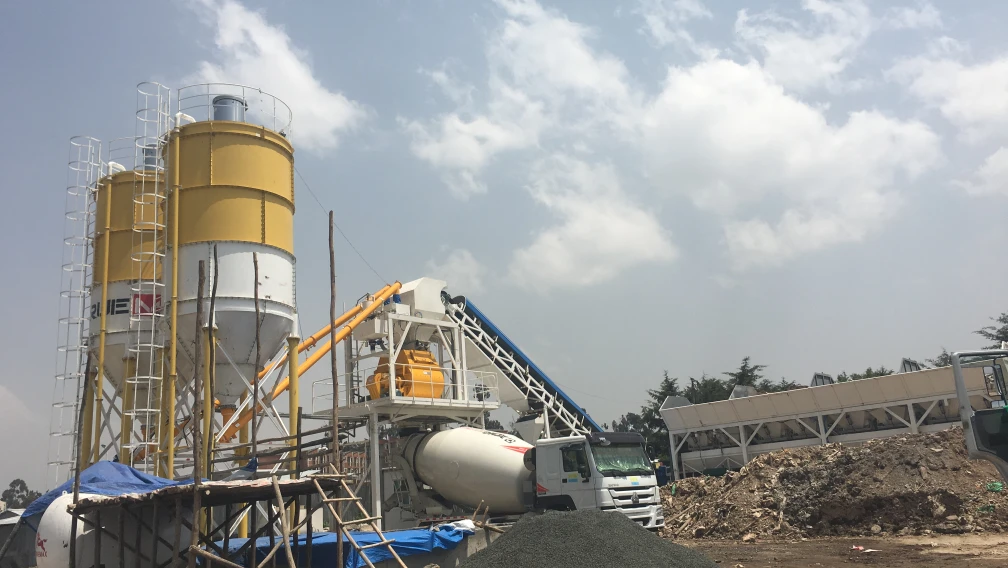
Achieving this requires synchronization across the entire equipment fleet. A 10,000-cubic-meter mat foundation scheduled for a 48-hour continuous pour demands a sustained delivery and placement rate of over 208 cubic meters per hour. This volume cannot be managed through ad-hoc equipment deployment. It requires a mathematically modeled logistical chain connecting the concrete batching plant, the transit fleet, and the pumping hardware at the excavation perimeter.
2. Equipment Redundancy and Site Logistics Planning
Continuous pour operations operate on a zero-downtime tolerance. Equipment redundancy is a fundamental requirement rather than an optional safety factor. For a target placement rate of 200 cubic meters per hour, relying on two pumps operating at maximum capacity introduces unacceptable risk. Standard engineering practice dictates a minimum of N+1 redundancy, meaning if three pumps are required to meet the volumetric demand, four must be deployed and primed on site.
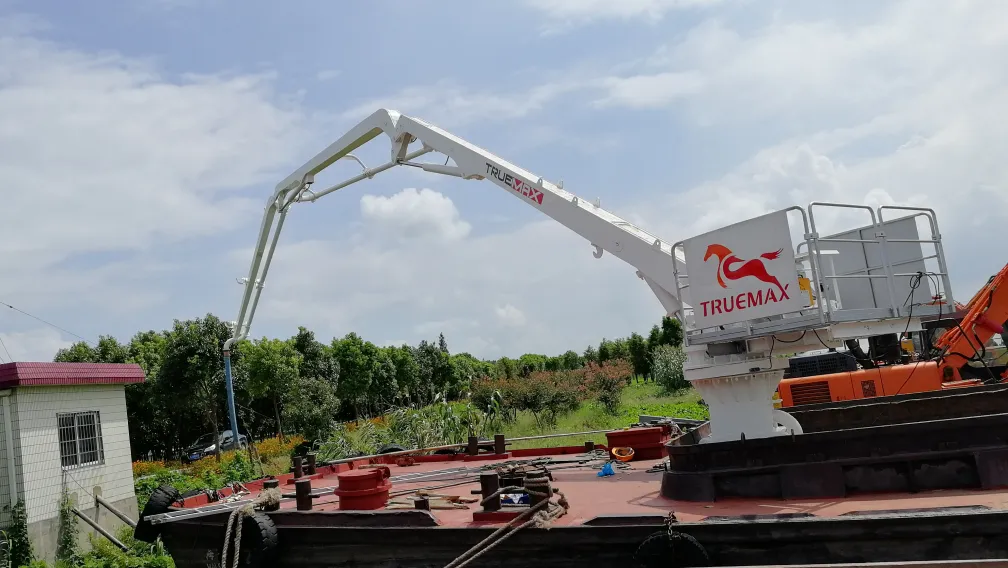
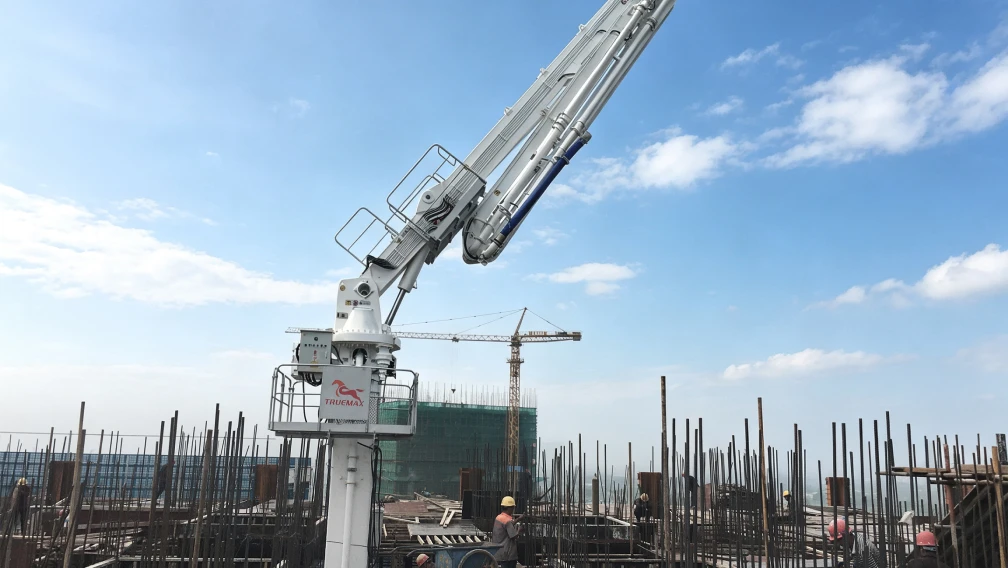
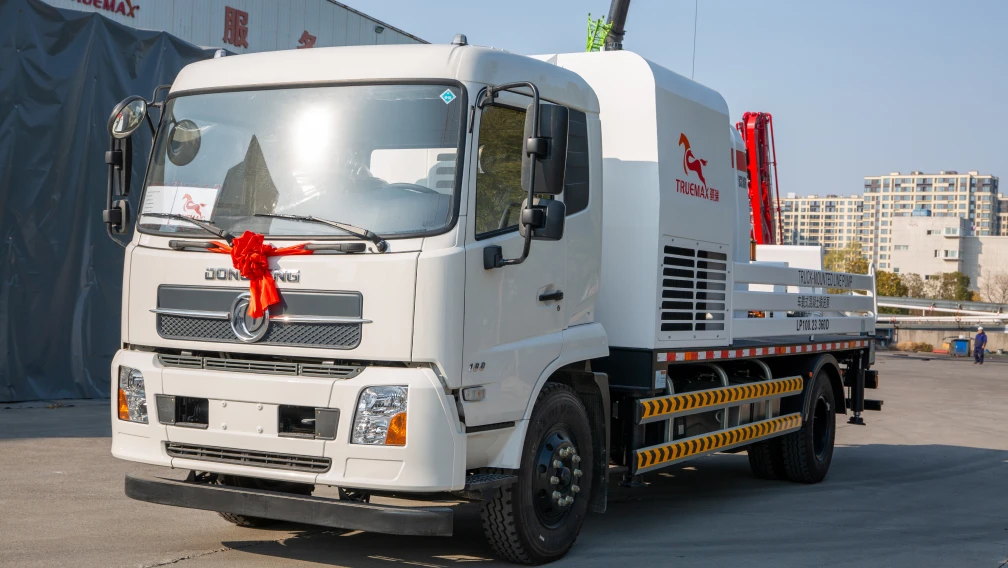
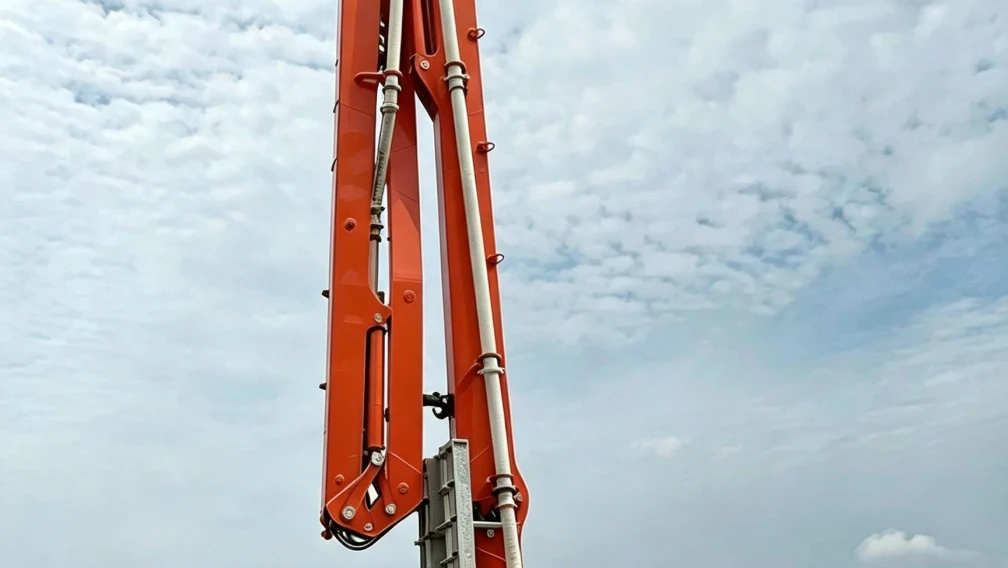
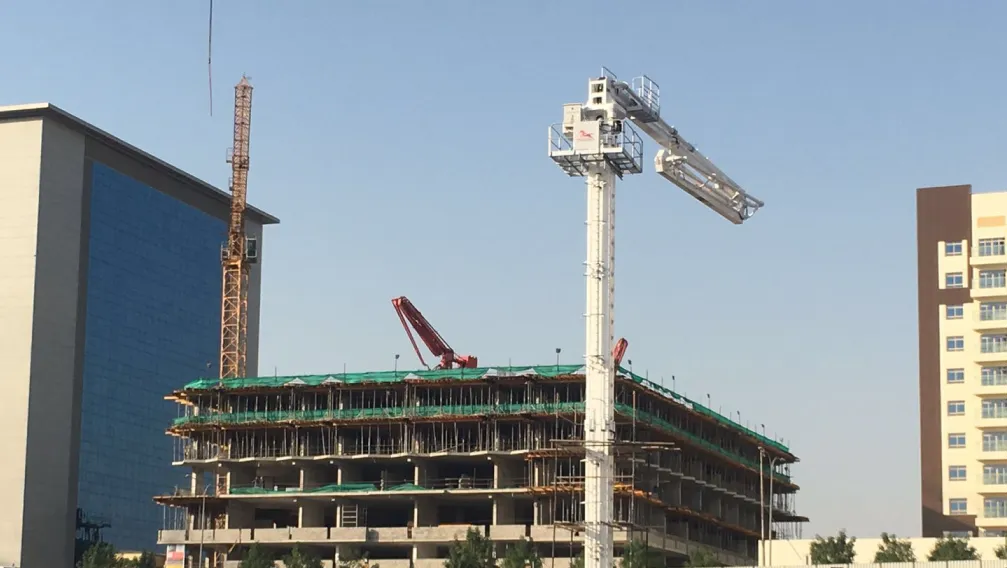
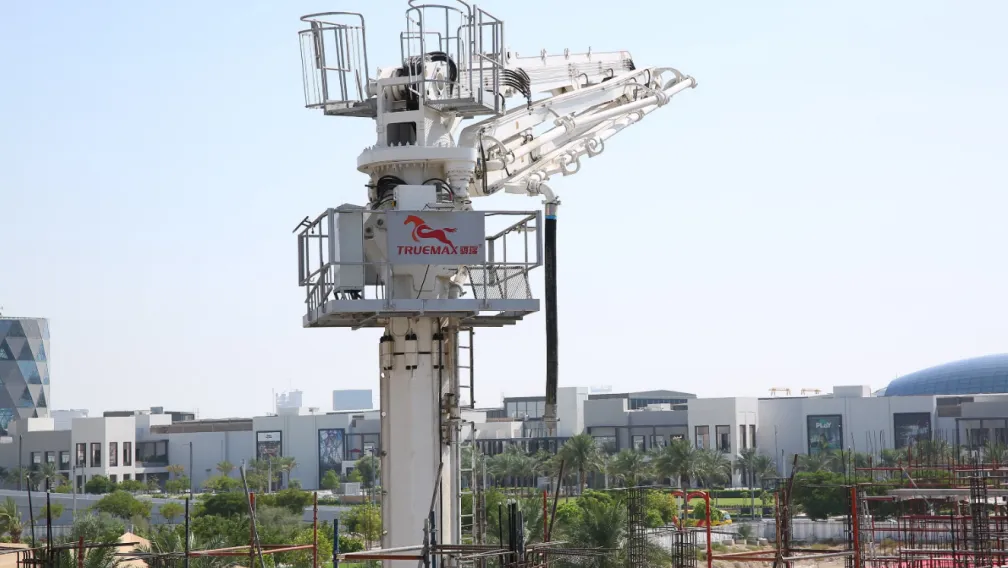
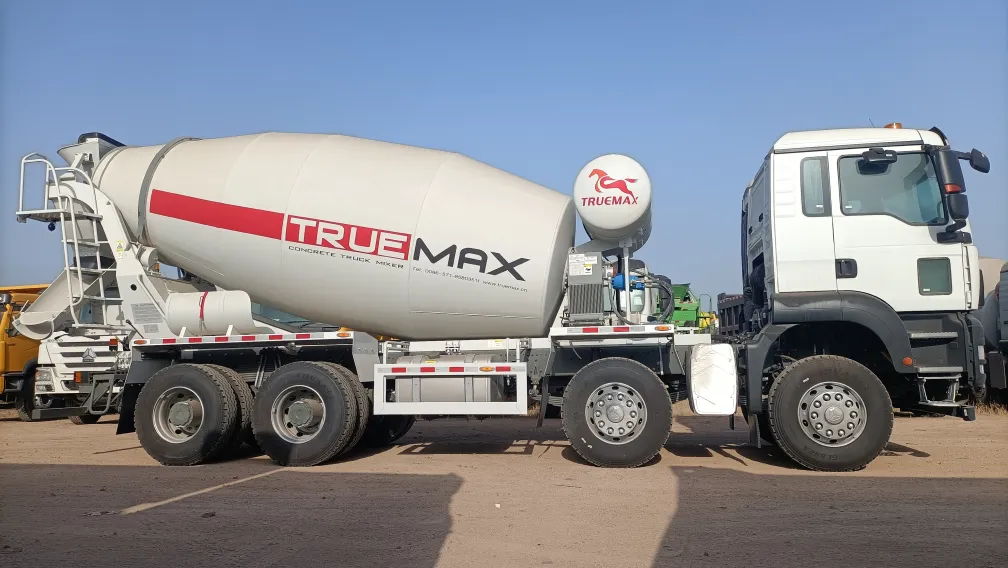
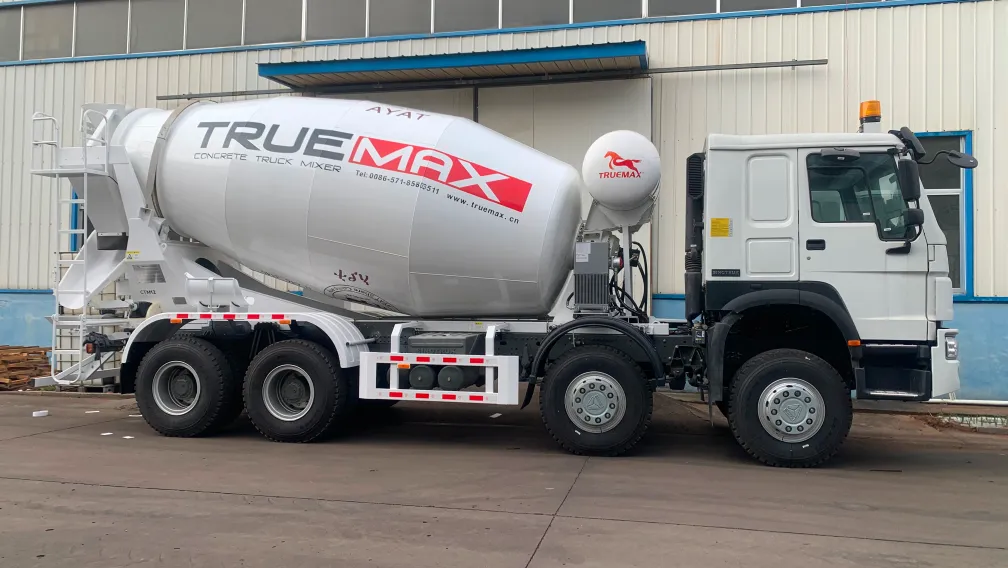
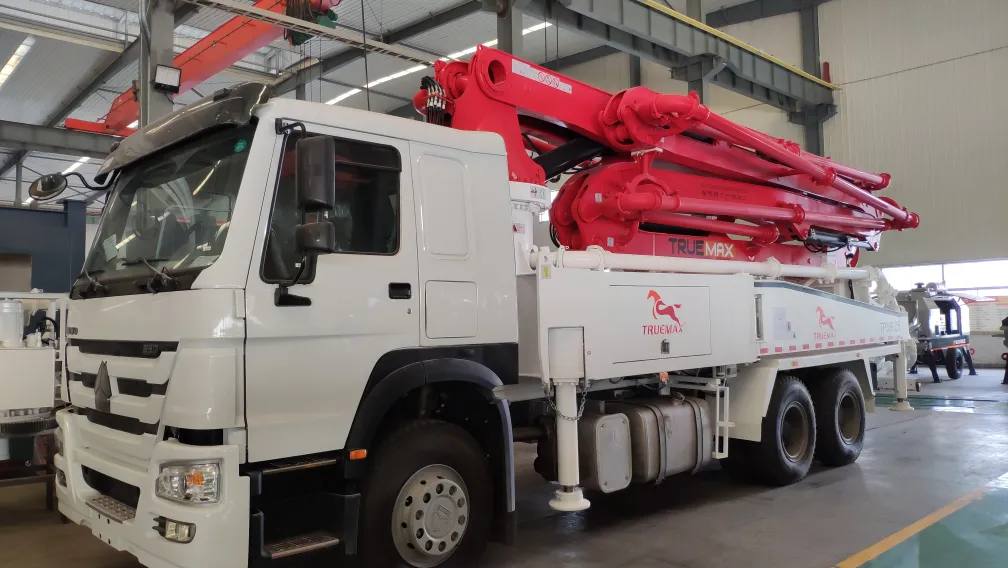
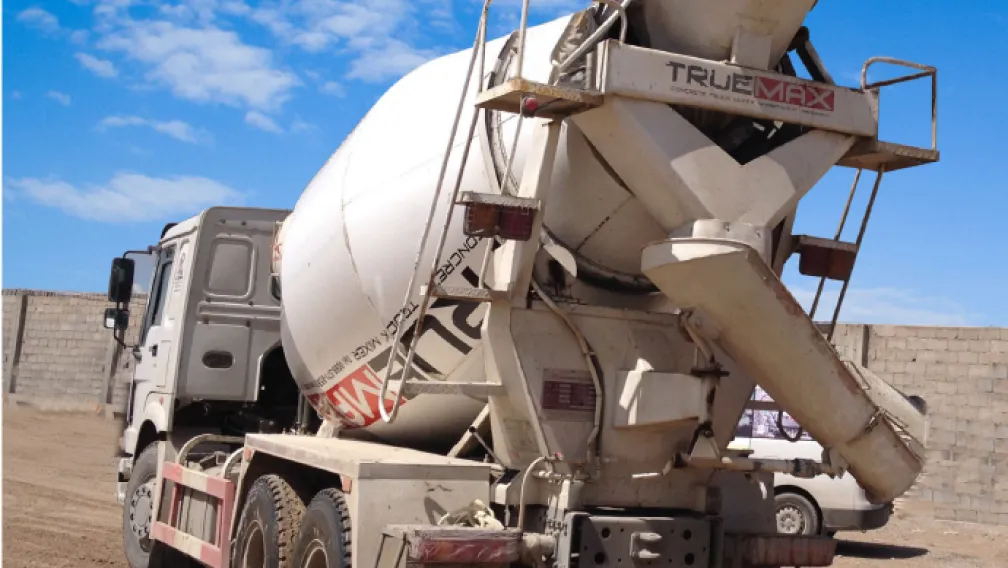
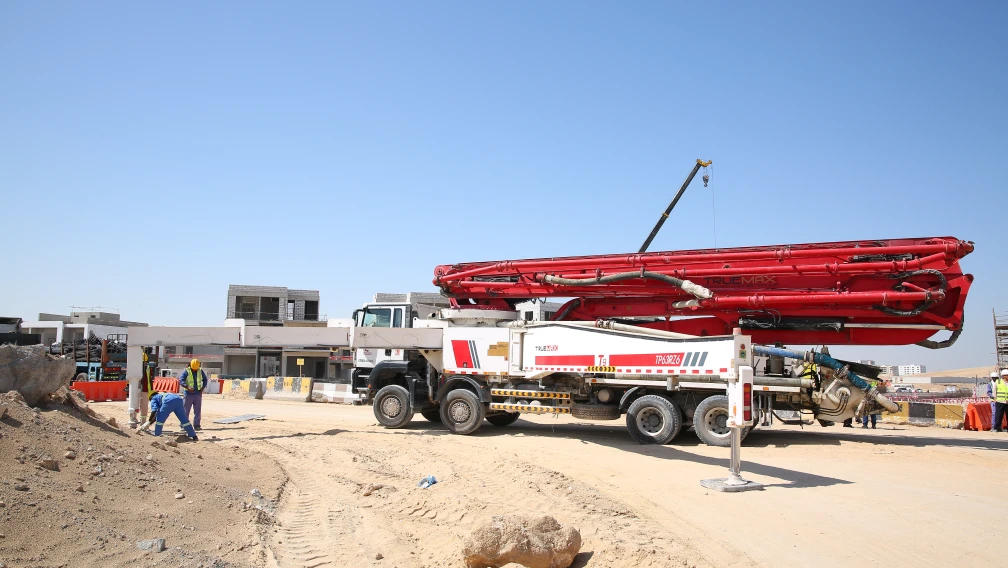
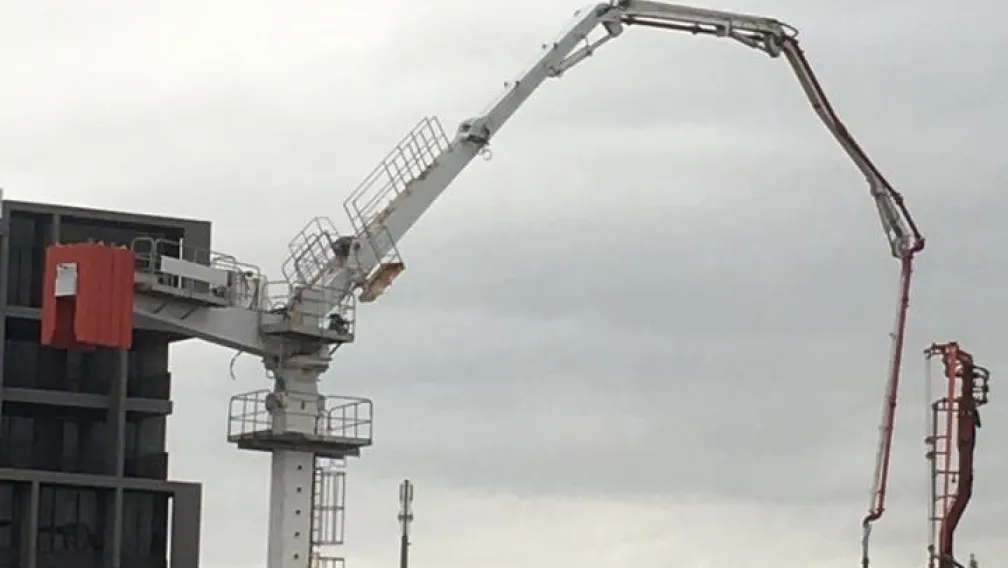
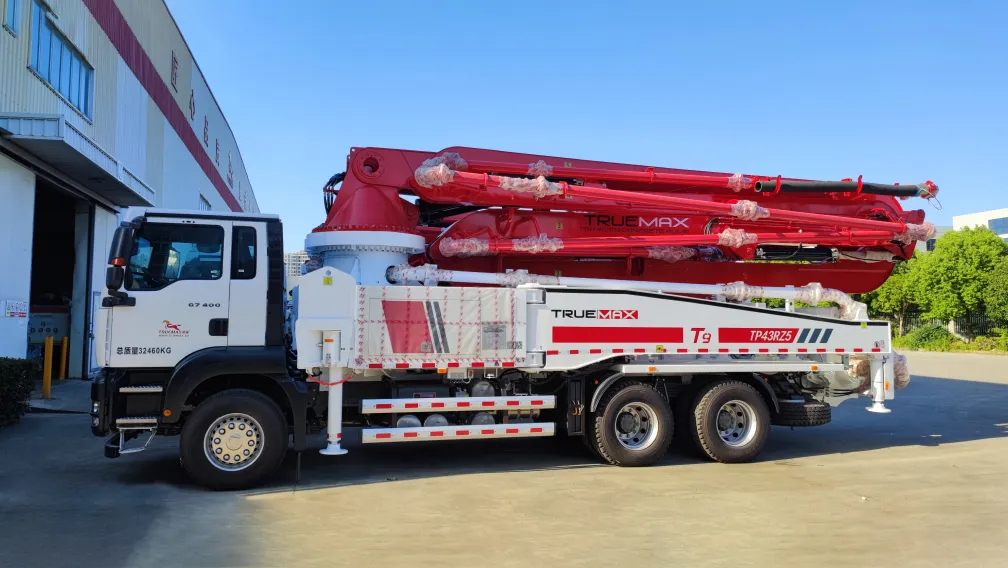
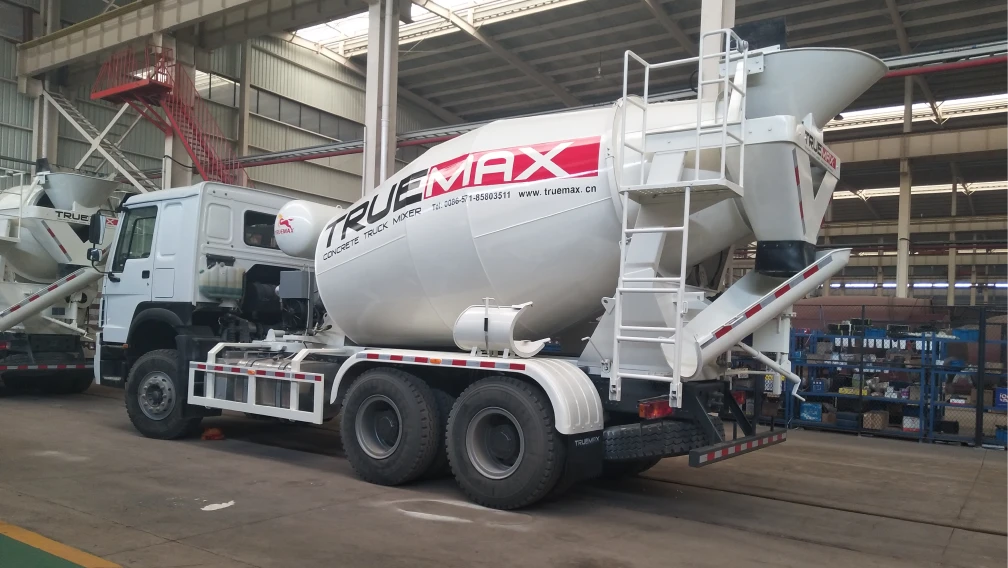
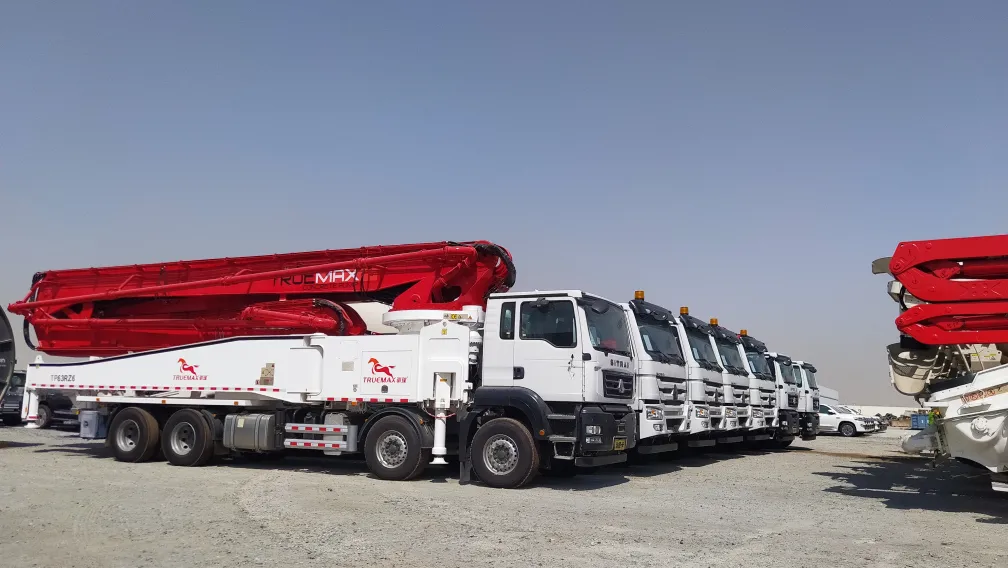
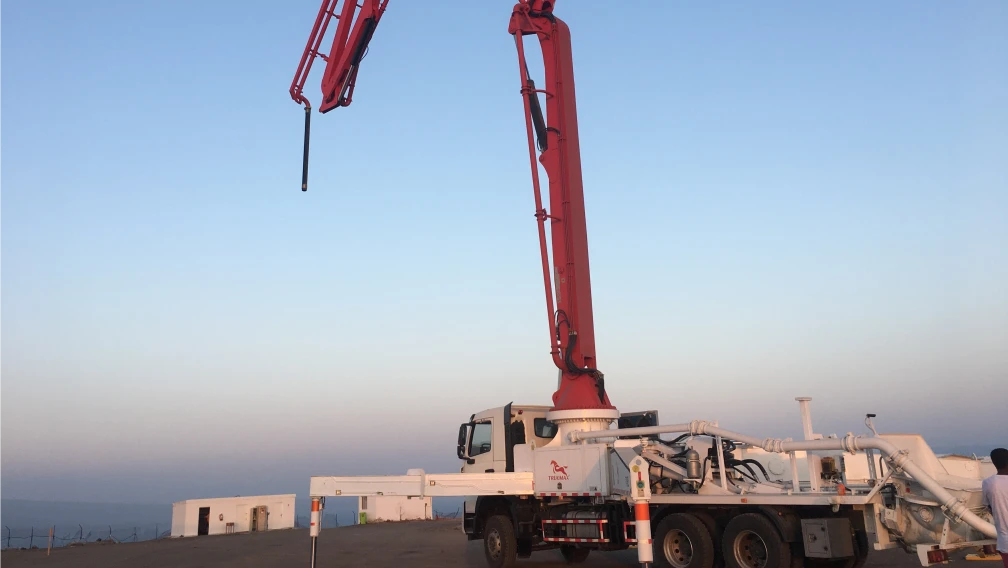
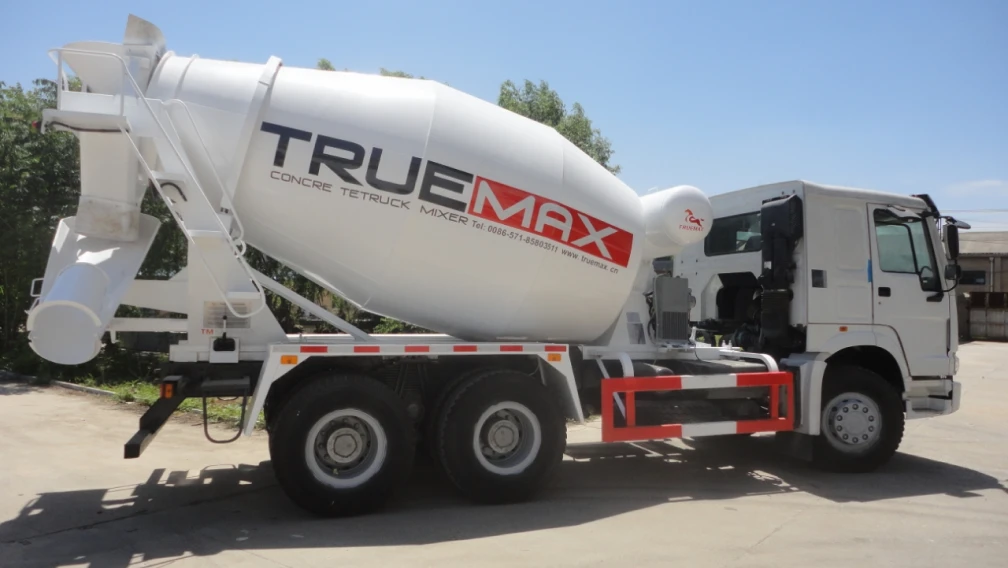
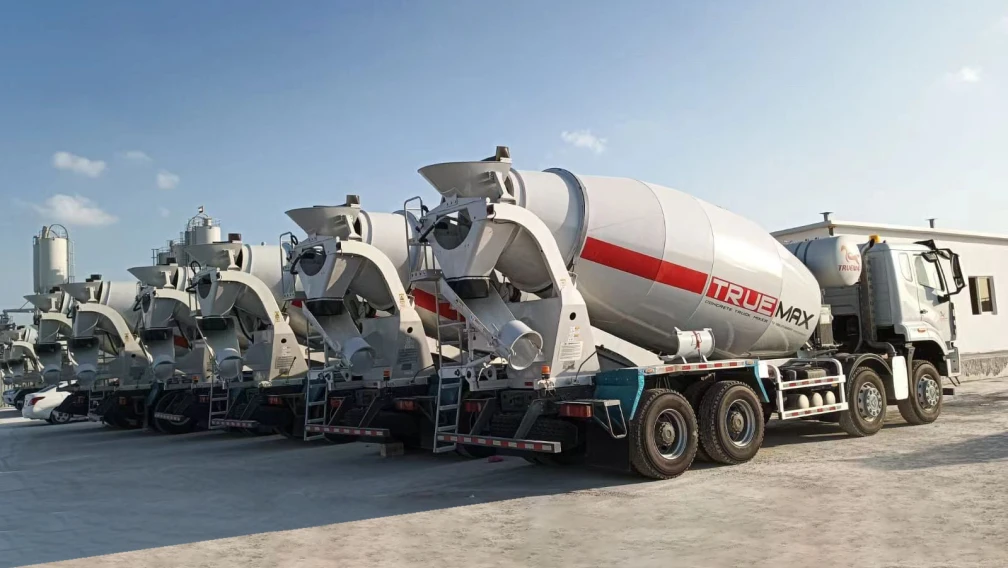
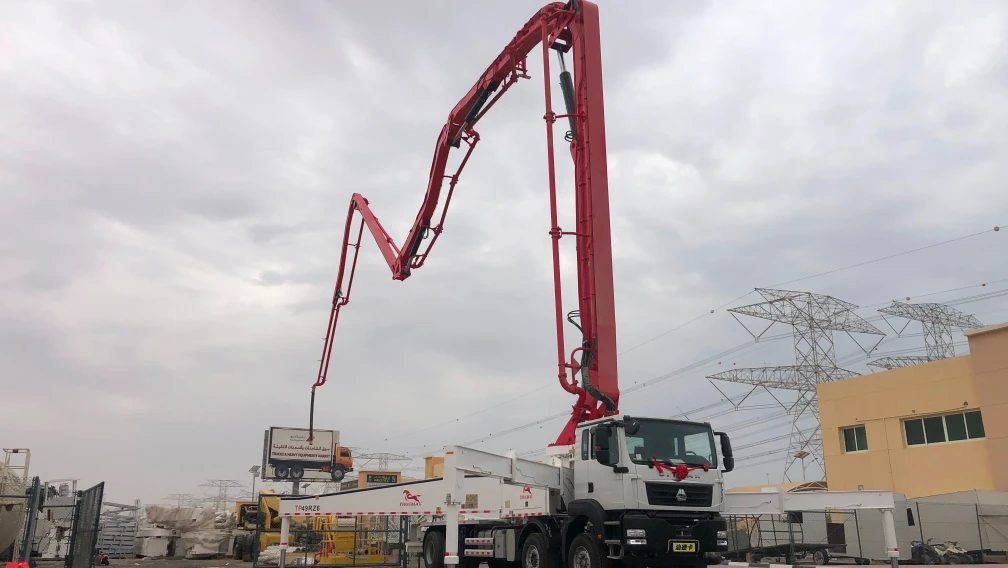
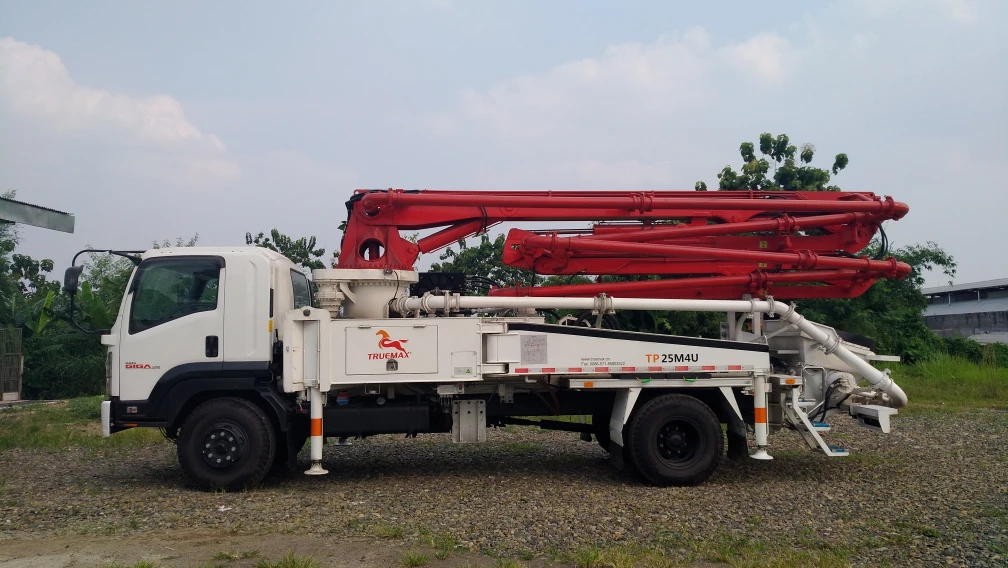
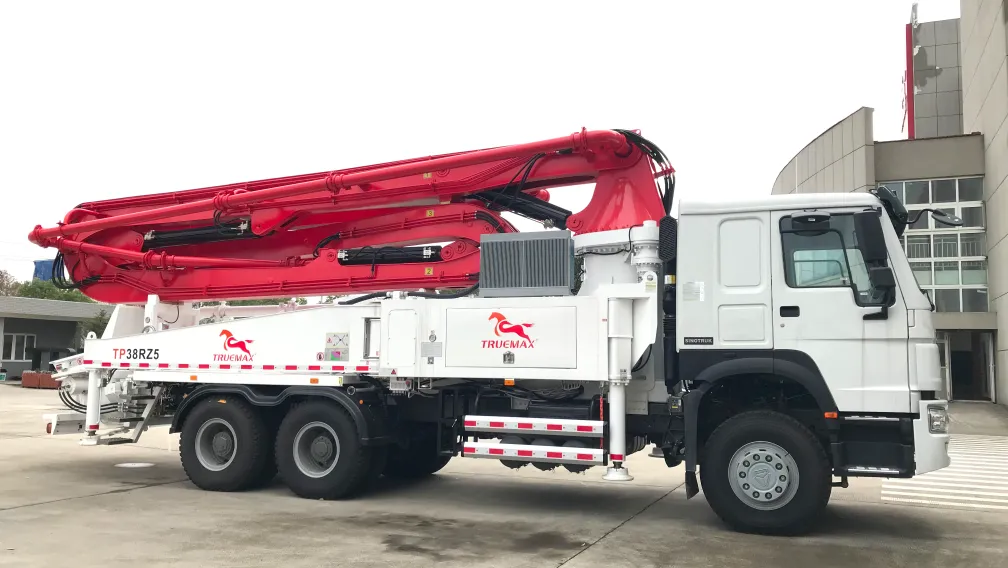
The primary placement tools for deep excavations are high-reach truck-mounted boom pumps. Their positioning must be planned using CAD software to ensure the working radii overlap sufficiently to cover the entire pour area without requiring mid-pour repositioning. Outrigger loads for these units can exceed 40 tons, necessitating verified soil bearing capacities at the excavation edge. Traffic flow for the concrete truck mixer fleet must be organized in a drive-through configuration. Reversing maneuvers add minutes to the discharge cycle; multiplying this delay across 1,000 truck deliveries will inevitably cause the placement rate to fall behind the hydration curve of the placed concrete.
3. Mix Design Rheology and Pumping Pressures
To mitigate the heat of hydration, mass concrete mix designs heavily utilize supplementary cementitious materials (SCMs) such as Ground Granulated Blast-furnace Slag (GGBS) or fly ash, often replacing 40% to 70% of the Portland cement. While these materials effectively lower peak core temperatures, they fundamentally alter the rheology of the fresh concrete. High-SCM mixes typically exhibit higher viscosity and stickiness compared to standard mixes, increasing frictional resistance within the delivery pipeline.
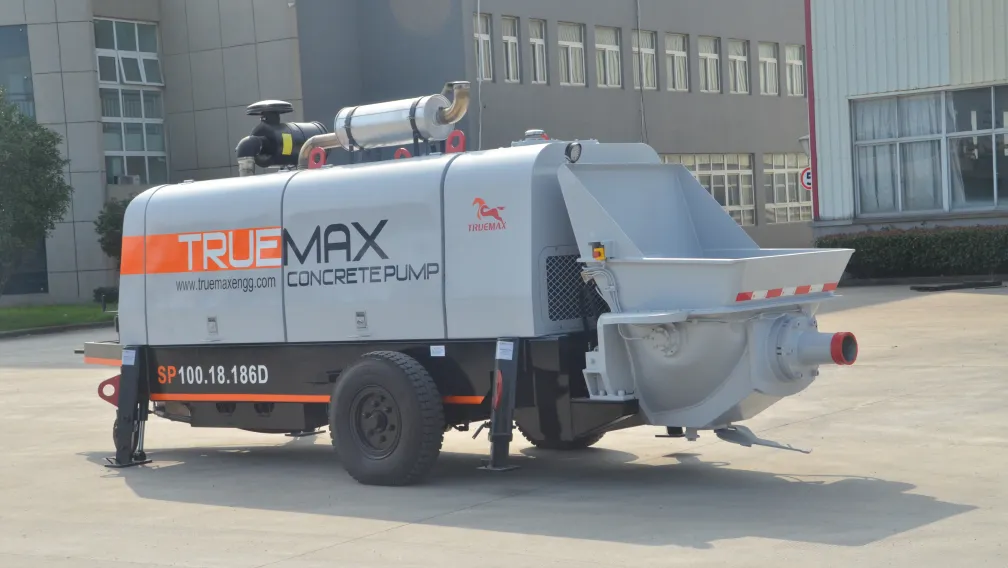
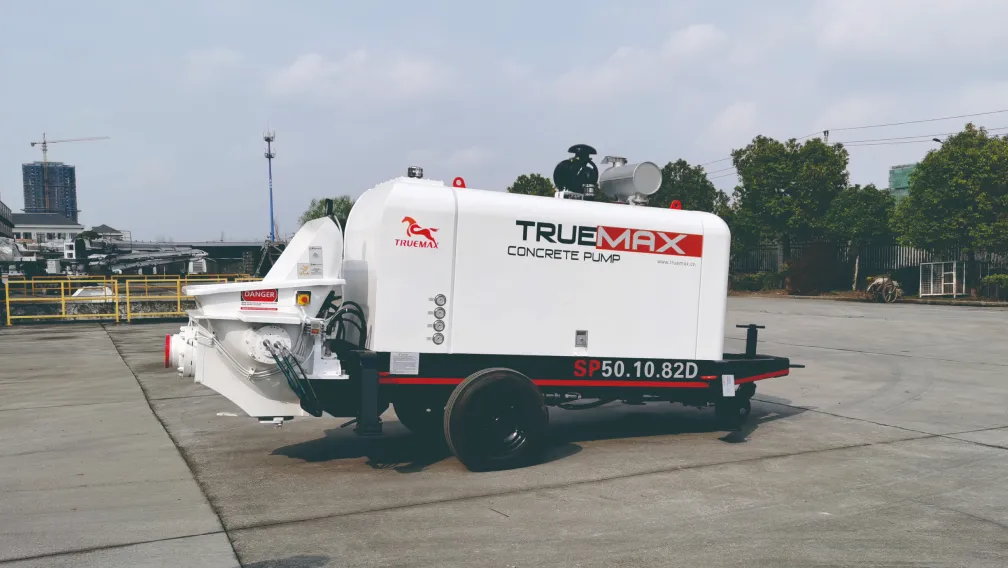
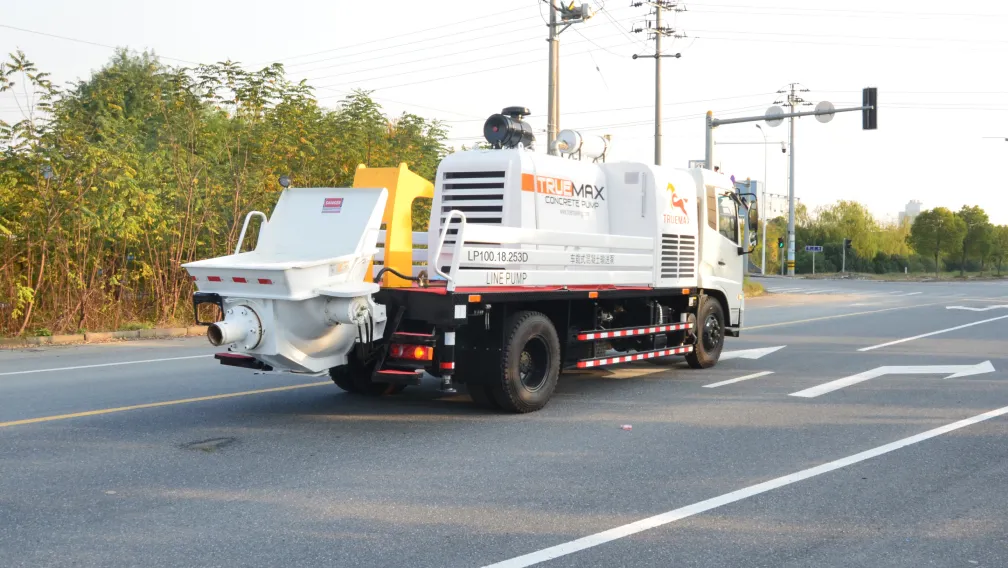
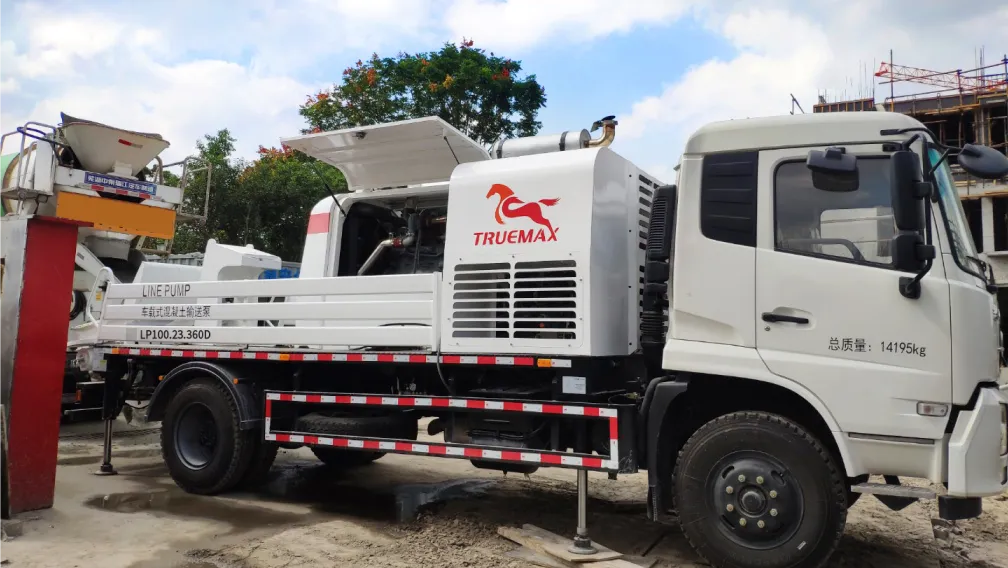
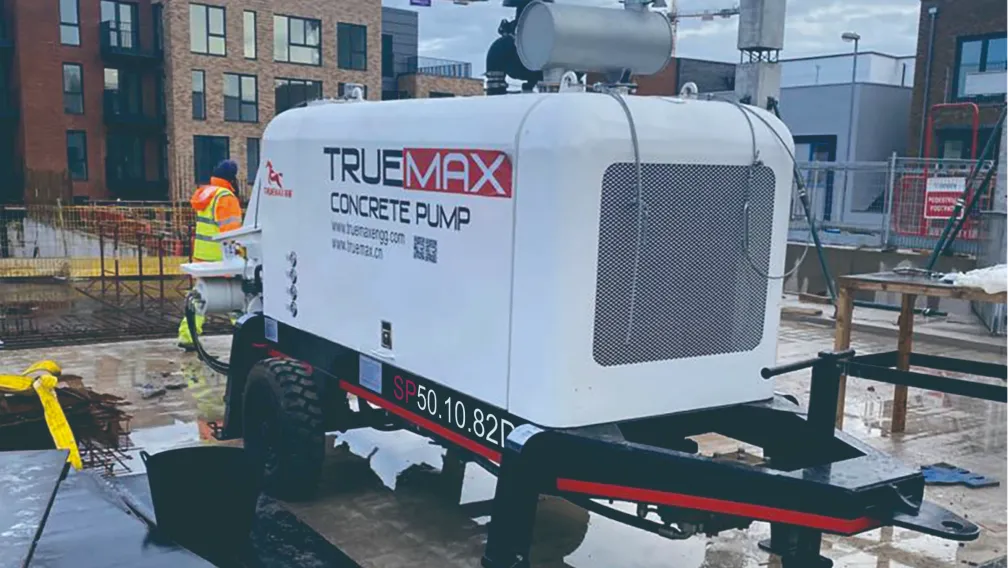
Consequently, the pumping equipment must be specified to handle elevated line pressures. Although horizontal pumping distances for mat foundations are generally short, the increased viscosity demands hydraulic systems capable of sustained high-pressure output without overheating. The hydraulic fluid cooling systems on the pumping units must be inspected and verified for continuous 48-to-72-hour operation. For the central zones of ultra-wide mat foundations that exceed the reach of perimeter boom pumps, a stationary concrete pump coupled with a hardline pipe network is deployed, requiring precise pressure loss calculations for the specific high-viscosity mix.
4. Thermal Control During Pumping Operations
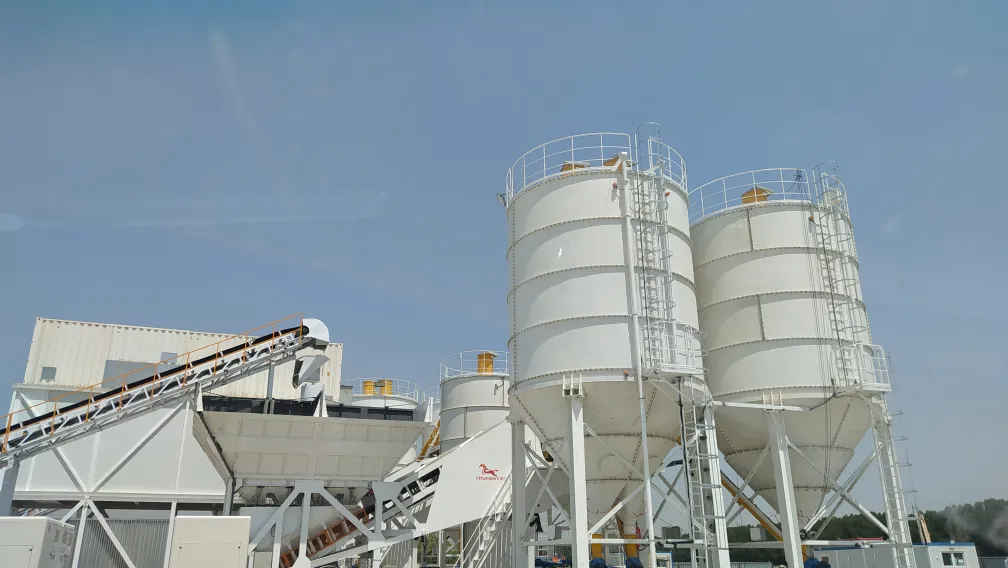
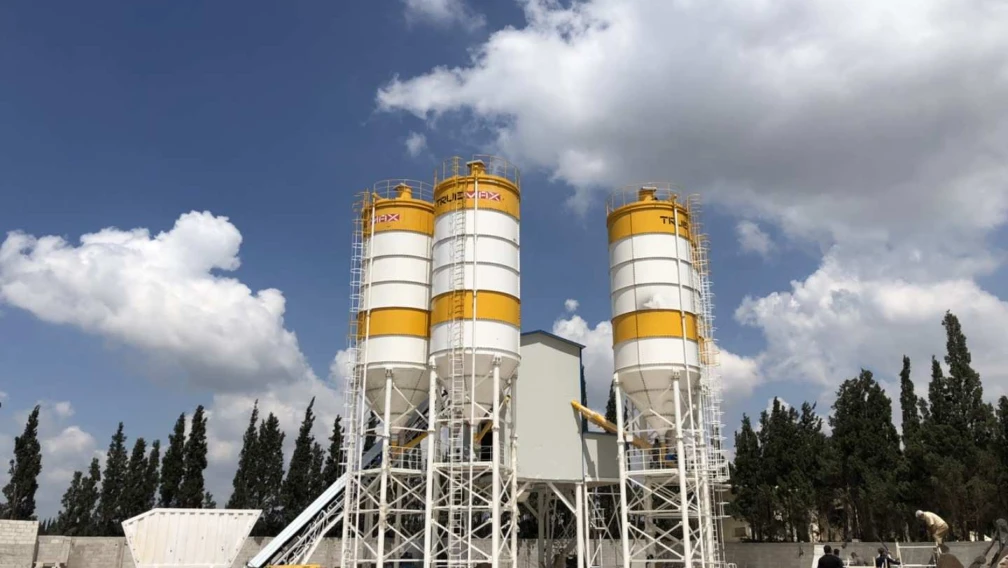
Temperature control begins at the batching stage but must be maintained through the delivery and placement phases. Project specifications typically limit the maximum concrete delivery temperature to 25°C or 32°C (77°F or 90°F) and restrict the maximum internal temperature differential to 20°C (35°F) to prevent thermal cracking. Achieving this often requires integrating liquid nitrogen cooling or flake ice systems directly into the concrete batching plant.
During pumping, environmental heat gain must be mitigated. Delivery pipelines exposed to direct solar radiation can increase the concrete temperature by 1°C to 2°C over a 50-meter run. In high-ambient temperature environments, pipelines should be wrapped in reflective insulation or continuous water-soaked burlap. Furthermore, the pumping rate itself influences thermal buildup. Slow placement allows layers to absorb ambient heat before being covered, whereas excessively fast placement can trap hydration heat deep within the core faster than it can dissipate. The pumping schedule must align with the thermal modeling report generated during the project's design phase.
5. Boom Placement Strategy for Deep Excavations
Mat foundations for supertall structures or heavy industrial facilities often sit in excavations 15 to 30 meters below grade. This vertical drop presents a specific challenge: free-falling concrete segregates. Aggregate separates from the paste, leading to structural defects and localized weak zones. The American Concrete Institute strictly limits the free-fall distance of concrete to prevent this segregation.
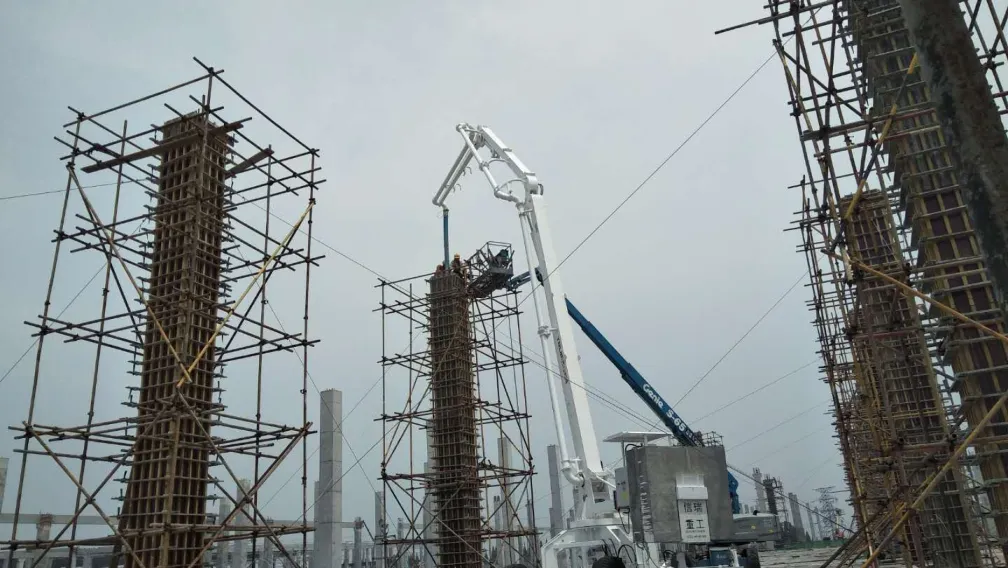
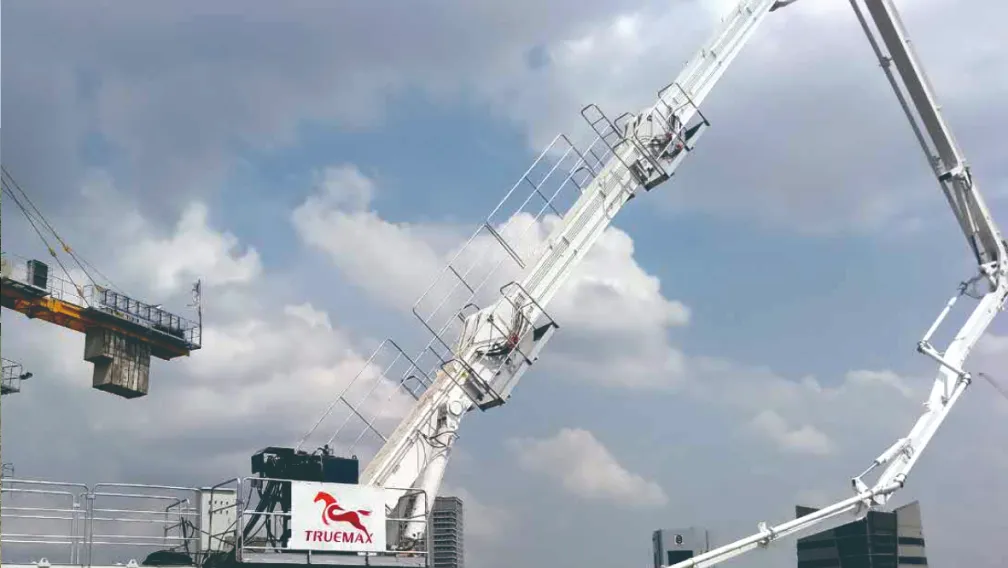
To manage deep placement, the end hoses of the concrete placing boom must be extended using tremie pipes or specialized drop chutes, ensuring the discharge point remains within 1.5 meters of the placement surface. Furthermore, pumping downhill creates a vacuum in the descending pipeline segment, which can cause the concrete column to separate and result in violent air-hammer effects at the boom tip. To counteract this, restrictor valves or reduced-diameter end hoses are utilized to maintain a full pipe and ensure steady, controlled extrusion of the material.
6. Quality Assurance and Contingency Protocols
A mass pour is irreversible once initiated. Quality assurance requires continuous monitoring of both the machinery and the material. Slump and temperature tests must be conducted at both the batching plant and the pump hopper. Data logging systems on modern pumping equipment provide real-time metrics on hydraulic pressure, stroke count, and volumetric output, allowing site engineers to detect deviations in mix consistency before a blockage occurs.
Contingency protocols must address potential equipment failures, plant breakdowns, and supply chain interruptions. Standard protocols include maintaining a standby pump on site, securing a secondary batching facility, and having emergency cold-joint mitigation materials (such as surface retarders) immediately available. The synchronization of these elements dictates the structural integrity of the resulting foundation.
7. Frequently Asked Questions
Q: What constitutes a mass concrete pour?
A: Mass concrete is defined by its thermal behavior rather than strict volume. Any concrete structure whose dimensions are large enough to require measures to manage the heat of hydration and prevent thermal cracking—typically mats thicker than 1 meter—is treated as mass concrete.
Q: Why is equipment redundancy critical for mat foundations?
A: Mass pours must be continuous to prevent cold joints. If a pump fails, the placement rate drops, and the previously placed layer may begin to set before the next layer is applied. N+1 redundancy ensures uninterrupted placement.
Q: How do high-slag SCM mixes affect pumping pressure?
A: High volumes of supplementary cementitious materials like GGBS or fly ash increase the viscosity and stickiness of the mix. This raises the frictional resistance inside the pipeline, requiring higher hydraulic pressure from the pump to maintain output.
Q: How is concrete segregation prevented in deep excavations?
A: Segregation is prevented by limiting the free-fall distance of the concrete. Boom end hoses are fitted with drop chutes or tremie pipes to keep the discharge point close to the surface, and restrictor valves prevent vacuum separation in downward-sloping pipes.
Q: How does ambient temperature affect the pumping pipeline?
A: Direct sunlight on steel delivery lines transfers heat to the concrete, potentially pushing it past maximum specified placement temperatures. Pipelines should be insulated or continuously wetted in hot climates to mitigate heat gain.
Q: When is a stationary pump used instead of a boom pump for a mat foundation?
A: While boom pumps operate from the excavation perimeter, very wide mat foundations may exceed their maximum reach. In these cases, a stationary pump is used to push concrete through a fixed pipeline network laid directly across the rebar mat to reach the center.
8. Engineering Support for Mass Pours
Executing a mass concrete foundation pour requires precise alignment of equipment capabilities with the project's thermal and volumetric demands. Selecting the correct pump pressure class, boom reach, and batching output is a critical engineering exercise. TRUEMAX provides comprehensive equipment configurations tailored for high-volume, continuous placement operations. For project-specific equipment sizing and logistical planning, submit your pour volume, target completion time, and site dimensions to our engineering team via the contact page for a detailed technical proposal.
-

TrueMax
Concrete & Construction Equipment ManufacturerEstablished in 2003, Truemax designs, manufactures, and delivers concrete pumping equipment, crushing machinery, and construction hoisting systems from our own factory in Haining, China to jobsites in over 120 countries.