

 LANGUAGE
1. The Rheological Profile of High-Performance Concrete (HPC)
Modern structural engineering frequently specifies High-Performance Concrete (HPC) and Ultra-High-Performance Concrete (UHPC) for skyscraper cores, long-span bridges, and seismic-resistant foundations. These advanced mixes achieve compressive strengths exceeding 80 MPa to 120 MPa. To achieve this density, chemical engineers reduce the water-to-cement ratio to below 0.30 and introduce supplementary cementitious materials such as silica fume, fly ash, and ground granulated blast-furnace slag.
While this structural density provides exceptional load-bearing capacity, it fundamentally alters the fluid mechanics of the wet concrete. Standard structural concrete behaves as a Bingham plastic, possessing moderate yield stress and manageable plastic viscosity. HPC, however, exhibits exponentially higher plastic viscosity. The lack of free water means there is almost no lubrication layer formed against the internal walls of the pumping pipe. The mix is sticky, cohesive, and highly resistant to shear deformation. Pumping this material requires heavy-duty mechanical interventions across the entire equipment chain, from initial batching to final placement.
2. Batching Plant Modifications for High-Shear Mixing
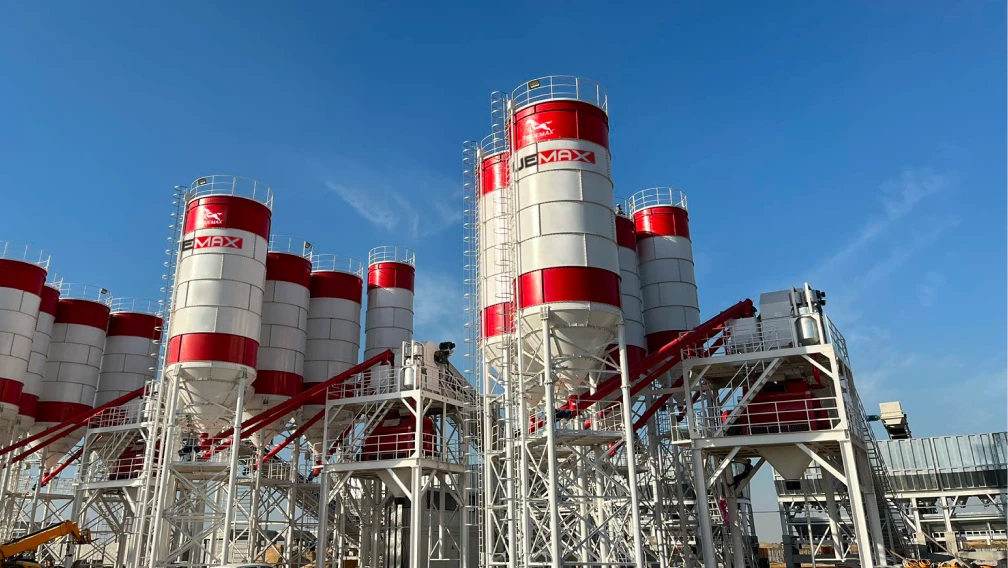
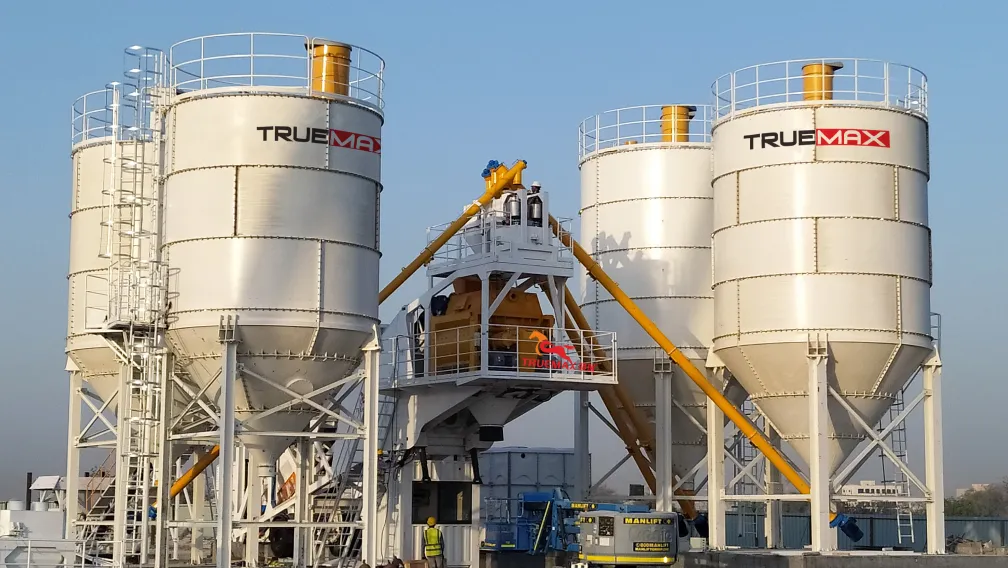
The operational challenges of HPC begin at the production source. The ultra-fine particles of silica fume and concentrated polycarboxylate ether (PCE) superplasticizers require intense kinetic energy to disperse evenly. Standard gravity-fall mixers or low-speed pan mixers fail to break apart the cohesive cement clumps, resulting in dry pockets and an inconsistent slump flow.
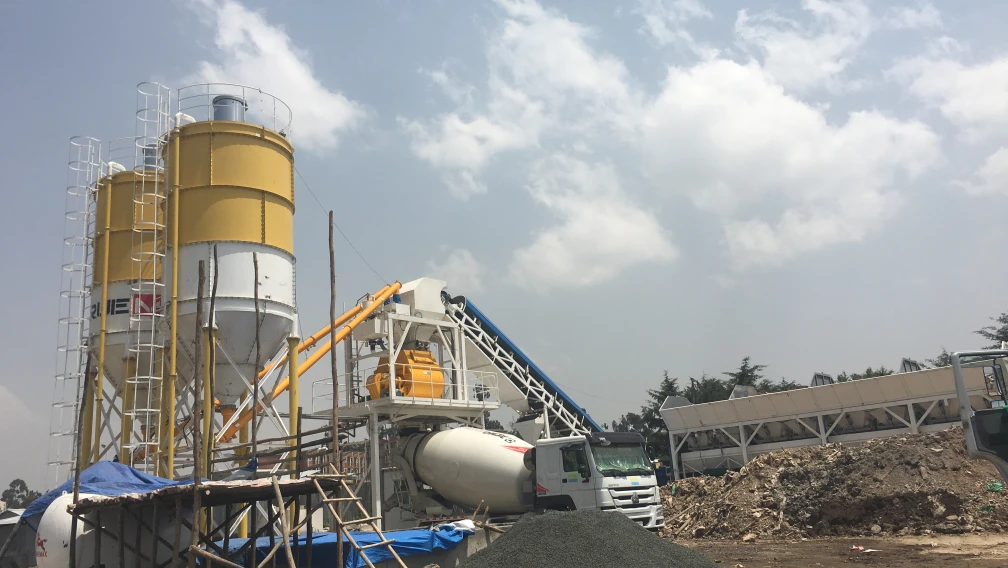
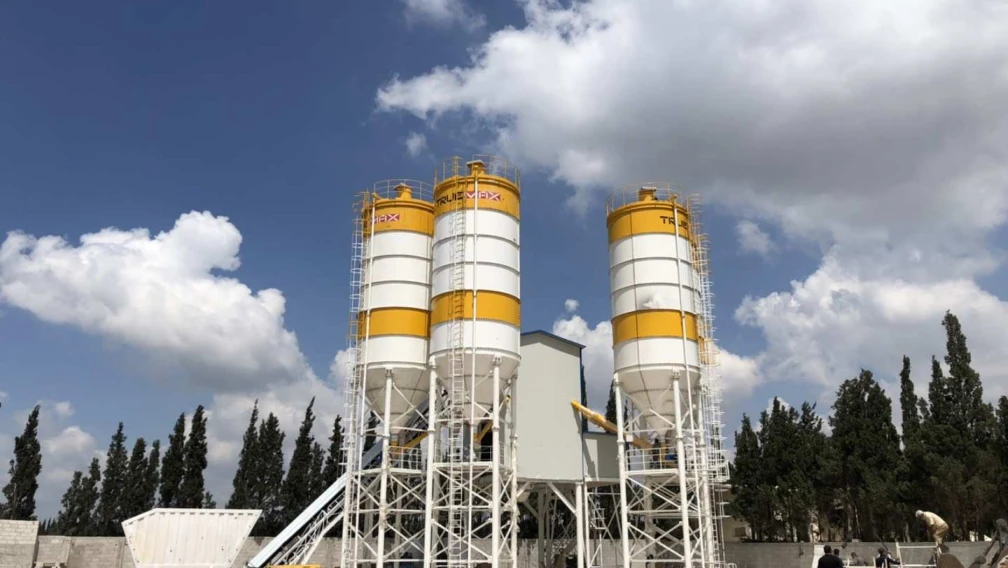
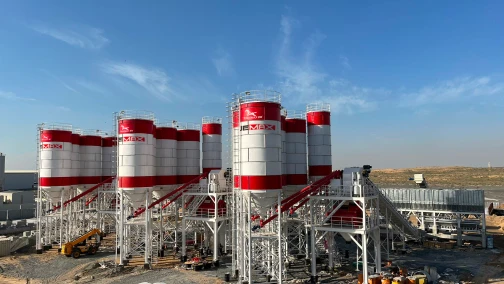
To produce HPC reliably, the Concrete Batching Plant must be equipped with a high-torque twin-shaft horizontal mixer. The overlapping spiral mixing blades force the aggregates and cement paste into a high-shear collision zone. Plant operators must extend the mechanical mixing cycle from the standard 60 seconds to 90 or 120 seconds. Furthermore, automated dosing systems must be recalibrated. Because HPC relies heavily on chemical admixtures rather than water for workability, the admixture weighing scales must achieve an accuracy tolerance of 1.0 percent or better. A minor dosing error with PCE superplasticizers will instantly transform the batch into either an unpumpable dry block or a highly segregated liquid slurry.
3. Transit Dynamics and Workability Retention
HPC is highly sensitive to time and kinetic friction. The extremely low water content means the mix will lose its slump rapidly through evaporation and premature hydration, especially in warm ambient environments.
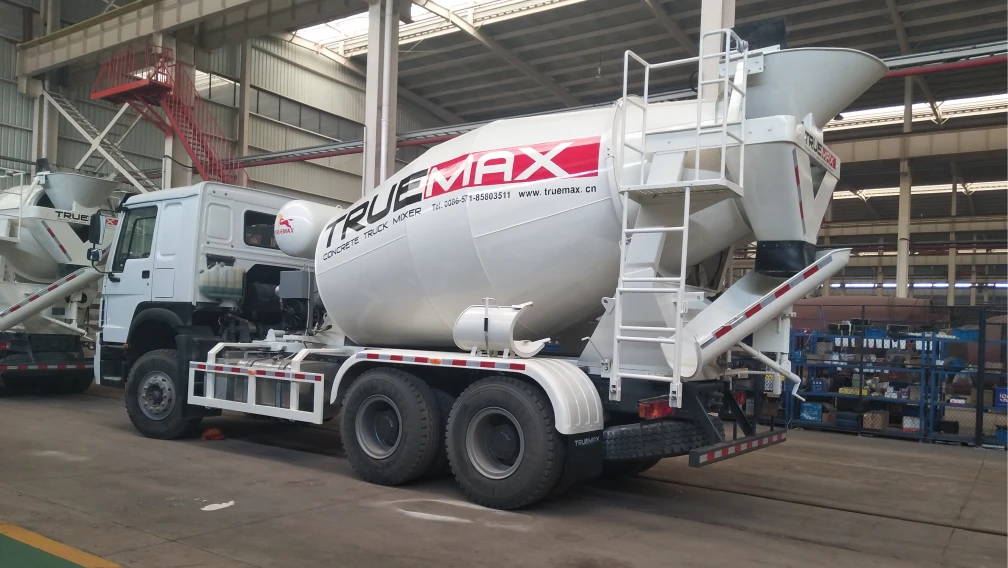
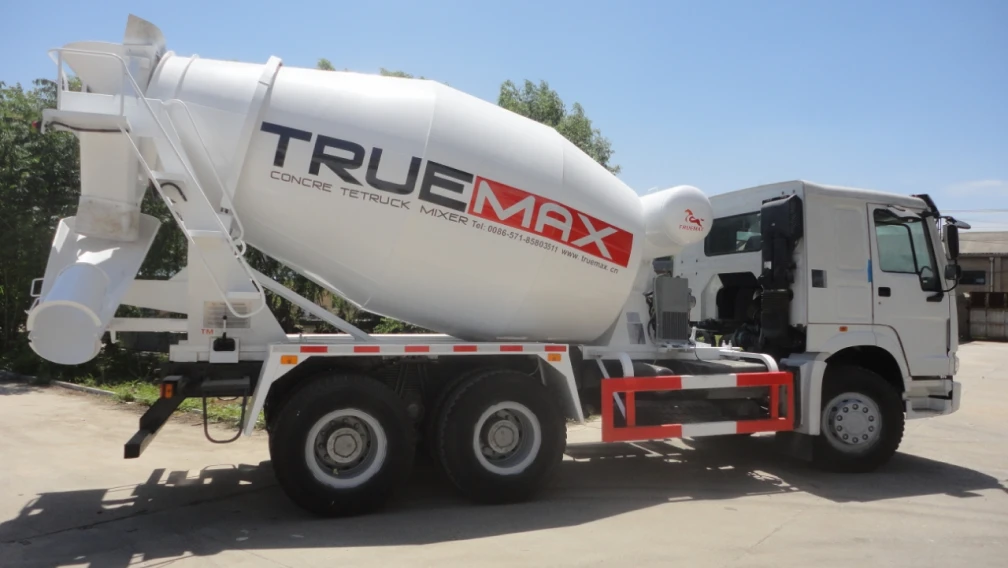
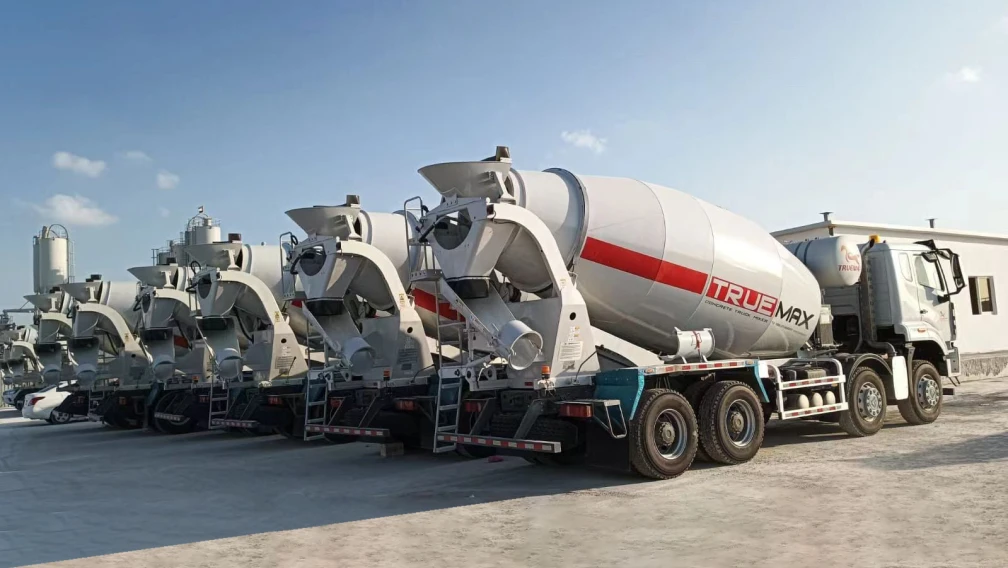
During transit, the internal steel blades of the Concrete Truck Mixer agitate the cohesive mass. Due to the high viscosity of HPC, this agitation generates measurable internal friction, which transfers kinetic heat into the concrete matrix, further accelerating slump loss. Dispatchers must enforce strict maximum transit times. Fleet managers often limit drum rotation to the absolute minimum agitation speed (1 to 2 revolutions per minute) to reduce heat generation. Upon arrival at the jobsite, technicians frequently inject a secondary dose of specialized retarding admixtures directly into the truck drum and rotate it at maximum speed for 3 minutes to restore the designed slump flow immediately before discharging the material into the pump hopper.
4. Hydraulic Requirements for Pumping High-Viscosity Mixes
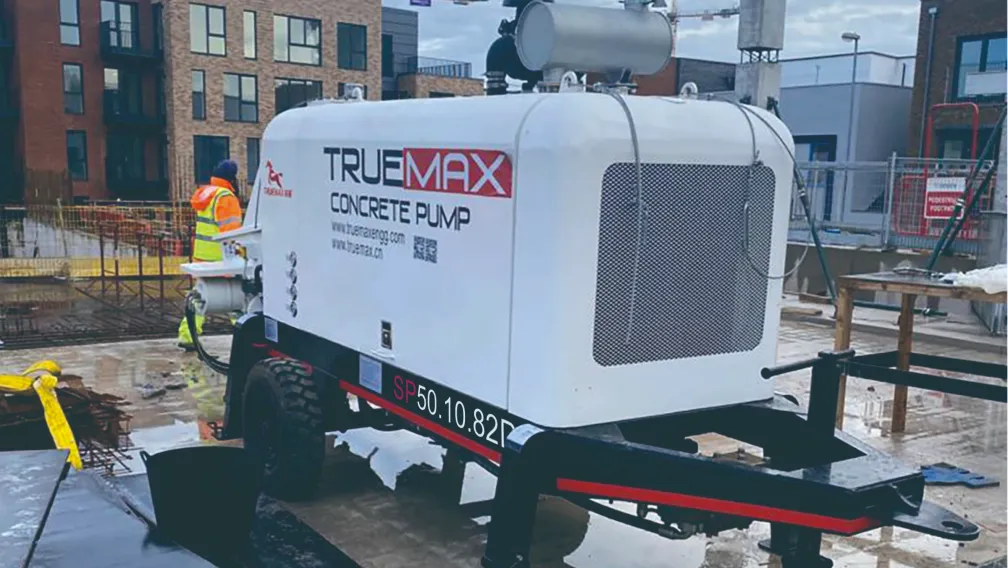
Attempting to pump HPC with standard mechanical settings will instantly stall the hydraulic drive system. The internal frictional drag of HPC against the steel pipeline walls is immense. To overcome this resistance, contractors must deploy heavy-duty equipment configured for high-pressure delivery.
Operators must switch the hydraulic circuit of the Stationary Concrete Pump into piston-side drive mode (high-pressure, low-volume configuration). In this mode, hydraulic oil is directed against the full back surface of the drive piston, generating maximum linear thrust. This pushes the concrete delivery pressure up to 20 to 26 MPa (200 to 260 bar).
Because the paste is under such extreme pressure, it seeks any available escape route. The sealing components inside the hopper become the primary point of failure. The spectacle wear plate and the cutting ring on the S-valve must be manufactured from solid tungsten carbide, and the tension nut must be tightened to the absolute maximum factory specification. If the seal is loose by even one millimeter, the extreme line pressure will force the cement paste backward into the hopper, leaving dry aggregates jammed inside the delivery cylinder.
5. Pipeline Configuration and Pressure Mitigation
Pipeline geometry plays a defining role in managing the extreme line pressures generated by HPC. The fundamental rule of high-viscosity fluid dynamics is that pressure drop decreases as the internal diameter of the pipe increases.
For standard 30 MPa concrete, contractors utilize 125 mm (5-inch) delivery pipelines. For pumping 80 MPa HPC, structural engineers mandate the use of 150 mm (6-inch) heavy-wall pipelines. Increasing the pipe diameter lowers the concrete flow velocity and drastically reduces the surface area contact per cubic meter of material, thereby dropping the overall friction resistance.
Additionally, high-pressure twin-wall pipes are mandatory. Standard single-wall steel pipes will rupture under the 200-bar radial stress. The pipeline support brackets must also be upgraded. When the S-valve shifts and the pump cycles under extreme pressure, the kinetic energy creates a violent backward thrust along the pipe. The initial 90-degree bend exiting the pump must be encased in a reinforced concrete thrust block to prevent the pipeline from violently tearing apart the connecting clamps.
6. Aerial Placement Challenges with Boom Masts
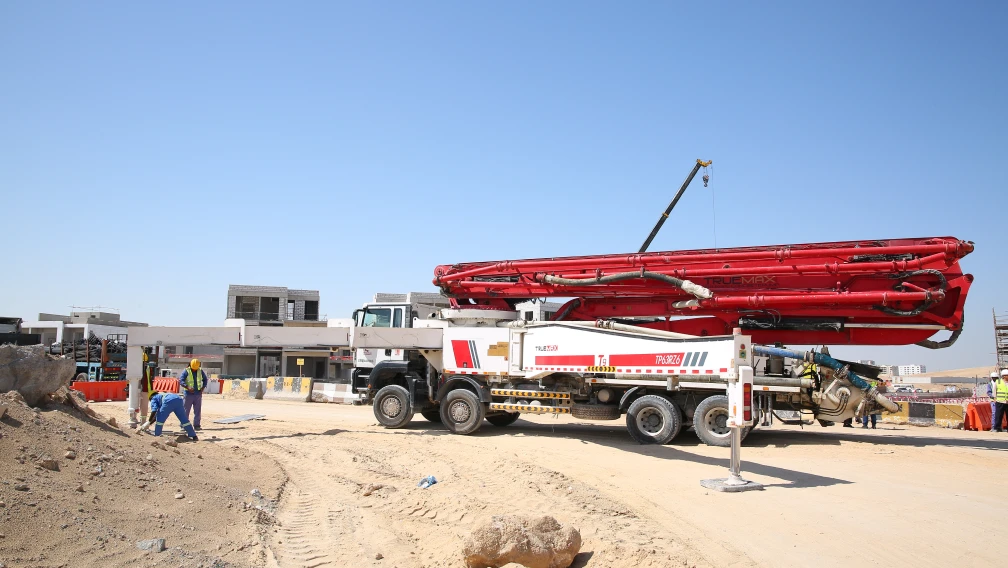
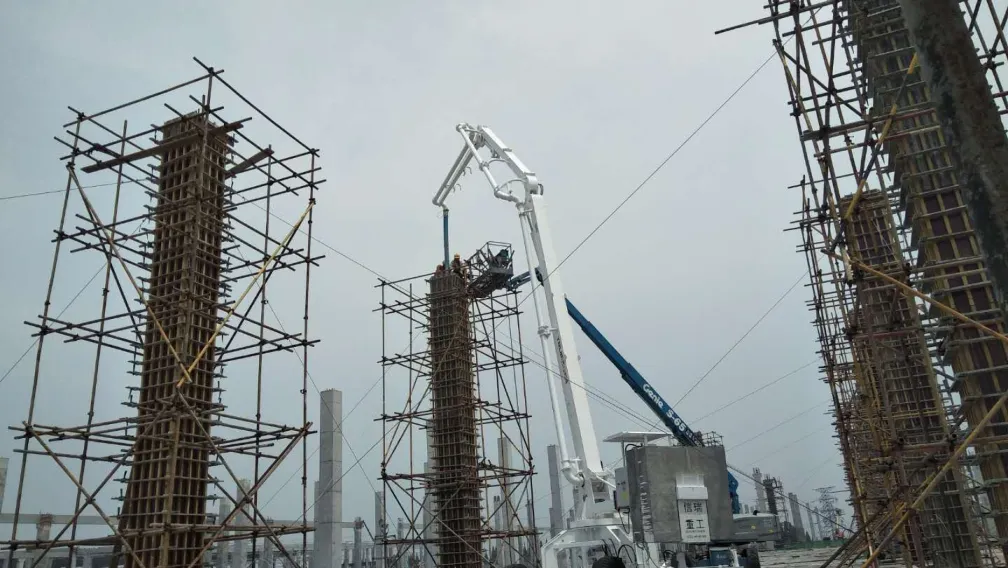
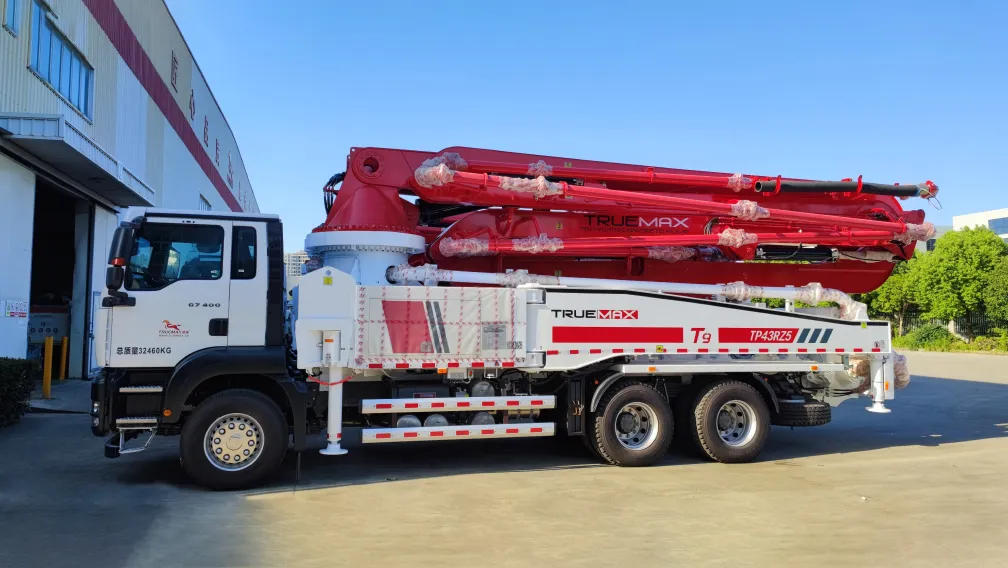
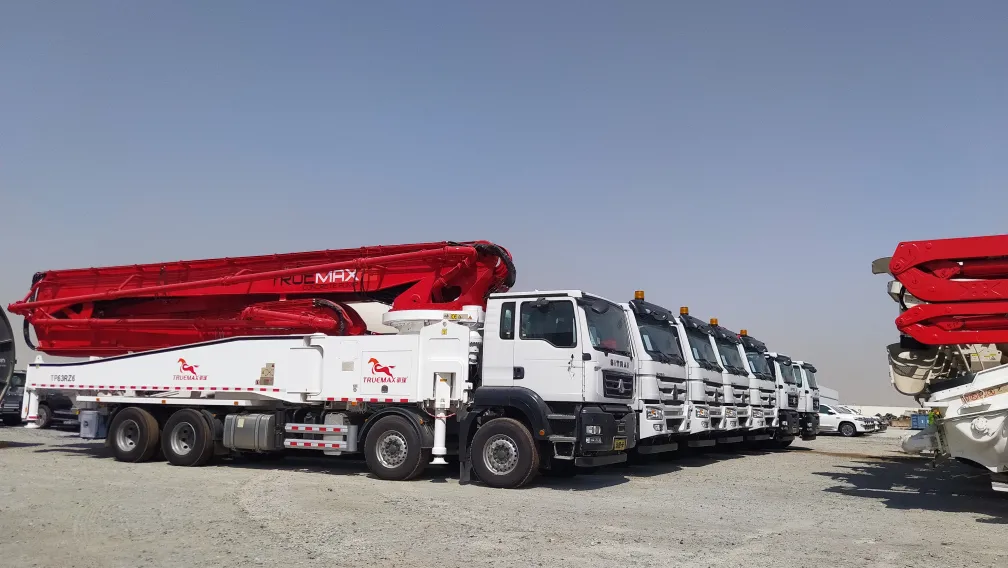
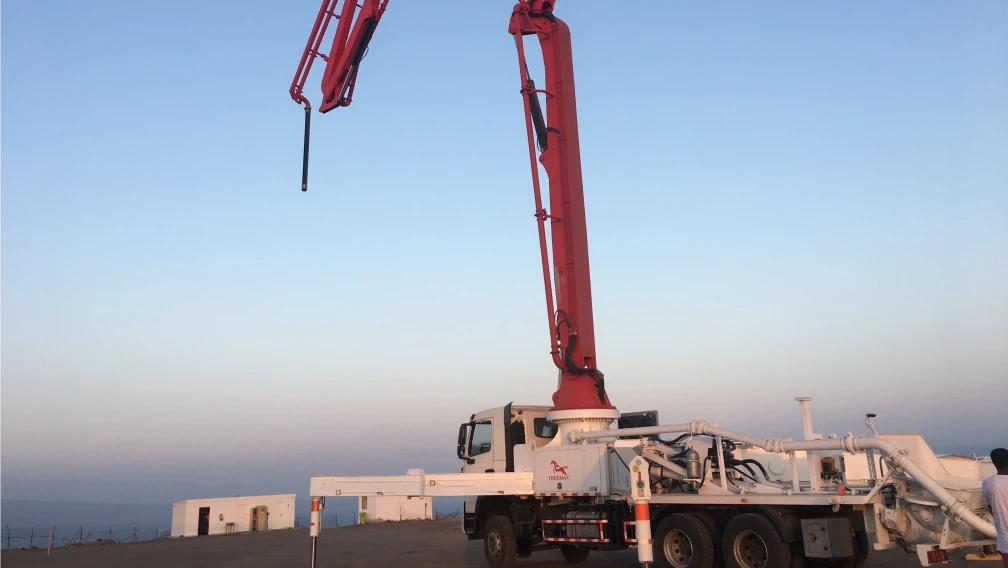
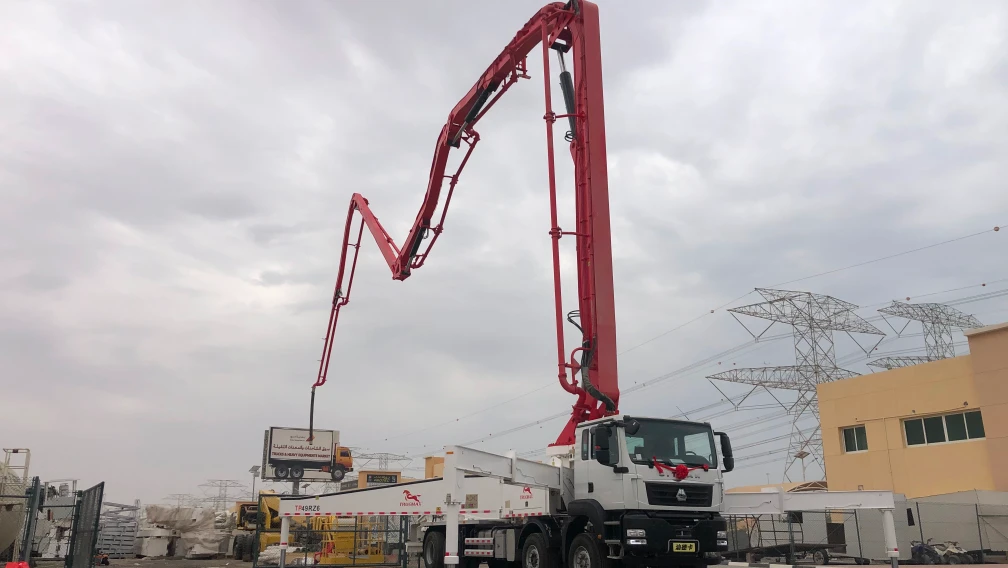
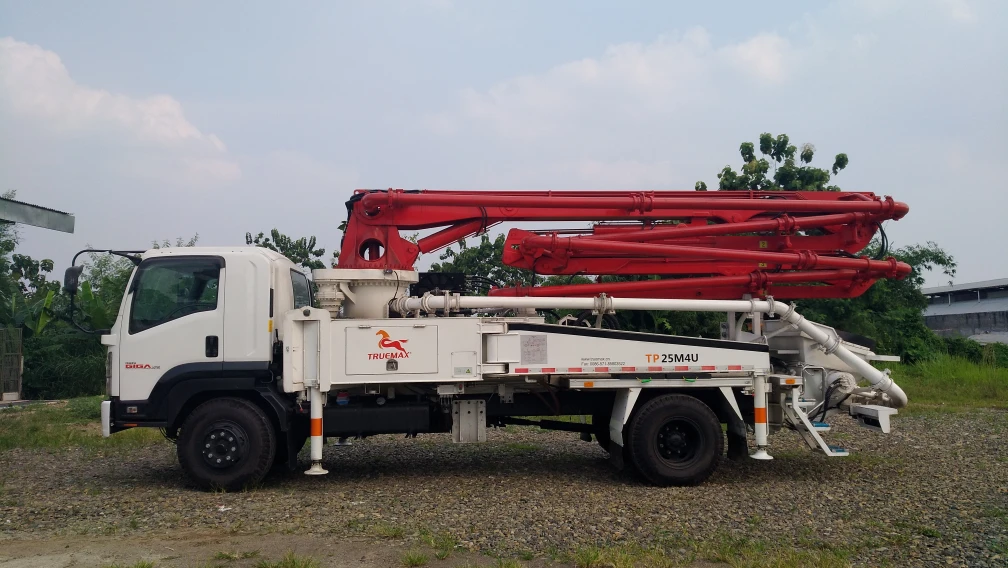
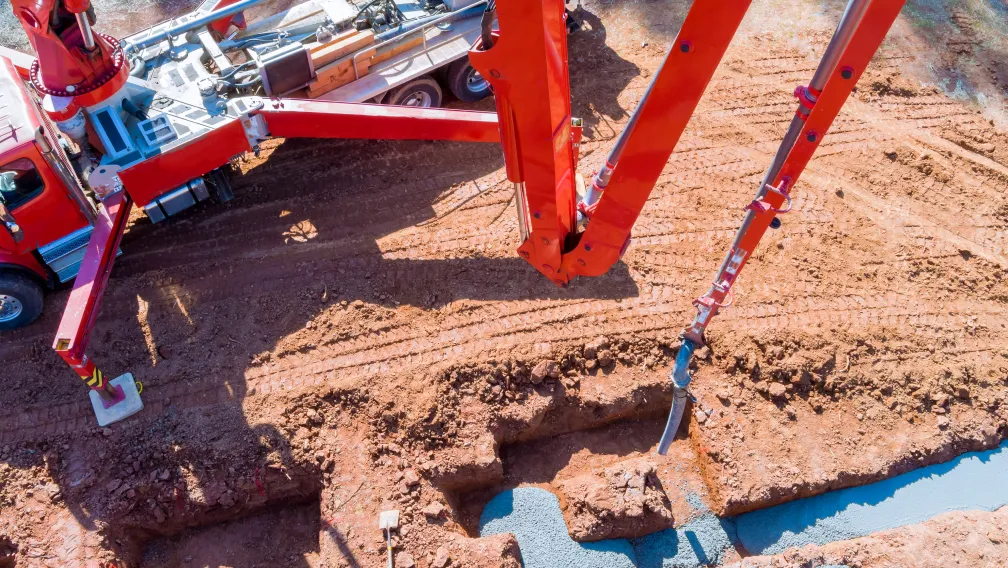
Placing HPC across a wide structural deck often requires the mobility of a Truck-Mounted Boom Pump. However, pushing highly viscous concrete up an articulated 50-meter steel mast introduces stability complications.
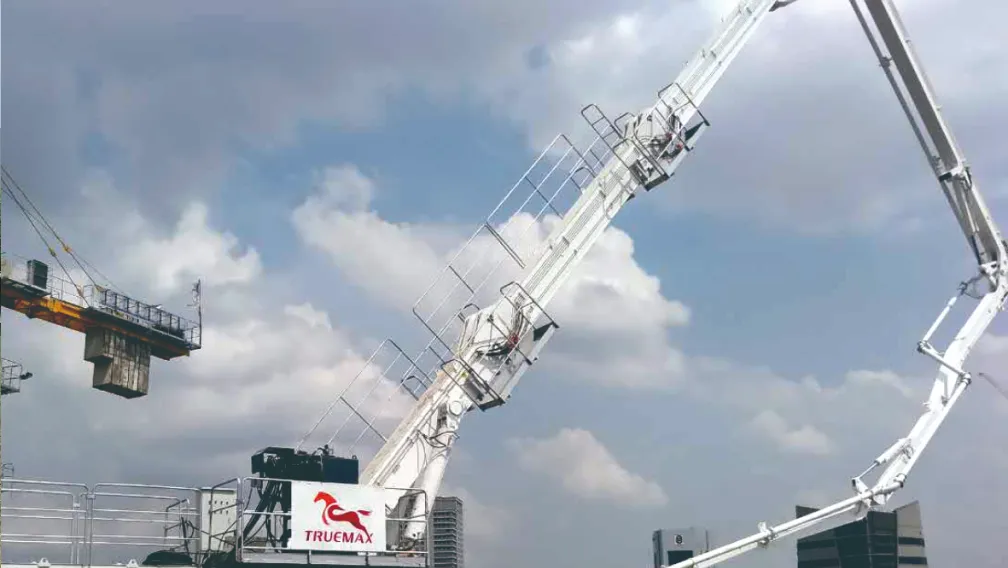
The extreme pressure required to move the heavy material creates sharp hydraulic pressure spikes during every stroke cycle. This pulsating energy transfers directly into the lightweight steel boom structure, causing severe boom bounce. Severe mast deflection endangers the site crew holding the end hose and causes rapid metal fatigue at the boom hinge pins.
To counter this, modern boom pumps operating with HPC utilize advanced electronic proportional control valves and hydraulic dampening circuits. Operators must reduce the pumping speed to 30 to 40 percent of the maximum rated output. Pumping HPC slowly and steadily keeps the pipeline fully pressurized, prevents air gaps, and minimizes the dynamic shockwaves traveling through the folding mast.
7. Frequently Asked Questions
Q1: What is the maximum distance High-Performance Concrete can be pumped?
A: Maximum pumping distance is strictly dictated by the yield stress of the specific mix design and the peak hydraulic pressure of the pump. With heavily optimized mix designs utilizing advanced superplasticizers and 150 mm twin-wall pipelines, specialized stationary pumps can push HPC over 400 meters horizontally or up to 200 meters vertically. Unoptimized mixes may plug the line within 50 meters.
Q2: Why does HPC frequently cause pipeline clamps to burst?
A: HPC requires significantly higher delivery pressure to overcome internal pipe friction. During the transition phase when the S-valve shifts, the kinetic energy of the moving concrete column suddenly halts, creating an extreme pressure spike known as a water hammer effect. If standard low-pressure cast clamps are used, this radial shockwave will fracture the cast metal.
Q3: How does the addition of silica fume affect concrete pumpability?
A: Silica fume consists of ultra-fine spherical particles, approximately 100 times smaller than standard cement grains. While it increases the density and strength of the cured concrete, it dramatically increases the plastic viscosity and stickiness of the wet mix. This makes the concrete highly cohesive, requiring substantially more pump pressure to initiate and maintain flow.
Q4: Can Self-Consolidating Concrete (SCC) be pumped using standard equipment?
A: SCC is highly fluid and flows easily, but it is extremely sensitive to pressure. Pumping SCC requires a perfectly sealed S-valve. If there are any worn components inside the pump hopper, the high pressure will squeeze the water and cement paste out of the mix, leaving the heavy aggregates behind to instantly block the delivery cylinders.
Q5: What is the correct procedure for priming a pipeline before pumping HPC?
A: Because HPC contains virtually no free water to lubricate the pipes, priming is critical. Operators must pump a thick, high-cement-content slurry through the entire pipeline run before introducing the HPC mix. The slurry coats the internal steel walls with a lubricating boundary layer, preventing the dry front edge of the HPC from immediately binding against the bare steel.
Q6: Why must the mixer drum rotation speed be minimized during transit?
A: High-performance mixes generate severe internal mechanical friction when agitated. Rapid drum rotation translates kinetic energy into thermal energy, raising the temperature of the concrete. Elevated temperatures accelerate the chemical hydration process, causing the concrete to lose its slump and workability before it reaches the jobsite.
8. Technical Equipment Consultation
Executing high-performance structural pours demands absolute precision across the entire equipment supply chain. Standard commercial setups will fail under the mechanical stresses of HPC. For custom configurations including high-shear twin-shaft batching plants, extreme-pressure stationary pumps, and twin-wall pipeline specifications, submit your target mix design data to the Truemax engineering team to receive a comprehensive mechanical integration plan within 24 hours.
-

TrueMax
Concrete & Construction Equipment ManufacturerEstablished in 2003, Truemax designs, manufactures, and delivers concrete pumping equipment, crushing machinery, and construction hoisting systems from our own factory in Haining, China to jobsites in over 120 countries.