

 LANGUAGE
1. The Mechanics of Sprayed Concrete in Subterranean Engineering
Subterranean infrastructure, including mining drifts, highway tunnels, and deep excavation retaining walls, requires immediate structural support upon excavation to prevent rockfall and soil collapse. Modern geotechnical engineering universally deploys pneumatically projected concrete, known industrially as shotcrete or sprayed concrete, to provide this rapid stabilization. Unlike conventional cast-in-place concrete, shotcrete eliminates the need for temporary formwork. The material is transported through a sealed pipeline and pneumatically accelerated through a discharge nozzle, utilizing its own high-velocity kinetic energy to compact directly against the vertical or overhead substrate.
Shotcrete application is categorized into two distinct methodologies: dry-mix and wet-mix. While the dry-mix process involves blowing dry cement and aggregates through a hose and adding water at the nozzle, it produces extreme dust, high material rebound, and inconsistent compressive strength. Consequently, commercial tunneling operations have almost exclusively transitioned to the wet-mix process. In the wet-mix method, fully batched and precisely hydrated concrete is pumped to the nozzle, where compressed air and chemical accelerators are injected simultaneously. This method guarantees structural uniformity, significantly reduces air pollution in confined underground spaces, and allows for high-volume output using specialized positive-displacement pumping equipment.
2. Wet-Mix Pumping Hydraulics and Pulsation Reduction
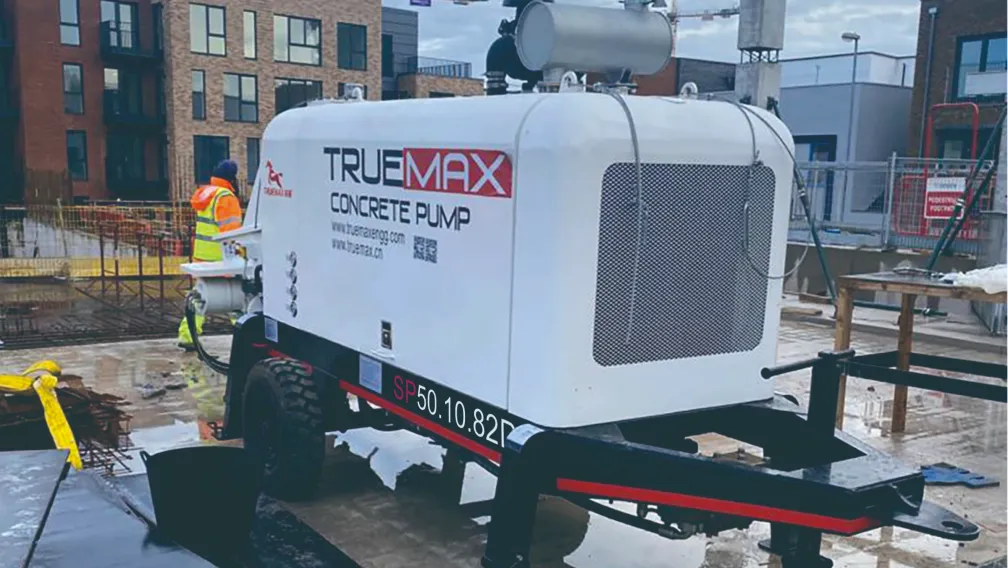
Pumping wet-mix shotcrete introduces a unique hydraulic challenge: pulsation. A standard dual-cylinder Stationary Concrete Pump generates a momentary drop in delivery pressure every time the S-valve shifts between the two material cylinders. In traditional structural pours, this brief interruption is negligible. However, in shotcrete applications, any interruption in concrete flow while compressed air continues to blast through the nozzle causes severe material sputtering, uneven application, and dangerous aggregate ricochet.
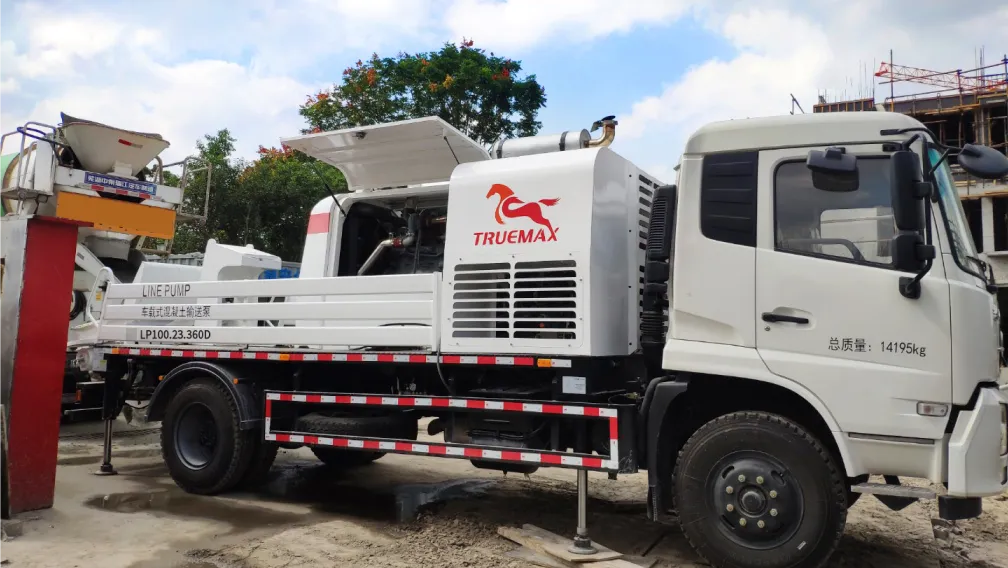
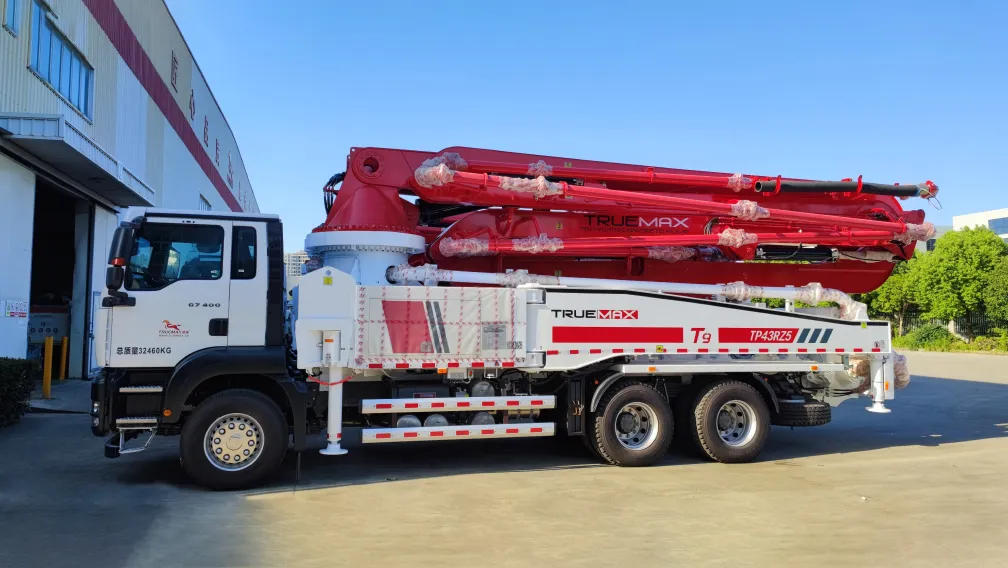
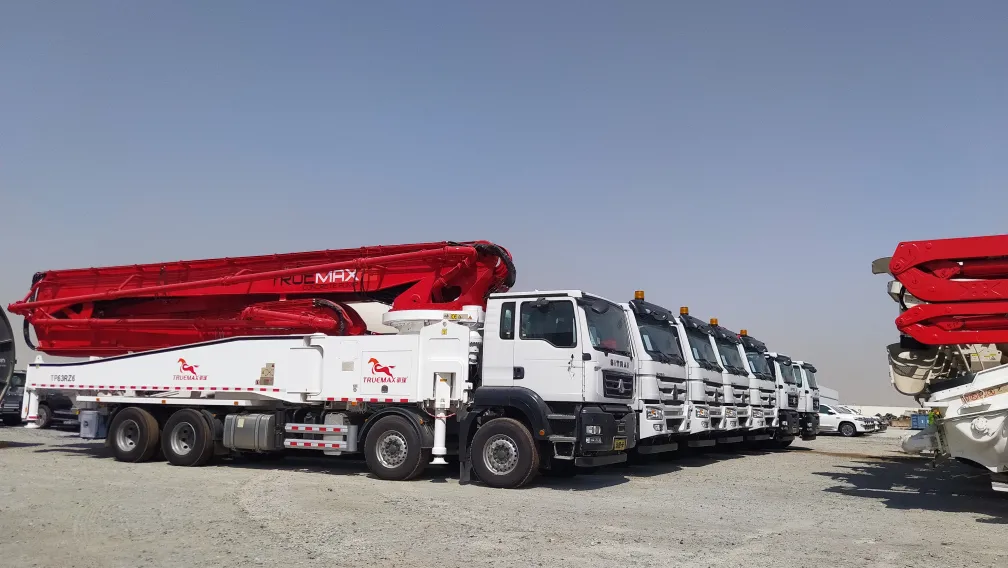
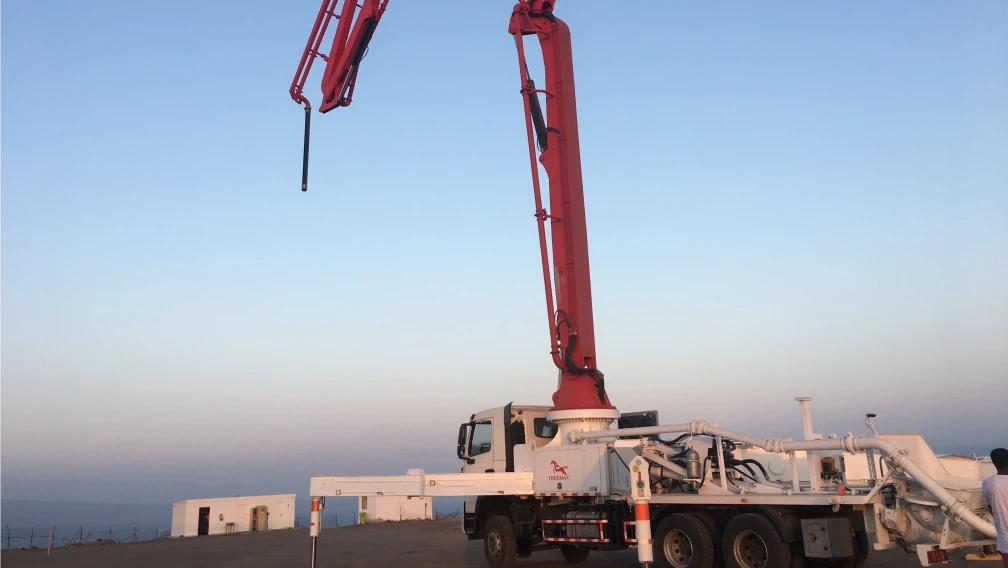
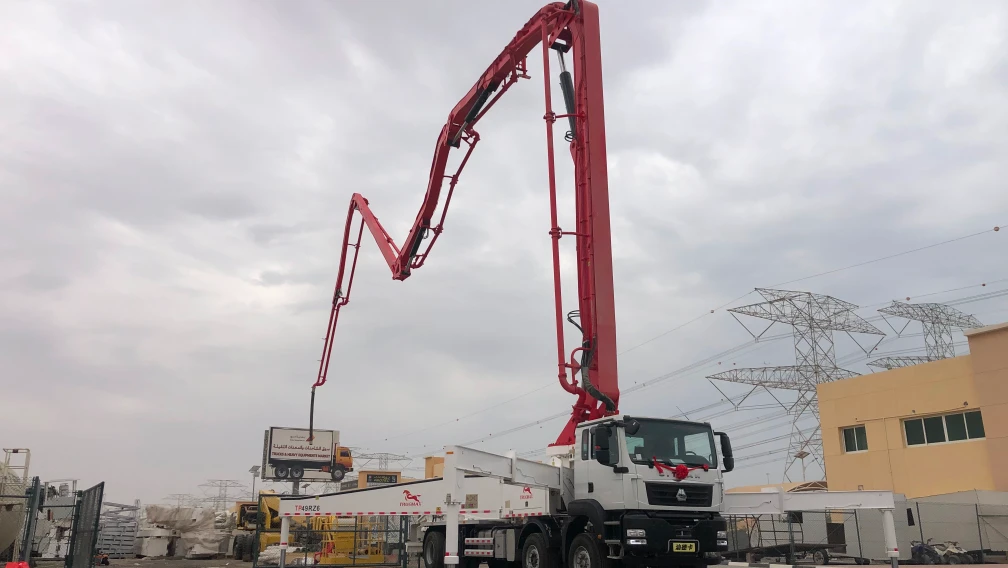
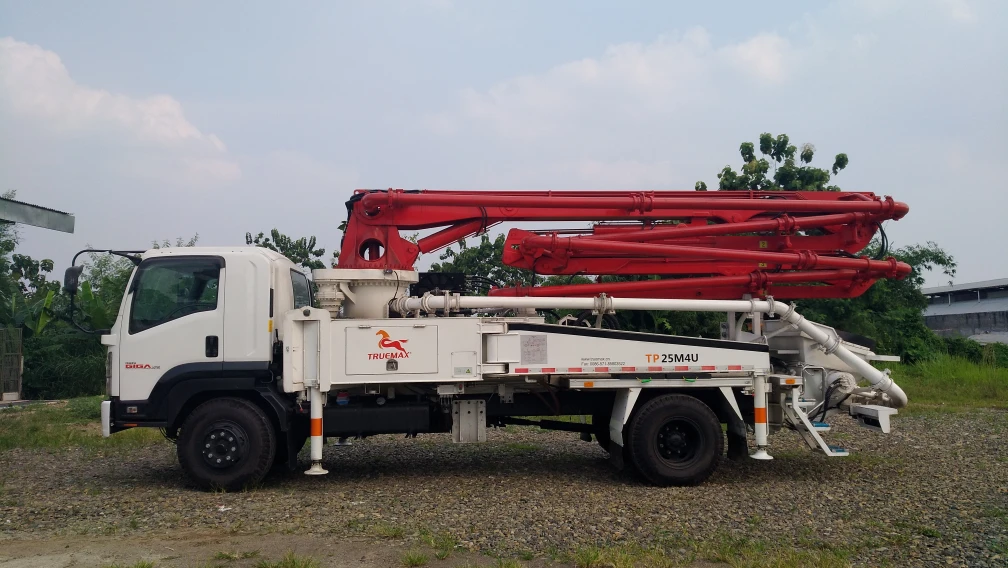
To achieve the smooth, continuous material flow required by nozzle operators, engineers modify the hydraulic architecture of the pumping unit. Wet-mix shotcrete pumps utilize an advanced closed-loop hydraulic circuit combined with high-capacity nitrogen accumulators. The accumulator stores hydraulic fluid under high pressure and releases it instantaneously during the S-valve transition phase. This drastically reduces the switching time to mere fractions of a second, virtually eliminating the material gap in the delivery line. For mobile subterranean operations, contractors mount these optimized pumping units on narrow-chassis Truck-Mounted Line Pumps or dedicated robotic spraying manipulators, allowing the equipment to navigate tight tunnel turning radii while delivering a continuous, non-pulsating stream of concrete.
3. Compressed Air Integration and Nozzle Velocity
The transition from a slow-moving column of wet concrete to a high-velocity structural spray occurs inside the discharge nozzle. The efficiency of the compaction process is dictated entirely by the kinetic energy of the material at the point of impact. To atomize the viscous concrete paste, industrial air compressors are integrated directly into the nozzle block via a secondary heavy-duty airline.
The compressed air supply must deliver a minimum flow rate of 10 to 12 cubic meters per minute at a sustained pressure of 7 bar (100 psi). When this high-pressure air intersects with the concrete stream, it fragments the continuous flow into individual, high-speed aggregate projectiles coated in cement paste. The velocity of the material exiting the nozzle typically exceeds 20 to 30 meters per second. This extreme speed ensures that the aggregates embed deeply into the substrate, driving out entrapped air voids and achieving a final in-place density that often surpasses traditionally vibrated cast-in-place concrete.
4. Chemical Acceleration and Automated Dosing Units
Applying wet concrete to a vertical rock face or a tunnel crown (ceiling) defies gravity. Without immediate chemical intervention, a 100 mm thick layer of wet concrete would instantly slough off and collapse to the floor. To force immediate stiffening, operators inject chemical setting accelerators directly into the air stream at the nozzle assembly.
Modern specifications strictly mandate the use of alkali-free liquid accelerators. Older silicate-based or aluminate-based accelerators provided rapid setting but caused a severe 20 to 30 percent loss in the ultimate 28-day compressive strength of the concrete, while also introducing severe caustic health hazards to the nozzle operator. Alkali-free formulations promote rapid formation of ettringite crystals, locking the free water and stabilizing the paste within seconds, without compromising long-term structural integrity.
The critical engineering challenge lies in dosage accuracy. The volume of accelerator injected (typically 4 to 8 percent by weight of cement) must perfectly match the volume of concrete flowing through the pipe. Advanced shotcrete pumps integrate a synchronized peristaltic dosing pump. The programmable logic controller (PLC) monitors the stroke speed of the main concrete drive cylinders and automatically adjusts the variable-frequency drive of the chemical dosing pump in real-time. If the concrete pump slows down, the chemical injection rate slows down proportionately, preventing chemical overdosing which causes brittle, low-strength linings.
5. Batching Plant Specifications for Shotcrete Production
The mechanical reliability of the wet-mix shotcrete process depends entirely on the rheological stability of the source material. Shotcrete mix designs feature exceptionally high cementitious contents (often 400 to 450 kg per cubic meter) and small-diameter aggregates. The maximum nominal aggregate size is strictly limited to 10 mm or 14 mm to prevent nozzle blockages and reduce rebound off the rock face.
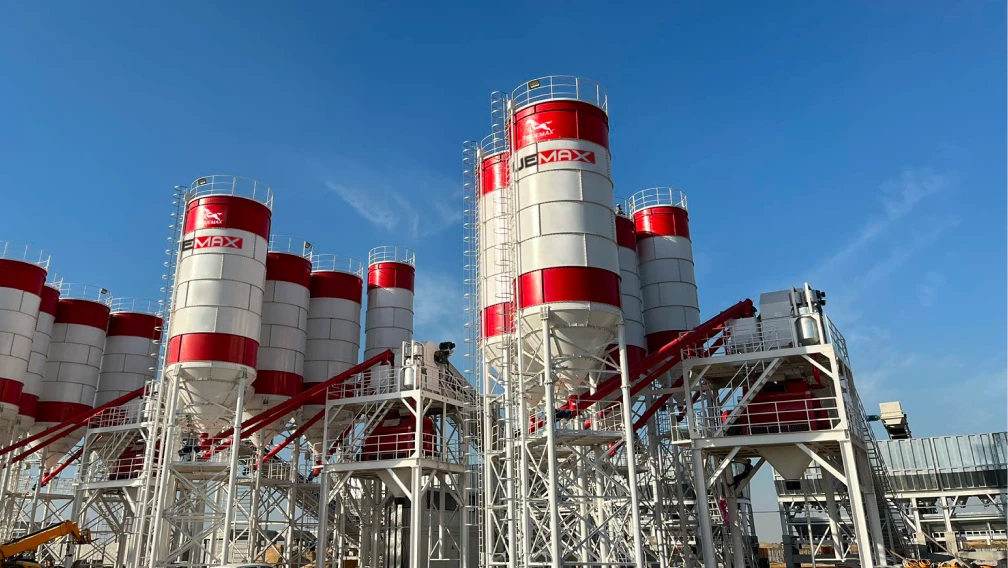
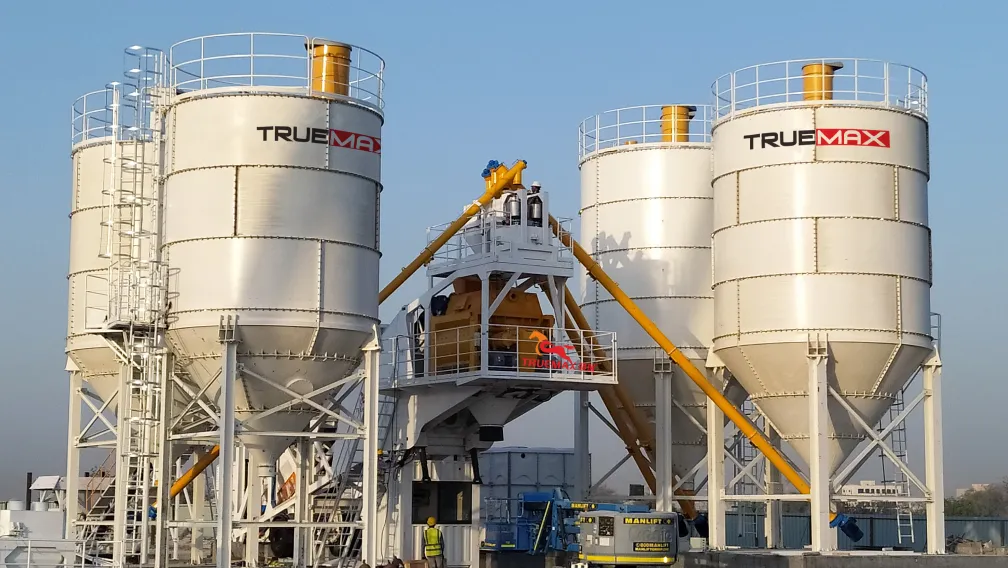
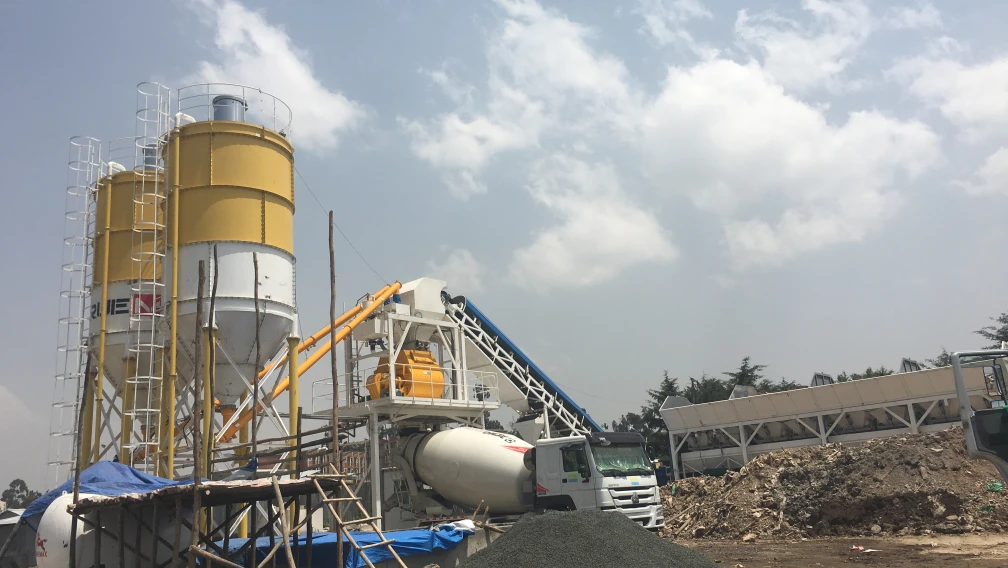
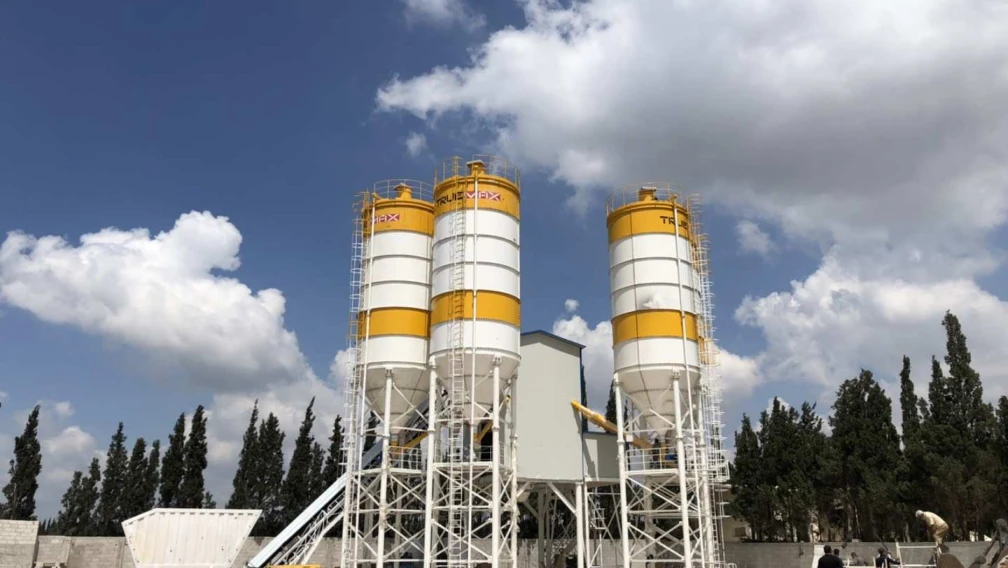
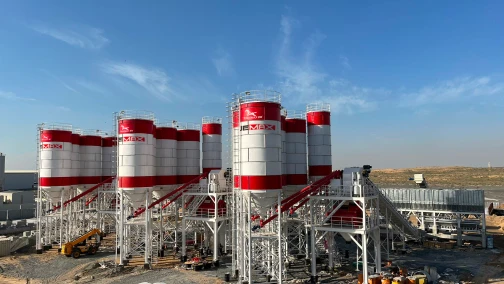
To produce this highly cohesive, fine-grained mix, the Concrete Batching Plant must operate with absolute precision. High-shear twin-shaft mixing is mandatory to completely disperse the silica fume and polycarboxylate superplasticizers necessary for slump retention. Furthermore, because the ultimate strength of the shotcrete relies on strict water-to-cement ratios (typically below 0.45), the plant must be equipped with automated microwave moisture sensors inside the fine aggregate bins. These sensors detect the exact water content of the damp sand, allowing the central computer to deduct that moisture from the liquid water scale automatically, ensuring the batch is never over-hydrated.
6. Transit Logistics and Slump Retention in Tunnels
Underground construction introduces severe logistical bottlenecks. The distance from the surface batching plant to the active tunnel face can extend for several kilometers, requiring long transit times through congested, unpaved mining drifts.
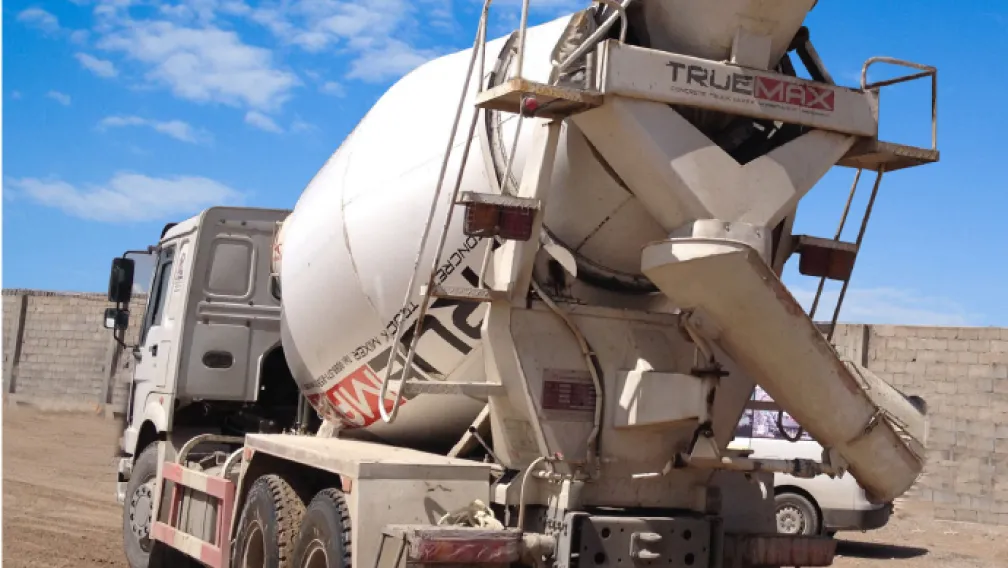
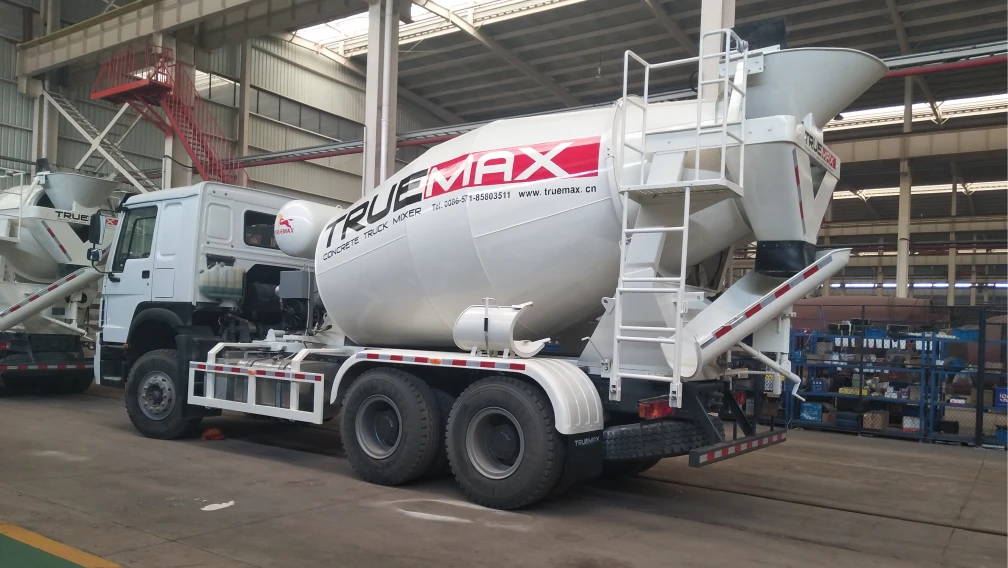
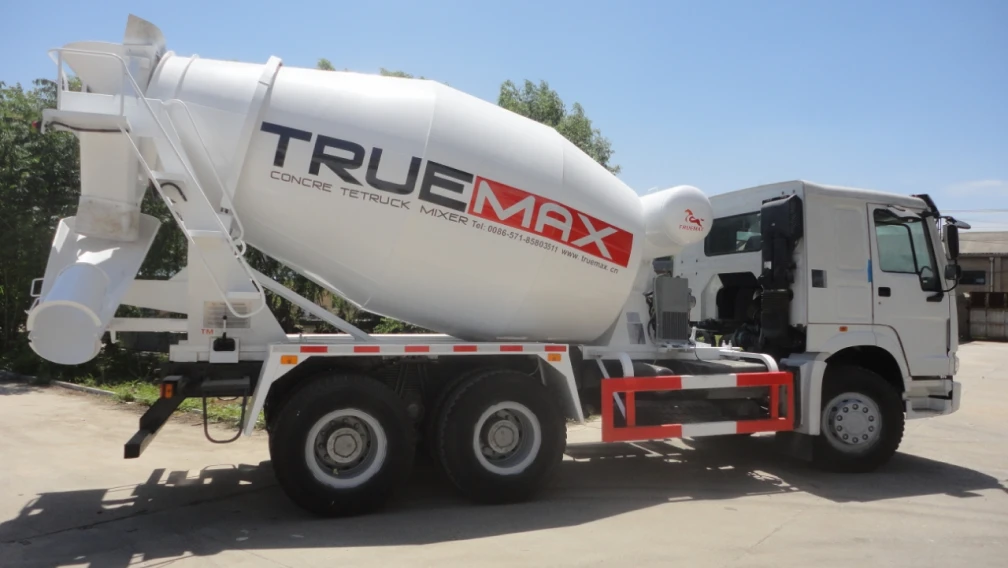
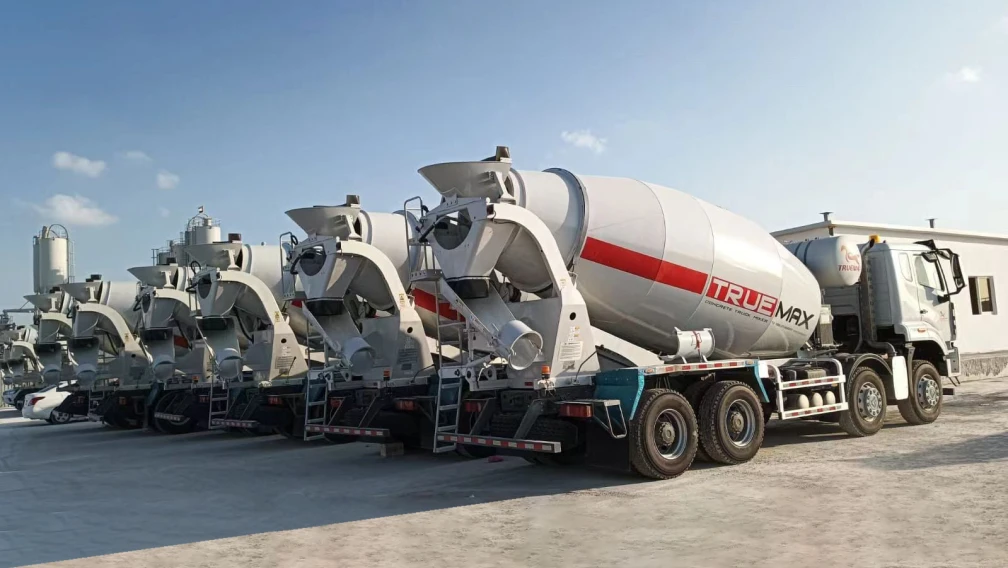
During this transit window, the Concrete Truck Mixers must keep the highly reactive shotcrete mix agitated without allowing it to set. Due to the high ambient temperatures often found in deep underground excavations, fleet managers utilize advanced hydration-controlling admixtures (stabilizers) that put the cement reaction into a dormant state for up to 3 to 4 hours. Once the mixer truck discharges the material into the shotcrete pump hopper, the introduction of the alkali-free accelerator at the nozzle instantly counteracts the stabilizer, overriding the dormancy and triggering an immediate flash set against the rock wall. This chemical orchestration is vital for maintaining zero material waste during unavoidable logistical delays.
7. Frequently Asked Questions
Q1: What is rebound in shotcrete, and how is it managed?
A: Rebound refers to the coarse aggregates and cement paste that bounce off the substrate during application and fall to the ground as waste. In the wet-mix process, acceptable rebound rates are between 5 and 10 percent. Rebound is managed by maintaining the correct nozzle distance (typically 1.0 to 1.5 meters from the wall), holding the nozzle perfectly perpendicular (at a 90-degree angle) to the receiving surface, and ensuring exact aggregate gradation at the batch plant.
Q2: Why are standard concrete pumps not ideal for wet-mix shotcrete?
A: Standard concrete pumps have a noticeable delay during the S-valve shifting sequence, which creates a drop in delivery pressure (pulsation). In shotcrete, this pulsation causes the continuous compressed air stream to blast empty air, followed by a violent surge of concrete. Specialized shotcrete pumps use high-speed switching accumulators to maintain a flat, continuous output curve.
Q3: Can rebound concrete be shoveled up and reused in the structure?
A: No. Rebound material consists primarily of the largest, heaviest coarse aggregates that lacked sufficient cement paste adhesion to stick to the wall. It has lost its original mix proportion and water-to-cement ratio. Reusing rebound material will result in porous, structurally defective concrete with virtually no compressive strength. It must be disposed of as construction waste.
Q4: What is the difference between alkali-free and silicate-based accelerators?
A: Silicate-based accelerators are cheaper but highly caustic, causing chemical burns to workers. More importantly, they degrade the final 28-day compressive strength of the concrete by up to 30 percent. Alkali-free accelerators are safer to handle, environmentally compliant, and promote rapid early strength without sacrificing the long-term structural integrity of the permanent tunnel lining.
Q5: How does the nozzle operator control the thickness of the applied shotcrete layer?
A: Layer thickness is controlled by the nozzle operator's sweeping speed and the dosage rate of the accelerator. For thick applications (e.g., 200 mm to 300 mm), the operator applies the shotcrete in multiple progressive passes, allowing the chemical accelerator a few minutes to stiffen the underlying layer before adding more weight on top, preventing gravitational sloughing.
Q6: Why is silica fume frequently added to shotcrete mix designs?
A: Silica fume is an ultra-fine pozzolanic powder that dramatically increases the cohesiveness and stickiness of the wet concrete paste. This allows for much thicker single-pass applications on overhead tunnel crowns without the material detaching. It also densifies the microscopic pore structure, making the final cured lining highly impermeable to underground water ingress.
8. Technical Equipment Consultation
Transitioning to high-efficiency wet-mix shotcrete operations requires perfect integration between your batching facility, transit fleet, and synchronized pumping units. To eliminate pulsation, minimize rebound, and automate your chemical dosing protocols, submit your tunnel dimensions and daily output targets to the Truemax engineering team. We will provide a comprehensive, site-specific mechanical integration and equipment sizing proposal within 24 hours.
-

TrueMax
Concrete & Construction Equipment ManufacturerEstablished in 2003, Truemax designs, manufactures, and delivers concrete pumping equipment, crushing machinery, and construction hoisting systems from our own factory in Haining, China to jobsites in over 120 countries.