

 LANGUAGE

1. The Real Difference Is Where Mixing Happens
The choice between a wet-mix plant and a dry-batch plant is decided by one question: where does the concrete become homogeneous? In a wet-mix, or central-mix, plant the aggregate, cement, water and admixture are weighed and then mixed in a central mixer before discharge. In a dry-batch plant the plant meters dry materials into the truck drum, water is added at the plant or on arrival, and mixing continues in transit.
A concrete batching plant built as wet-mix produces finished concrete at the plant. A dry-batch plant produces a measured charge that still needs drum revolutions and time before it becomes specification concrete. That difference controls quality assurance, cycle planning, truck fleet size, placement interface and the type of projects each plant serves best.
For structural ready-mix, precast and high-specification infrastructure, central mixing gives tighter control because the batch leaves the plant already mixed and testable. For remote sites, long hauls and smaller contractors, dry-batch can reduce plant complexity and use the truck fleet as part of the mixing process. The correct decision is based on required consistency, haul distance, pour rate and the tolerance of the downstream pump or placing equipment.
2. Quality Control: Weighing, Homogeneity and Traceability
Both plant types can weigh materials accurately. The difference is what can be verified before the load leaves. In a central-mix plant, the discharged concrete can be sampled immediately for slump, temperature, air content and unit weight because it is already a mixed material. In a dry-batch process, the first true check happens after the drum has completed enough revolutions to blend cement, aggregate and water.
| Control point | Wet-mix / central-mix plant | Dry-batch plant |
|---|---|---|
| Mixing location | Central twin-shaft mixer at the plant | Truck drum during charging and transit |
| First representative sample | At plant discharge | After drum mixing, often at site |
| Weighing tolerance basis | Aggregate ±2%; cement, water and additive ±1% | Same metering is possible, but final uniformity depends on drum mixing |
| Batch record value | Recipe, weights, mixing time and discharge data describe finished concrete | Recipe and weights describe ingredients; mixing evidence is split between plant and truck |
| Best fit | Ready-mix, precast, pump-fed structural pours, tight slump windows | Remote work, long hauls, lower specification tolerance, flexible delivery |
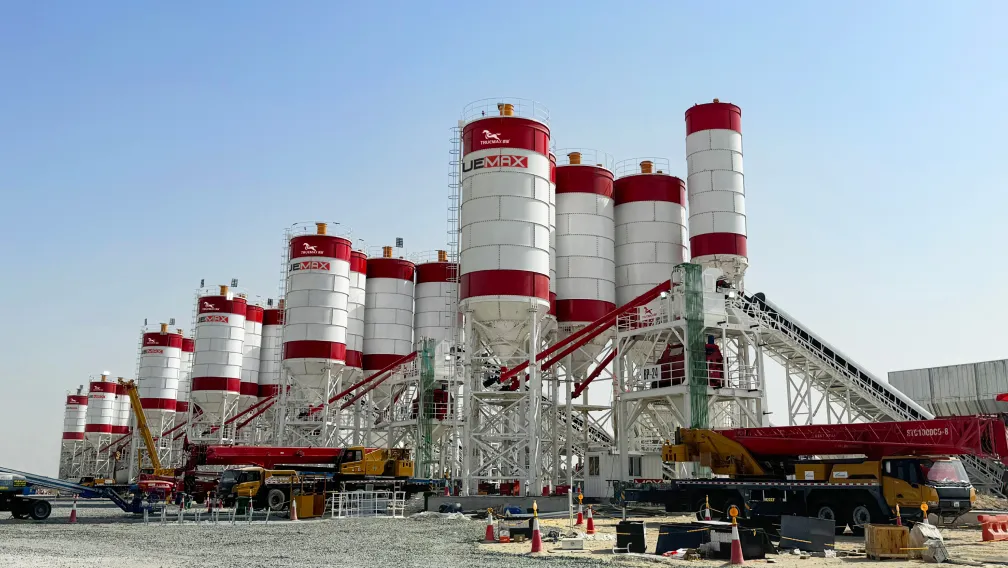
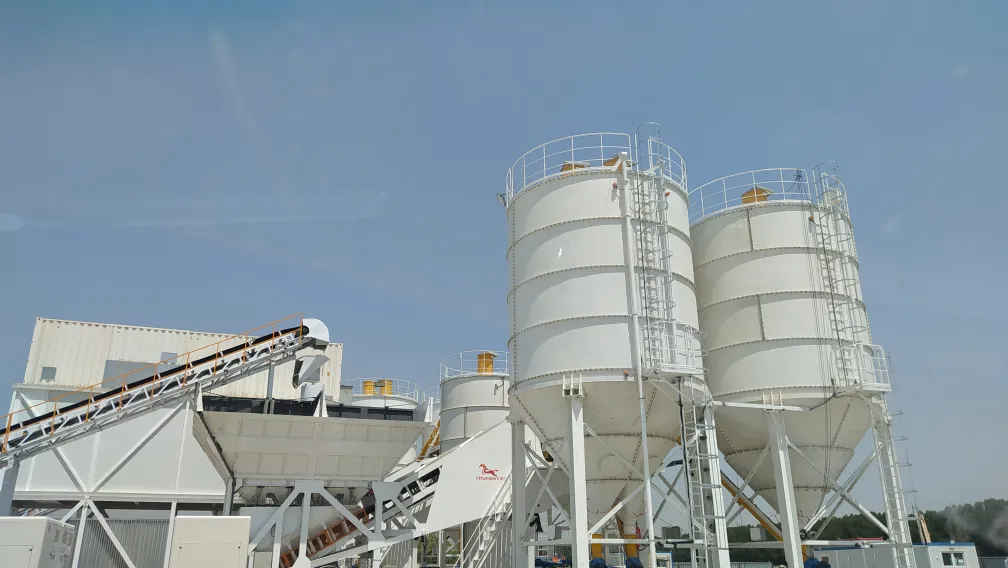
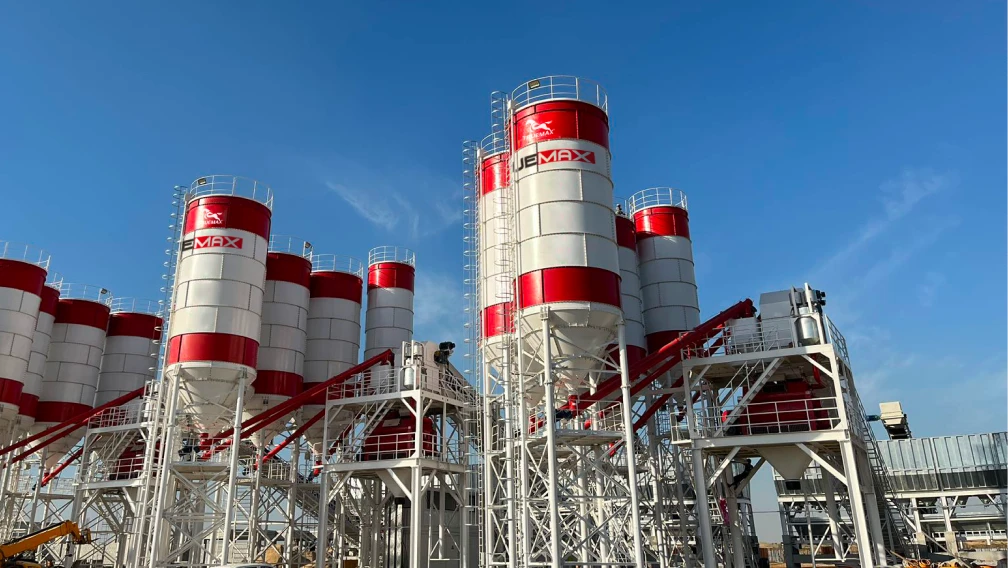
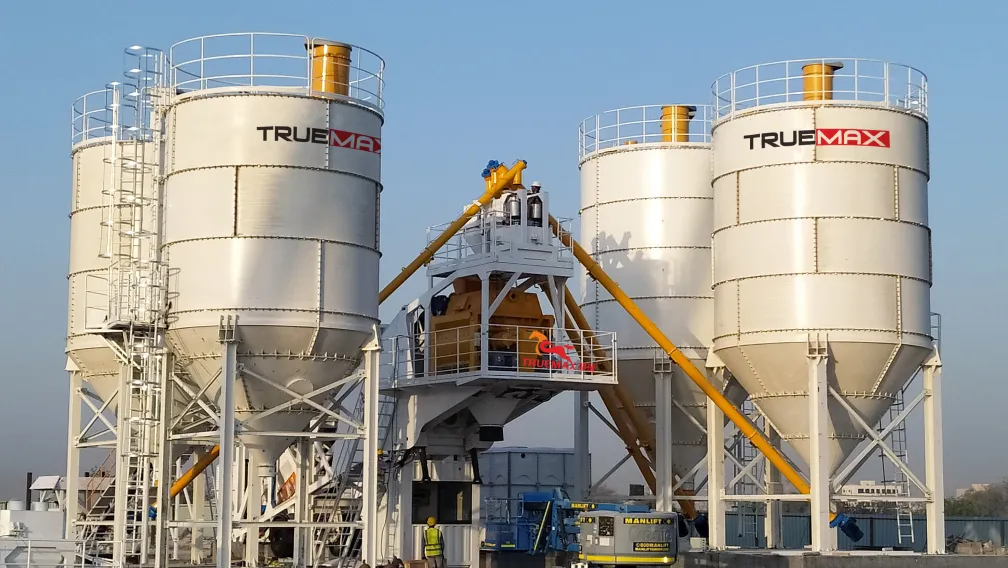
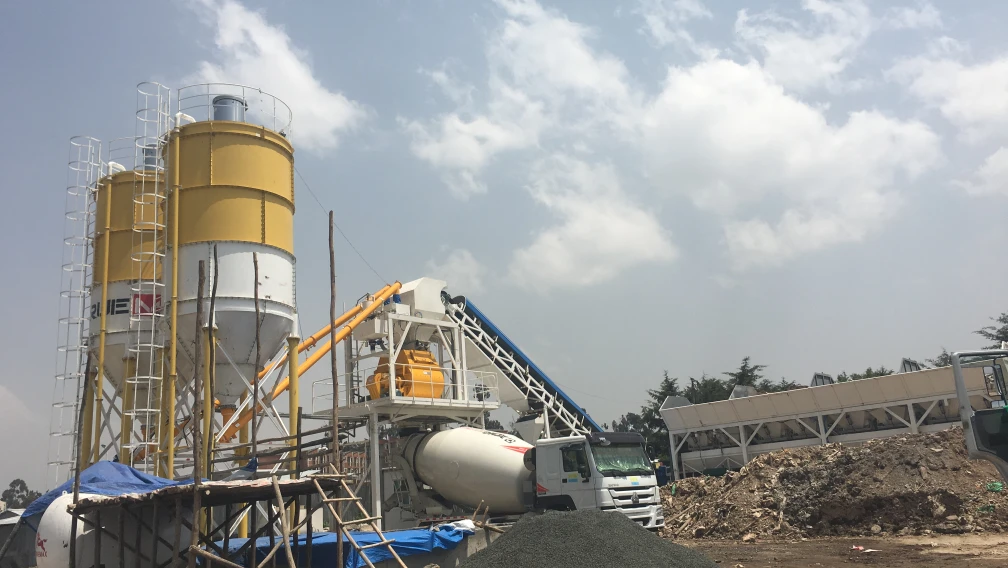
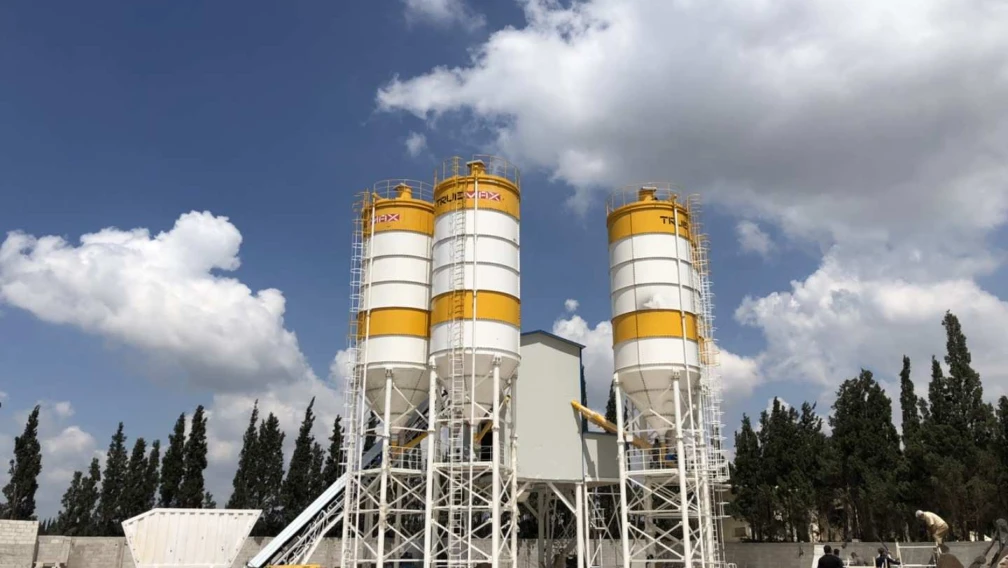
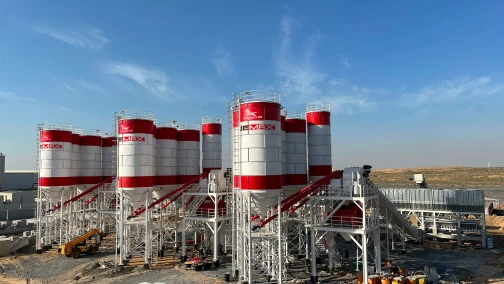
TRUEMAX C10 plants are wet-mix central-mix units. Each material is weighed on load cells before it enters the mixer: aggregate to ±2%, and cement, water and additive to ±1%. Water and additive use coarse and fine weighing with automatic drop compensation, while powder weighing uses air-exchange compensation to prevent false readings from pressure changes between scale, hopper and mixer. These details matter because a one-percent water error changes water-binder ratio, slump and strength margin.
Traceability is stronger when the batch record includes mixing time and discharge confirmation from the central mixer. For pump-fed work, this reduces disputes between plant, truck driver and pump operator. The sample at the plant and the sample at placement describe the same material state, within transport loss.
3. Output Planning: Mixer Yield, Cycle Time and Truck Fleet
Plant output is a cycle calculation. At a 60-second mixing cycle, a plant runs 60 batches per hour. Compacted mixer yield in cubic metres multiplied by 60 gives theoretical output: a 1 m³ mixer supports about 60 m³/h, a 2 m³ mixer about 120 m³/h, and a 3 m³ mixer about 180 m³/h. Real output is lower when aggregate feeding, discharge waiting, washout or truck gaps interrupt the cycle.
Worked fleet example
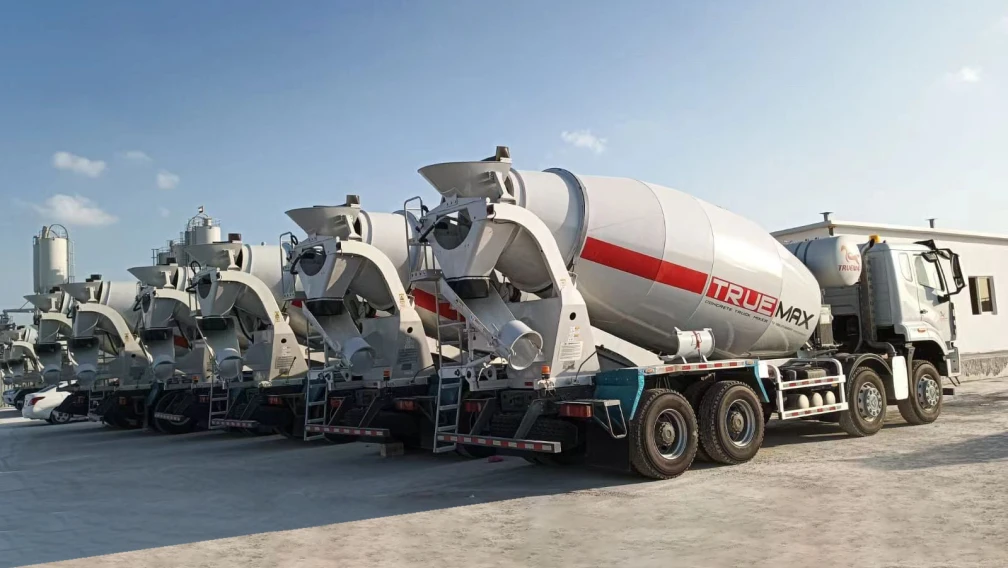
A 120 m³/h central-mix plant serving 10 m³ mixer trucks can theoretically fill 12 trucks per hour. If each truck needs 45 minutes for loading, haul, waiting, discharge and return, the continuous fleet requirement is 120 × 0.75 ÷ 10 = 9 trucks before allowance. Add 15–25% for traffic, site queuing, cleaning and breakdown risk, and the practical fleet becomes 11–12 trucks. If the pour uses a pump with a steady 60 m³/h placing rate, either reduce plant output or increase truck turnaround discipline; producing at full plant capacity into a 60 m³/h placement only creates queue time and slump loss.
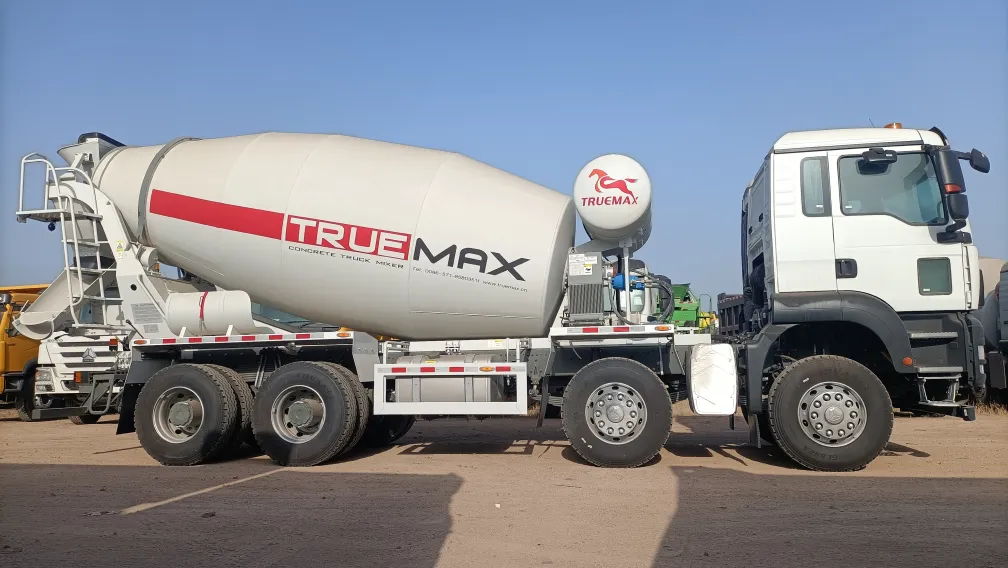
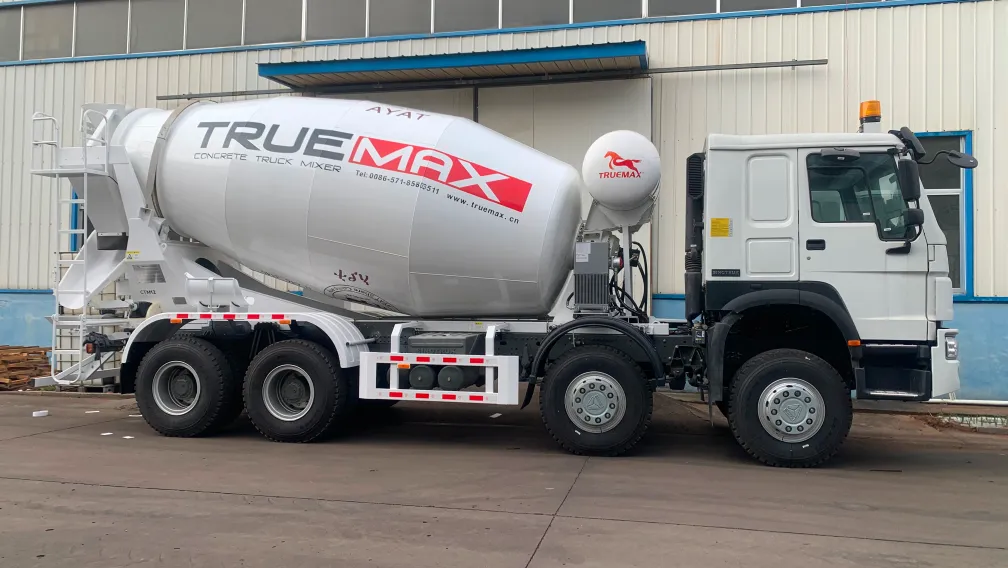
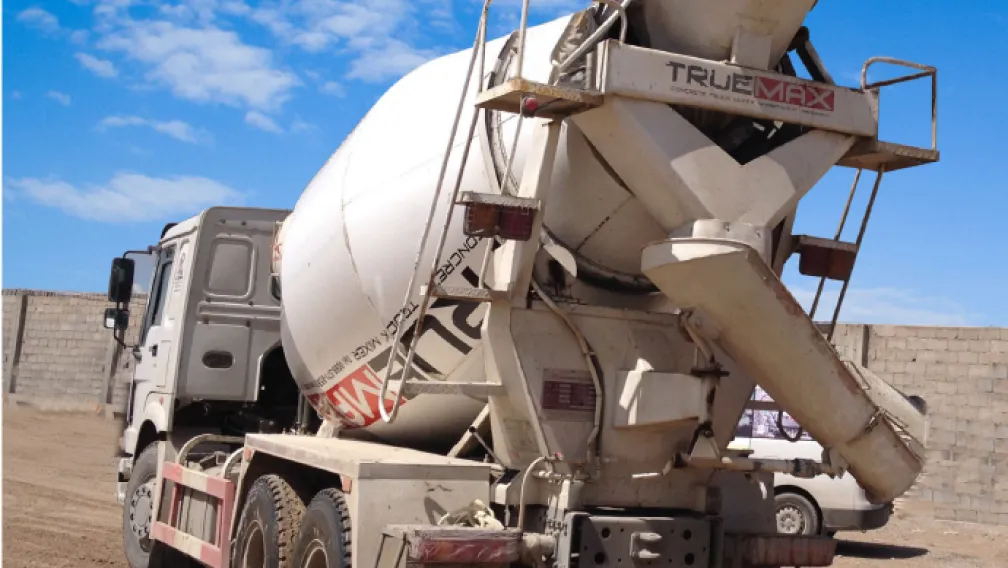
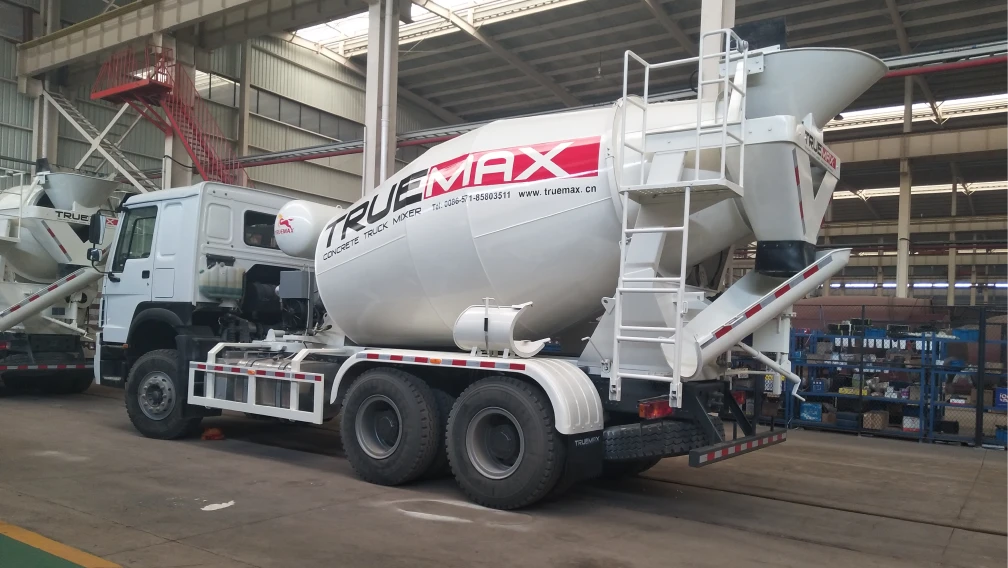
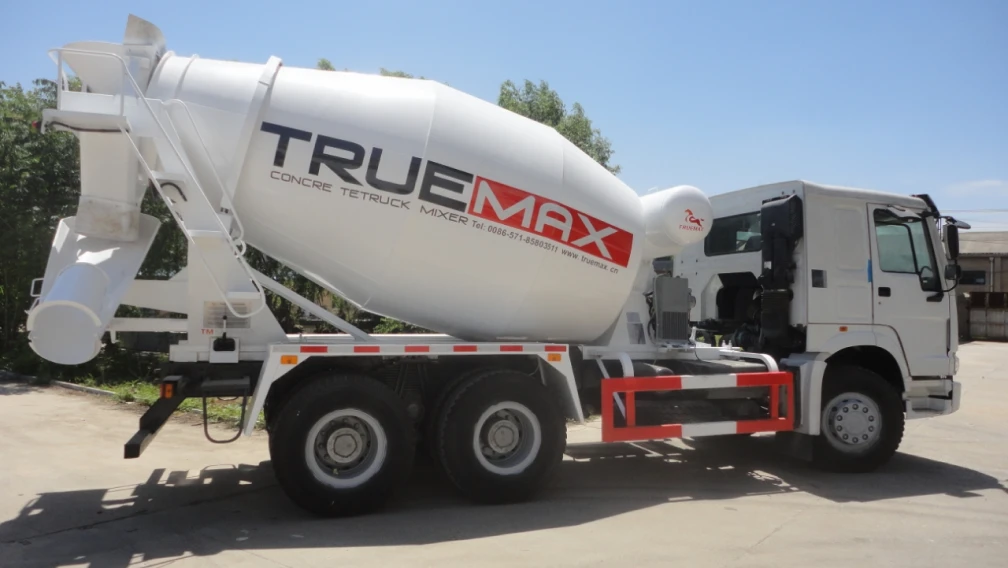
This is where central mixing changes fleet behaviour. Because mixing is completed at the plant, the concrete truck mixer mainly protects workability during transport. Drum rotation agitates the load rather than manufacturing it, so arrival consistency depends more on haul time and temperature than on whether the drum can finish blending a dry charge.
4. When Dry-Batch Still Makes Sense
Dry-batch remains useful where the haul is long, the site is remote, or the project cannot justify a central mixer and its supporting systems. A dry plant has fewer high-wear mixing components at the plant and can be simpler to relocate. It also lets operators add water later when local rules and the mix design permit controlled adjustment.
The limits are consistency and verification. Drum blades wear, residual concrete changes effective drum volume, and mixing efficiency varies with truck age, blade condition and driver practice. On long hauls the dry charge can begin cement hydration after water addition, which narrows the placing window. For pumped structural concrete, these variables increase the risk of pressure drift and blockage compared with a central-mixed load sampled before dispatch.
Use dry-batch when the specification allows wider tolerance, the haul route is predictable, and the truck fleet is controlled as part of the production system. Use central mixing when the project needs repeatability, fast acceptance testing and stable feed to a pump or precast line.
5. Transport, Slump Control and Placement Interface
Concrete remains perishable after batching. Many ready-mix specifications limit delivery to about 90 minutes or 300 drum revolutions from batching to discharge, with tighter limits in hot weather or for high-strength mixes. A central-mix load spends that window as finished concrete; a dry-batch load spends part of it still becoming concrete. For long-distance delivery, that difference changes slump retention planning and admixture dosage.
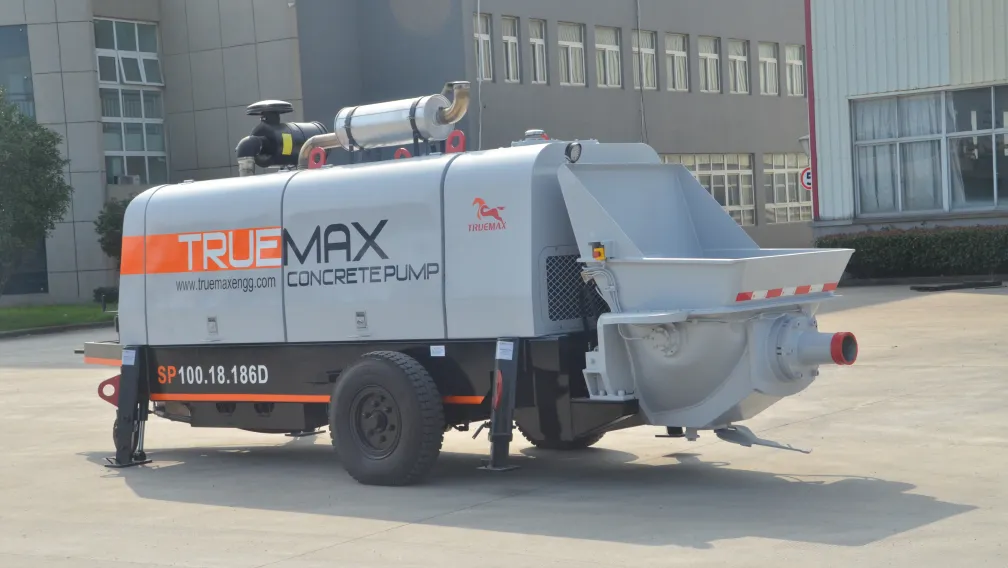
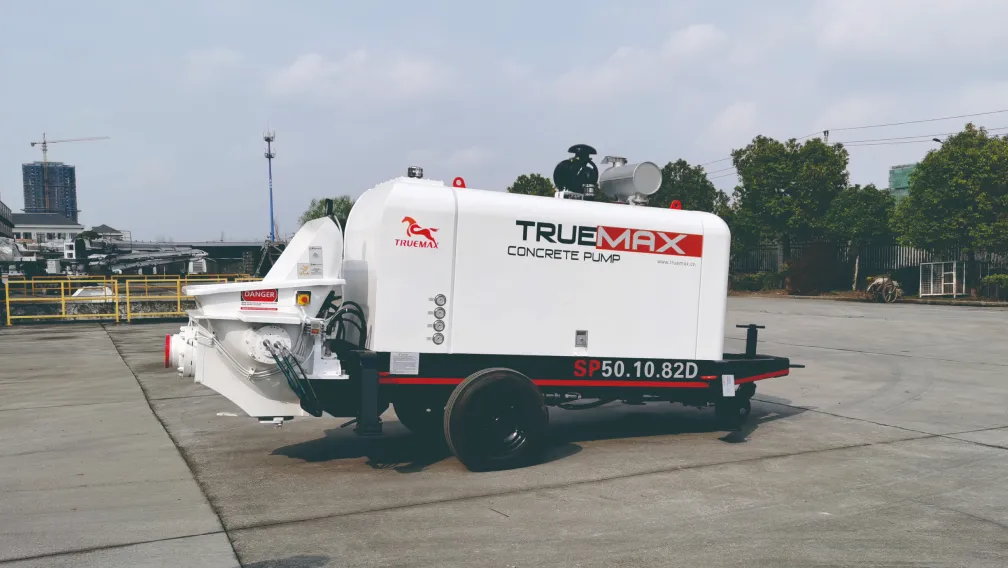
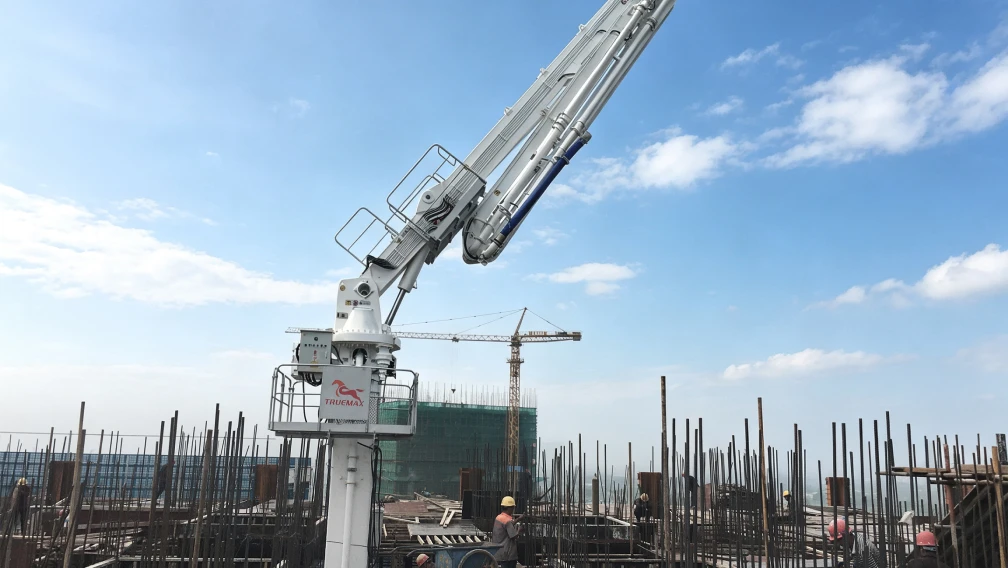
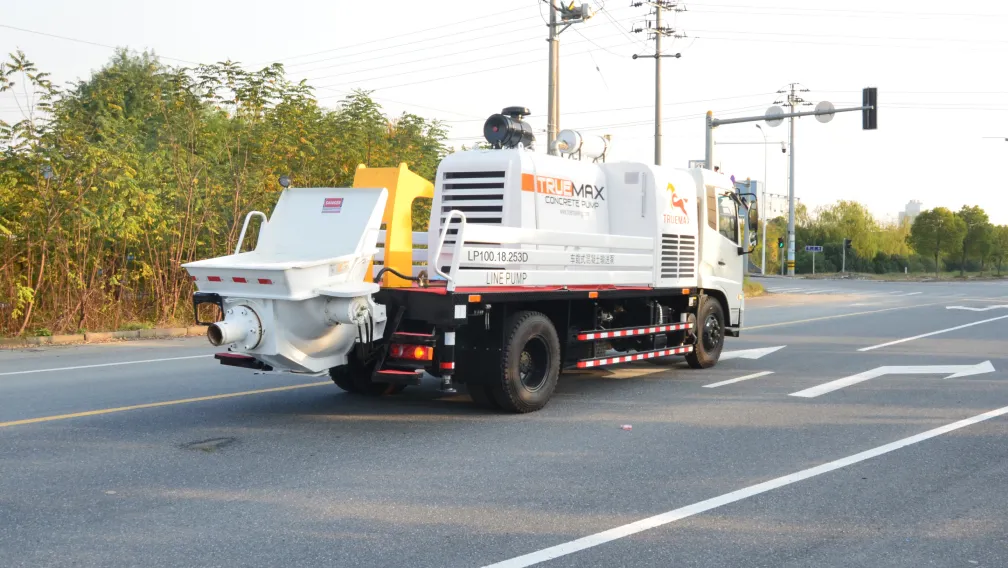
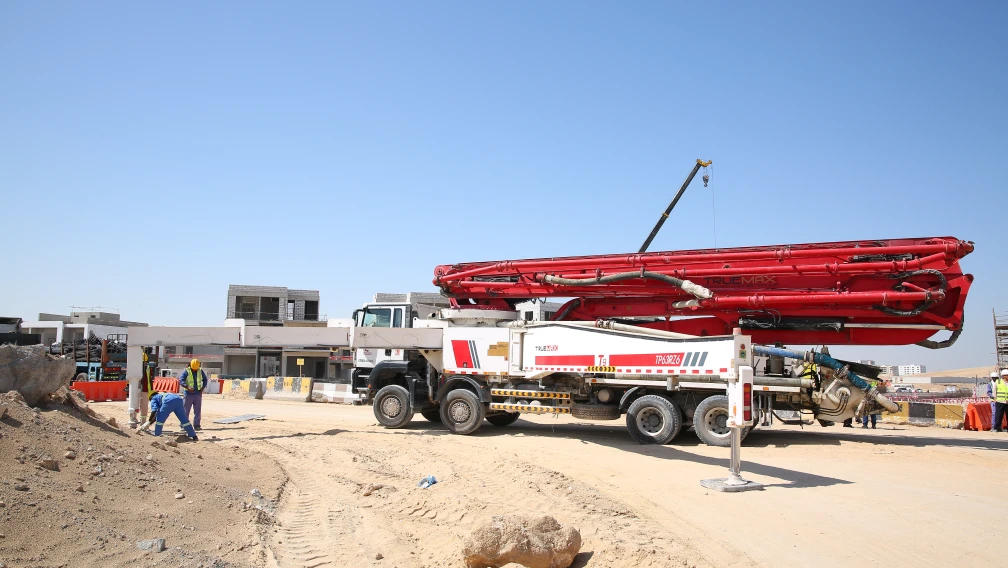
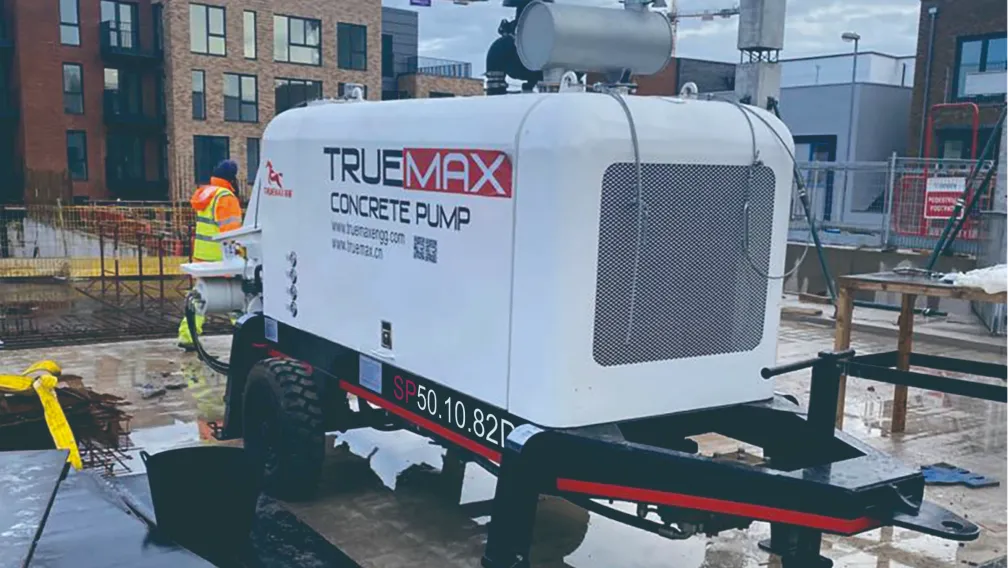
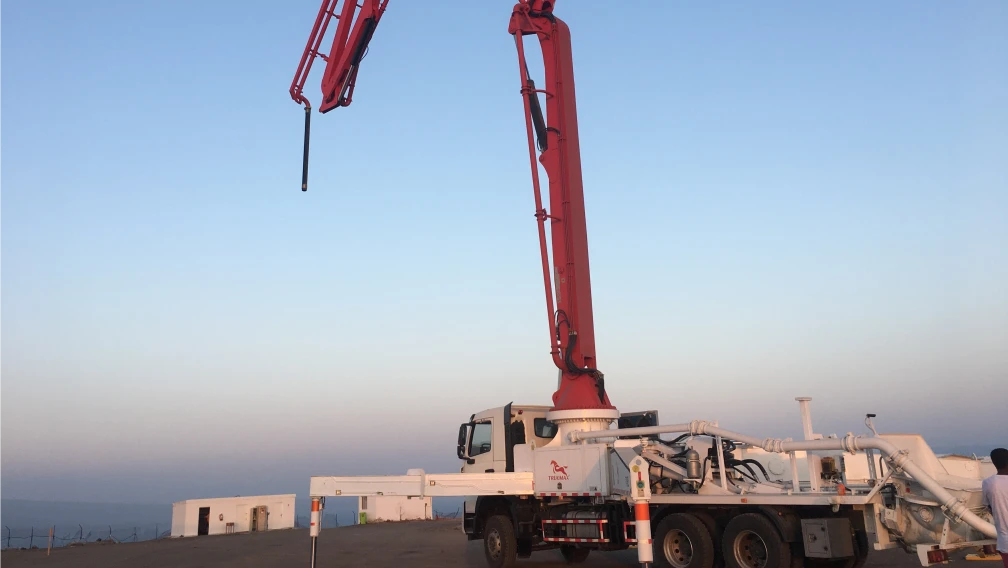
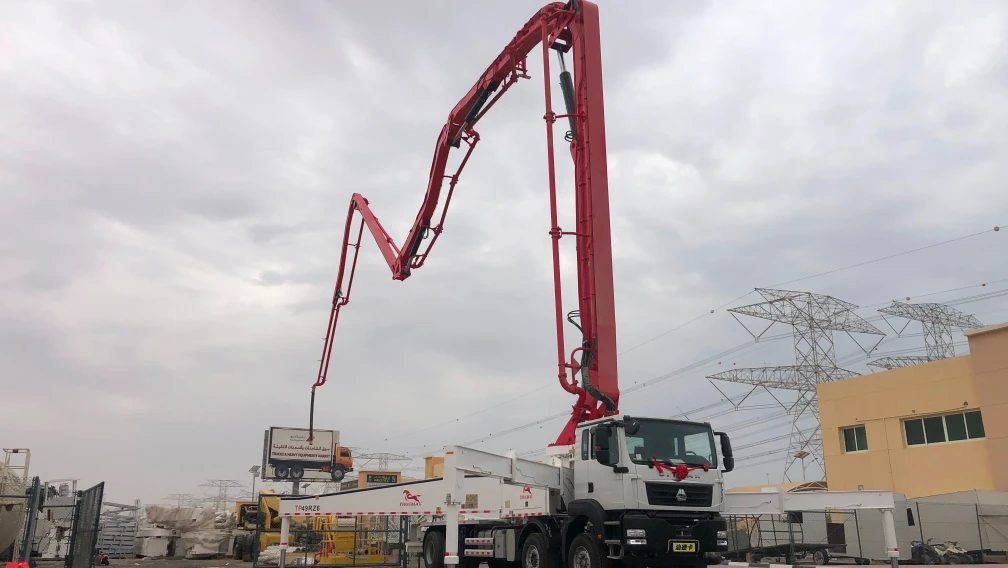
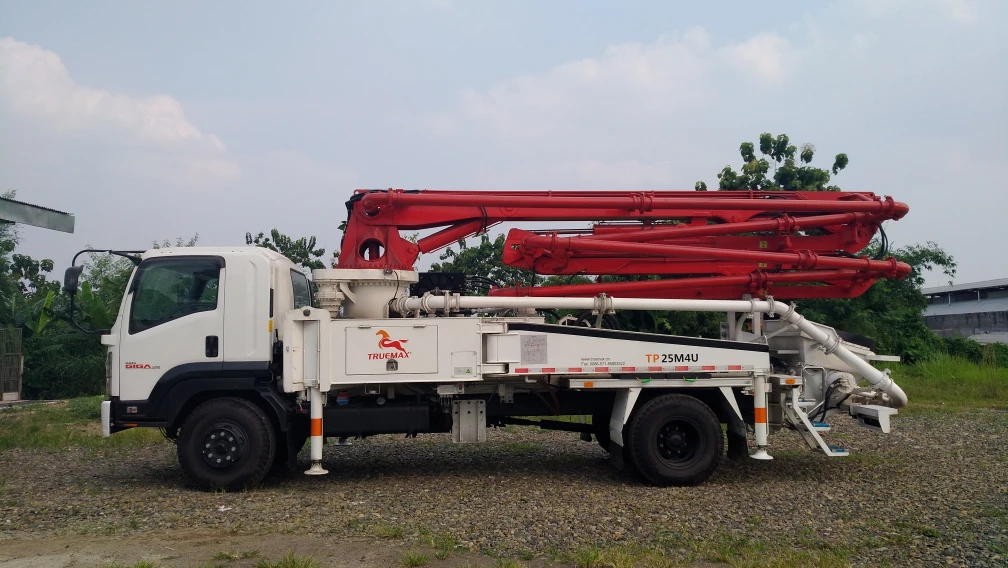
Placement equipment should be included in plant selection. A pump or placing boom prefers a steady, cohesive supply. If the plant output exceeds the stationary concrete pump placing rate, trucks queue and slump drifts. If plant output is below the pump rate, the pump starts and stops, which increases pulsation and makes line pressure less stable. Match plant m³/h, truck round-trip time and placing rate before selecting capacities.
Water management must be defined. Central-mix plants dose water by weight and record it; any site addition should follow the approved mix design and be logged. Dry-batch operations need stricter discipline because water may be added at the plant, during transit or at site. Uncontrolled addition raises water-binder ratio and reduces strength even when slump looks acceptable.
6. CAPEX, Operating Cost and Compliance
A central-mix plant carries higher initial cost because it includes the mixer, mixer wear parts, discharge arrangement and higher structural load. It returns that cost through faster acceptance, fewer rejected loads, lower pump risk and better use of high-value admixtures. A dry-batch plant lowers plant CAPEX but shifts cost into truck wear, fuel, drum cleaning, residual concrete and quality variation.
Operating cost should be compared per accepted cubic metre, not per produced cubic metre. Include rejected loads, pump blockage downtime, drum washout, residual rate, admixture overdose from slump correction, and labour time spent resolving quality disputes. On pump-fed structural work, a single blocked riser or rejected load can erase the apparent saving from a simpler plant.
Compliance follows the same logic. Central mixing supports ISO 9001:2015 quality records because weighing, mixing and discharge are captured in one controlled station. CE marking and project-specific electrical or emission requirements still apply to the plant, while truck chassis must meet local registration and emission rules. For export projects, define these standards in the technical submittal before layout approval.
7. Frequently Asked Questions
Q1: Is a wet-mix plant always better than a dry-batch plant?
A: A wet-mix plant gives better control and faster verification for structural ready-mix, precast and pump-fed work. A dry-batch plant can be more practical for remote sites, long hauls and wider tolerance work. The better choice is the one that meets acceptance testing, haul time and placement rate with the lowest cost per accepted cubic metre.
Q2: How do I calculate batching plant output from mixer size?
A: At a 60-second cycle, theoretical hourly output equals compacted mixer yield multiplied by 60. A 2 m³ mixer therefore supports about 120 m³/h. Apply a utilization factor for aggregate feeding, discharge waiting, truck gaps and cleaning; continuous ready-mix operation rarely sustains 100% of theoretical output over a full shift.
Q3: What weighing accuracy should a structural concrete plant achieve?
A: A practical specification is aggregate ±2% and cement, water and additive ±1%, with coarse and fine weighing for water and admixture. The system should compensate for material drop and powder pressure effects. Accuracy must be verified by calibration records, not only by the load-cell datasheet.
Q4: How many mixer trucks does a 120 m³/h plant need?
A: Start with plant output multiplied by round-trip hours, divided by truck capacity. For 120 m³/h, 10 m³ trucks and a 45-minute cycle, the base fleet is nine trucks. Add 15–25% for queuing, traffic, washout and breakdown risk, then check the result against the pump or placing rate so trucks do not queue while concrete loses slump.
Q5: Does central mixing remove the need for a truck mixer drum?
A: The drum still agitates and protects the load during transport. It prevents segregation, supports controlled discharge and allows approved water addition when permitted. Central mixing removes the need for the drum to finish blending dry materials, which improves consistency and reduces dependence on driver mixing practice.
Q6: Which plant type is better for pump-fed high-rise work?
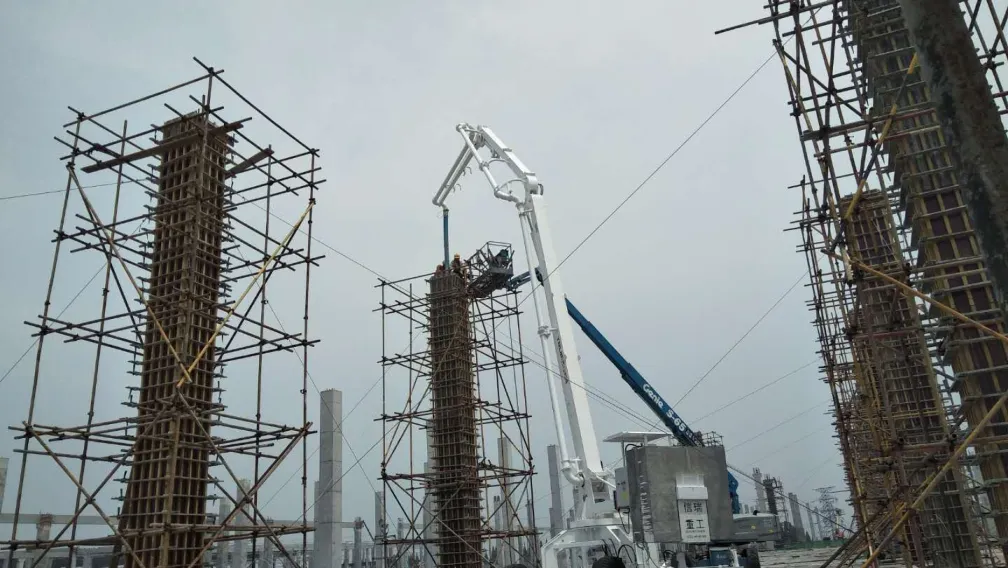
A: Central mixing is normally preferred because the load leaves the plant already homogeneous and testable. High-rise pumping is sensitive to cohesion, fines content and slump retention; a load that is still stabilising in the drum creates pressure variation at the riser. Match plant output to the pump placing rate to avoid start-stop operation.
8. Batching Plant Configuration Consultation
Plant type, mixer yield, weighing system and truck fleet must be specified together. TRUEMAX supplies central-mix batching plants from 60 to 360 m³/h, with load-cell weighing, automatic control, twin-shaft mixer options and project packages delivered to more than 120 countries since 2003. Send required output, concrete classes, haul distance, placement method and site constraints through the contact page for a plant and fleet configuration proposal within 24 hours. For tall-building supply chains, the high-rise concrete pumping solution aligns batching output, truck cycle, pump pressure and placing equipment.
-

TrueMax
Concrete & Construction Equipment ManufacturerEstablished in 2003, Truemax designs, manufactures, and delivers concrete pumping equipment, crushing machinery, and construction hoisting systems from our own factory in Haining, China to jobsites in over 120 countries.