

 LANGUAGE

1. The Numbers: Africa Leads the Global Construction Pipeline
Africa has become the world's most active region for new cement plant construction. Data from the Global Energy Monitor, reported by Reuters at the end of September 2026, shows that 16 African nations are now building new cement kilns, and the continent accounts for 42% of all cement production capacity currently under construction worldwide.
Africa operates around 441 million metric tons of annual cement capacity, about 8% of the global total. A further 43.3 million tons per year is under construction, and announced projects add another 23 million tons. If the pipeline is completed, continental capacity passes 507 million tons, roughly 15% of the world total. Installed capacity in Sub-Saharan Africa alone is projected to rise from about 280 million metric tons to more than 500 million.
Nigeria leads the continental pipeline with 10 million tons under construction, ranking second globally behind only India. For comparison, Asia Pacific has 37.5 million tons under construction across all its markets combined, and the Middle East 11.3 million.
2. The Projects Behind the Pipeline
The expansion is concentrated in a small number of large programs. Dangote Cement is executing a US$1 billion pan-African expansion strategy through 2030 and is upgrading its Lagos export terminals to raise shipments into West and Central Africa. BUA Cement is investing US$1.05 billion and, under an engineering agreement with China's Sinoma CBMI, is building three new plants of 3 million tons per annum each, nearly doubling its output to 20 million tons annually as Nigeria targets 80 million tons of national capacity by 2030.
In East Africa, Kenya is pursuing clinker self-sufficiency. The Devki Group has committed US$385 million to Kitui County's first cement and clinker facility, designed for 3 million tons of clinker per year on local limestone deposits, with a further 1.2-million-ton clinker plant planned in Kajiado. Cemtech is constructing a US$348 million clinker plant in West Pokot. Libya, Angola, Uganda, Mali and Mozambique have also lined up major cement construction roadmaps.
Lower-carbon production is part of the build-out rather than an afterthought. In Cameroon, Taiwan Cement Corporation's subsidiary CIMPOR recently completed a 1.2-million-ton plant that cuts emissions by 40% using calcined clay and cocoa shells as fuel, while Heidelberg Materials is constructing what it describes as the world's largest flash calciner in Ghana.
3. The Market Logic: Cement First, Concrete Next
Cement capacity is a leading indicator, not the end product. Cement consumption rises early in the industrialization cycle as countries build housing, roads, ports and factories, and every new kiln is justified by expected downstream concrete demand. The same logic is now visible in energy planning: the IEA expects Africa's electricity demand to grow 10.1%, from 799 TWh in 2025 to 880 TWh in 2027, as industrial activity accelerates.
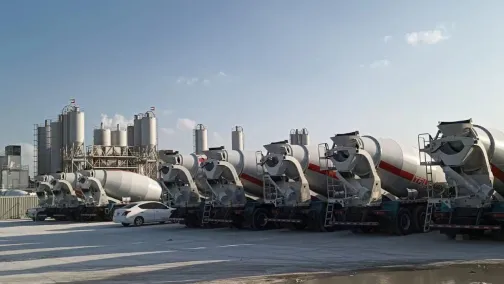
For contractors and ready-mix producers, the practical signal is that cement supply constraints in fast-growing African markets will ease over the next three to five years. Projects that were delayed by clinker imports and allocation quotas become schedulable. The bottleneck moves downstream, to batching capacity, delivery fleets and placing equipment at the job site.
4. What It Means for Concrete Equipment Planning
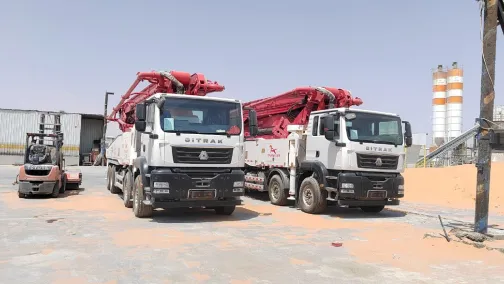
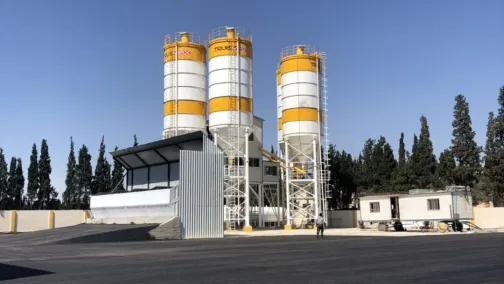
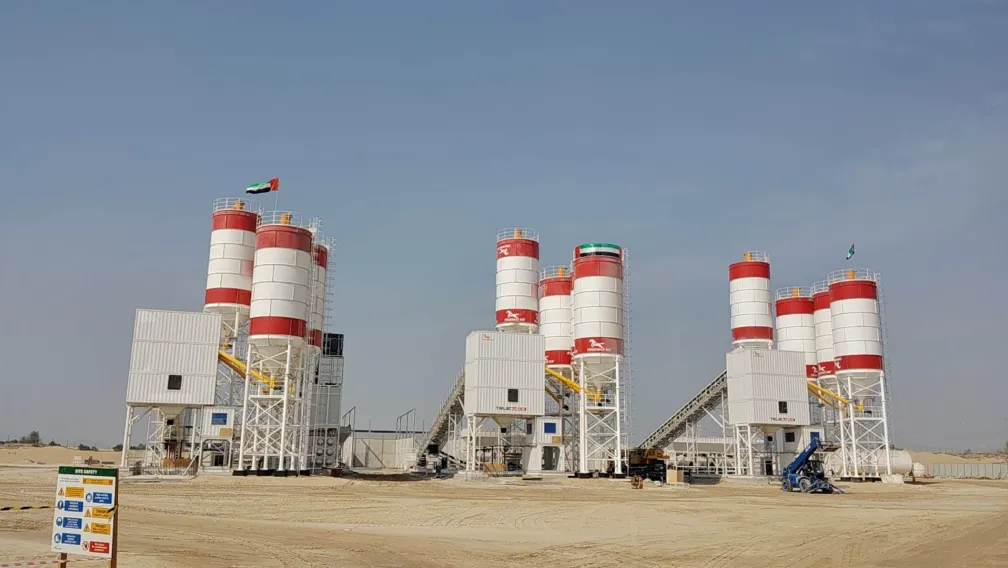
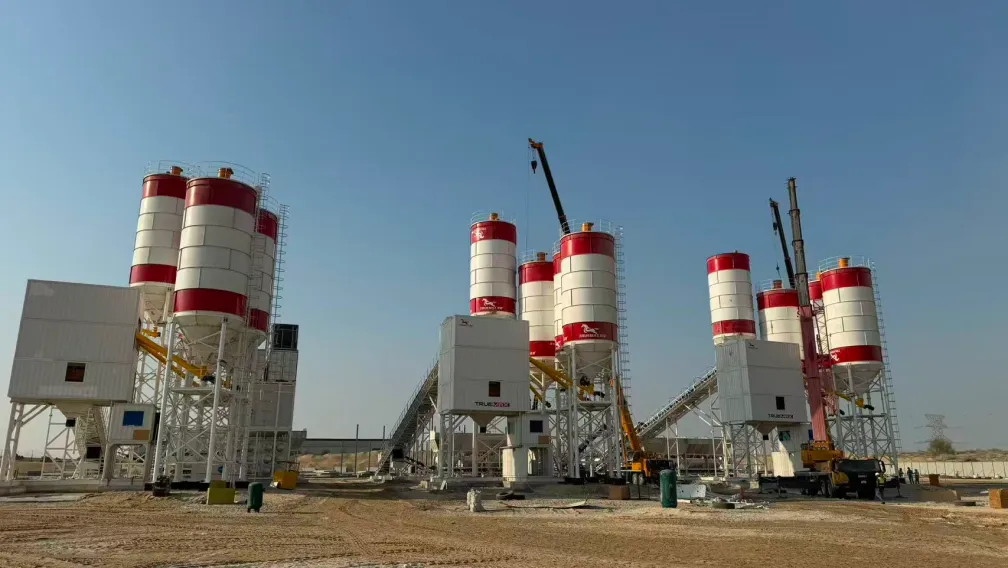
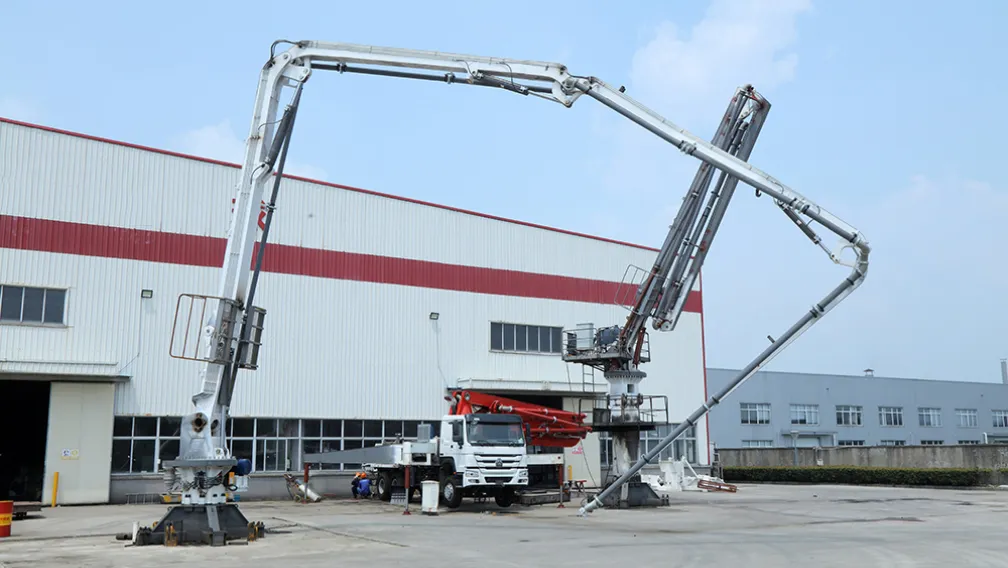
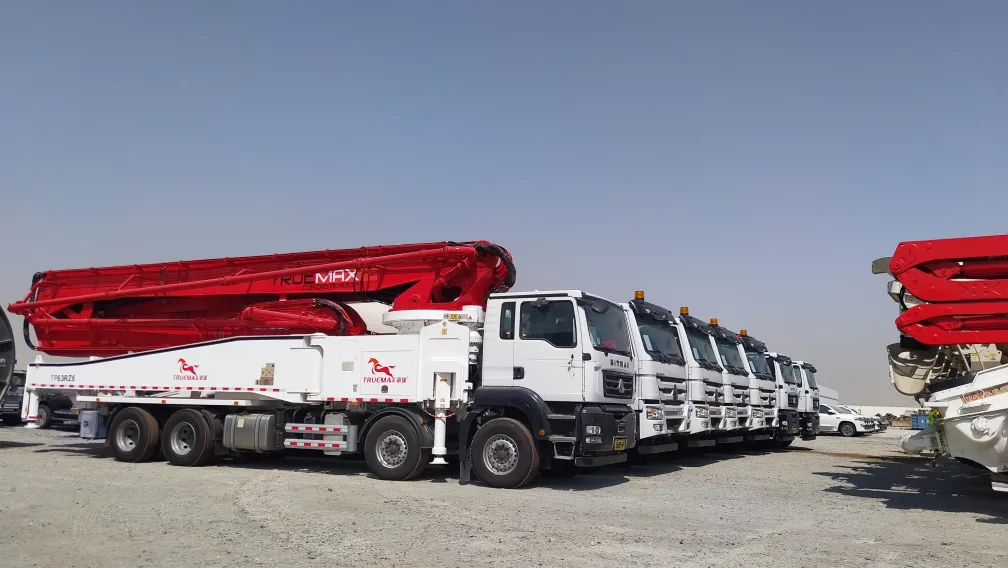
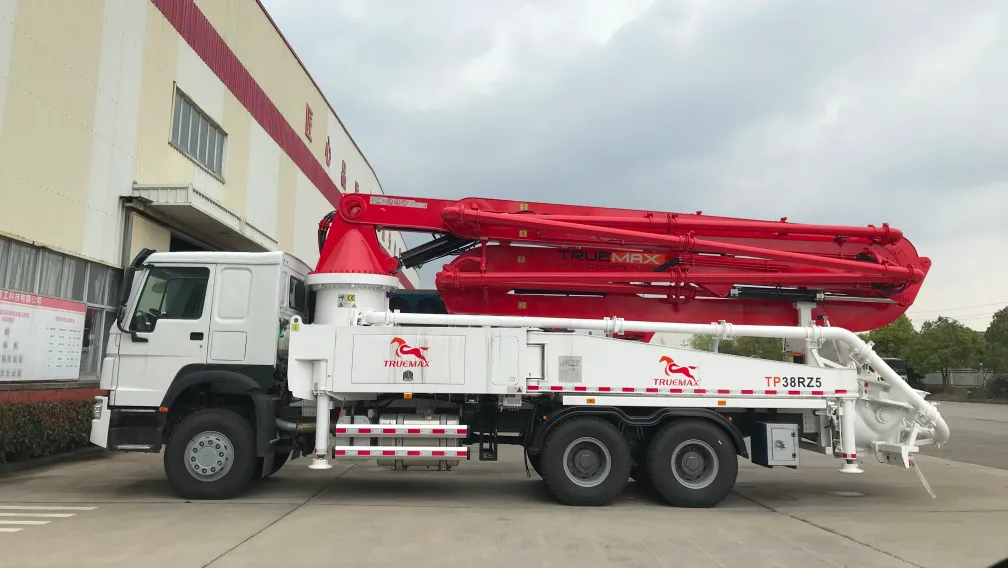
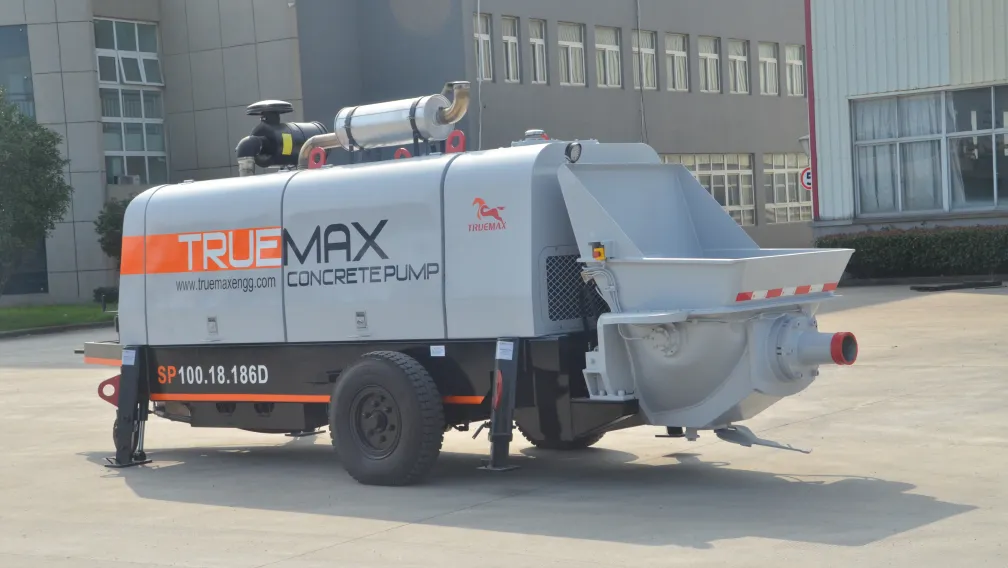
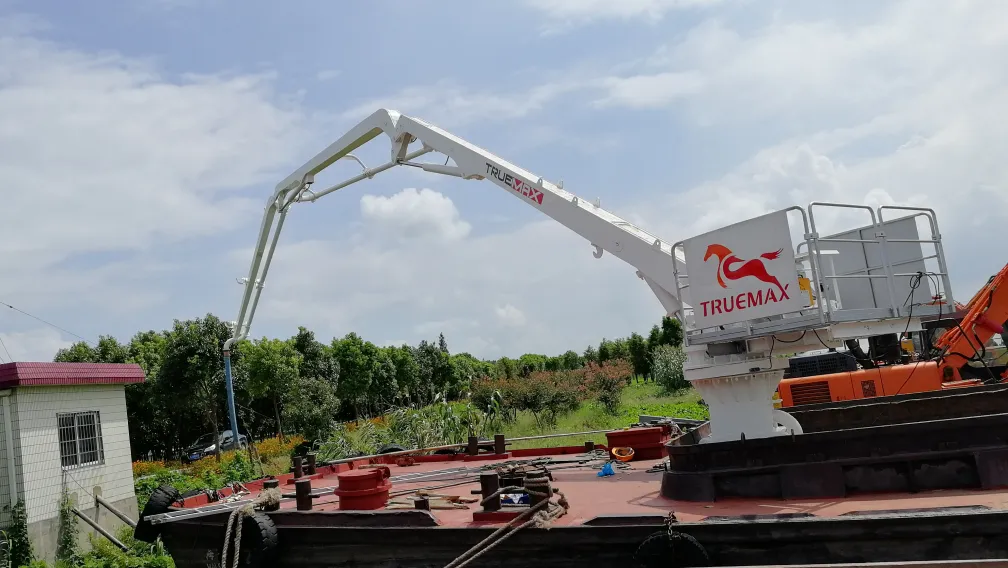
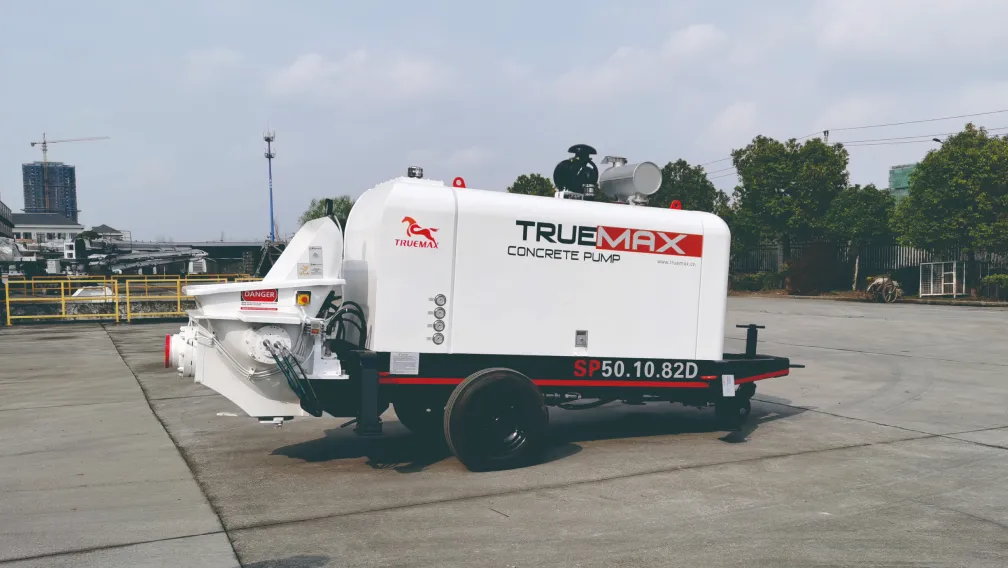
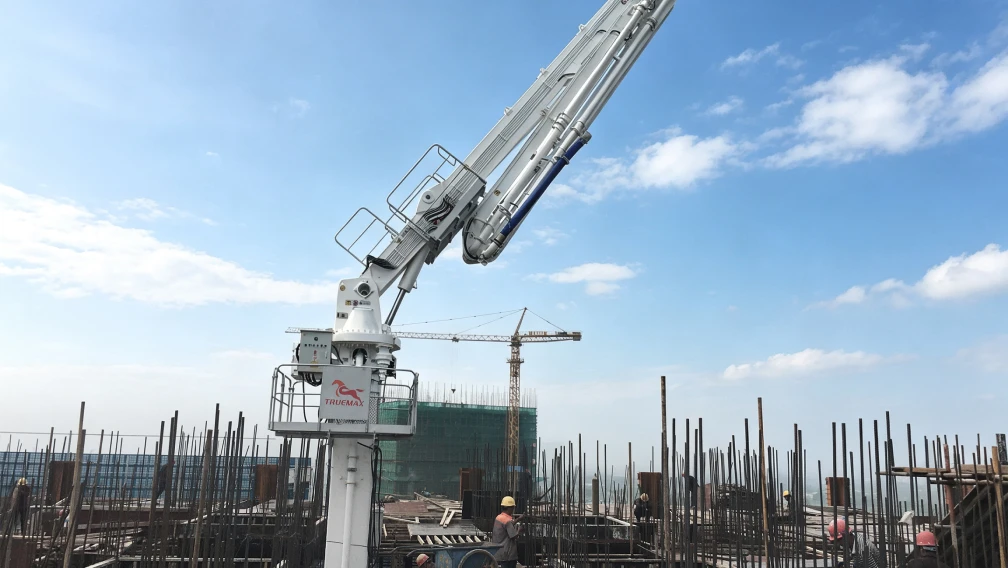
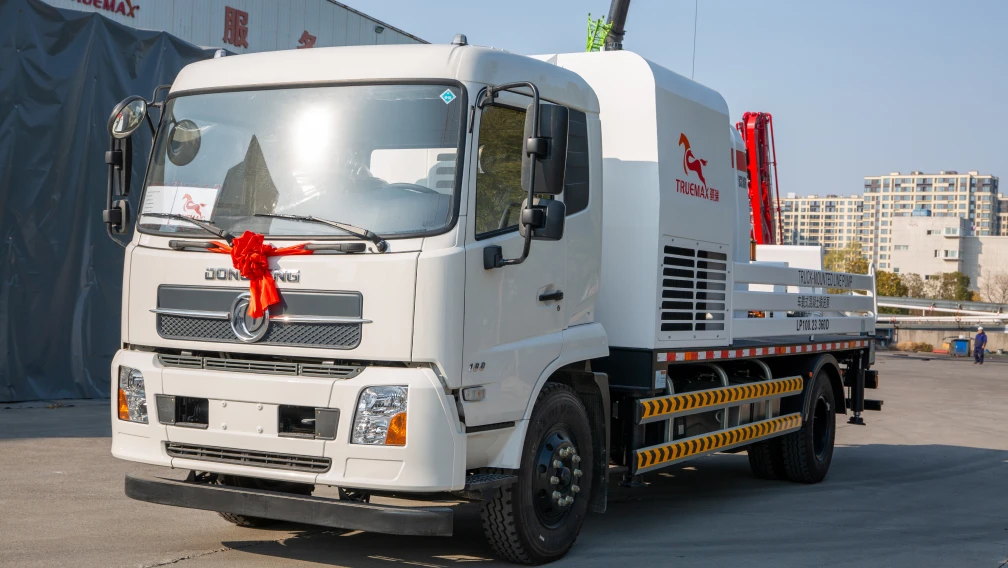
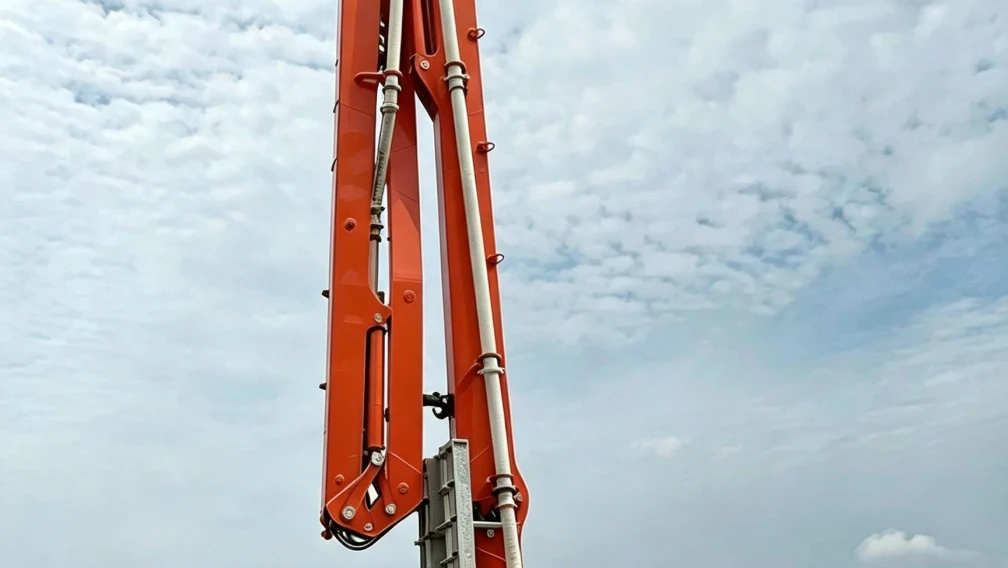
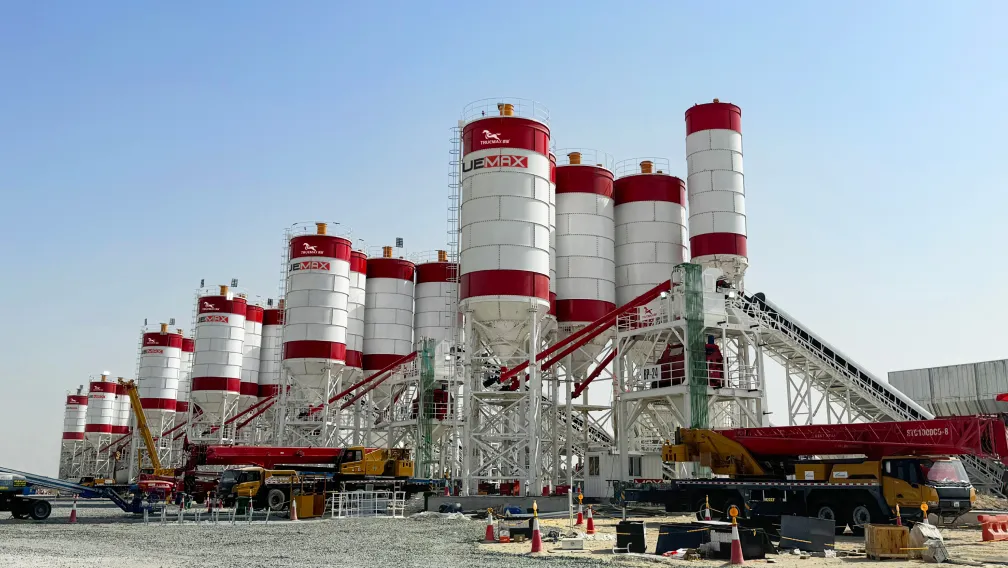
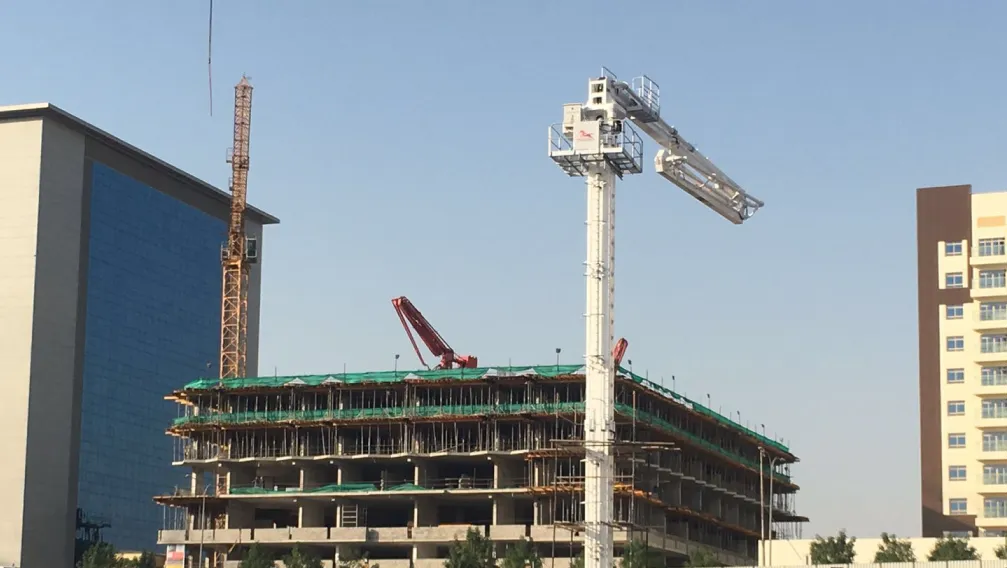
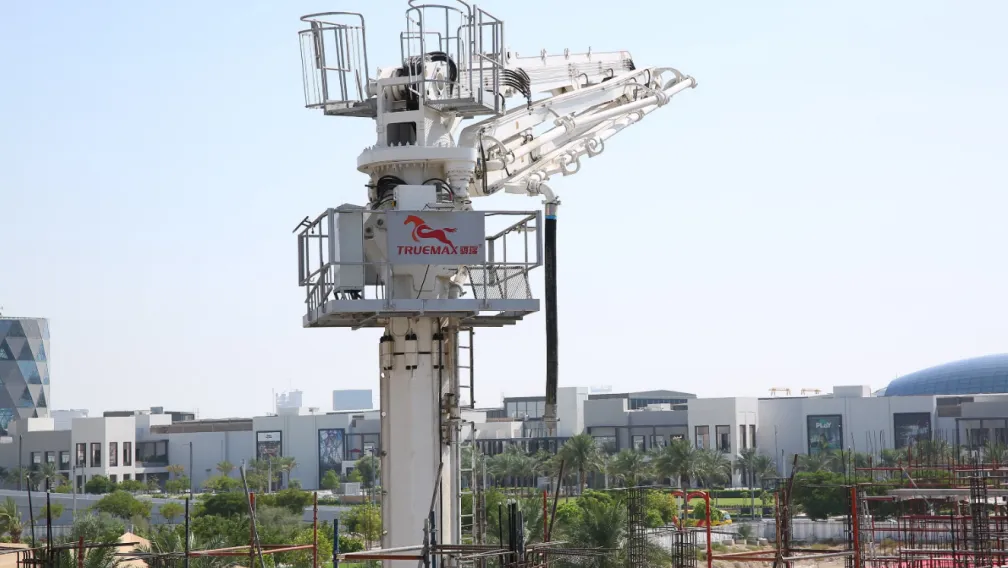
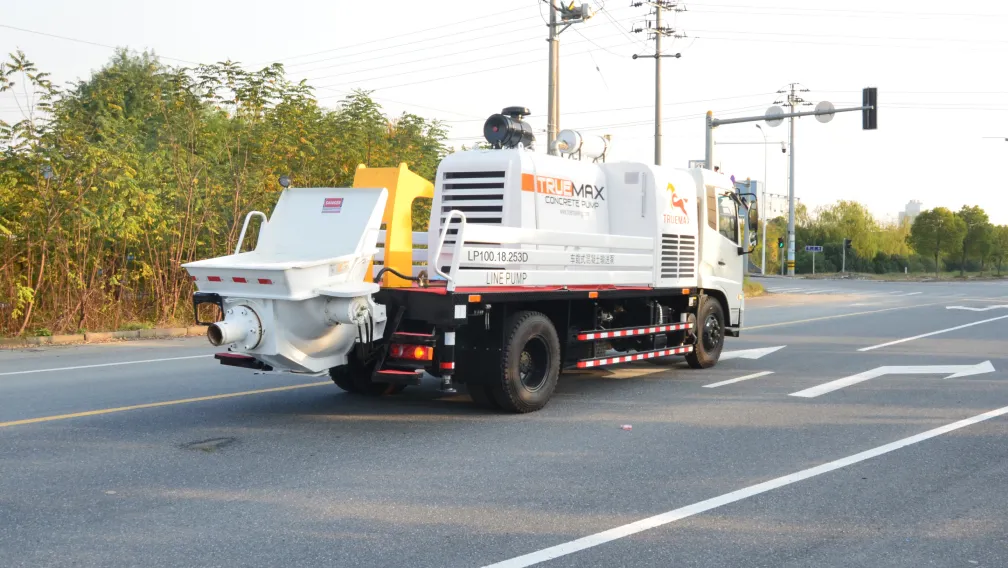
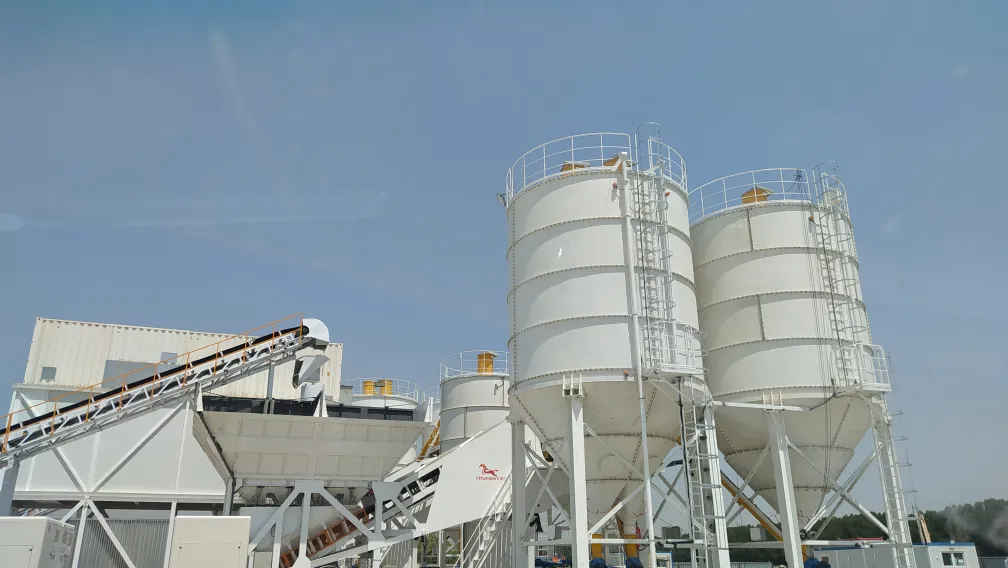
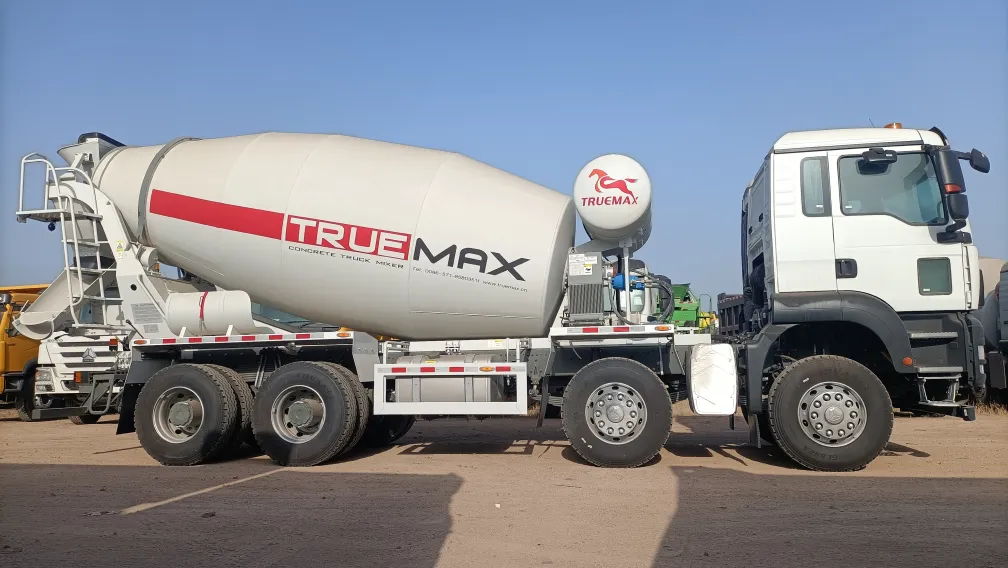
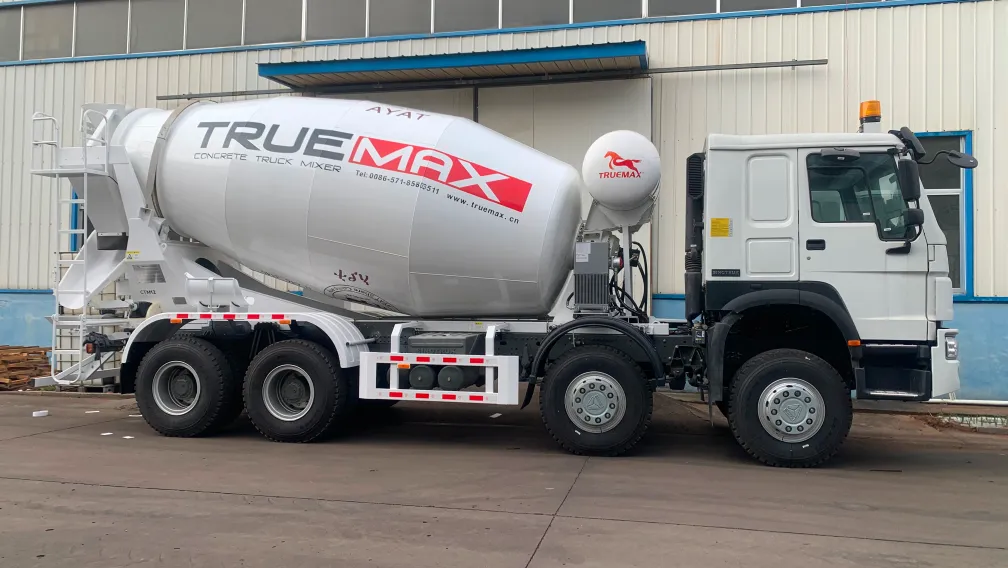
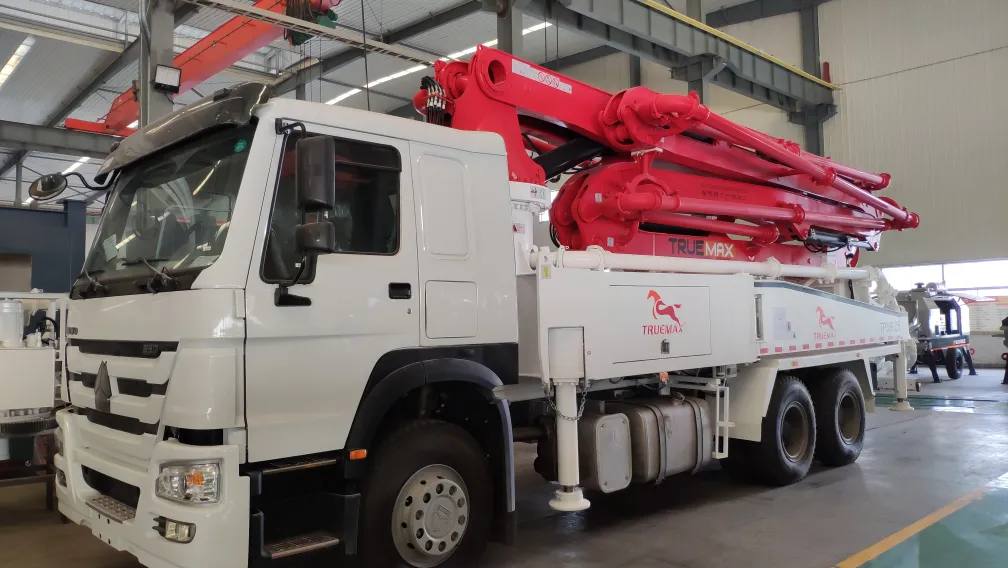
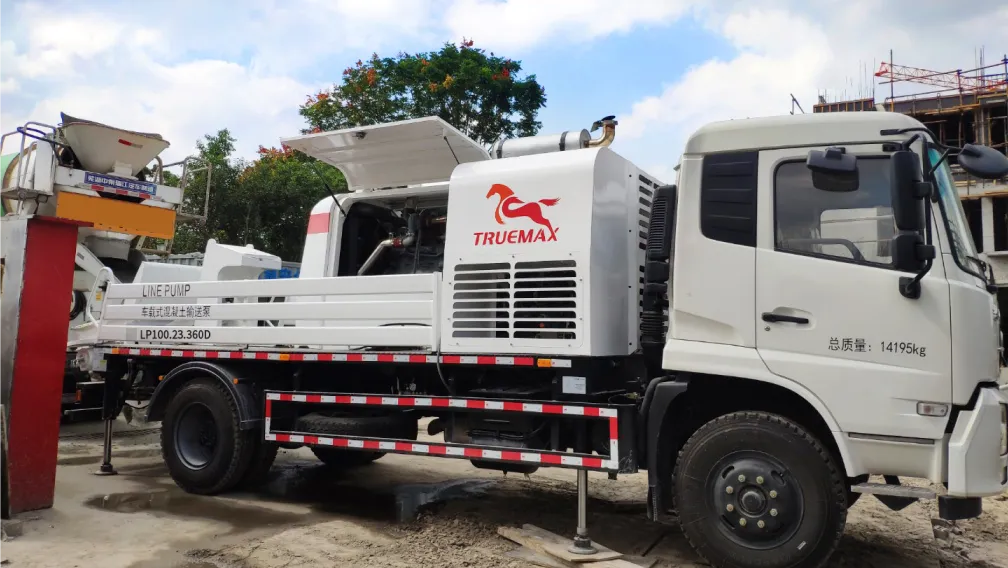
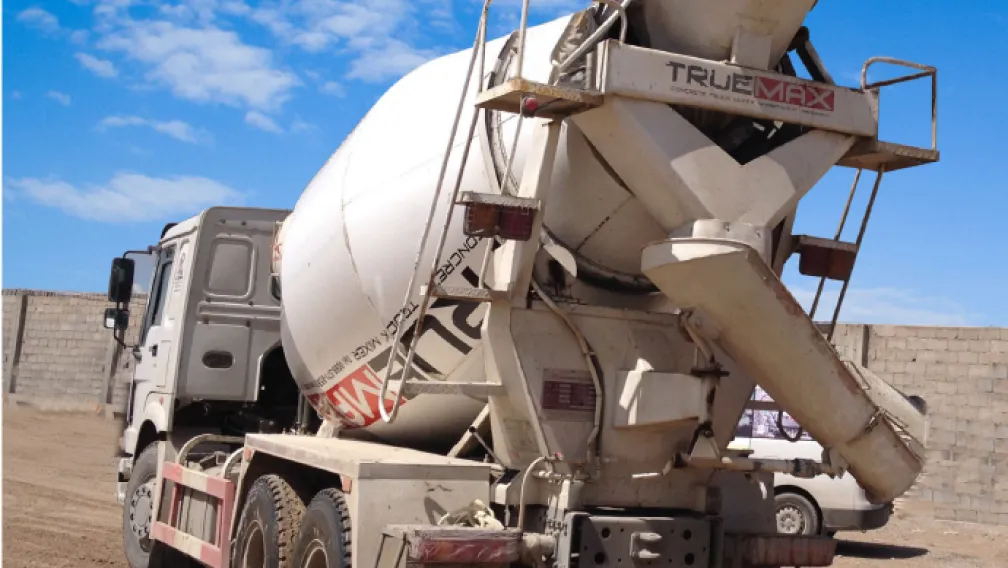
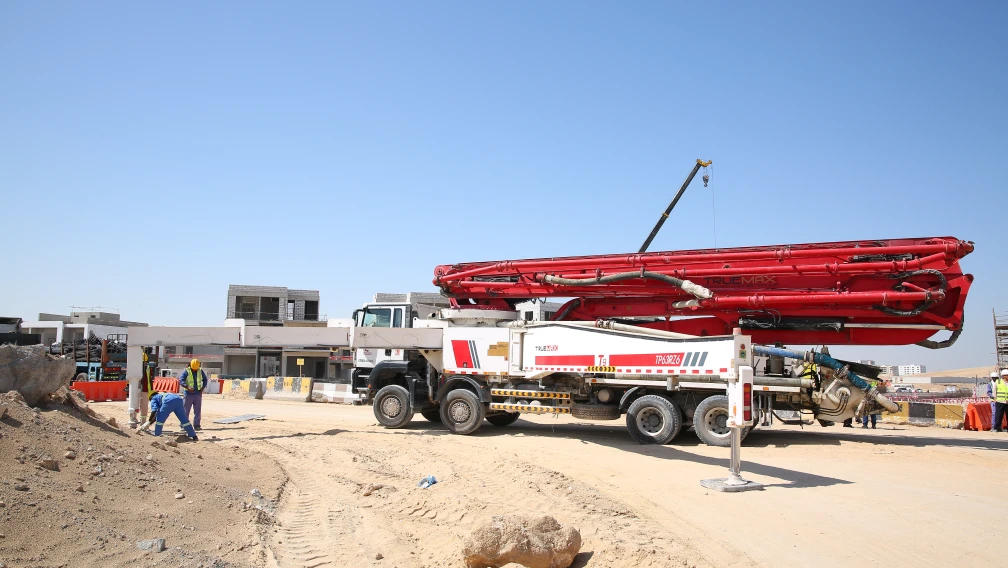
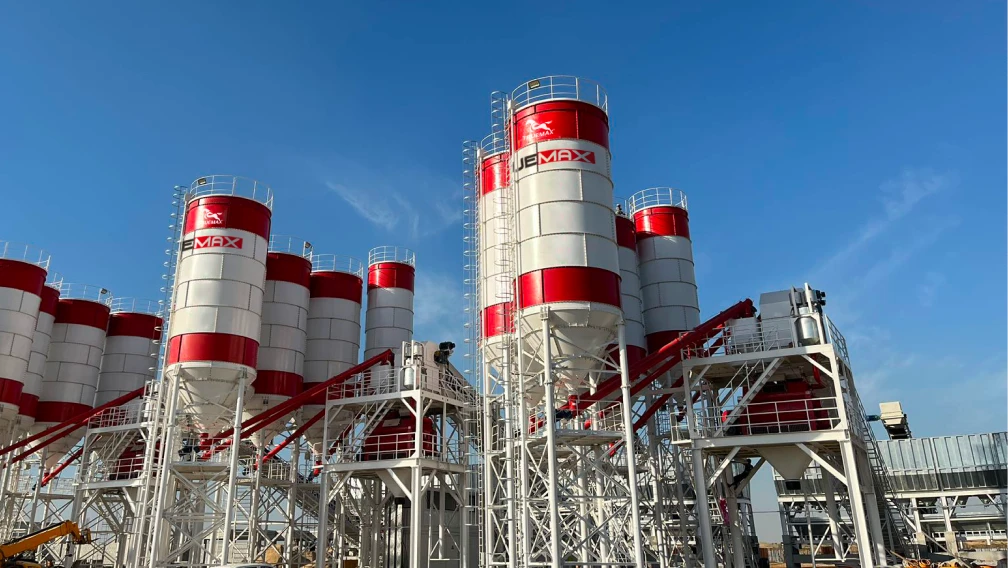
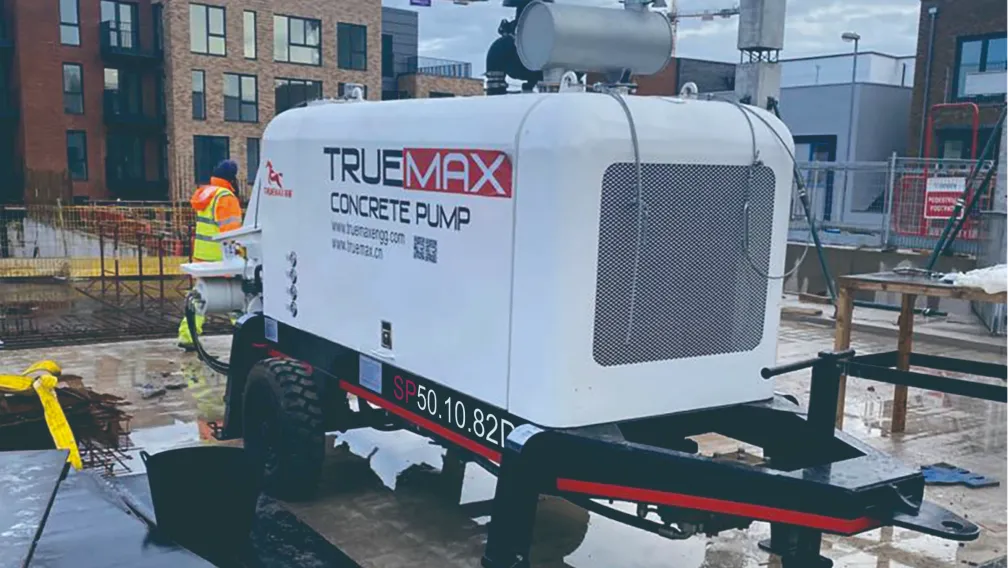
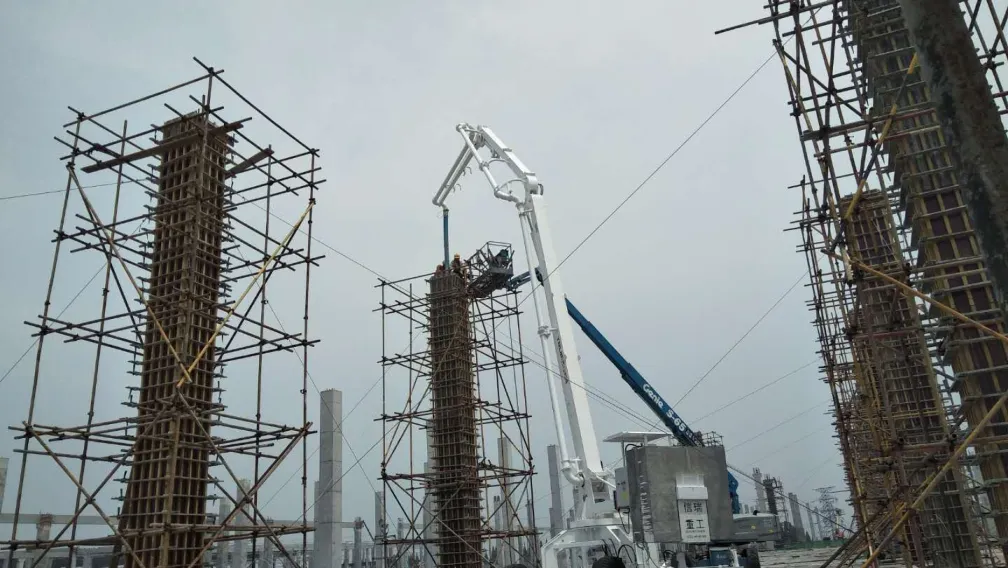
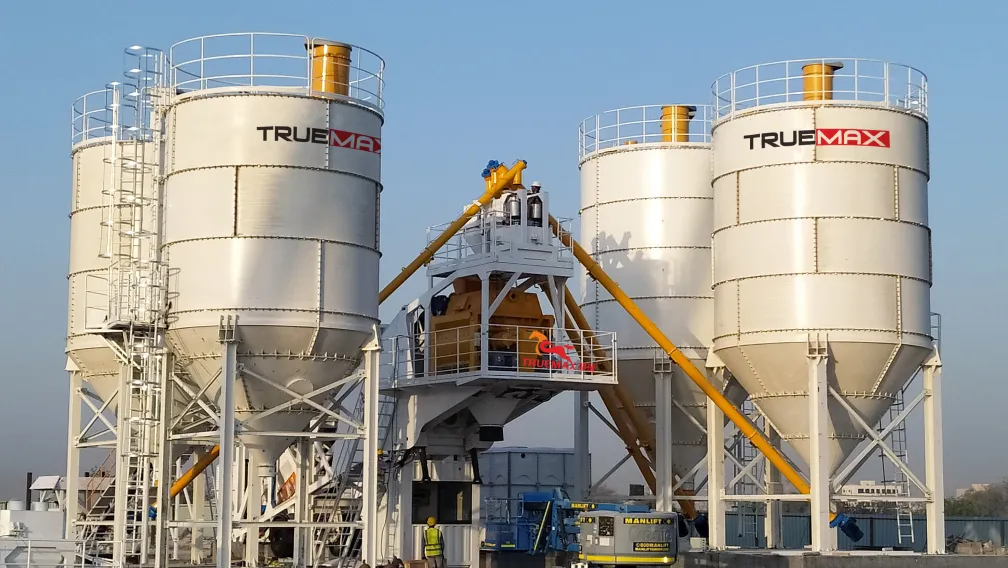
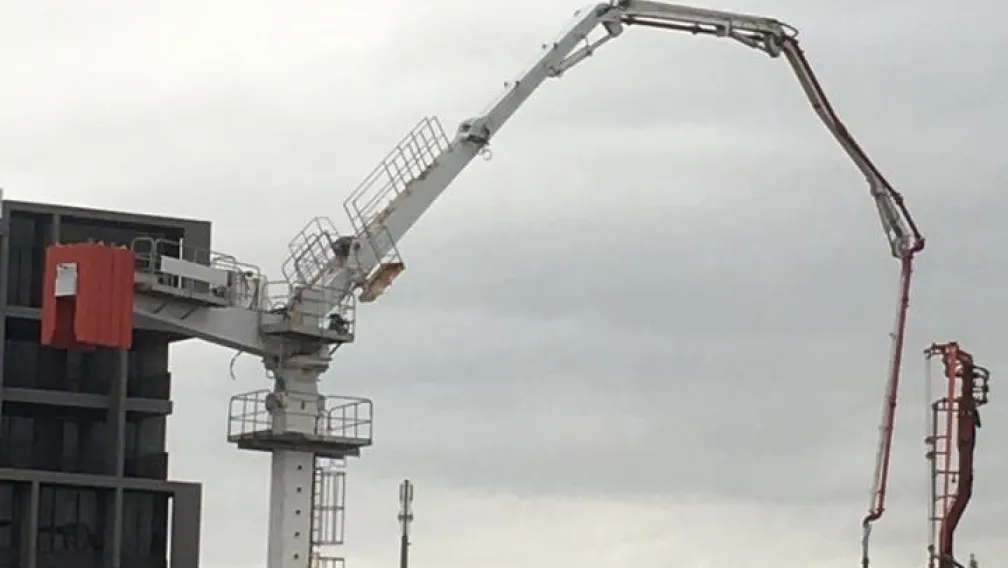
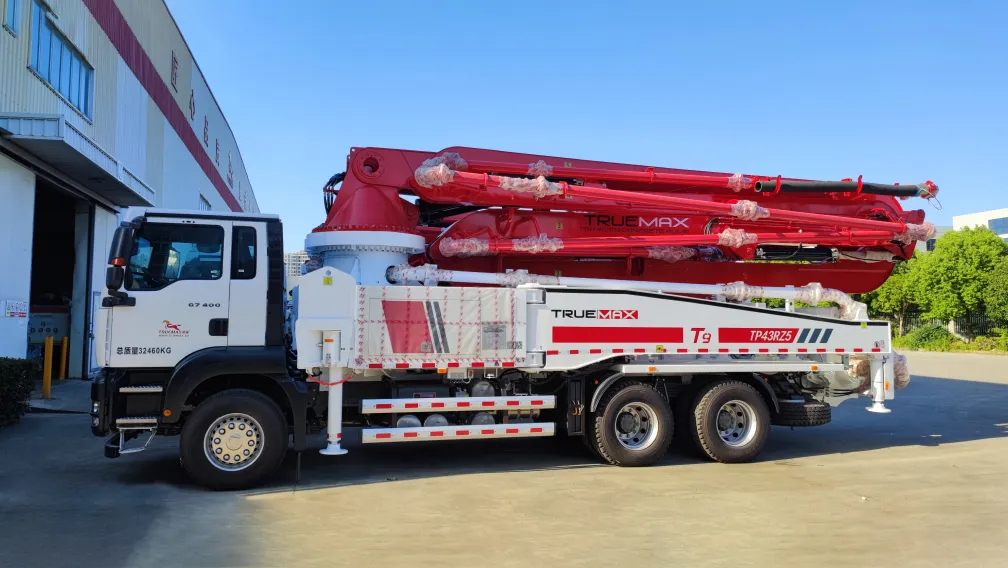
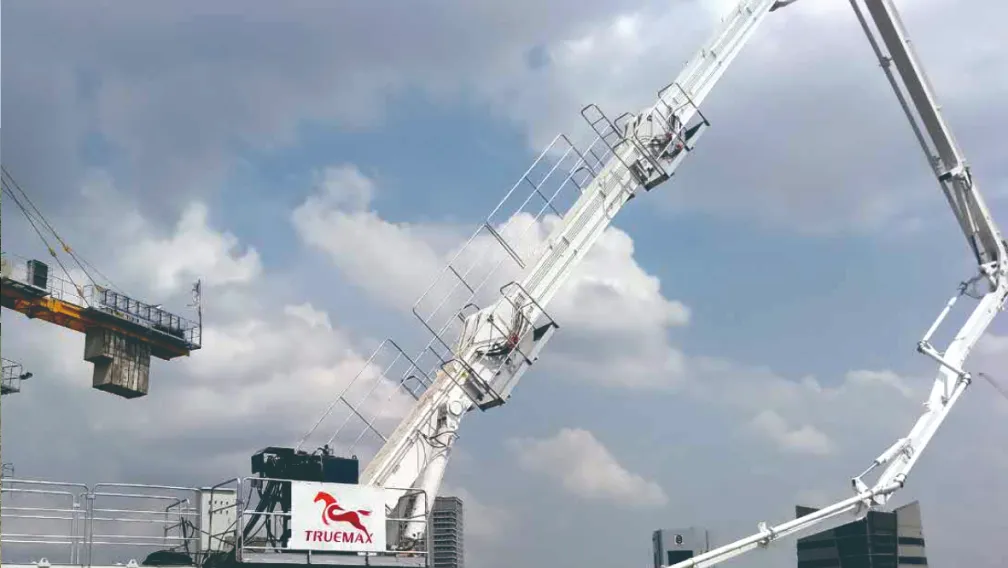
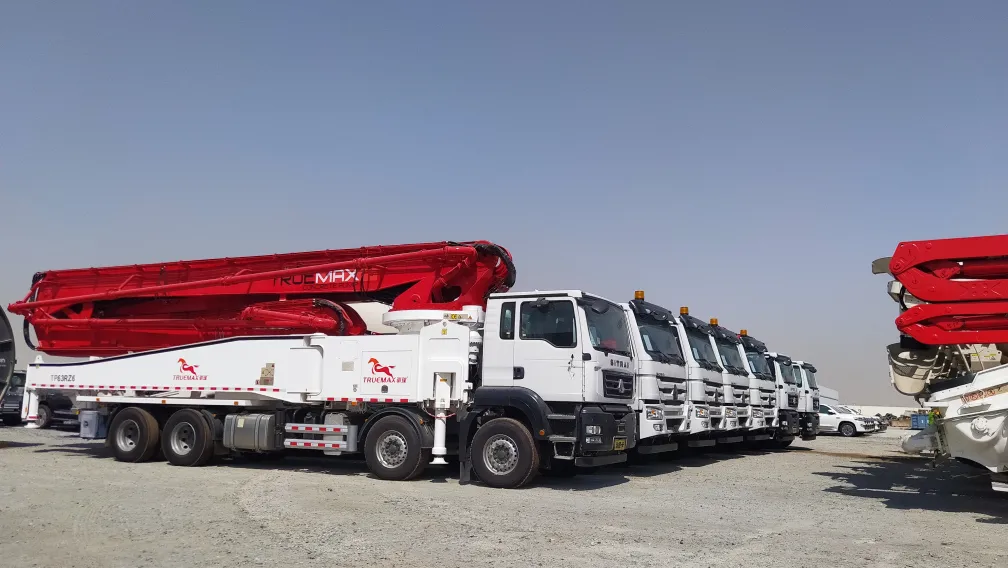
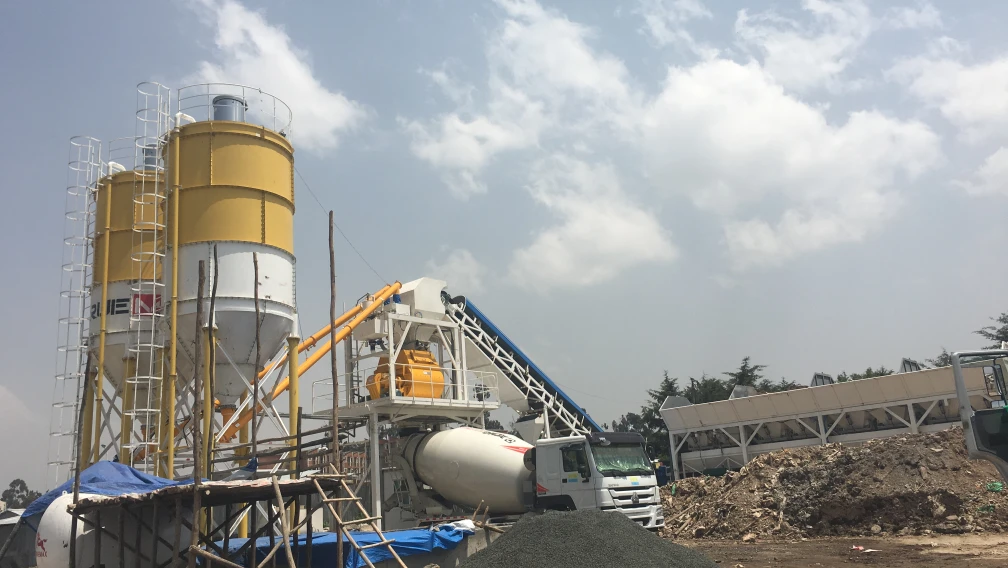
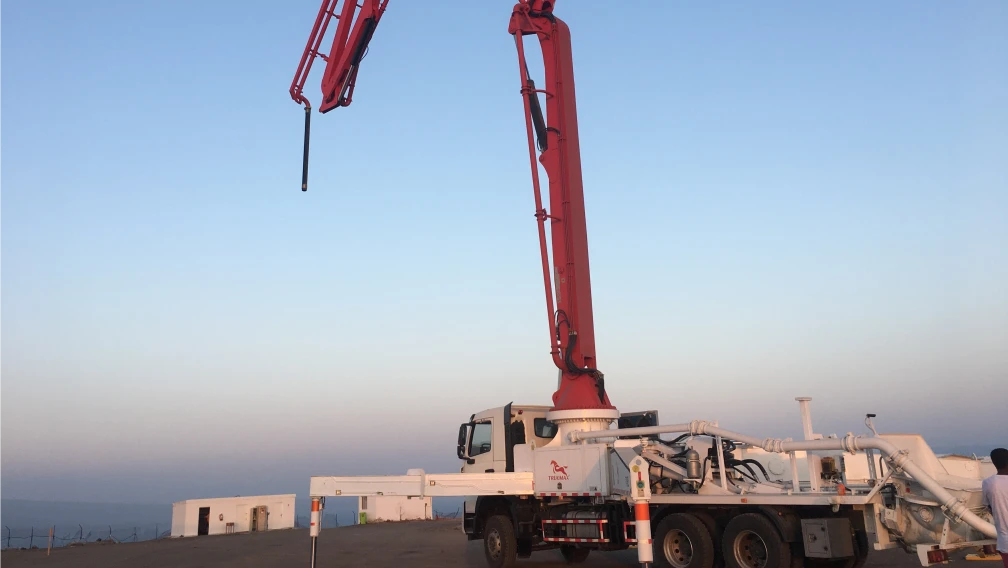
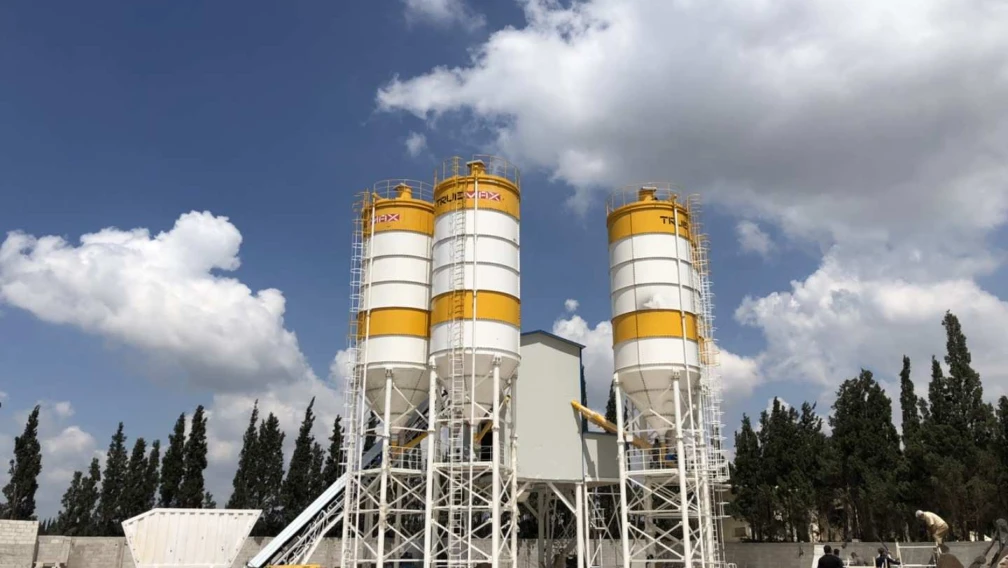
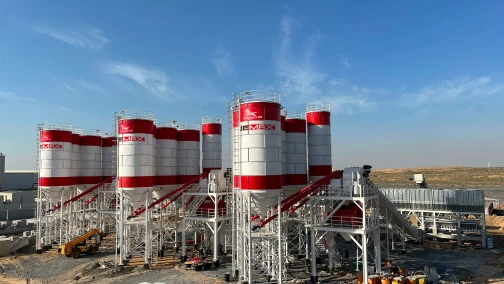
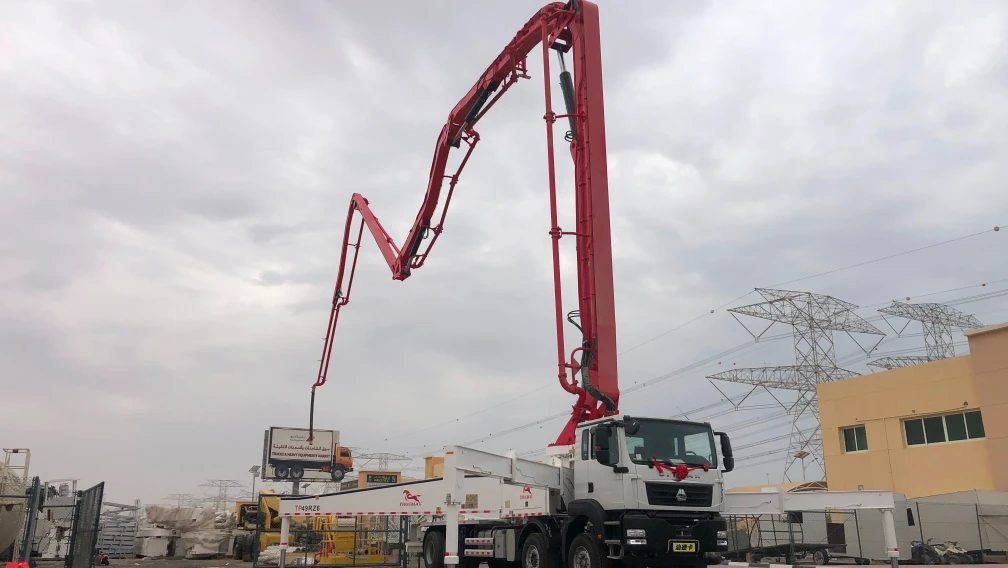
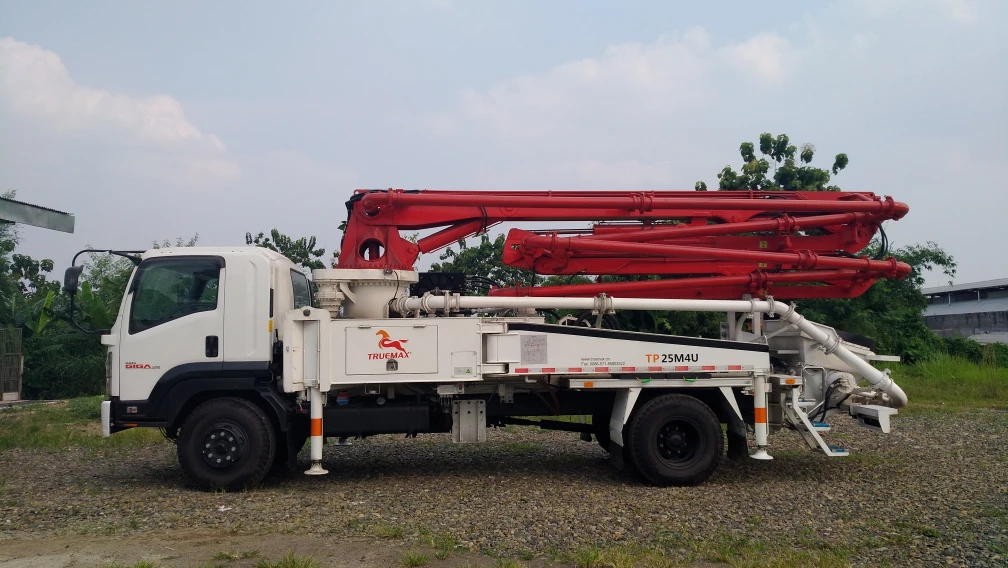
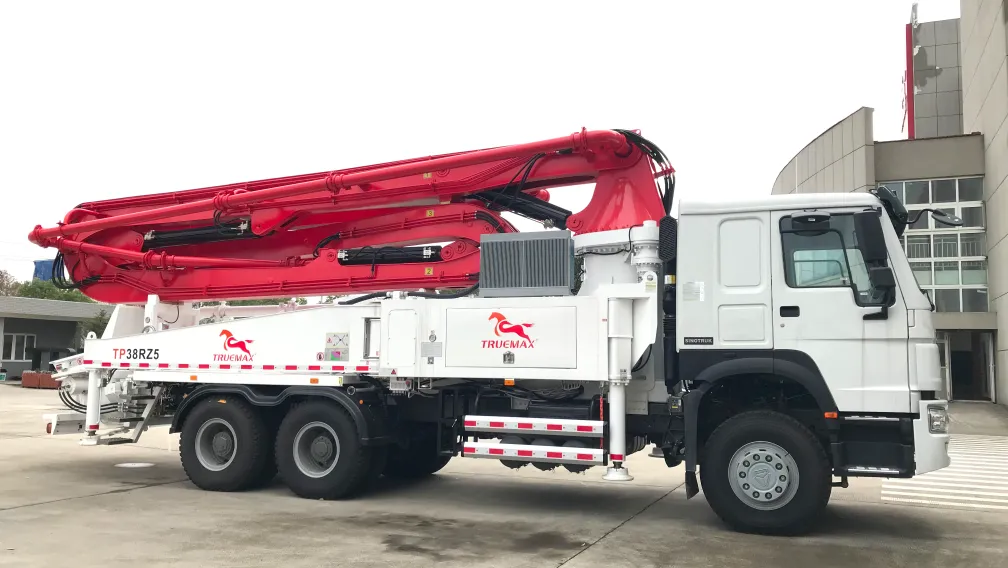
New cement capacity changes equipment calculations in two ways. First, reliable cement supply allows producers to commit to larger, continuous pours, which raises the value of high-utilization concrete batching plants with accurate weighing and moisture correction. Second, urban and infrastructure pours of this scale depend on dependable placement, which keeps demand firm for stationary concrete pumps and boom equipment in the same markets.
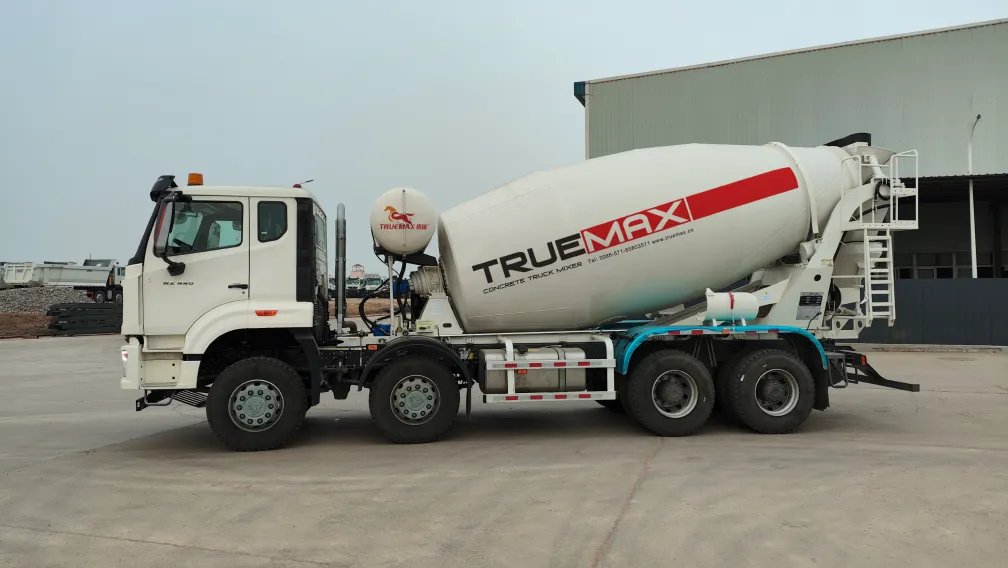
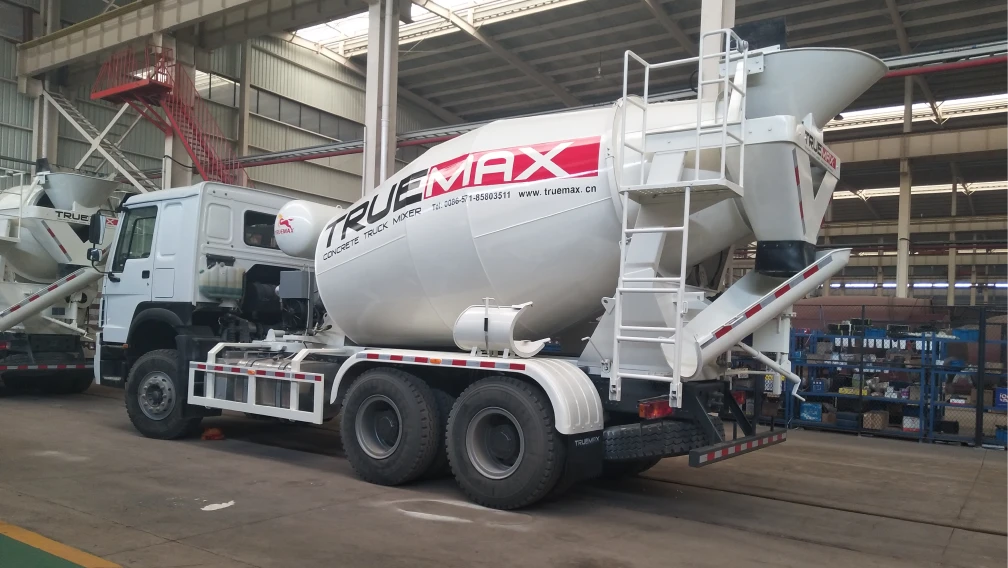
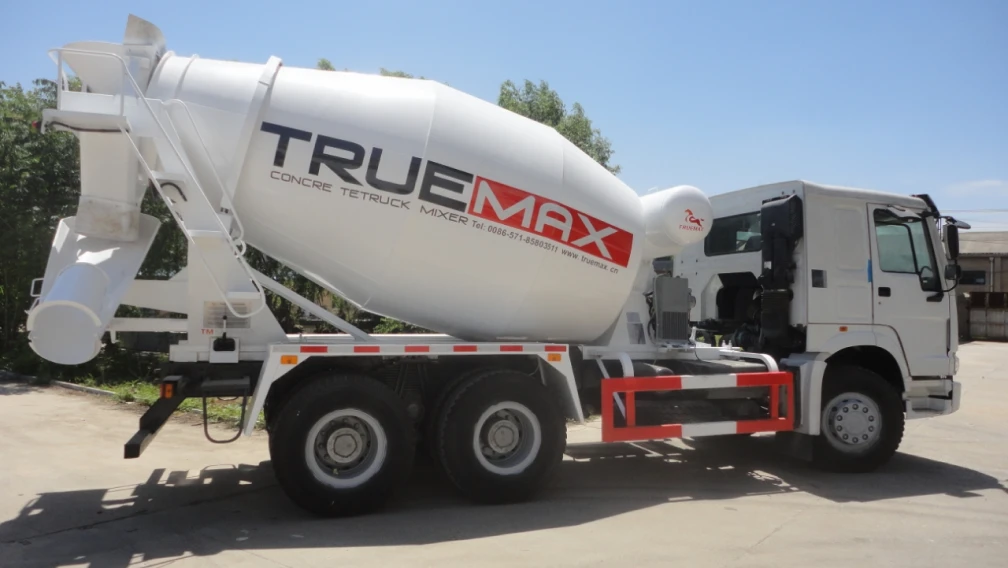
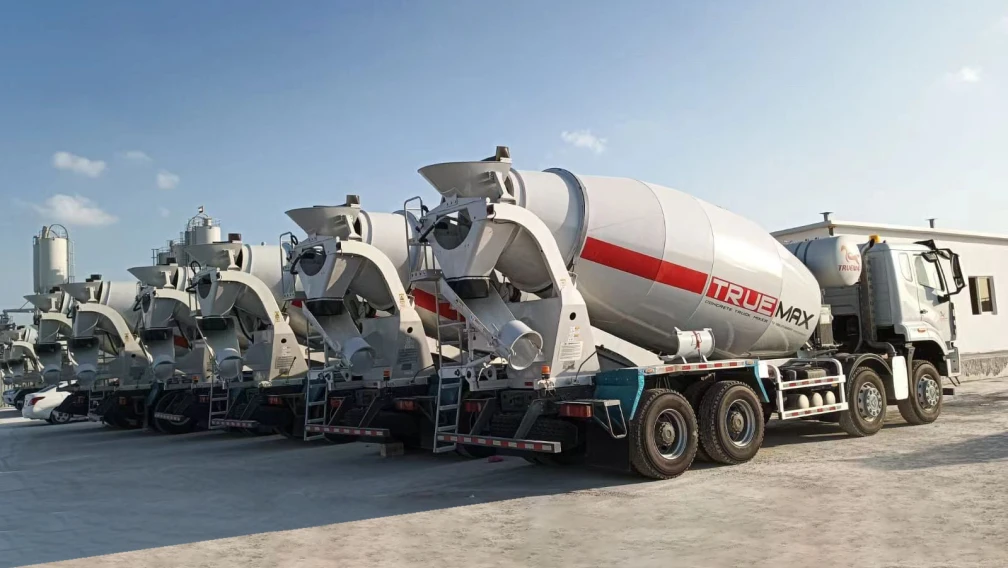
For buyers planning entry or expansion in these markets, the working sequence is unchanged: confirm the cement supply contract first, then size batching output to the pour schedule, then match the delivery fleet to distance and road conditions. TRUEMAX supplies batching, pumping and mixing equipment to more than 120 countries and can review project schedules to propose a matched configuration through the contact page.
-

TrueMax
Concrete & Construction Equipment Manufacturer
Established in 2003, Truemax designs, manufactures, and delivers concrete pumping equipment, crushing machinery, and construction hoisting systems from our own factory in Haining, China to jobsites in over 120 countries.