

 LANGUAGE

1. Where the Plant Sits Decides Its Economics
A concrete batching plant earns money by turning materials into delivered concrete. Its location determines haul distance for cement and aggregates in, and for concrete out, and those two distances recur on every cubic meter the plant ever produces. A site that saves ten minutes per round trip on a 60 m³/h plant running two shifts returns thousands of truck-hours over a multi-year project.
Three constraints frame the choice. First, delivery time: most specifications require concrete to reach the pour within about 90 minutes of batching, so map the plant against the farthest pour point under real road conditions. Second, material supply: aggregate and cement trucks need all-weather access and turning space, and every meter of internal haul road costs money to build and maintain. Third, regulations: dust, noise and wastewater rules fix the minimum distance to neighbors and decide what dust collection and water recycling you must build in from day one.
2. Space and Layout: How Much Land You Actually Need
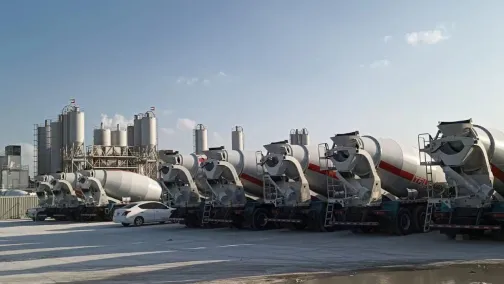
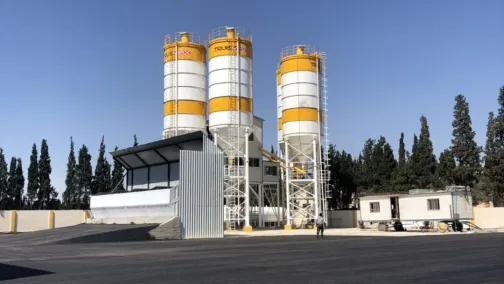
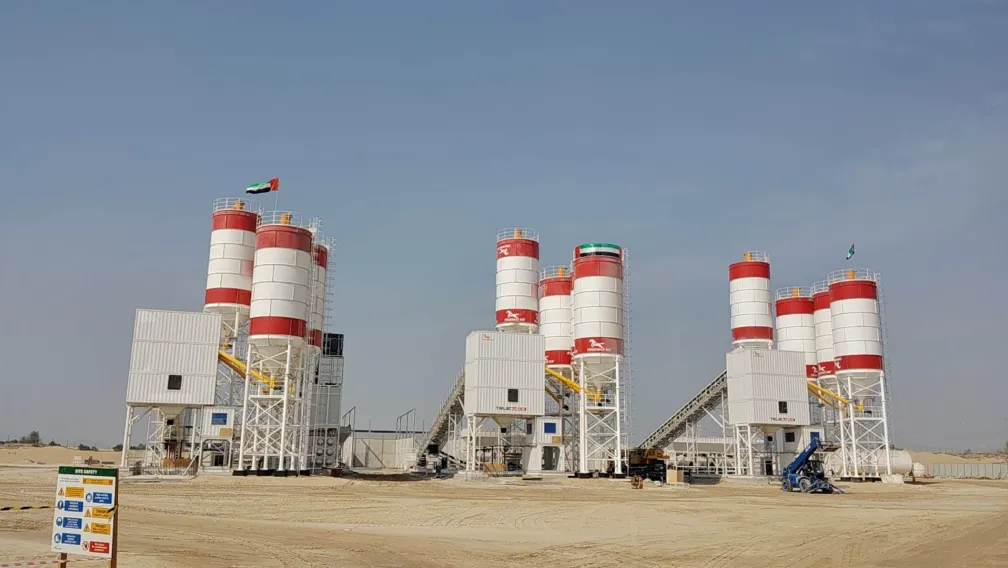
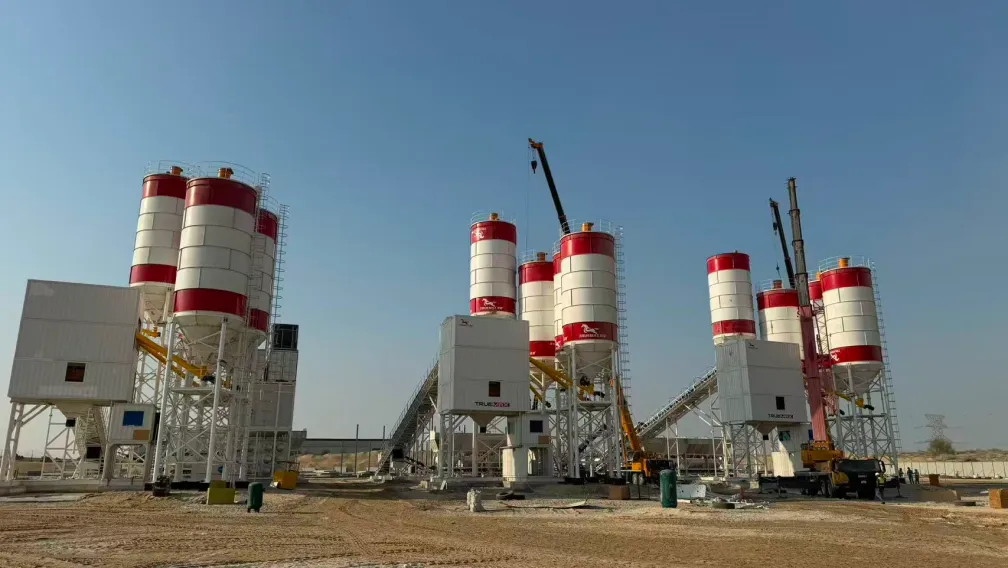
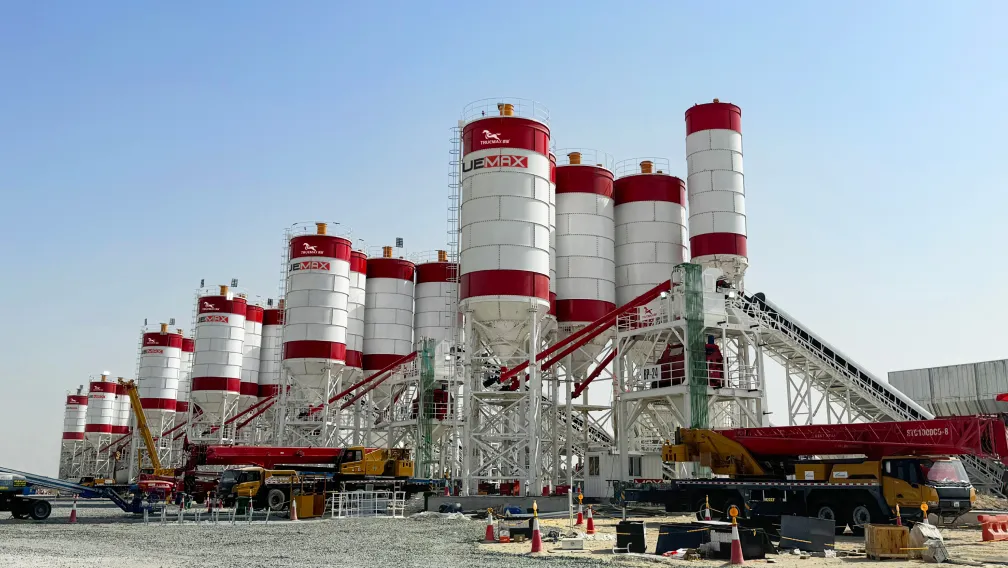
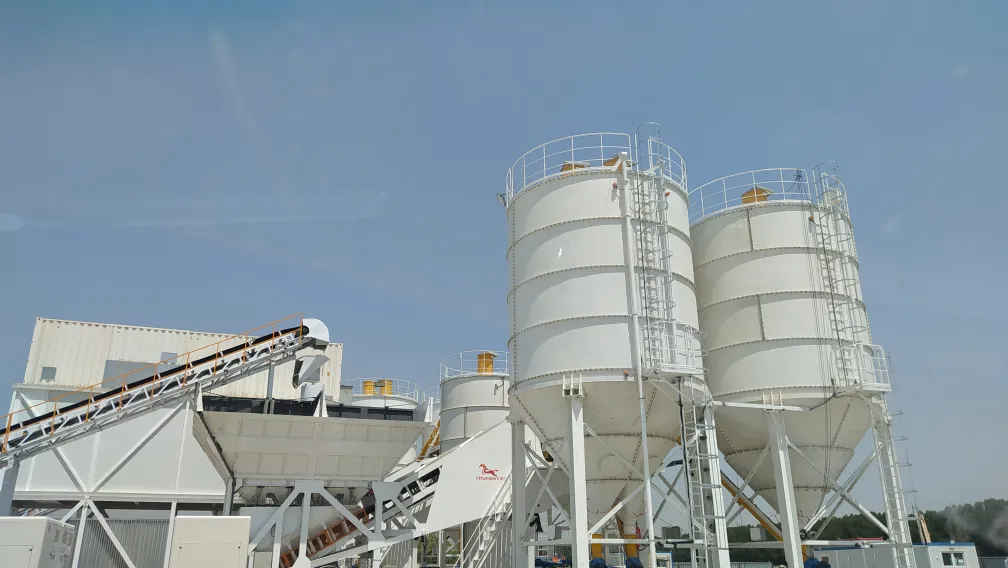
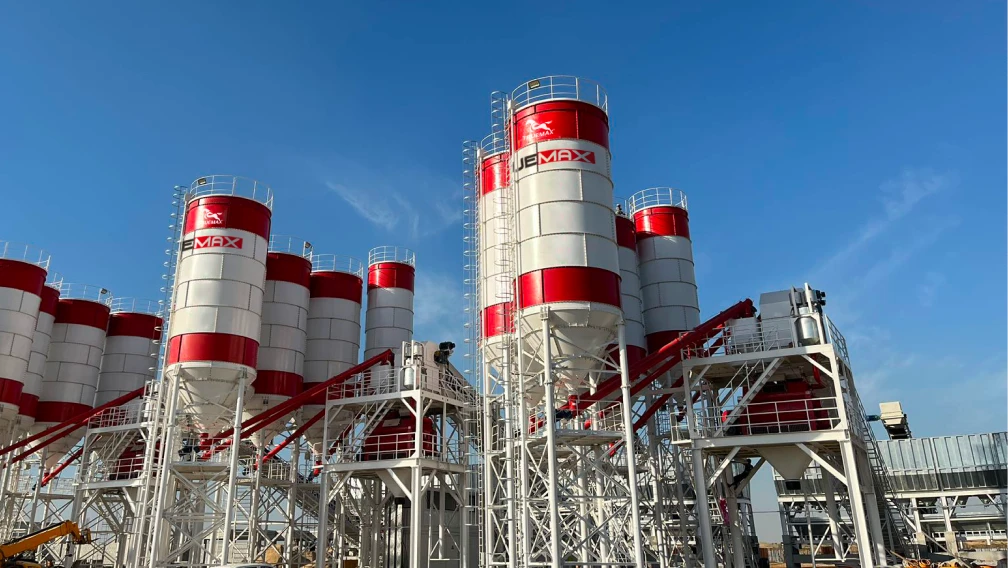
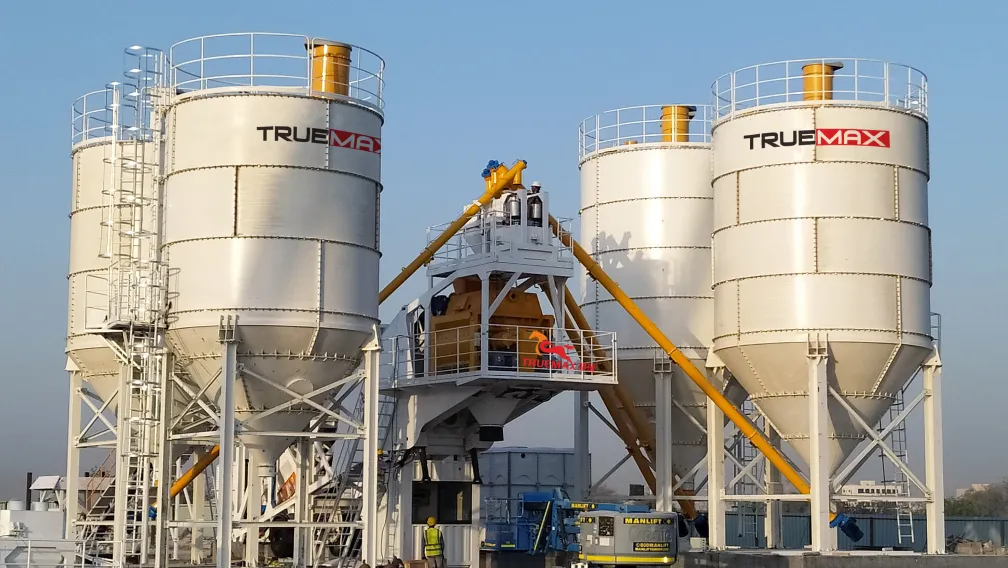
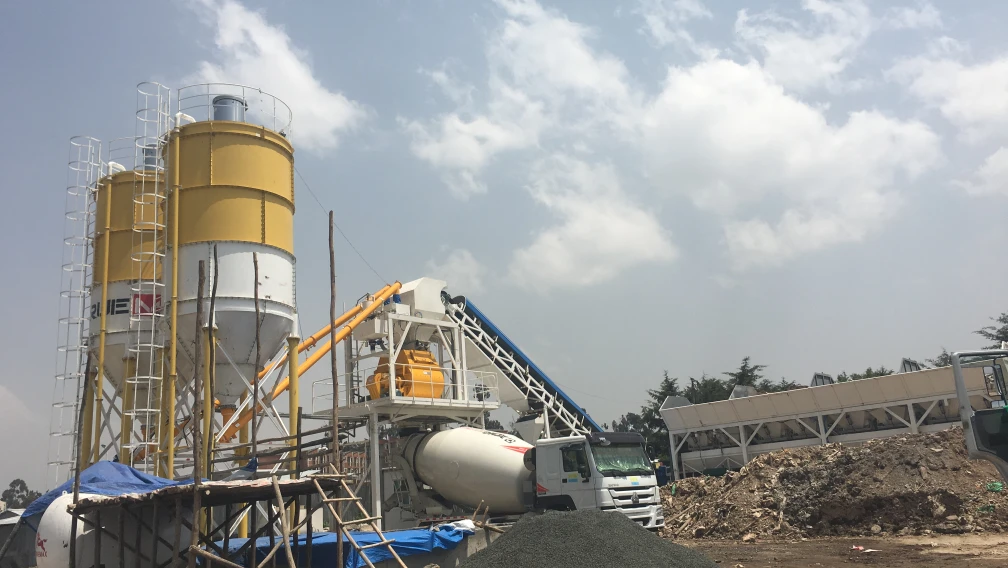
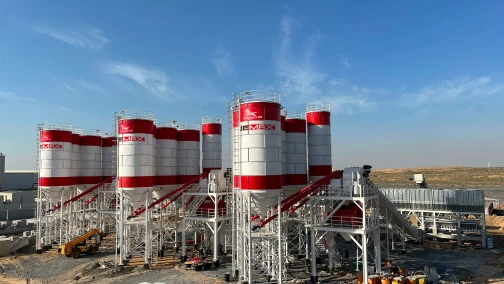
The machine itself is compact; the site around it is not. Land is consumed by aggregate storage, internal roads, truck queuing and washing, the water treatment loop, the laboratory and office, and clearance for cranes during erection and silo replacement. As a working range, a 60 m³/h stationary plant with practical aggregate stockpiles needs roughly 2,000 to 4,000 m²; plants of 90 to 120 m³/h and above scale up with storage rather than machinery footprint. A compact L-shaped equipment layout alone, without stockpiles, may fit in about 43 × 16 m, which shows how much of the total is logistics rather than equipment.
Plan aggregate storage for three to five days of production, divided by fraction, with dividing walls high enough to prevent cross-contamination. Keep the reclaim route short and one-way where possible. Position the mixer discharge so trucks drive through the loading point without reversing, and reserve a washout area whose water drains to the recycling pit, away from storm drainage.
| Plant class | Installed power (typical) | Site area guidance | Notes |
|---|---|---|---|
| 25–35 m³/h | 65–80 kW | 1,000–2,000 m² | Compact, single silo, small projects |
| 60 m³/h | 110–150 kW | 2,000–4,000 m² | Standard commercial or mid-size project plant |
| 90–120 m³/h | 180–220 kW | 4,000–8,000 m² | Multiple silos, larger stockpiles |
| 180 m³/h | around 280 kW | 8,000 m² and up | Infrastructure-scale supply plants |
3. Ground Bearing and Foundations
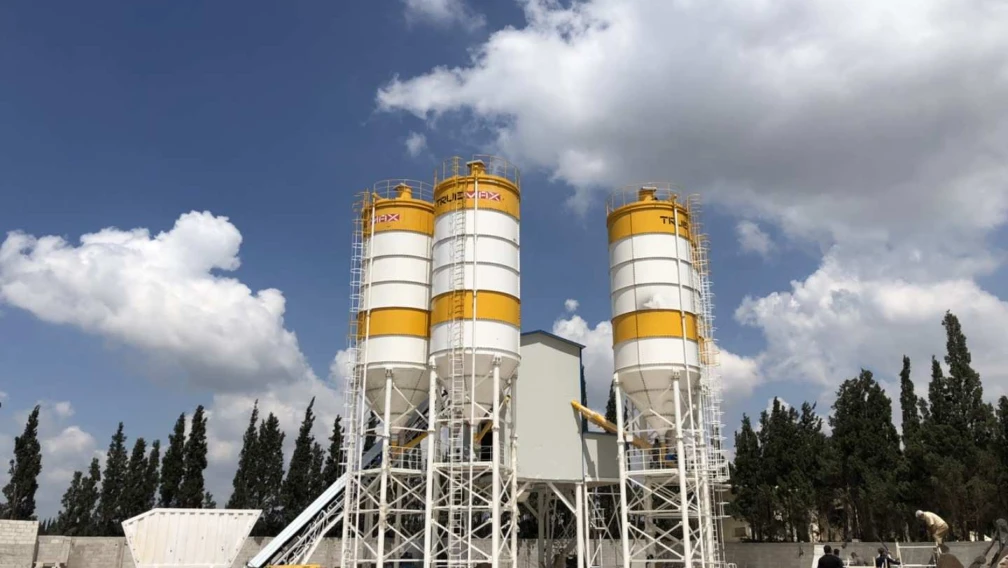
Foundations start with a soil assessment, and this is the step most often skipped at the buyer's cost. Silo foundations carry the highest concentrated loads: a 100-ton cement silo loaded transfers its full weight plus wind moment to a small footprint, and soft or uneven ground shows up later as silo tilt, cracked anchor grout and misaligned screw conveyors. Test the bearing capacity, then build to the manufacturer's foundation drawings, which are issued per model and per silo size.
Two field rules prevent most foundation problems. Cast foundations in structural-grade concrete, commonly C25 or stronger, and cure them fully, at least seven days before loading. And respect anchor tolerances: embedded anchor bolts must match base-plate holes within a couple of millimeters, because a bolt group that is 10 mm off turns a four-hour silo erection into a two-day rework with cutting and rewelding that no warranty covers.
4. Utilities: Power, Water and Compressed Air
Size the electrical supply from the installed-power list, then apply a demand factor and a growth margin. A 120 m³/h class plant typically totals 180 to 220 kW across the mixer motor, main belt, screw conveyors, compressor, dust collector and auxiliaries; a 180 m³/h plant runs near 280 kW. Transformer capacity should clear the calculated maximum load with about 20% reserve, and more if a chiller, aggregate heater or a second mixer is plausible within the plant's life. Voltage drop on long cable runs deserves the same check as on any remote site equipment.
Water planning covers batching water, mixer washout, truck washdown and dust control. Provide storage for at least one full day of peak production plus washing, and decide early whether washout water is recycled into batches, since that choice changes both the tank design and the mix-water accounting in the control system. Compressed air is small but critical: gates, butterfly valves and arch breakers all stop when air pressure drops, so size the compressor and receiver with margin and keep condensate drains maintained.
5. Installation Sequence and Crew Planning
Mechanical installation of a stationary plant typically runs two to six weeks depending on size and crew experience. The proven order is bottom-up and utilities-last:
- Verify foundations against drawings: levels, anchor positions, curing record.
- Erect support legs and the main structure, then the mixer platform and mixer.
- Install the aggregate batcher, weigh systems and the main conveyor or skip hoist.
- Lift silos with a properly sized crane, anchor them, then connect screw conveyors.
- Install dust collectors, water and admixture piping, and the air system.
- Complete electrical wiring, load-cell and sensor connections, and grounding before energizing.
The crane decision drives the schedule. Silo lifts and mixer lifts need a crane with verified capacity at the actual working radius, booked with weather contingency. Assign one person as lifting supervisor, and keep the erection crew, the electrician and the control engineer on overlapping schedules rather than sequential ones; idle days between trades are where installation budgets slip.
6. Commissioning: From No-Load Tests to Trial Batches
Commissioning converts an assembled plant into a verified production unit, and it follows a strict order. Energize utilities first, then jog every motor to confirm rotation direction. A reversed screw conveyor pushing cement away from the scale is a classic first-day discovery, and it is cheap to find at this stage. Run the full sequence empty, test every emergency stop and interlock one at a time, and only then introduce materials.
Weighing calibration is the non-negotiable core. Zero every scale, apply certified test weights across the range, and record applied load, indicated value, return to zero and repeatability for aggregates, cement, water and admixtures. Then run trial batches against an approved mix design, recording target versus actual weights, mixing time and fresh-concrete results. Keep the commissioning records: they are the plant's birth certificate and the reference for every later dispute about accuracy. Typical commissioning takes one to two weeks after mechanical completion, longer if materials or approvals arrive late.
7. Frequently Asked Questions
Q1: How much land does a concrete batching plant need?
A: The equipment footprint is small compared with the site it needs. A 60 m³/h stationary plant typically requires 2,000 to 4,000 m² once aggregate stockpiles, internal roads, truck washing and water recycling are included. Larger plants scale mainly through storage area rather than machine size.
Q2: What foundation does a batching plant require?
A: Reinforced concrete foundations built to the manufacturer's drawings, commonly C25 grade or stronger, fully cured before loading. Anchor bolts must match base holes within a few millimeters. Silo foundations carry the heaviest loads and deserve the most attention, including a soil bearing test before design is finalized.
Q3: How long do installation and commissioning take?
A: Budget two to six weeks for mechanical and electrical installation of a stationary plant, plus one to two weeks for commissioning, calibration and trial batches. Compact plants can be faster. The schedule depends more on foundation readiness, crane availability and crew experience than on the plant itself.
Q4: What electrical supply does a batching plant need?
A: Size the transformer from the installed-power list: roughly 110 to 150 kW for a 60 m³/h plant and about 280 kW for a 180 m³/h plant, with at least 20% reserve. Plan extra capacity from the start if a chiller, aggregate heater or future expansion is likely, because upgrading supply later costs far more.
Q5: Can a batching plant be installed on soft ground?
A: Only after ground improvement or foundation redesign. Silos and the mixer tower impose concentrated loads that soft soil cannot carry evenly; differential settlement misaligns conveyors and stresses structures. Have the soil tested and let the supplier's engineers adapt the foundation drawings to the results.
Q6: What are the most common first-production problems?
A: Reversed motor rotation on conveyors and screws, uncalibrated scales that read plausibly but weigh wrong, air leaks that slow gate response, and moisture settings entered from guesswork. A disciplined commissioning sequence catches all four before the first paying load leaves the gate.
8. From Site Drawing to First Batch With One Supplier
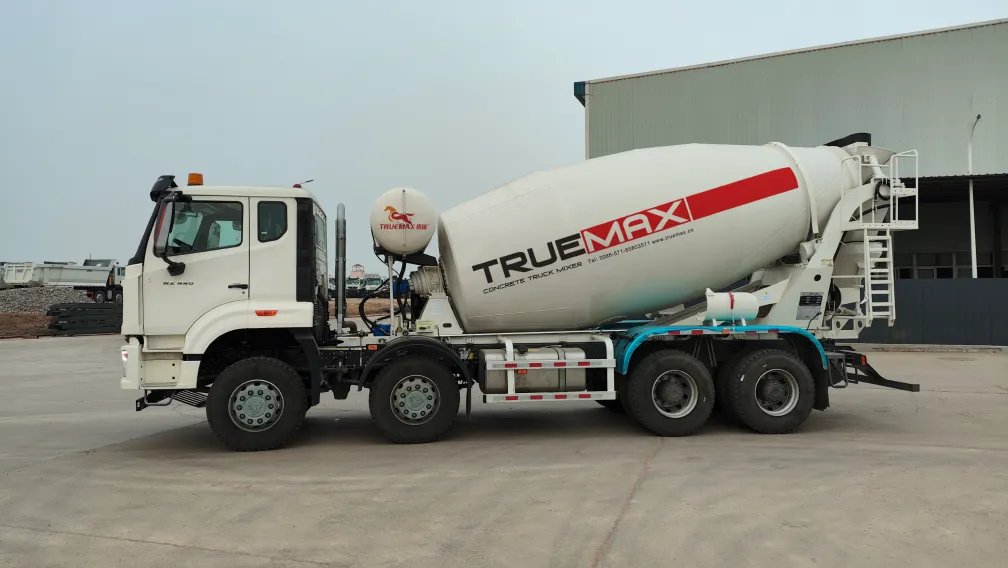
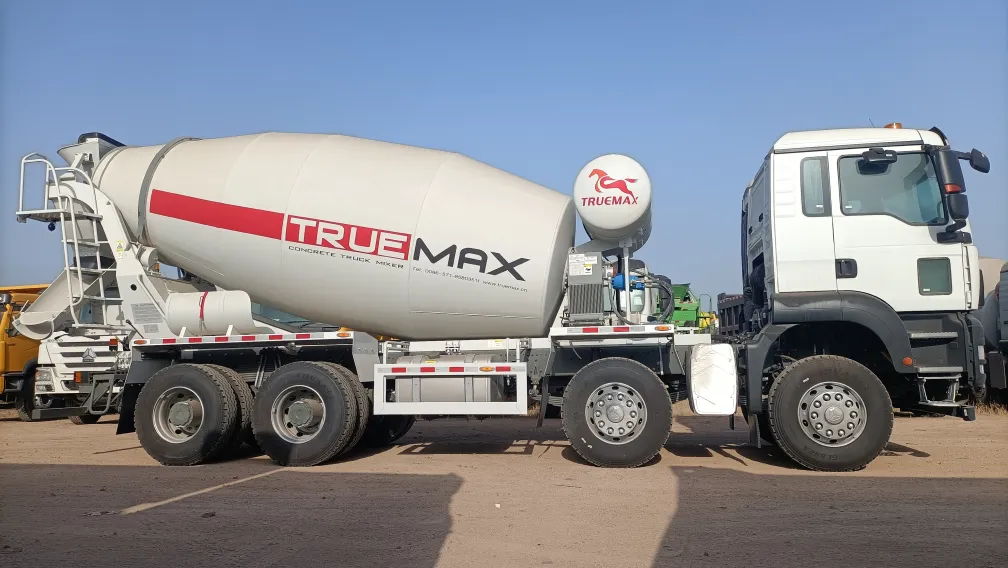
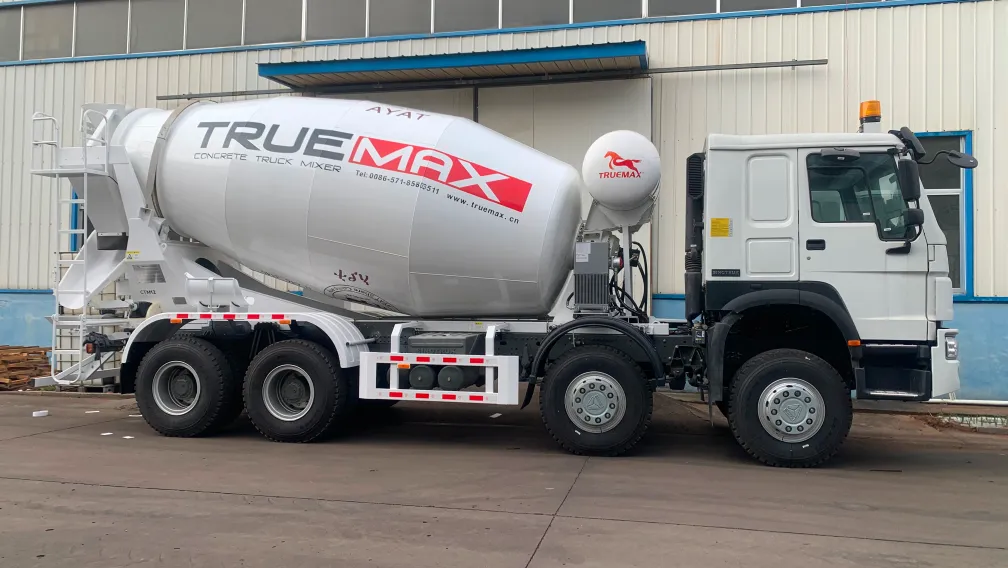
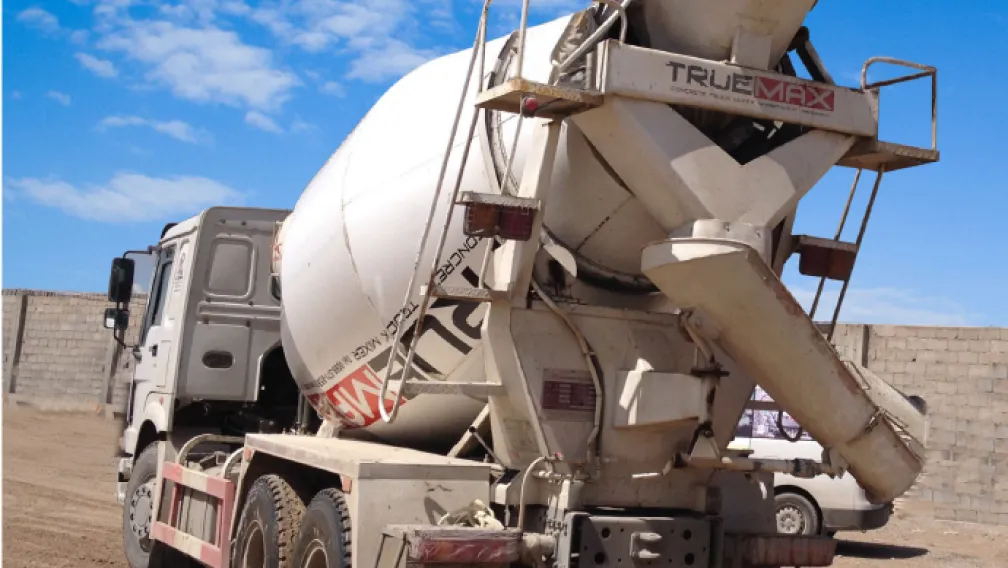
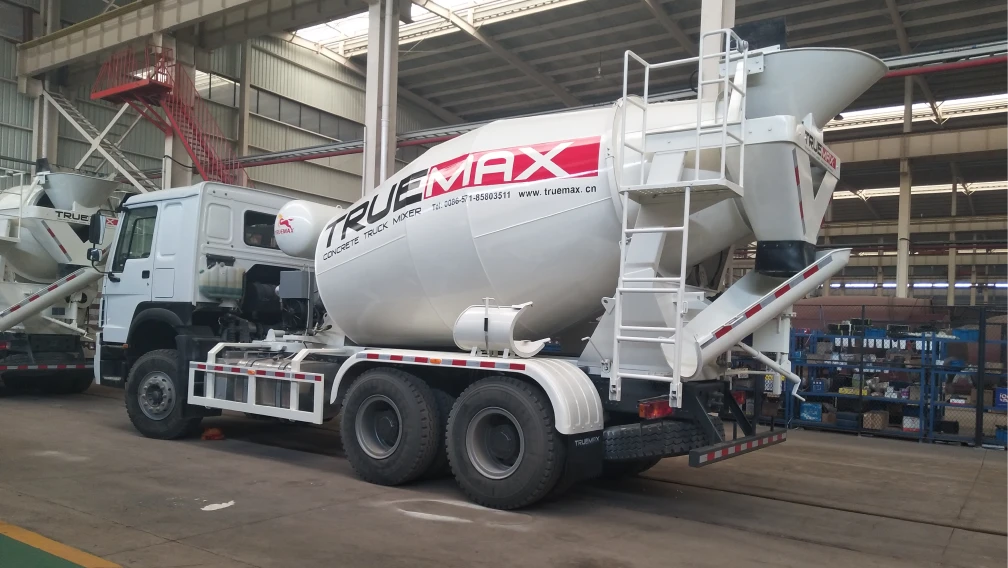
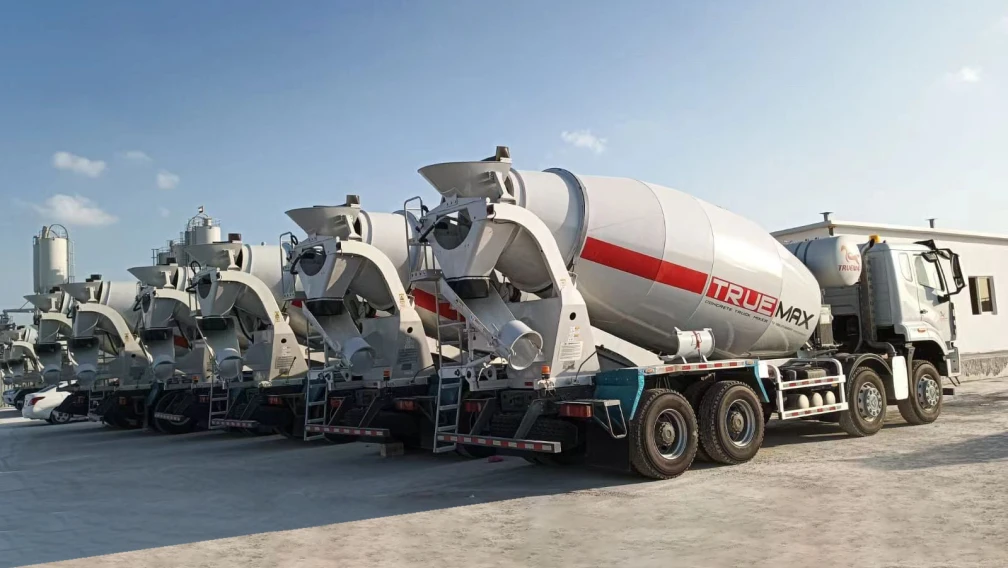
TRUEMAX supports concrete batching plant projects from the site-planning stage: foundation drawings issued with the contract, layout review against your plot, installation supervision by experienced engineers, and commissioning through calibration and trial batches. The same project team coordinates the truck mixer fleet sizing so the plant's output and the delivery fleet arrive in balance.
Send your target capacity, site dimensions, soil information and power availability through the contact page to receive a layout proposal and foundation schedule, or review completed installations on the project solutions page.
-

TrueMax
Concrete & Construction Equipment Manufacturer
Established in 2003, Truemax designs, manufactures, and delivers concrete pumping equipment, crushing machinery, and construction hoisting systems from our own factory in Haining, China to jobsites in over 120 countries.