

 LANGUAGE

1. The Choice Starts With Site Power, Not Preference
The diesel-versus-electric question on a concrete pump is decided by one input before any other: does the site have stable three-phase power? If it does, an electric stationary concrete pump usually wins on energy cost, noise and maintenance. If it does not, diesel remains the default, and the realistic comparison shifts to diesel pump versus electric pump plus generator. Everything else in this article follows from that starting point.
Both powertrains drive the same hydraulic system and deliver the same pumping performance. The differences sit in energy cost per cubic meter, what the site must provide, how the machine is maintained, and which regulations apply. This article works through each factor with field figures so you can run the comparison for your own projects.
2. How the Two Powertrains Differ in Operation
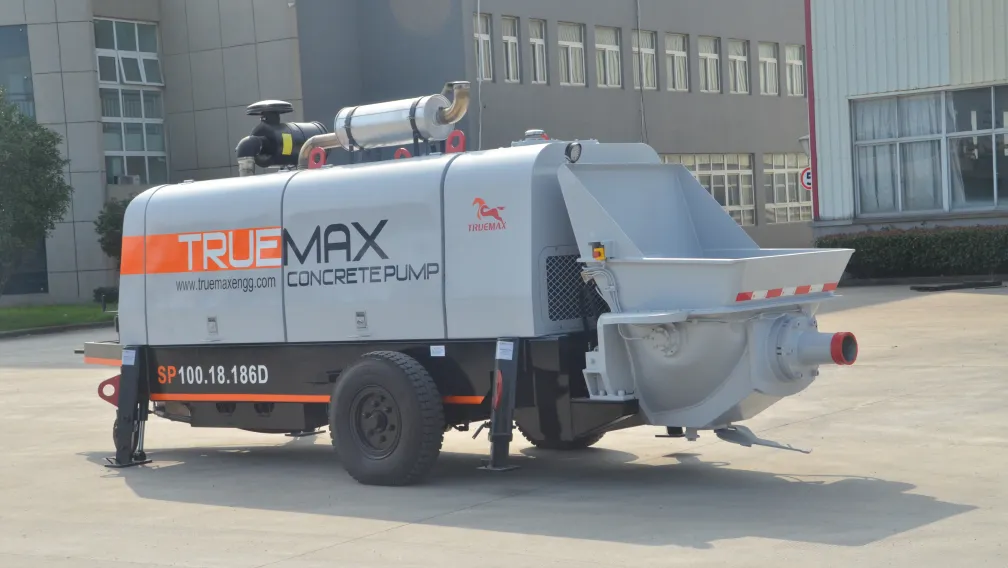
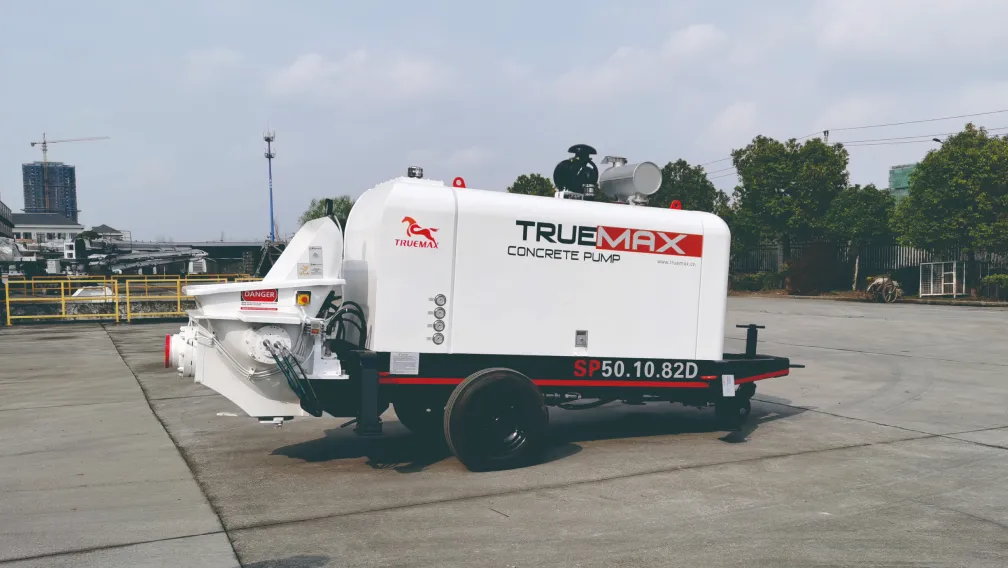
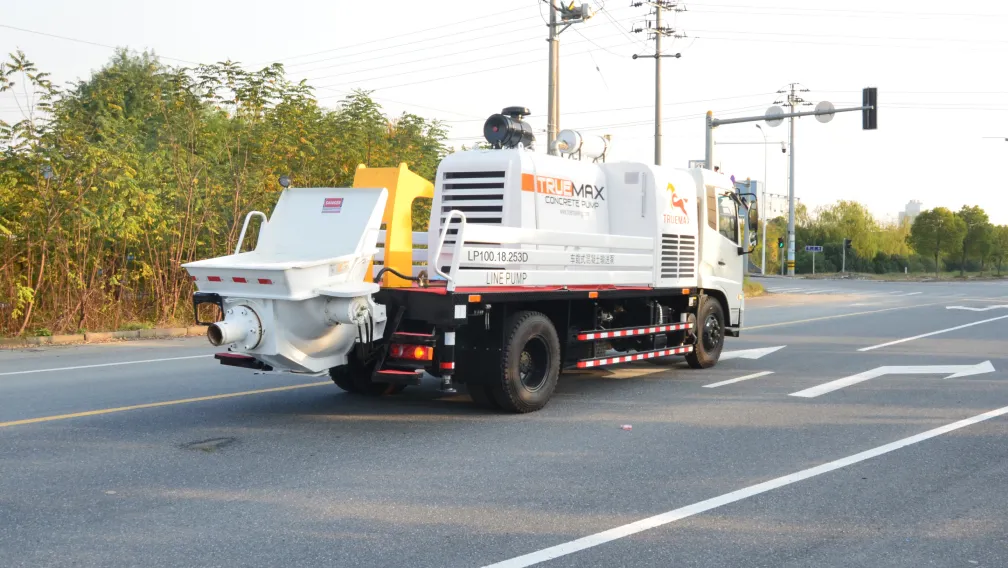
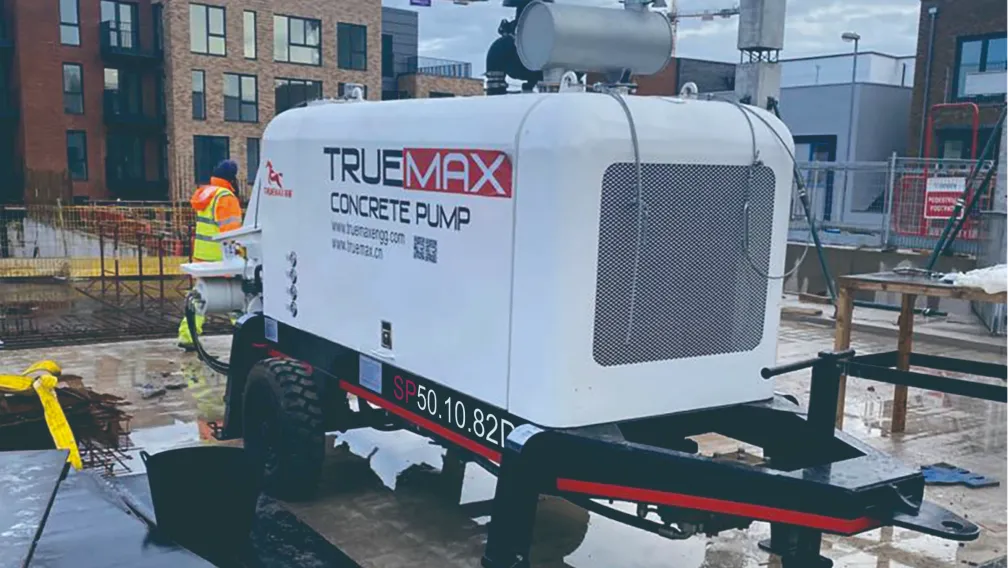
A diesel pump carries its own prime mover, typically a 52 to 199 kW engine on trailer and stationary pumps in the 30 to 180 m³/h class. It starts anywhere, works at any remote site, and adds fuel logistics and engine service to the owner's workload. An electric pump replaces the engine with a three-phase motor of similar rated power. The motor runs at near-constant speed, drives the same hydraulic pumps, and stops instantly between pours instead of idling.
That last point matters more than most buyers expect. Diesel pumps idle between truck changes and during pour interruptions, burning fuel at zero output. An electric motor draws almost nothing at standby. Over a shift with frequent stops, the idle difference alone accounts for a meaningful share of the fuel gap.
3. Energy Cost per Cubic Meter
Diesel trailer and stationary pumps consume roughly 0.4 to 0.55 liters per cubic meter under rated conditions, rising with stiff mixes, long lines and high lifts. Boom pumps run higher, around 0.5 to 0.9 L/m³, because the boom hydraulics and truck systems share the engine. Electric pumps performing the same work typically draw 0.5 to 0.9 kWh per cubic meter, depending on pressure and duty cycle.
The widest documented comparison comes from Lendlease's One Sydney Harbour project, where an electric pump was metered against an equivalent diesel pump on a neighboring site: the electric unit used 67.3% less energy and cost 59.1% less to run per unit of work. Your own numbers will differ with local prices, but the direction is stable because electric motors convert about 90% of input energy to shaft power while small diesel engines average 30 to 40%.
| Item | Diesel pump | Electric pump |
|---|---|---|
| Energy per m³ | 0.4–0.55 L diesel (line pump) | 0.5–0.9 kWh |
| Energy cost per m³ (example rates) | US$0.40–0.55 at US$1.00/L | US$0.05–0.14 at US$0.10–0.15/kWh |
| Idle consumption | Continuous fuel burn between loads | Near zero at standby |
| Site input required | Diesel supply and storage | Three-phase supply or generator |
| Direct CO₂ at machine | Yes, roughly 2.6 kg per liter burned | None at the point of work |
4. Site Power: Supply, Cables and Generator Sizing
Electric pumps in the 40 to 90 m³/h class typically carry motors of 45 to 132 kW and need a 380 to 415 V, 50 Hz three-phase supply (or 440 to 480 V at 60 Hz). The pump's starting method decides how much capacity the site must provide. A soft starter or variable frequency drive limits starting current to roughly two to three times rated current; direct-on-line starting pulls six to eight times rated current and is the usual cause of nuisance trips on weak supplies.
Where grid power is unavailable, a generator can run an electric pump, but size it correctly. Industry guidance converges on three rules: keep total running load at 70 to 80% of the generator's rated output, keep the largest motor's starting kVA below about 65% of the generator's rated kVA, and add 15 to 25% margin for load growth. A 110 kW pump motor with a soft starter generally sits comfortably on a 250 to 315 kVA prime-rated set; the same motor started direct-on-line may force a step up. Long cable runs add a second check: verify voltage drop at the pump under load, because undersized cable shows up as motor heating and tripped protection.
5. Emissions, Noise and Where Regulations Push the Choice
Diesel engines in new pumps sold into regulated markets must meet EU Stage V, US Tier 4 Final or China NRMM Stage IV, which adds aftertreatment hardware, AdBlue on larger engines and the associated service discipline. Electric pumps face no engine-side compliance at all, which is why they dominate three working environments:
- Tunnels and enclosed spaces, where diesel exhaust forces heavy ventilation and may be restricted outright
- Urban night work, where noise limits decide what can run; removing the diesel engine removes the dominant noise source
- Low-emission zones and green-procurement tenders, where zero on-site exhaust is a scoring criterion rather than a preference
Hybrid truck-mounted units show where the market is heading: Putzmeister's iONTRON boom pump pumps in diesel mode at 10.2 liters per hour and 115 dB(A), or switches to grid power at 125 A with zero fuel and 107 dB(A), changeable during operation. Fleets working city centers increasingly specify this capability on new machines.
6. Maintenance and Reliability Differences
Removing the diesel engine removes its entire service schedule: engine oil and filters every 250 to 500 hours, fuel filters, air filters, coolant, valve adjustments and, on Stage V machines, DPF regeneration and AdBlue dosing. The electric motor's routine service reduces to bearing greasing and keeping the cooling path clean. The hydraulic system, wear parts and water box are identical between versions, so those costs do not change.
Reliability risk shifts rather than disappears. Diesel pumps are vulnerable to fuel quality and engine wear; electric pumps are vulnerable to supply quality. Voltage sags, phase loss and poorly sized generators damage motors and drives. Specify phase-failure and under-voltage protection, and treat the supply cable as part of the machine: inspect it, protect it from site traffic, and keep connections dry.
7. Running the TCO Comparison for Your Fleet
Build the comparison on annual volume, not nameplate figures. The worked example below uses a 60 m³/h class pump pumping 18,000 m³ per year.
| Annual cost item | Diesel | Electric (grid) |
|---|---|---|
| Energy: 18,000 m³ | 8,100 L at 0.45 L/m³ = US$8,100 | 12,600 kWh at 0.7 kWh/m³ = US$1,575 |
| Engine/motor service | Oil, filters, fuel system: US$1,800–2,500 | Bearings, inspections: US$300–500 |
| Aftertreatment consumables | AdBlue where applicable: US$300–600 | None |
| Supply infrastructure | Fuel storage compliance | Cable, breaker, possible connection fee |
| Indicative annual gap | Roughly US$7,000–9,000 in favor of electric at these rates | |
Three inputs flip the result. Diesel at half the example price narrows the gap; electricity above US$0.30/kWh narrows it from the other side; and a site with no grid that must buy and fuel a generator solely for the pump often finds diesel simpler overall, because a generator running a motor just relocates the engine. Run both directions of the calculation with your local prices before deciding.
8. Frequently Asked Questions
Q1: Is an electric concrete pump powerful enough for high-rise work?
A: Yes. Electric stationary pumps are built in the same pressure classes as diesel units, and the motor rating matches the hydraulic demand. High-rise performance depends on piston-side pressure, valve design and pipeline, which are identical between powertrains. What the site must provide is sufficient electrical capacity.
Q2: What size generator do I need for an electric concrete pump?
A: Convert the motor load to kVA, keep running load at 70 to 80% of generator rating, and confirm the motor's starting kVA stays below about 65% of the generator's kVA. With a soft starter, a 110 kW pump motor typically fits a 250 to 315 kVA prime-rated generator. Direct-on-line starting can require the next size up.
Q3: How much cheaper is electric per cubic meter?
A: At typical rates the gap is large: diesel line pumps burn 0.4 to 0.55 L/m³ while electric equivalents draw 0.5 to 0.9 kWh/m³. The metered Lendlease comparison recorded 59.1% lower energy cost for electric. Your result depends on local diesel and electricity prices.
Q4: Can an electric pump work where power cuts are common?
A: Only with a backup plan. A pump that loses power mid-pour leaves concrete setting in the line, so sites with unreliable grids pair electric pumps with a standby generator and an automatic transfer switch, or choose diesel. Never start a pour on a supply you do not trust for the full duration plus washout.
Q5: Do electric pumps meet the same emission rules as diesel?
A: Electric pumps produce no exhaust at the point of work, so engine regulations such as EU Stage V or Tier 4 Final do not apply to them. This makes them the straightforward choice for tunnels, enclosed sites, low-emission zones and tenders that score on-site emissions.
Q6: Which holds resale value better?
A: Historically diesel, because it works anywhere and the used market is deeper. This is shifting in regulated urban markets where electric capability widens the buyer pool for used machines. Treat resale as a secondary factor; energy and maintenance savings over the ownership period usually outweigh it.
9. Specify the Powertrain With the Pump
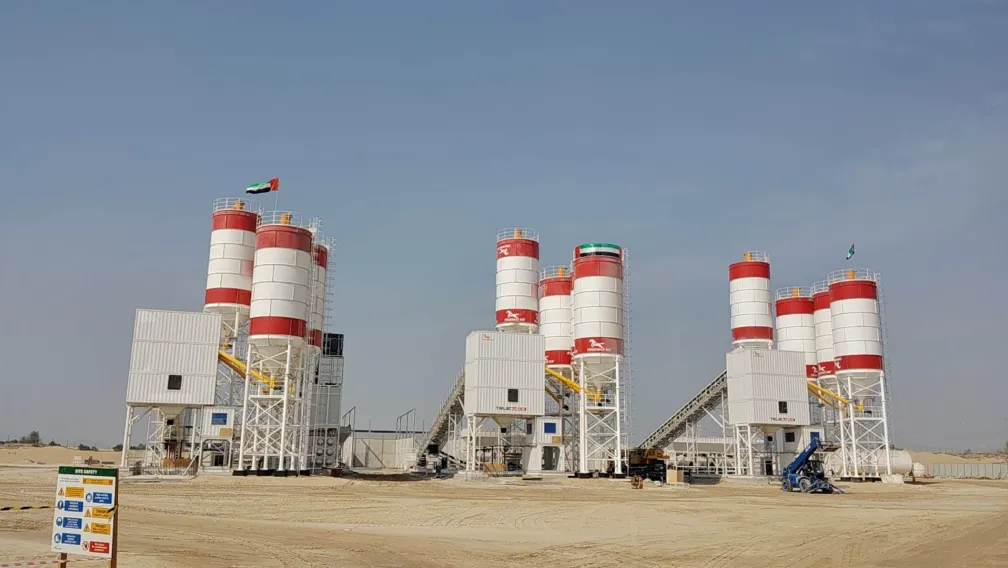
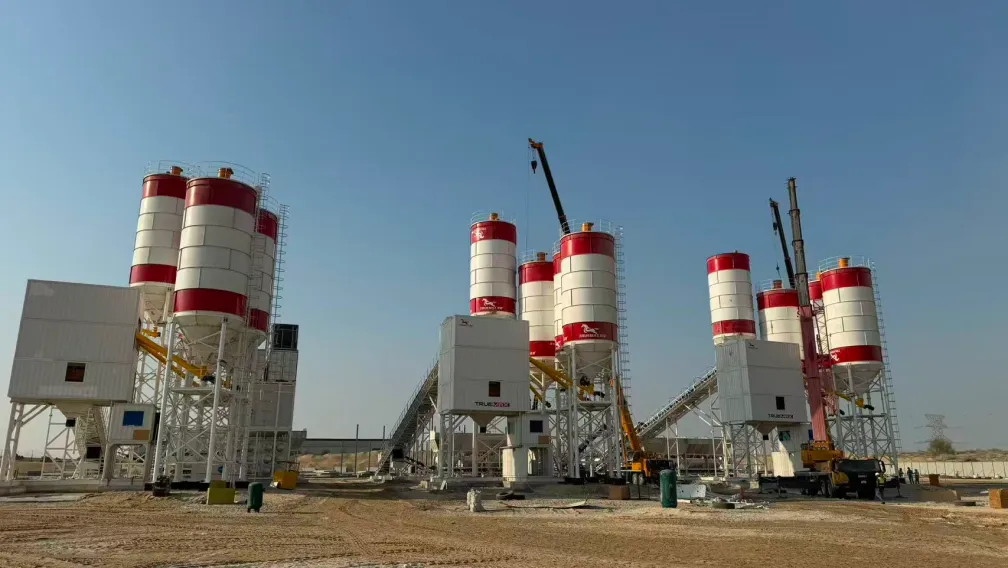
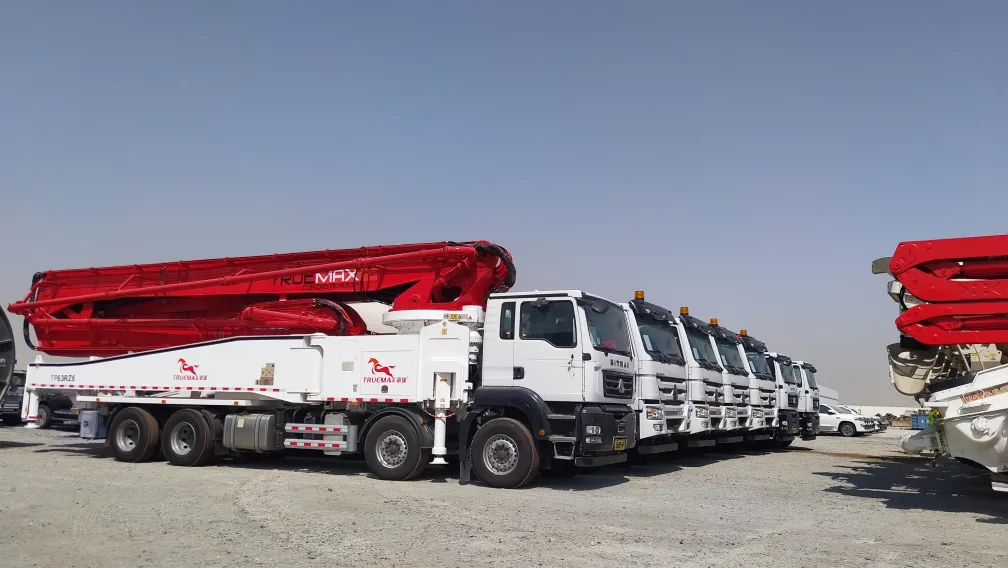
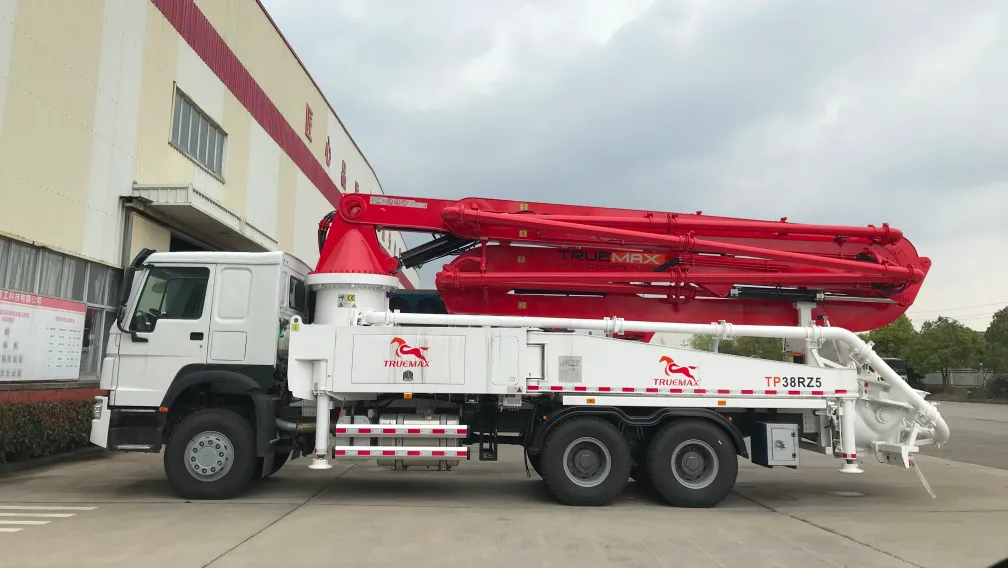
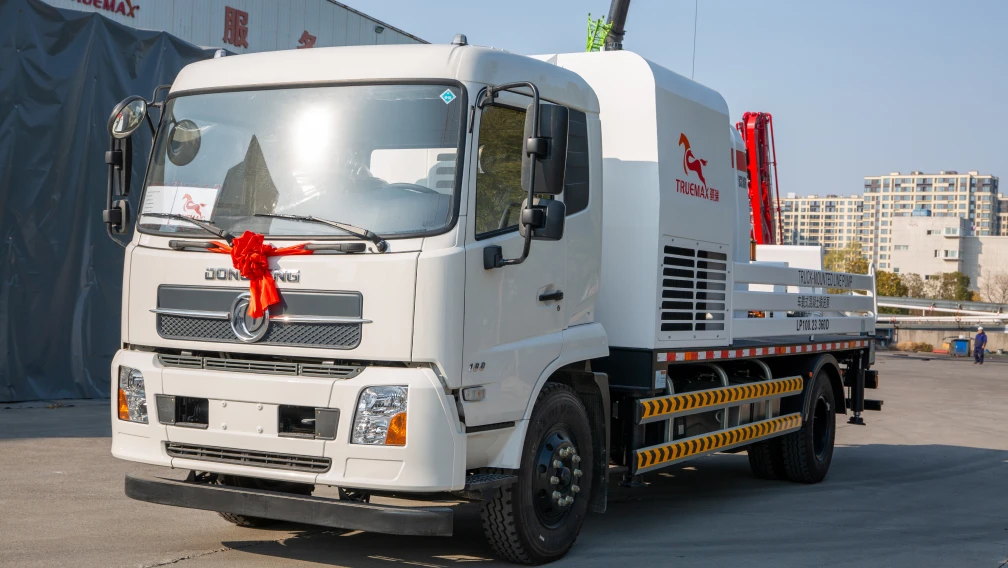
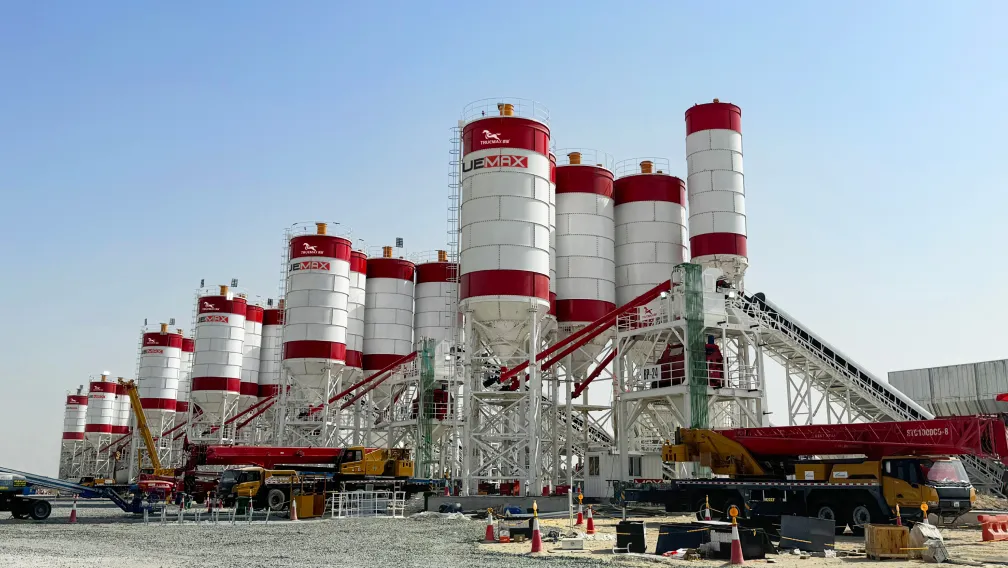
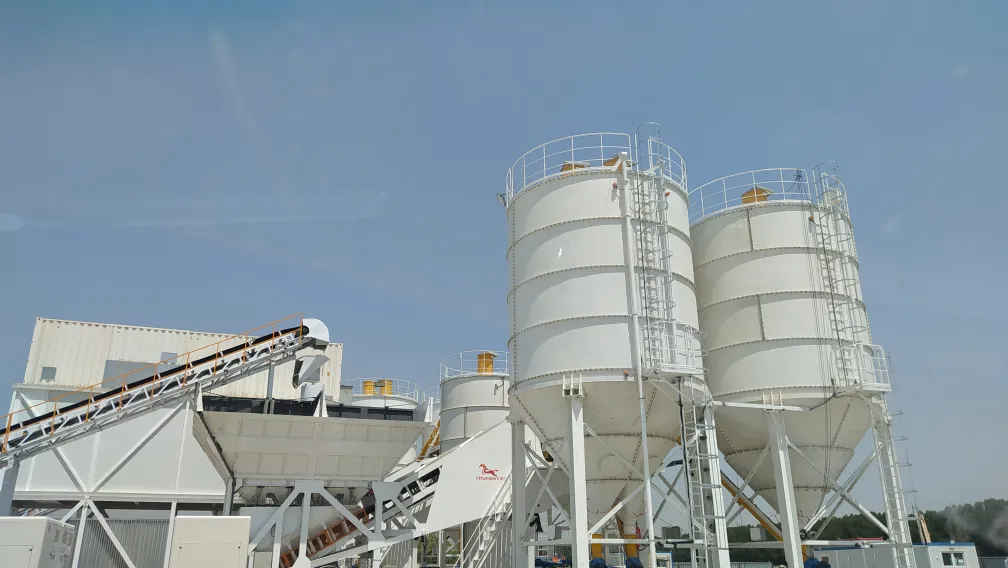
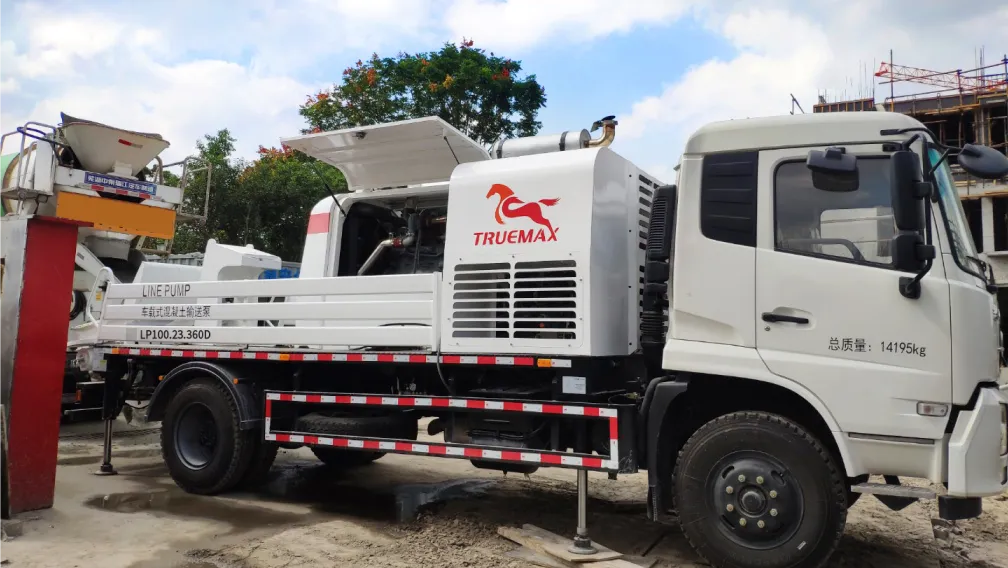
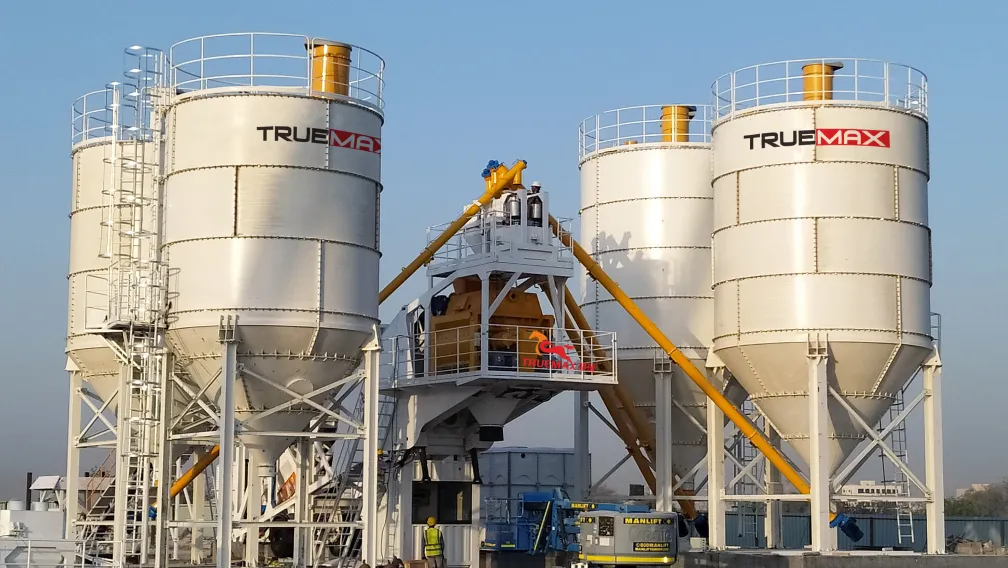
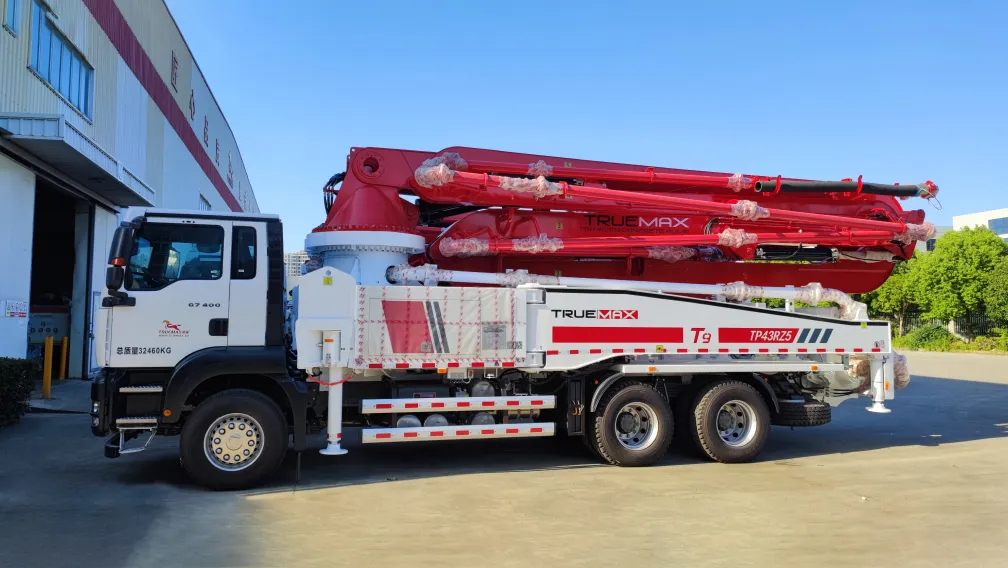
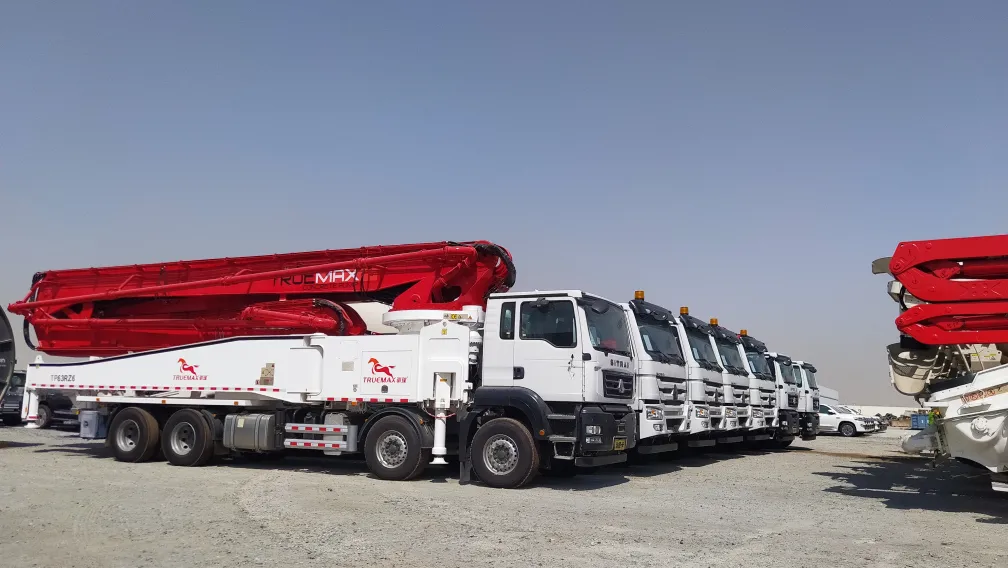
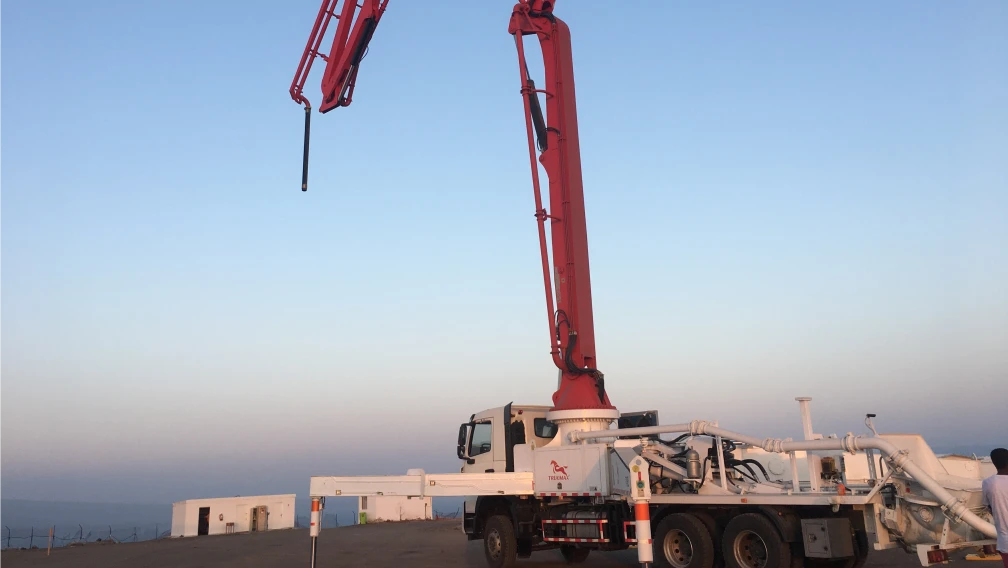
TRUEMAX builds stationary concrete pumps and truck-mounted line pumps in both diesel and electric versions across the 30 to 90 m³/h range, with soft starters and motor protection matched to site supply conditions. Where projects pair pumping with on-site production, the same electrical planning covers the batching plant and pump as one load schedule.
Send your target output, supply voltage and frequency, and whether grid or generator power is planned through the contact page; the engineering team will confirm the motor specification, starting method and cable or generator sizing for your site conditions.
-

TrueMax
Concrete & Construction Equipment Manufacturer
Established in 2003, Truemax designs, manufactures, and delivers concrete pumping equipment, crushing machinery, and construction hoisting systems from our own factory in Haining, China to jobsites in over 120 countries.