

 LANGUAGE

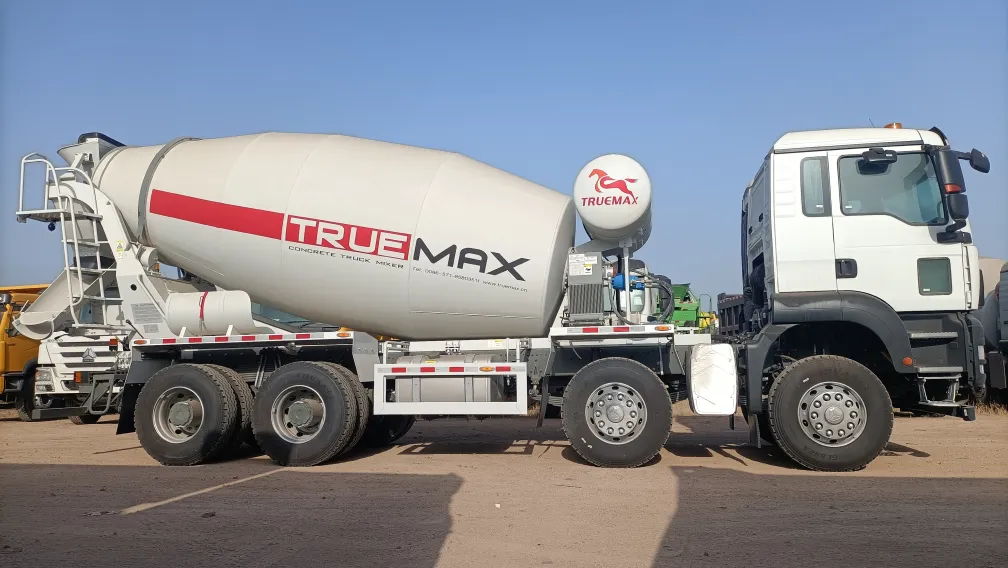
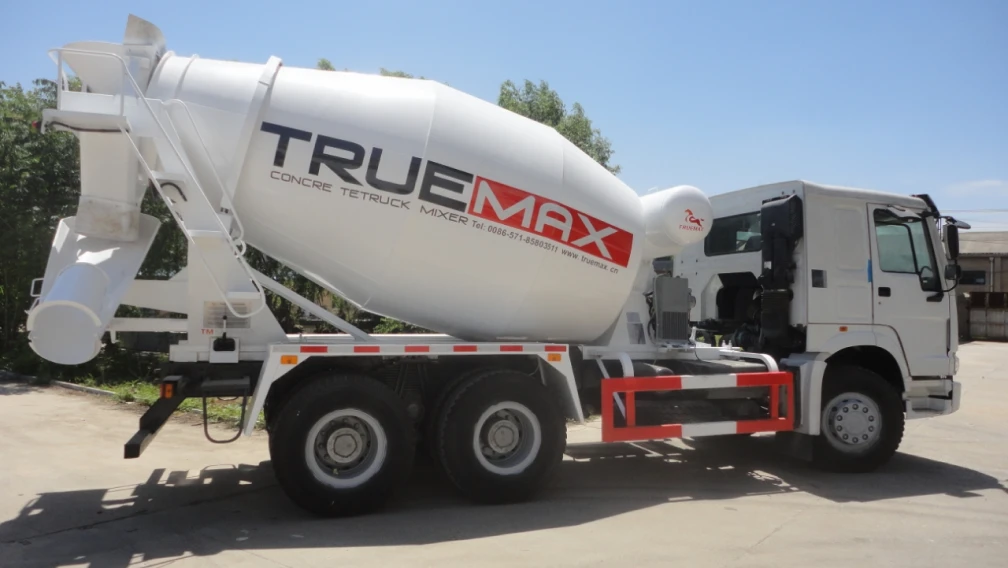
Every fleet manager knows the math even if they have never written it down: five minutes of rinsing after the last pour, or a five-figure drum replacement a few years early. The truck mixer drum is a continuously rotating, continuously loaded assembly carrying up to ten cubic metres of abrasive wet concrete, and it wears with drum hours rather than road miles. This guide covers the maintenance routine that keeps drums at full capacity for a decade or more: daily washout discipline, residual and hardened concrete removal, blade and roller inspection, and the washout water rules that regulators enforce.
1. Why Drum Buildup Is a Capacity Problem, Not a Cosmetic One
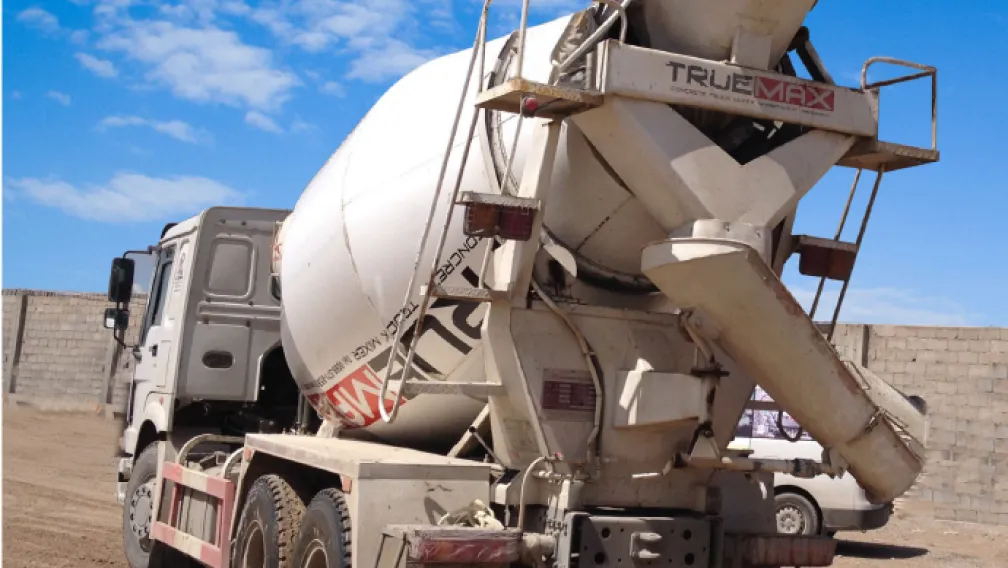
Fresh concrete rinses off steel in minutes. Wait past the initial set — roughly 90 minutes after mixing — and the same material bonds to the drum wall through calcium silicate chemistry that a pressure washer alone will not break. Left alone, that film thickens into a shell with measurable consequences:
- Lost capacity: hardened residue occupies drum volume, so a 10 m³ mixer gradually becomes an 8 m³ mixer
- Mixing quality: half an inch of buildup on the spiral fins destroys their ability to lift and fold the batch, dropping mixing efficiency by 10–15% and producing segregated, off-spec loads
- Mechanical stress: off-centre hardened concrete unbalances the drum, multiplying loads on rollers, the drive gearbox and hydraulic motor
- Fuel and cost: crews report paying 500–2,000 USD per truck for professional chipping and acid washing; a replacement drum runs 10,000–20,000 USD before you count the days the truck cannot haul
Buildup also flakes. Old concrete debris breaking loose into a fresh batch forms lumps, weakens the finished product and fails slump tests — a quality problem created entirely inside your own drum.
2. The Daily Washout: The 90-Minute Rule
The single most valuable maintenance habit costs nothing but water and discipline. Within 60–90 minutes of the last discharge, before the residue reaches initial set:
- Charge 200–300 litres of water into the drum (deep chemical cleans use more, but daily rinse stays in this range)
- Rotate at full mixing speed for three to five minutes so the water scours the full helical path
- Discharge the washout into an approved containment or recycling pit — never onto soil, storm drains or the parking lot
- Flush the chute, hopper and discharge point; hardened residue here narrows the flow path and creates safety hazards during the next pour
- Pressure-wash the exterior top-down at 200–280 bar, giving extra passes to the underside where splatter traps moisture against suspension brackets and crossmembers
Two habits multiply the effect. Coat the drum interior with a release agent at the start of the workday so residue has nothing to bond to, and keep the drum rotating whenever a partial load sits inside — a stationary load starts setting within about 30 minutes. Modern washout recycling systems reclaim up to 80% of rinse water, cutting both water bills and disposal volume.
3. Weekly and Monthly Inspection: Run by Drum Hours
Chassis maintenance follows the odometer; mixer maintenance should follow drum rotation hours. International practice (for example the checklist tradition of IS 4926 and manufacturer schedules) converges on this rhythm:
| Interval | Checkpoints |
|---|---|
| Daily | Drum washout and rotation check; listen for hesitation or grinding that signals drive wear or internal buildup |
| Weekly | Flashlight inspection of blades and fins for wear, breakage and buildup; grease drum ring and support rollers on the hours-based interval; check chute hinges and lock pins |
| Monthly | Measure blade wear against manufacturer limits; check revolution counter operation; calibrate the onboard water meter; inspect drum shell and inlet seal |
Worn fins mix poorly even when the drum is clean, and broken fins cause vibration that accelerates everything else. Blade wear is cheap to measure and expensive to ignore — a drum that no longer homogenises the load in the specified revolutions produces concrete that fails at the pump or, worse, in the structure.
4. Removing Hardened Concrete: Chemistry Before Chisels
When buildup has already hardened, choose the removal method by severity. The escalation ladder looks like this:
- Chemical dissolver: commercial concrete removers based on glycolic acid handle light films safely on most alloys; phosphoric acid suits moderate buildup on coated drums; hydrochloric (muriatic) acid attacks heavy deposits but must be diluted to the manufacturer's specification or it eats coatings and welded seams. Apply, allow full dwell time, rotate 10–15 minutes, flush. Heated wash solutions deliver roughly 40% more cleaning power and cut total cleaning time nearly in half
- Ultra-high-pressure water: automated systems running around 1,500 bar strip hardened concrete without anyone entering the drum — no chisel damage to liners, no confined-space risk
- Manual chipping: the last resort. Pneumatic hammers crack and deform drum liners when used carelessly, so keep this in the emergency column and only after two full chemical cycles have failed
One rule overrides the ladder: act early. Concrete removed in its first three days comes out far faster than concrete given 28 days to reach full strength, and high-grade mixes harden harder. Monthly flashlight checks are what keep a thin film from becoming an inch-thick crust.
5. When a Full Load Hardens: Emergency Discharge
The nightmare scenario — engine or hydraulic failure with a full drum — has a playbook, and every fleet should rehearse it before needing it:
- Keep the drum turning: with retarders and continuous rotation at moderate temperature, a load stays workable for up to about three hours. Rotation is life
- Use the emergency hatch: most drums have a bolted discharge hatch; rotate it to the bottom position and open it to release the main volume
- Borrow hydraulics: keep two or three quick couplings and straight-and-return hoses in the workshop so an excavator or loader on site can drive the drum through its hydraulic line
- If it sets: mechanical breaking with drilling and hydraulic hammers, expanding demolition powder ("silent explosive") poured into drilled holes, or full acid soaking — in rising order of cost, from days of labour to very expensive chemistry. Cutting the shell open happens more often than anyone admits
The cheapest line in this section is the preventive one: pre-shift checks of fuel, hydraulic oil level and drive function, because most full-load hardening traces back to skipped maintenance or operator error.
6. Washout Water: pH 12 and Five-Figure Fines
Concrete wash water runs above pH 12 — caustic enough to poison soil and kill aquatic life. Regulators treat it accordingly: under the US Clean Water Act, illegal washout discharge draws fines of 10,000–50,000 USD per day of violation, and European and Gulf authorities apply comparable regimes. The compliant setup is straightforward:
- A designated washout pit or lined containment at the plant, sized for your fleet's daily 200–300 litres per truck
- A recycling loop that settles solids and reuses process water — reclaiming up to 80% of the volume
- Hardened settled solids crushed and disposed as inert construction waste, never dumped
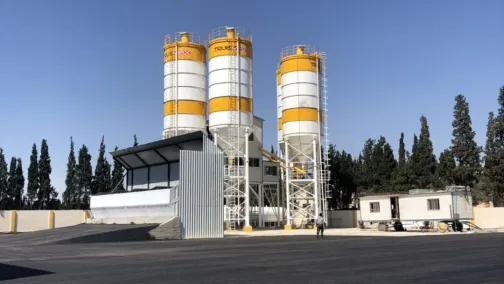
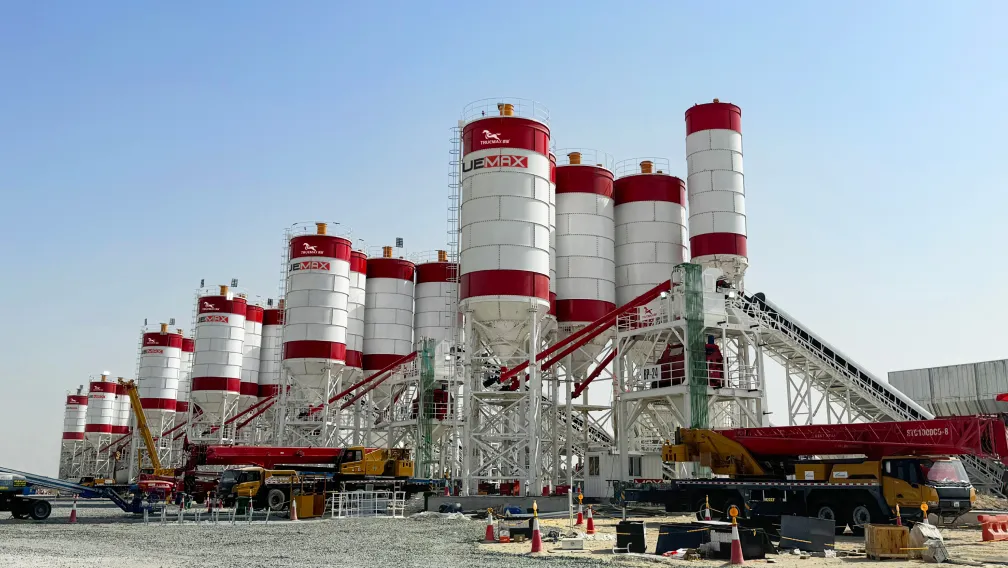
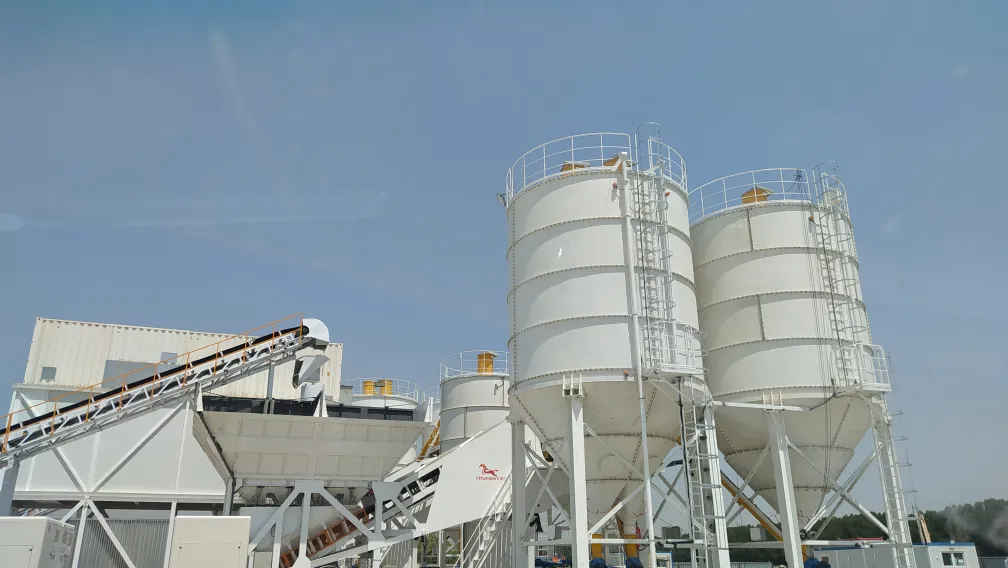
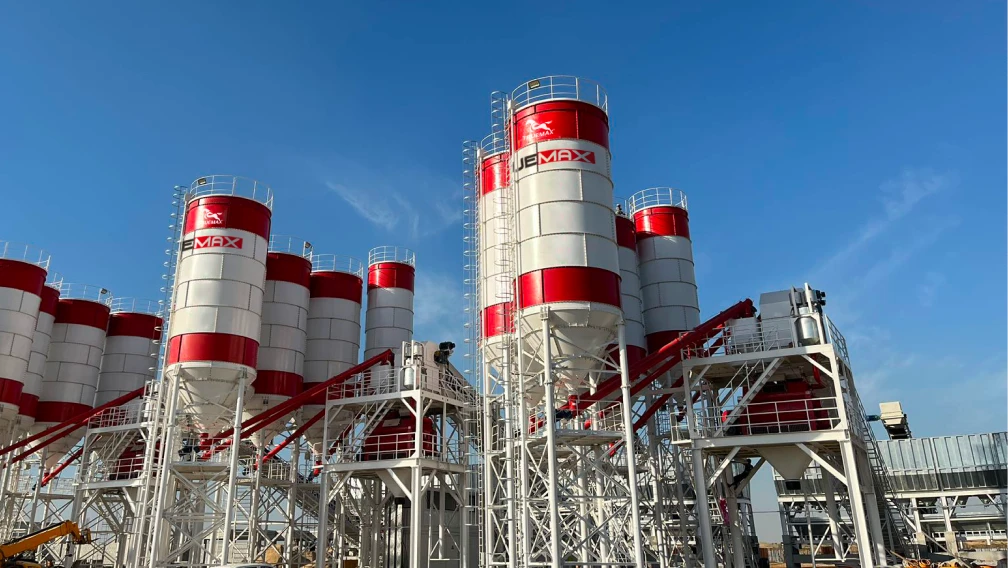
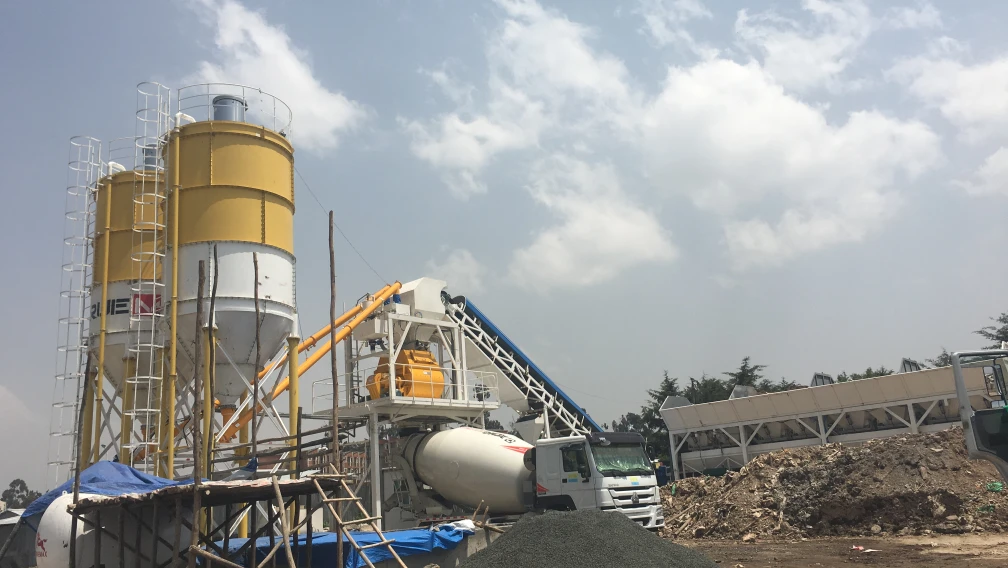
For export fleets, specify the washout and recycling station together with the batching plant so drainage, settlement and reuse are engineered as one system rather than improvised later.
7. Frequently Asked Questions
Q1: How soon after the last pour should the drum be washed out?
A: Within 60–90 minutes. Concrete approaches initial set near the 90-minute mark, and removal difficulty roughly doubles with every hour of delay after that.
Q2: How much water does a daily washout use?
A: A routine post-delivery rinse takes 200–300 litres; deep chemical cleaning uses 400–500 litres across multiple cycles. Recycling systems reclaim up to 80% of that volume.
Q3: How do I know the blades are worn out?
A: Inspect monthly against the manufacturer's wear limits. Warning signs in operation: the load no longer homogenises within the specified revolutions, visible fin height loss, vibration, and rising slump-test failures.
Q4: Is chipping hardened concrete by hand acceptable?
A: Only as a last resort. Pneumatic hammers easily crack or deform drum liners and blades. Exhaust chemical dissolvers or ultra-high-pressure cleaning first — they remove the concrete without damaging the drum.
Q5: Can washout water go into the site drainage?
A: Never. Its pH exceeds 12 and it is classified as polluting discharge in most jurisdictions. Use a lined containment pit with settlement and reuse, and dispose of hardened solids as construction waste.
Q6: Should maintenance intervals follow mileage or drum hours?
A: Drum hours. The mixing assembly wears with rotation and load cycles, not road distance, so trigger blade checks, greasing and water-meter calibration from the drum hour meter.
8. Specify the Mixer as a System, Maintain It as One
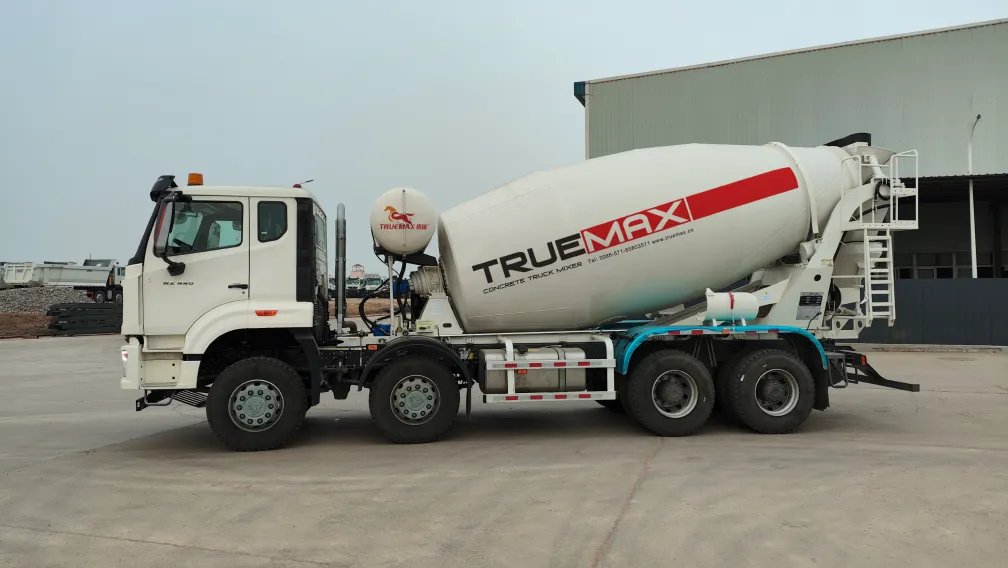
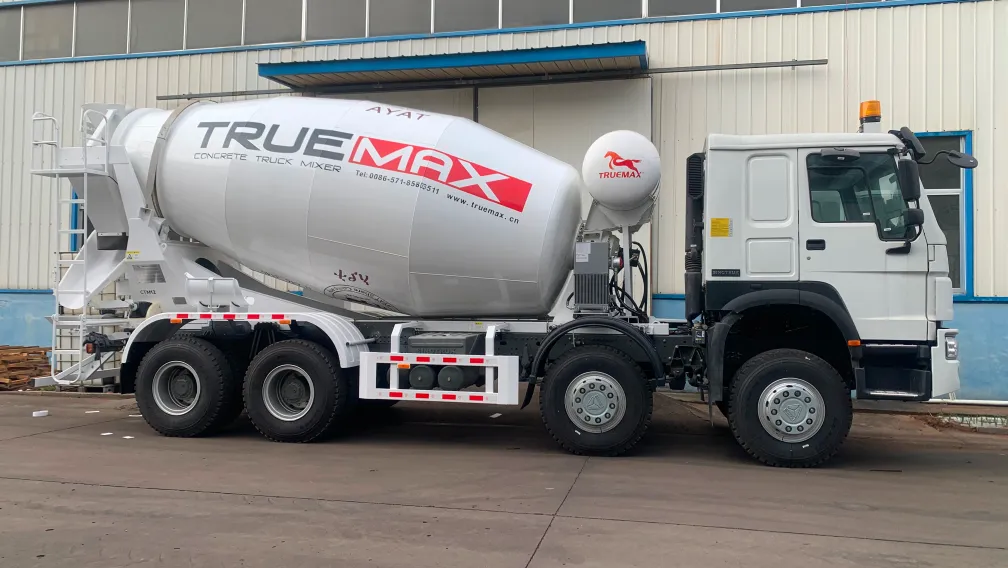
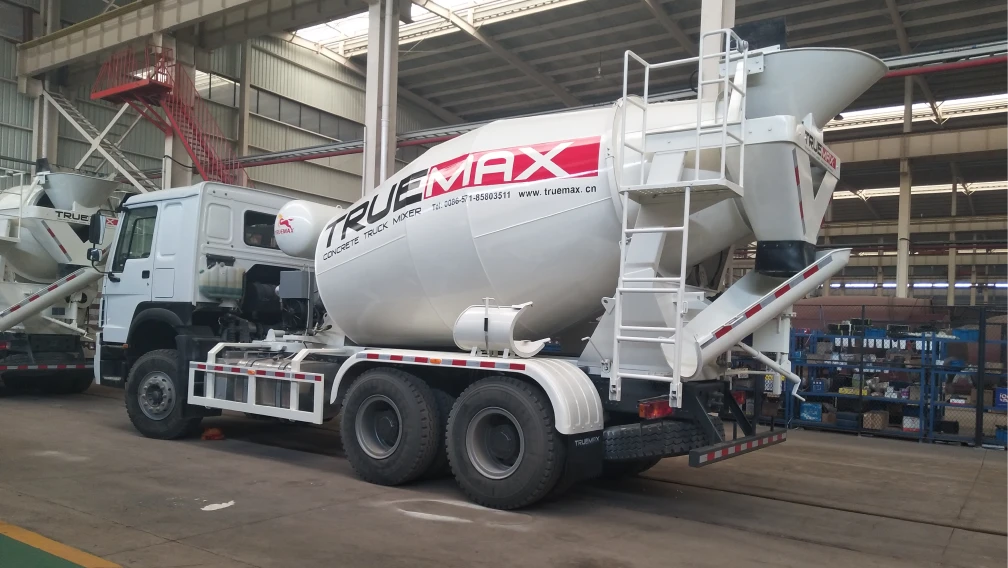
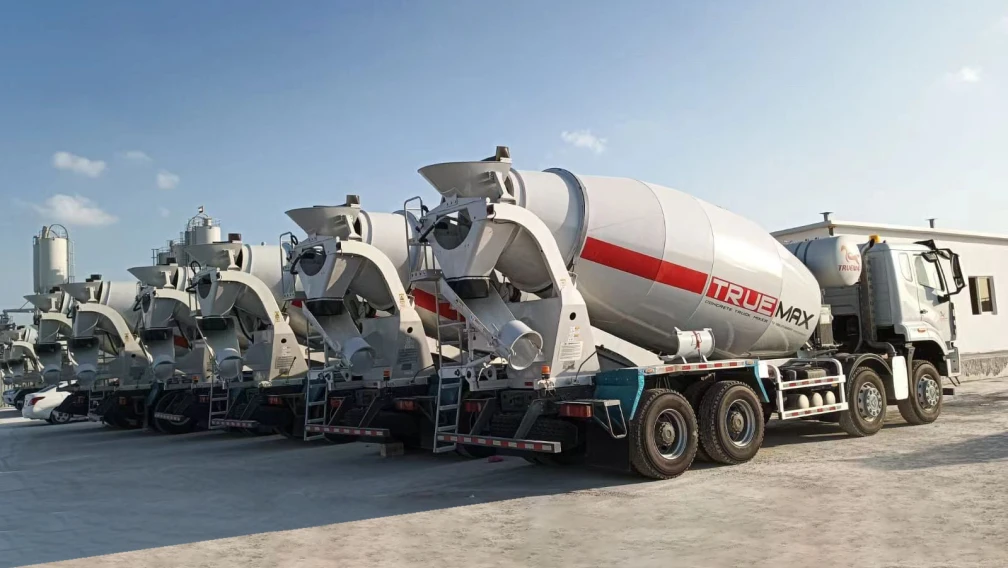
Clean drums, sharp blades and disciplined washout are what keep a mixer fleet earning for a decade. TRUEMAX concrete truck mixers — from compact units to the CTM3–CTM14 series — are built with wear-resistant drum steel and accessible service points to make that routine fast. For fleet sizing, see our capacity guide, or contact our team for maintenance kits, wear parts and washout-station configurations matched to your fleet.
-

TrueMax
Concrete & Construction Equipment Manufacturer
Established in 2003, Truemax designs, manufactures, and delivers concrete pumping equipment, crushing machinery, and construction hoisting systems from our own factory in Haining, China to jobsites in over 120 countries.