

 LANGUAGE

On November 16, 2026, Caterpillar Inc. announced that collision warning and collision mitigation technologies will become standard factory equipment on the majority of new Cat construction machines throughout 2027. Previously sold as optional add-ons on select models and configurations, these active safety suites are moving directly into the baseline machine specification. For contractors, ready-mix fleet operators and heavy equipment procurement teams, the announcement signals a structural shift: proximity detection, pedestrian awareness and automated intervention are transitioning from aftermarket retrofits to baseline tender requirements.
1. What Caterpillar Announced
Issued from Irving, Texas, Caterpillar's rollout covers the bulk of its new construction machinery lineup across 2027. According to Rod Shurman, group president of Caterpillar's Construction Industries, moving these technologies from optional to standard on eligible machines removes procurement friction and allows contractors to deploy consistent safety tools across mixed jobsites.
Depending on the specific machine class and configuration, the factory-fitted package combines radar, smart cameras and onboard control logic to deliver four core functions:
- Visual and audible hazard alerts: real-time in-cab warnings when personnel or obstacles enter the machine's blind spots
- Motion Inhibit: prevents a stationary machine from initiating reverse movement when a hazard is detected behind it
- Automatic Emergency Braking: intervenes automatically if a reversing machine approaches a detected object or worker and the operator does not respond
- VisionLink fleet integration: logs safety events and video clips in the cloud so fleet managers can map recurring near-miss zones and coach operators
2. Why Active Safety Is Moving to Standard Fitment
Jobsite congestion has outpaced passive visibility measures such as mirrors and backup alarms. According to the U.S. Bureau of Labor Statistics, 1,034 construction workers died on the job in 2024—the latest full-year federal dataset—giving construction the highest fatality count of any private sector. Struck-by and caught-between incidents involving mobile heavy equipment remain leading causes.
Until now, contractors who wanted proximity detection had to build a separate capital business case, purchase third-party camera or radar kits, and manage installation across heterogeneous fleets. Factory standardization eliminates retrofit downtime, aligns sensor durability with baseline machine life, and ensures that safety hardware is integrated directly into the vehicle's braking and hydraulic control architecture.
3. Endorsement From Tier-One Contractors
Two of the world's largest civil contractors—Kiewit and VINCI Construction—publicly backed the announcement, highlighting where global tender standards are heading. Steve Curry, vice president of equipment at Kiewit, noted that the firm has spent recent years retrofitting seatbelt indicators, pedestrian detection and proximity cameras across its construction and mining fleets, calling factory-standard fitment the next step toward industry-wide adoption.
Anthony Flandrin, equipment director at VINCI Construction, linked standardized collision warning and mitigation directly to accelerating fleet-wide deployment and reducing equipment-related incident frequency. When contractors of this scale treat active collision mitigation as baseline infrastructure, project owners and public agencies typically follow by writing the same specifications into major civil tenders.
4. How Major OEMs Compare on Collision Tech
Caterpillar's move lands in a competitive landscape where leading manufacturers have been building out active detection suites throughout 2026:
| Manufacturer | Safety Platform | Core Capabilities |
|---|---|---|
| Caterpillar | Cat Collision Warning & Mitigation + VisionLink | Radar and smart cameras, Motion Inhibit, Automatic Emergency Braking, cloud event video logging (standard on most new construction models in 2027) |
| John Deere | SmartDetect Assist (launched Feb 2026) | Object and pedestrian detection with automated machine slowing or stopping |
| Komatsu | KomVision | Onboard camera network integrated with machine control to alert operators and halt movement under defined conditions |
| Volvo CE | Smart View & Obstacle Detection + Volvo Co-Pilot | 360-degree camera awareness and radar obstacle alerts unified in an in-cab display |
The differentiator in Caterpillar's November 2026 announcement is not the existence of the sensors, but the commercial decision to remove them from the options list across the majority of its construction lineup.
5. What It Means for Concrete Equipment Fleets
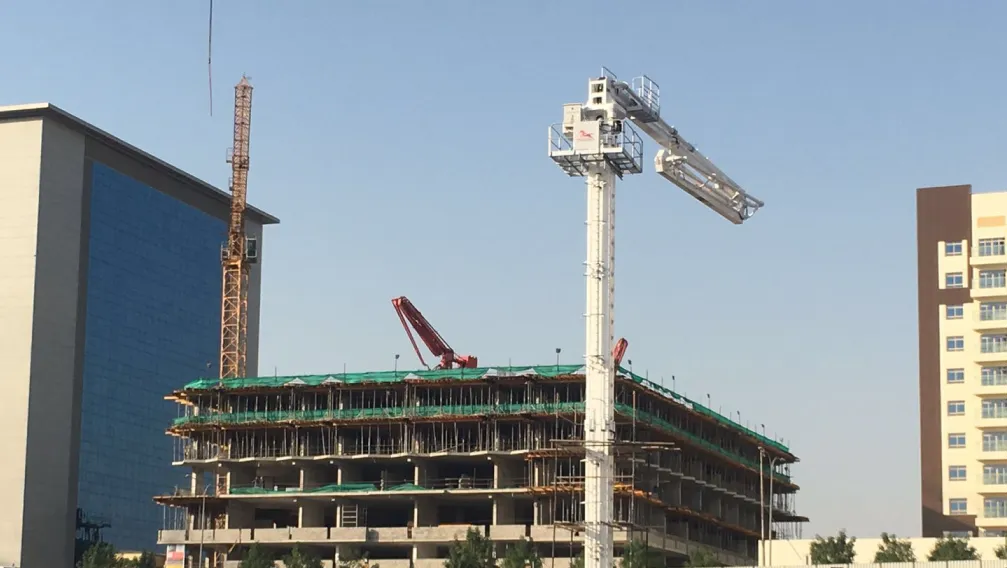
Earthmoving machines are only part of a congested pour zone. Concrete delivery and placement sites concentrate heavy wheeled traffic, reversing trucks and ground crews working directly beneath overhead booms. As active safety becomes standard on excavators and loaders, buyers of concrete machinery are applying the same scrutiny to their own fleets:
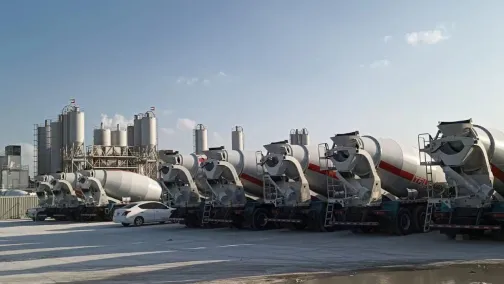
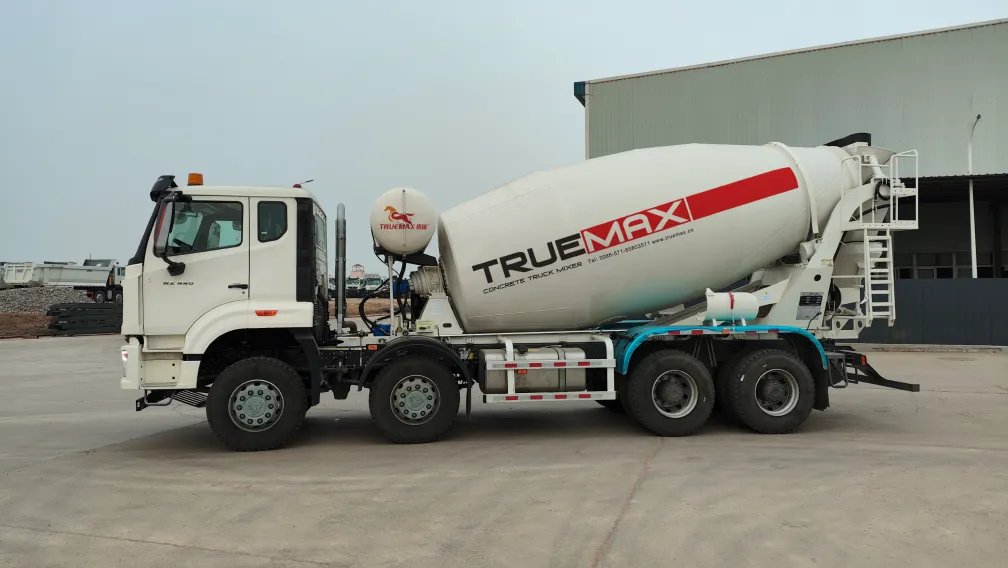
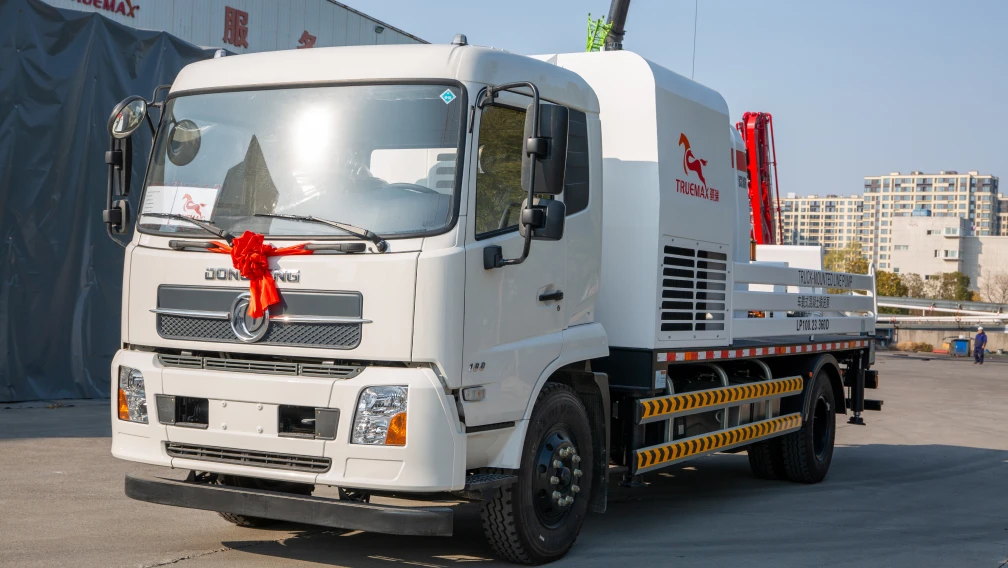
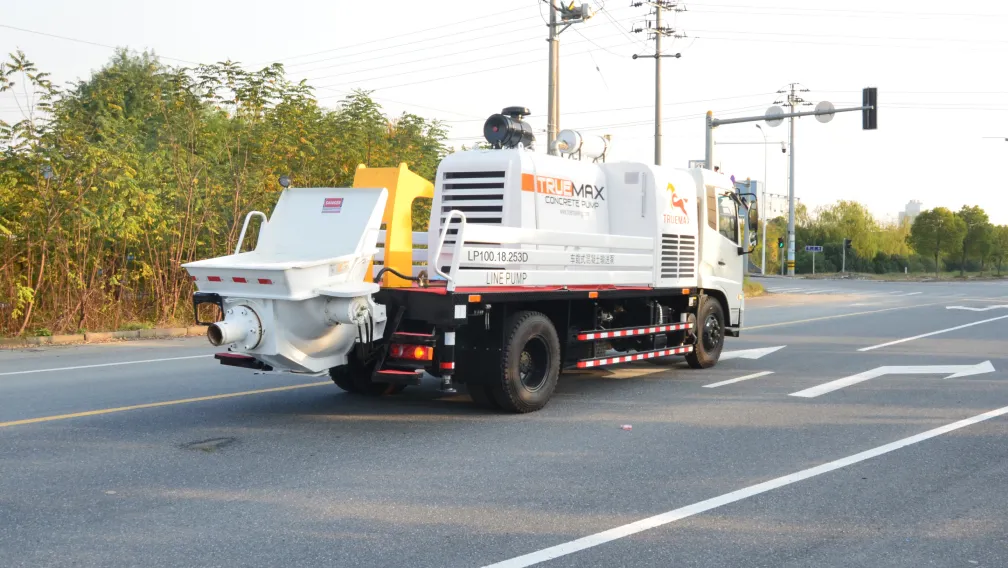
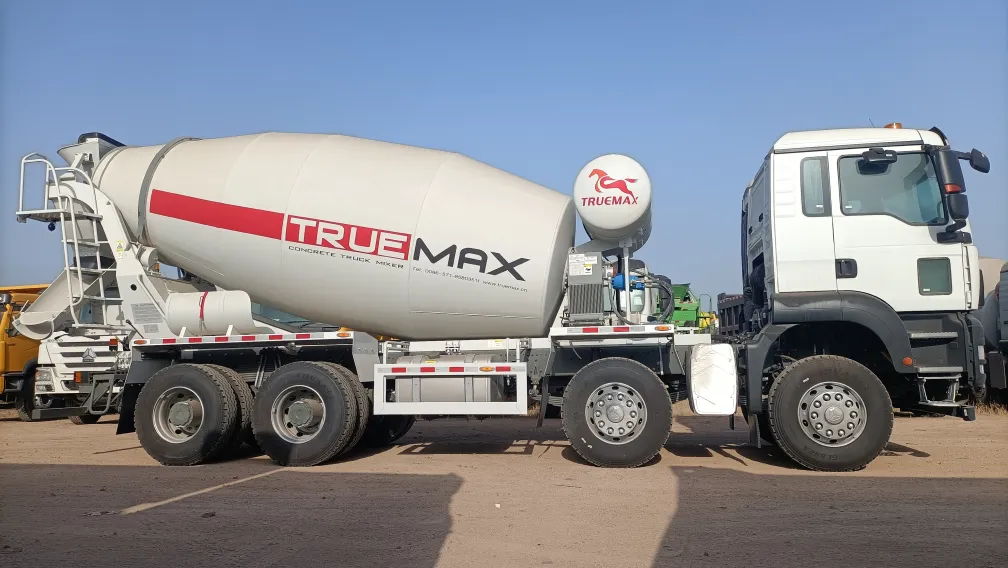
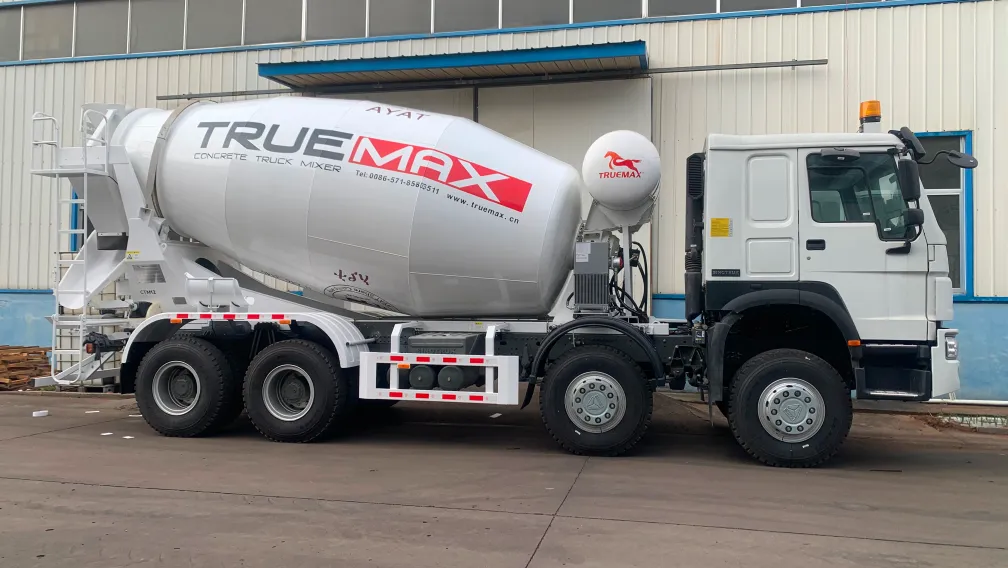
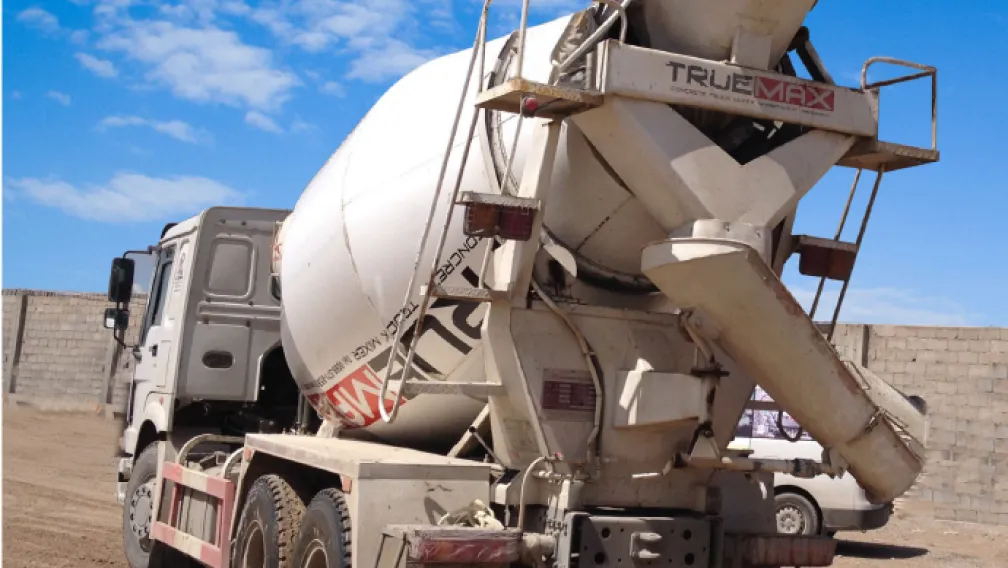
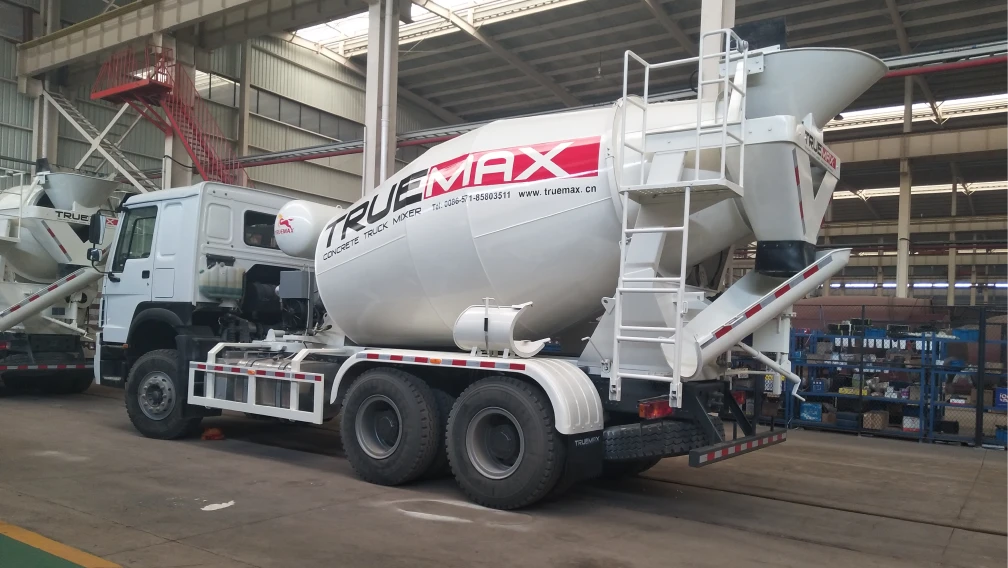
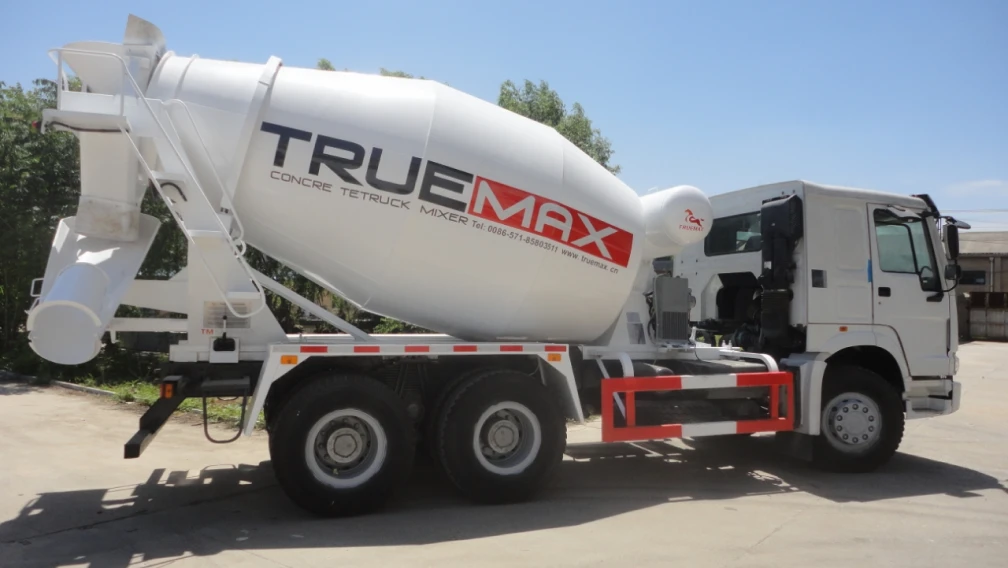
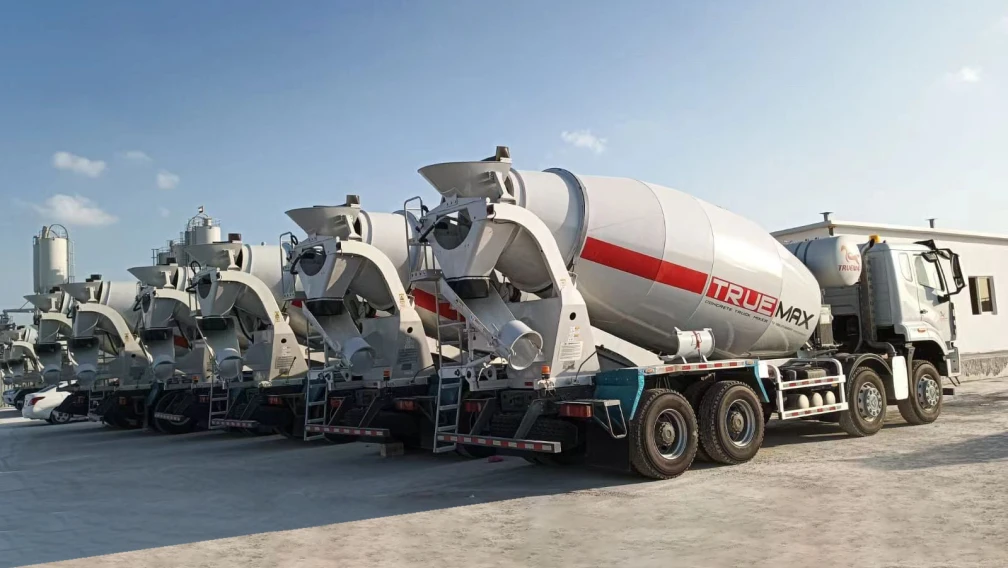
- Reversing and blind-spot risk on mixer fleets: a loaded concrete truck mixer routinely reverses into tight pump hoppers amid rebar crews and narrow access lanes, making 360-degree cameras, rear radar and audible-visual alerts practical necessities
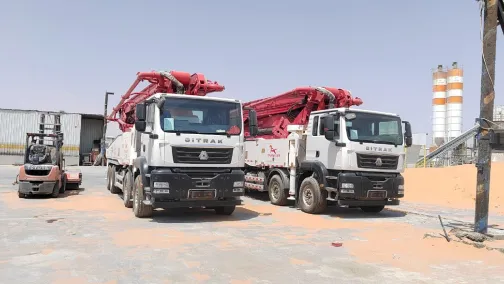
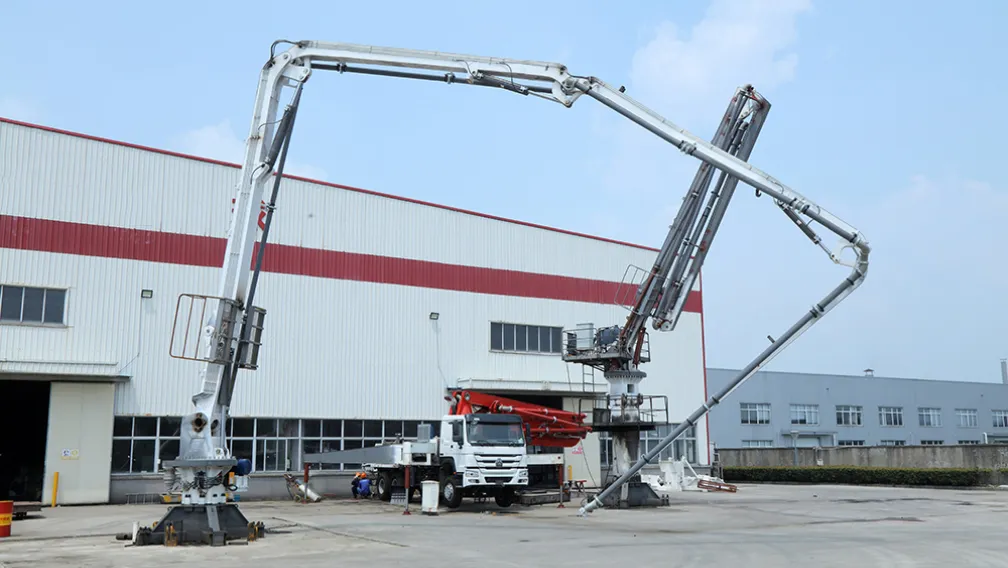
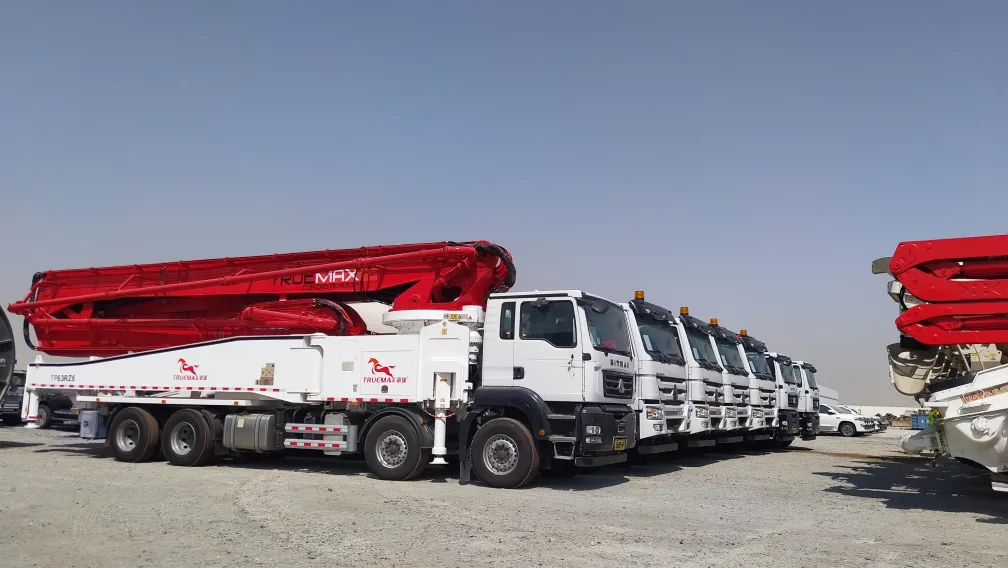
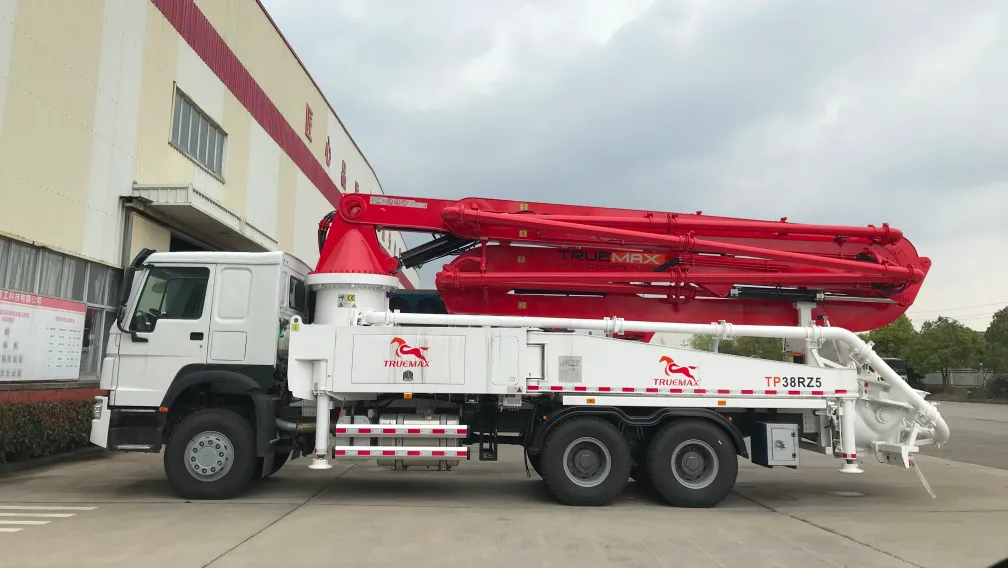
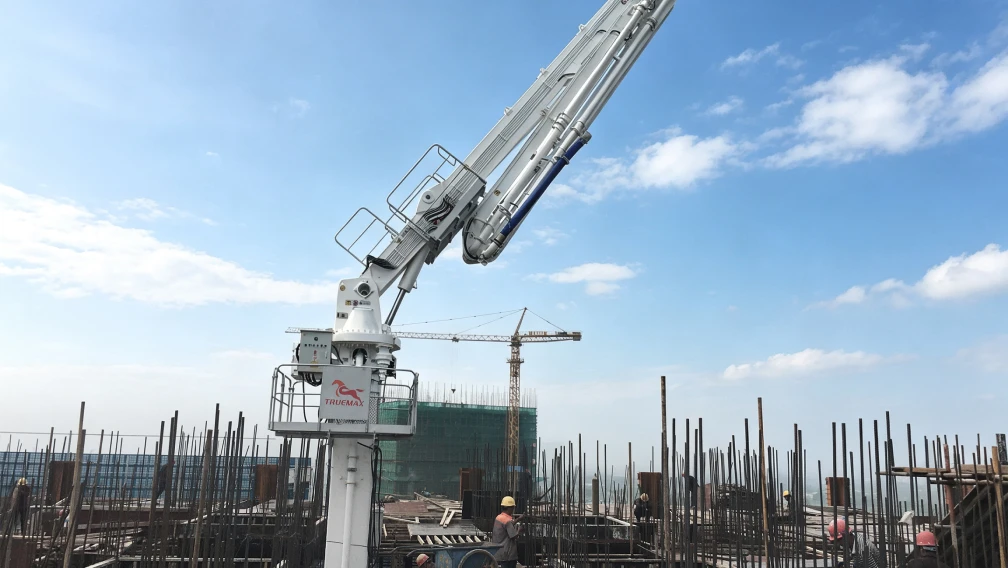
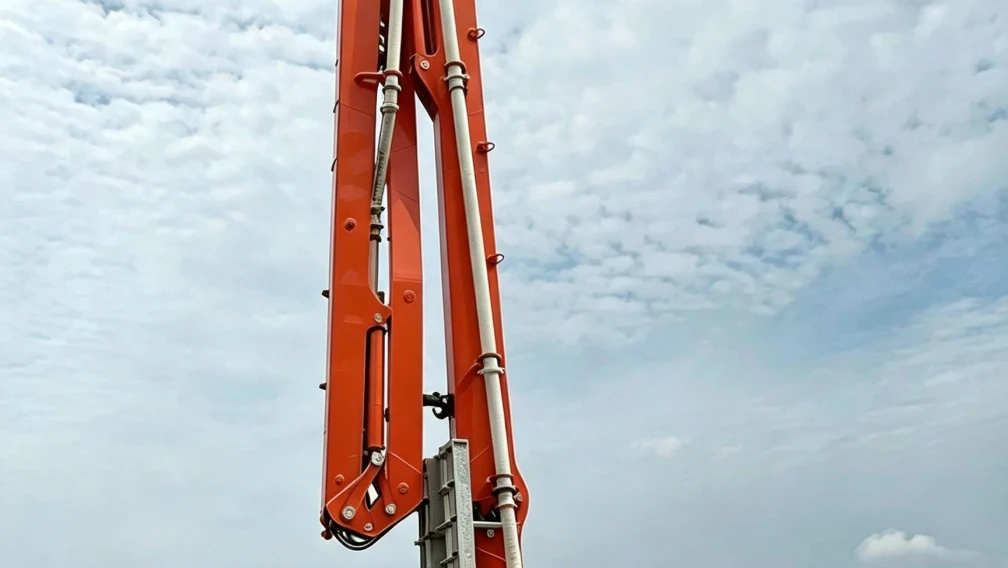
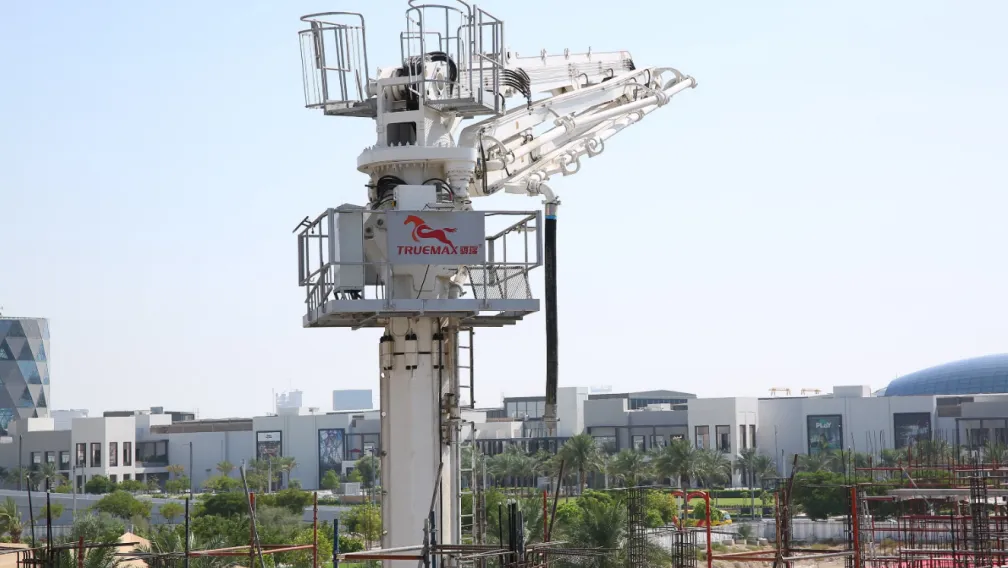
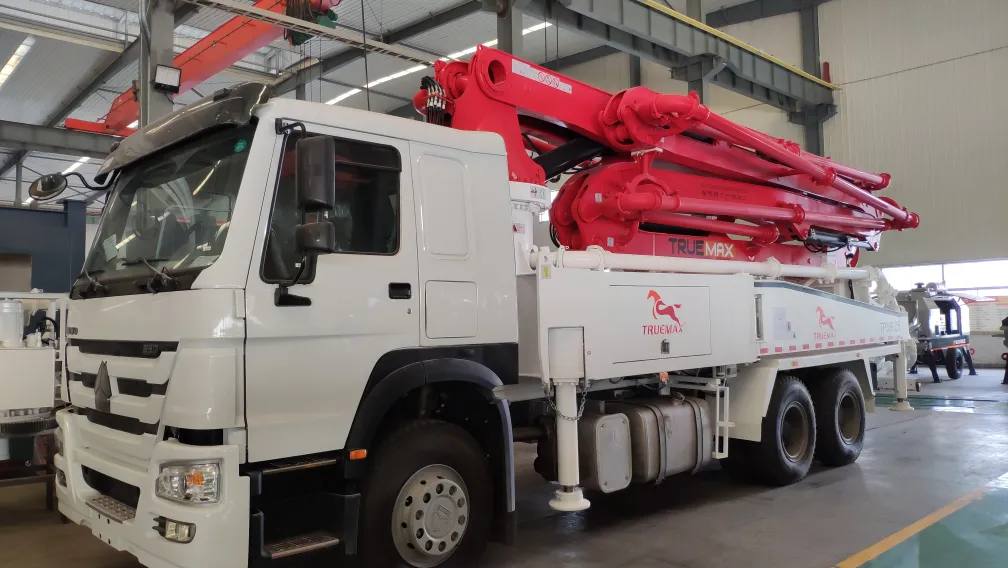
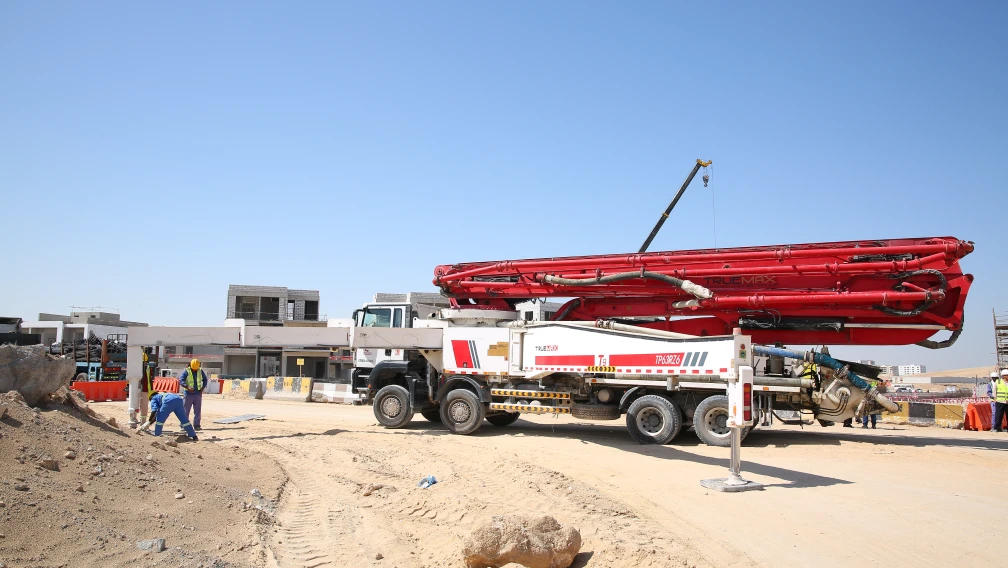
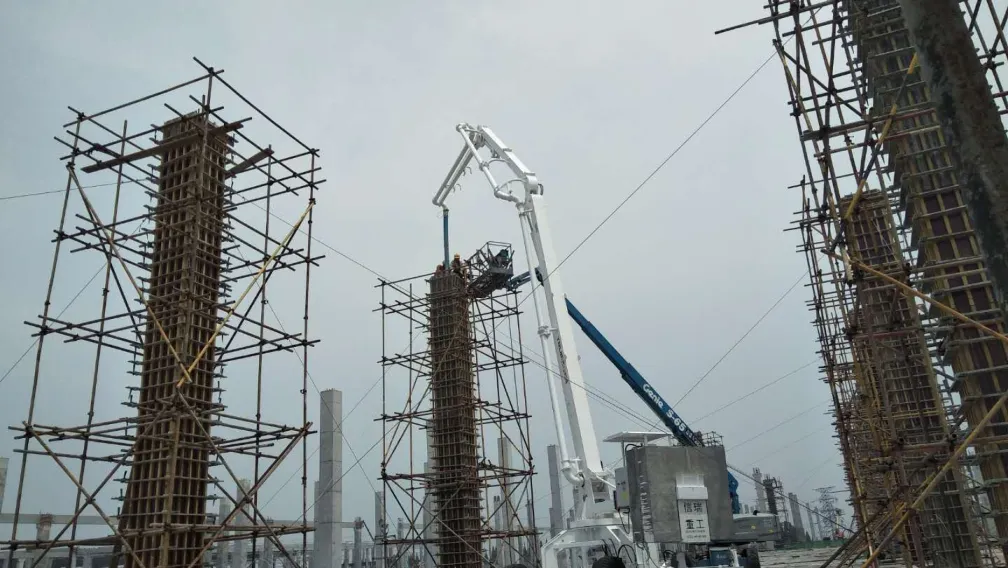
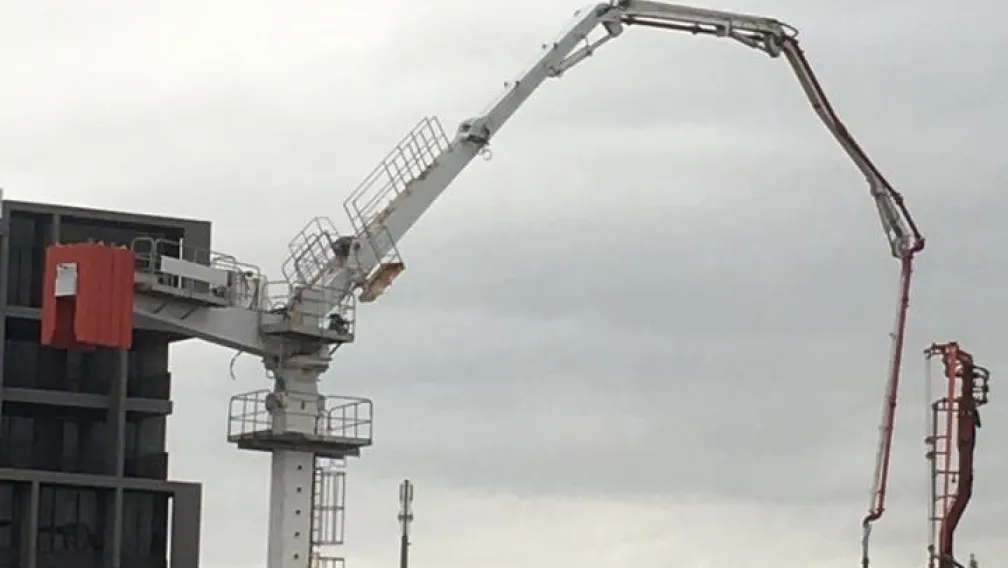
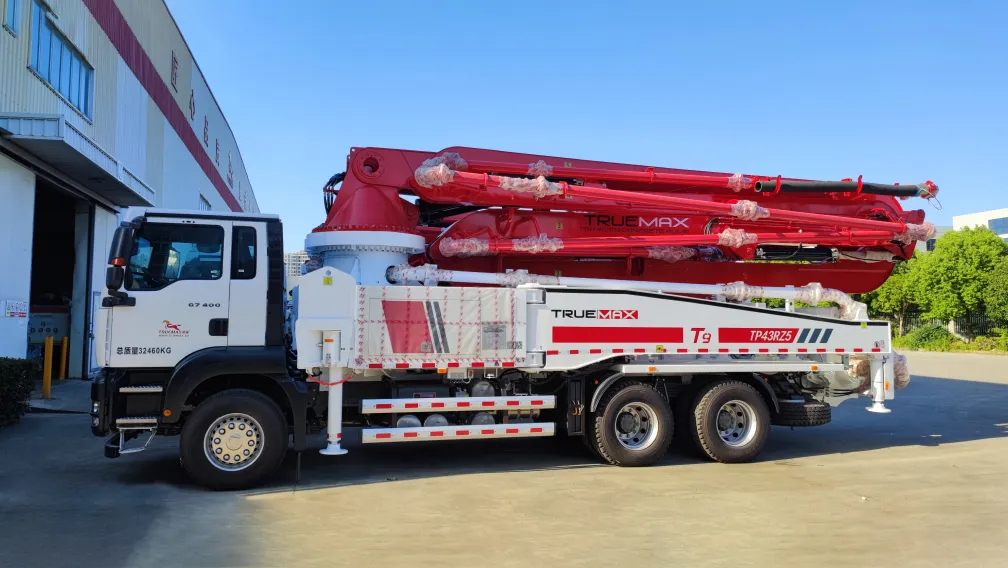
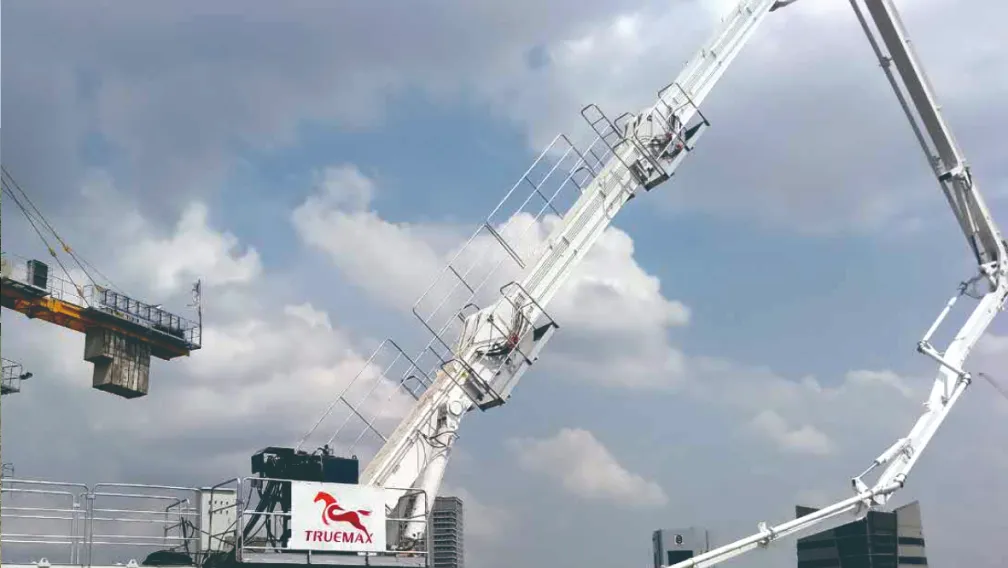
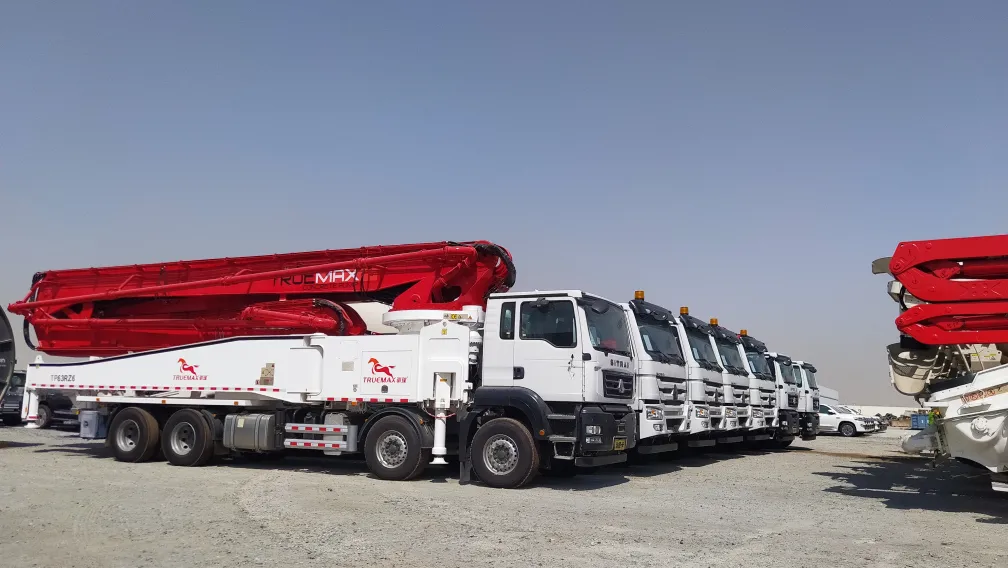
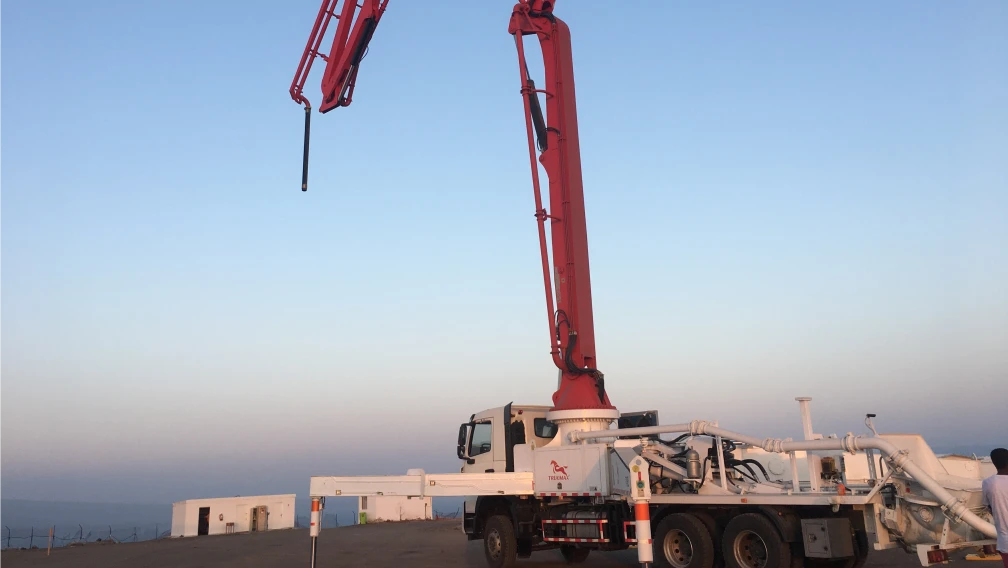
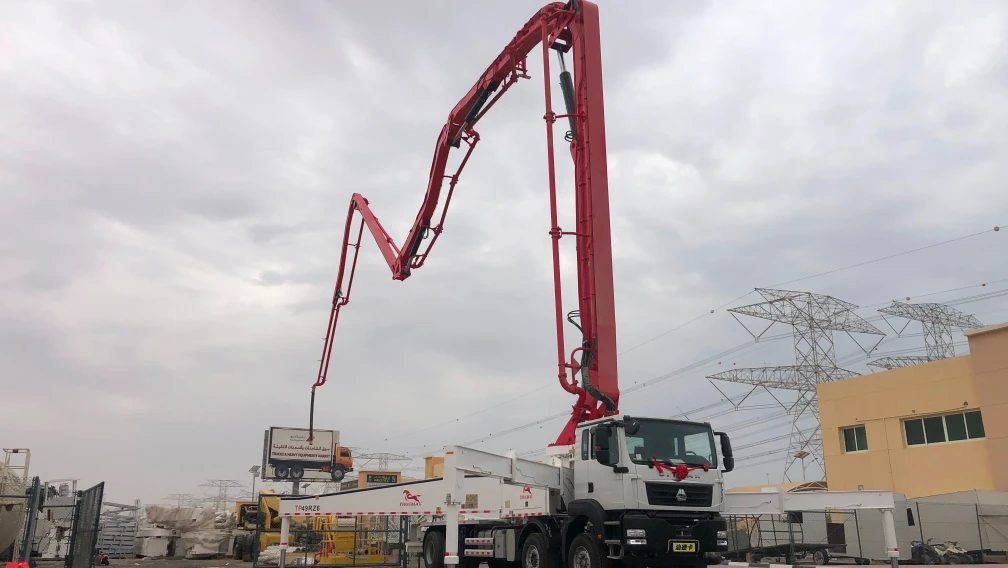
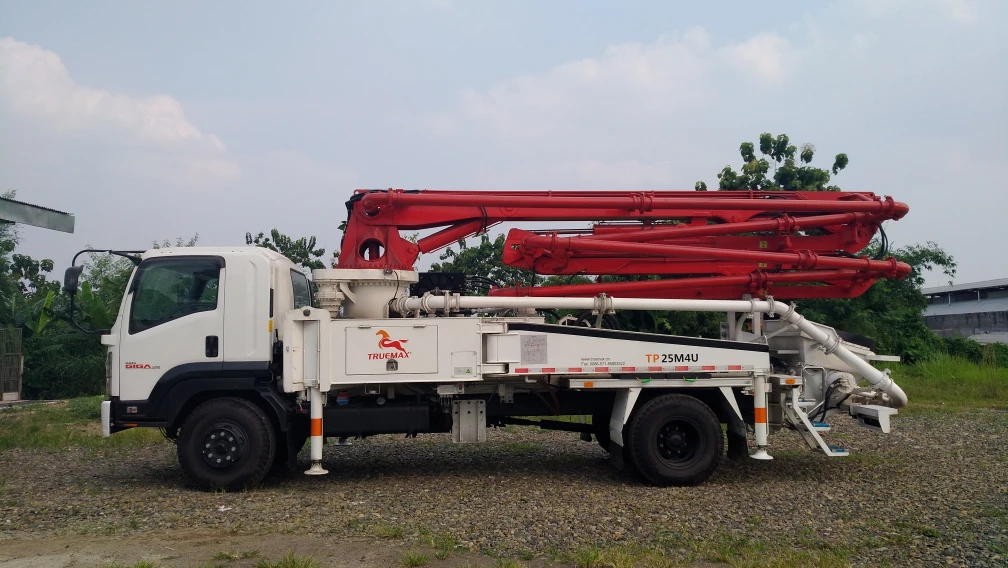
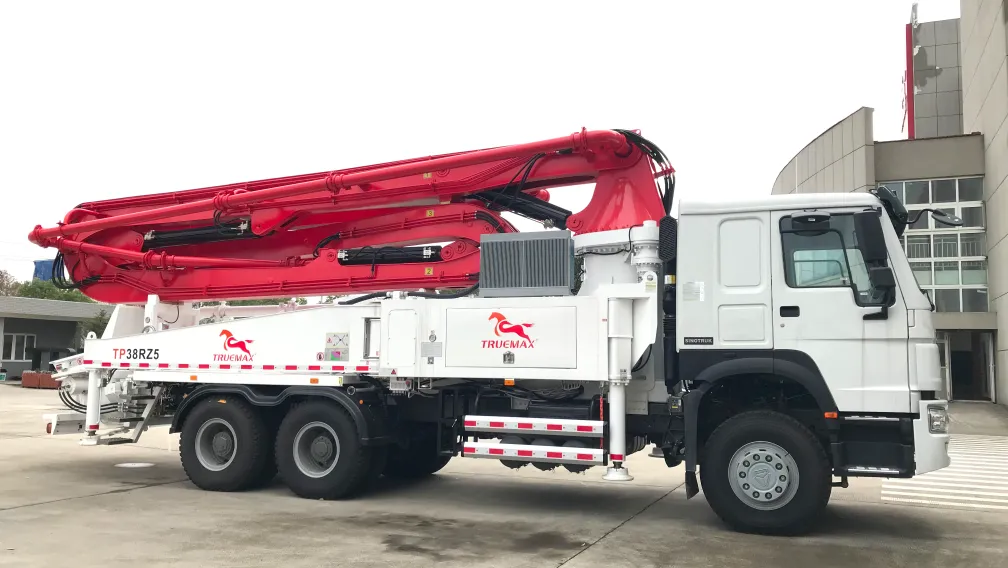
- Stability and proximity control on boom pumps: modern truck-mounted boom pumps already rely on outrigger load sensors and electronic stability interlocks; pairing these with perimeter awareness and logged telematics events closes the remaining safety gap
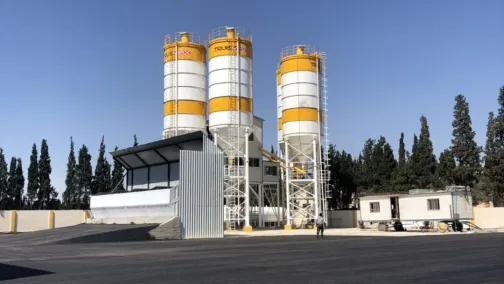
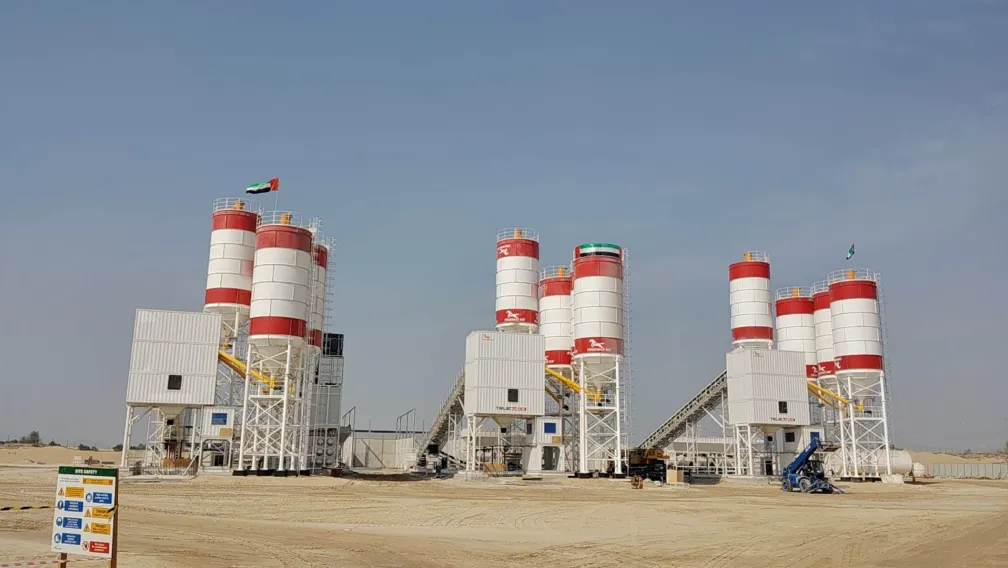
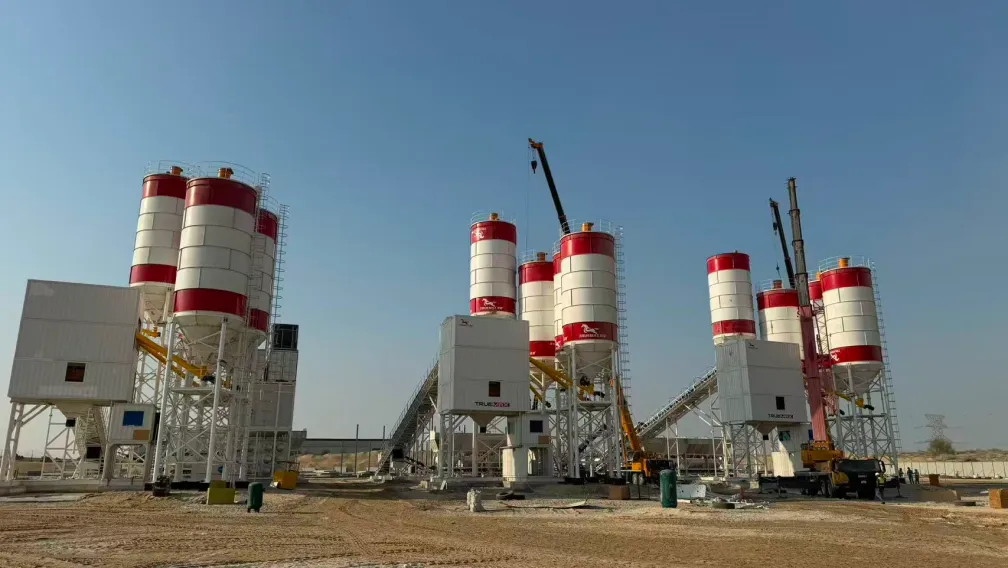
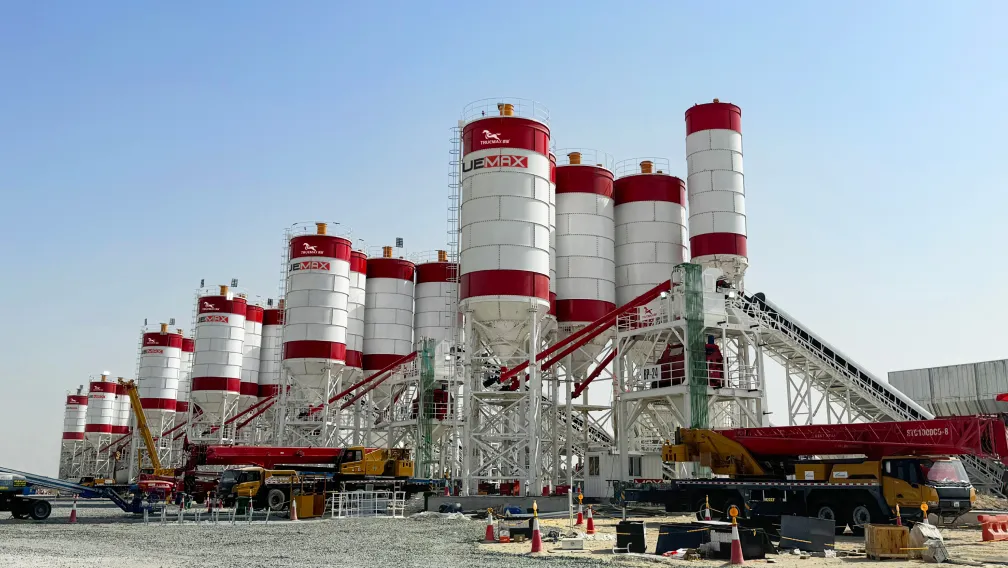
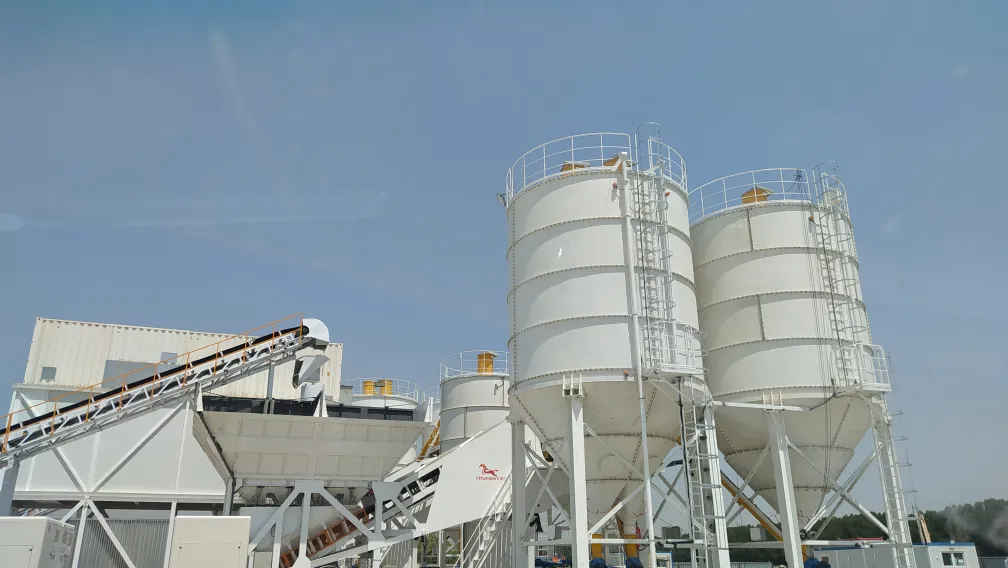
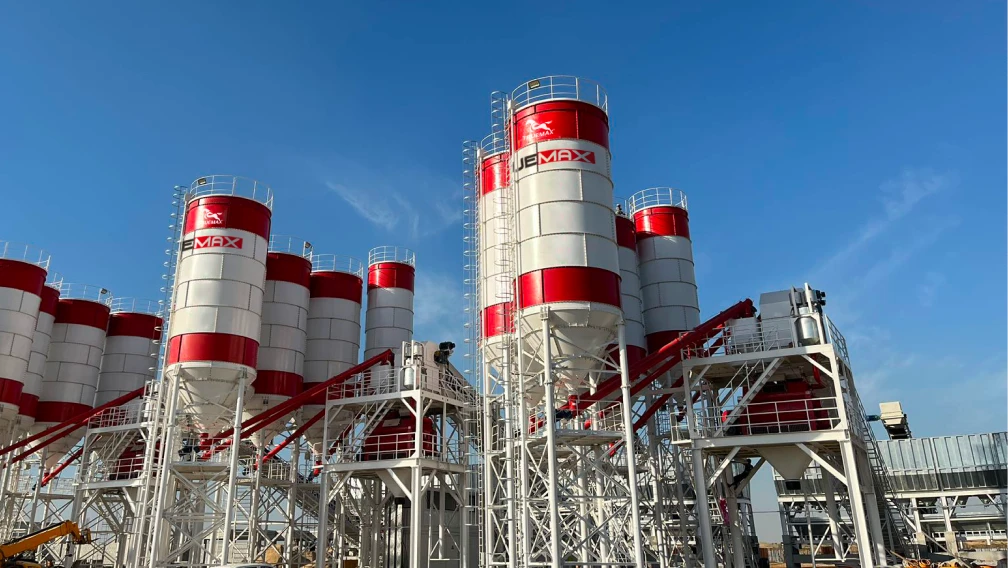
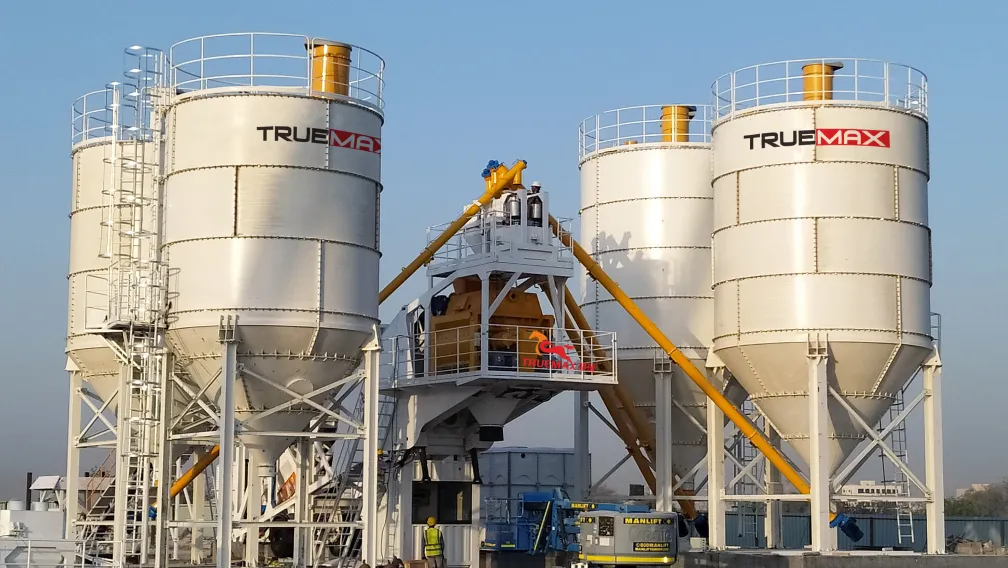
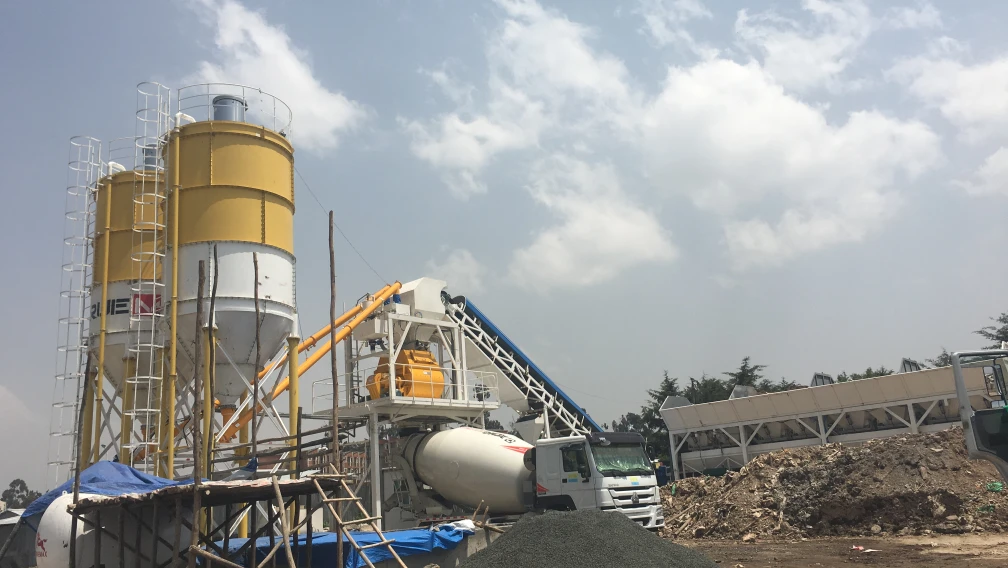
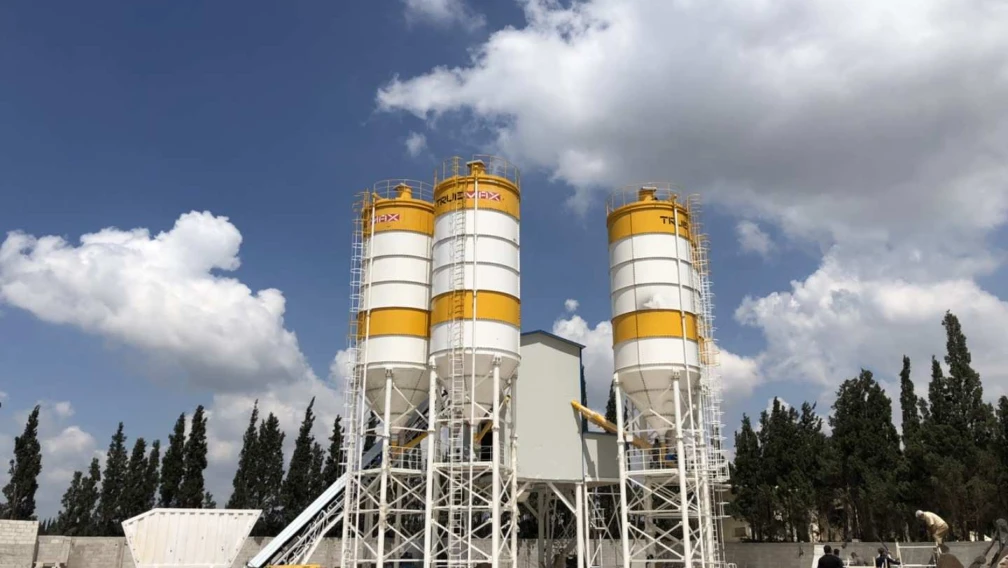
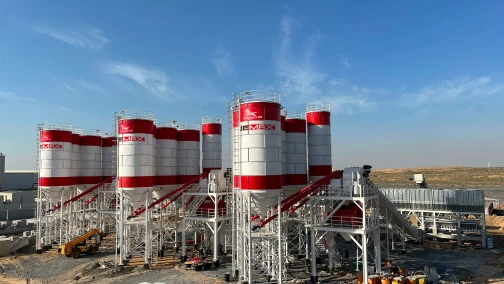
- Yard traffic at batching facilities: busy concrete batching plants combine wheel loaders feeding aggregate bins with continuous mixer truck queues, where standardized collision alerts cut yard incidents and insurance claims
6. Practical Takeaways for 2027 Procurement
Fleet managers preparing 2027 capital budgets should factor three realities into their RFPs. First, expect baseline machine pricing to reflect factory-fitted safety hardware, offset over time by lower retrofit costs, fewer incident stoppages and reduced insurance exposure. Second, verify data ownership and export formats: safety event logs only improve jobsite performance if fleet supervisors can review near-miss patterns without being locked out by proprietary subscriptions. Third, remember that hardware only works when operators trust it—false alarms in tight urban pours cause crews to mute or ignore alerts, making proper sensor calibration and operator coaching essential during commissioning.
7. Frequently Asked Questions
Q1: What did Caterpillar announce on November 16, 2026?
A: Caterpillar announced that collision warning and collision mitigation technologies will become standard factory equipment on the majority of new Cat construction machines throughout 2027, moving them from optional add-ons to baseline specifications.
Q2: What safety features are included in the standard rollout?
A: Depending on machine configuration, the systems combine radar and smart cameras with in-cab visual and audible alerts, Motion Inhibit to block reversing into hazards, Automatic Emergency Braking, and VisionLink cloud event logging.
Q3: Why are major contractors like Kiewit and VINCI supporting factory-standard safety tech?
A: Both contractors have invested heavily in retrofitting third-party proximity and pedestrian detection systems. Factory-standard fitment eliminates retrofit downtime, improves sensor integration with machine controls and speeds up consistent deployment across large fleets.
Q4: Are other equipment manufacturers offering similar collision avoidance systems?
A: Yes. John Deere launched SmartDetect Assist in February 2026, Komatsu offers KomVision with automated stop capabilities, and Volvo CE integrates Smart View and Obstacle Detection through Volvo Co-Pilot.
Q5: How does this trend affect concrete mixer trucks and boom pumps?
A: Concrete pours involve dense ground crews and frequent reversing maneuvers. Fleet buyers are increasingly specifying 360-degree cameras, rear proximity radar, outrigger stability interlocks and telematics safety logs on mixer trucks, boom pumps and batching yard loaders.
Q6: What should buyers check before ordering machines with active safety systems?
A: Confirm whether the safety hardware is factory-integrated into the braking or hydraulic control system, verify how safety event data is accessed and exported, and plan operator training so crews trust and maintain the alerts on congested sites.
8. Building Safer, Compliant Concrete Fleets
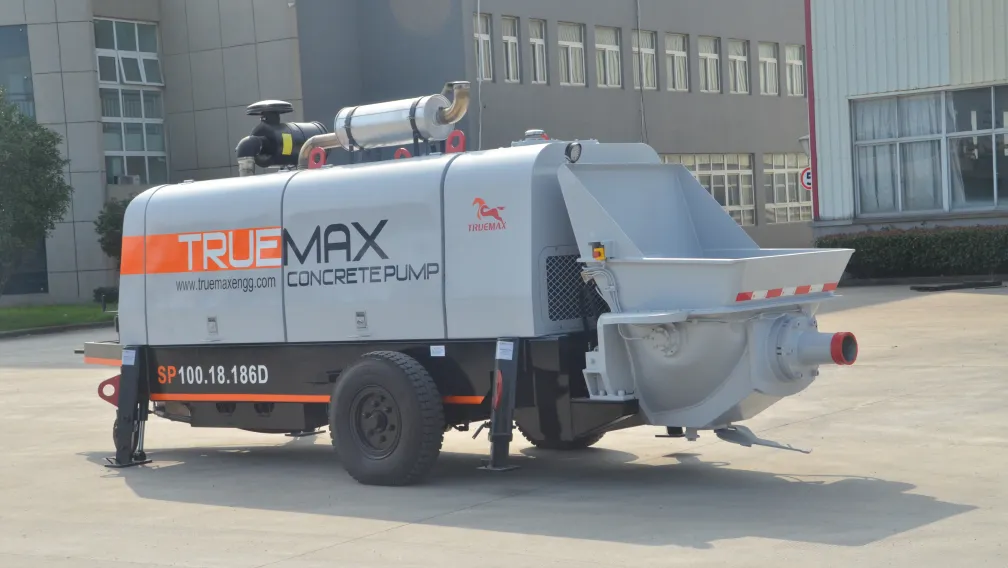
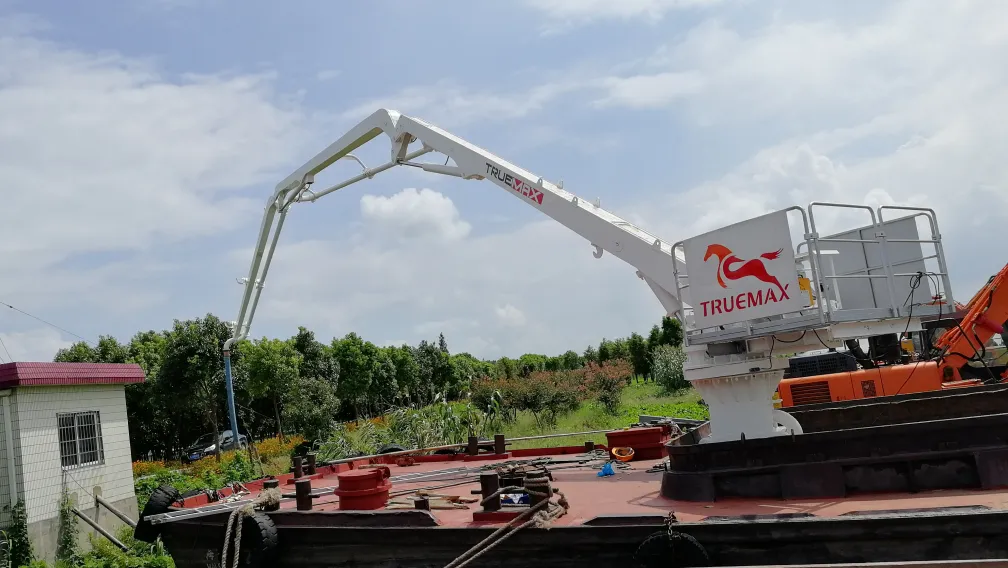
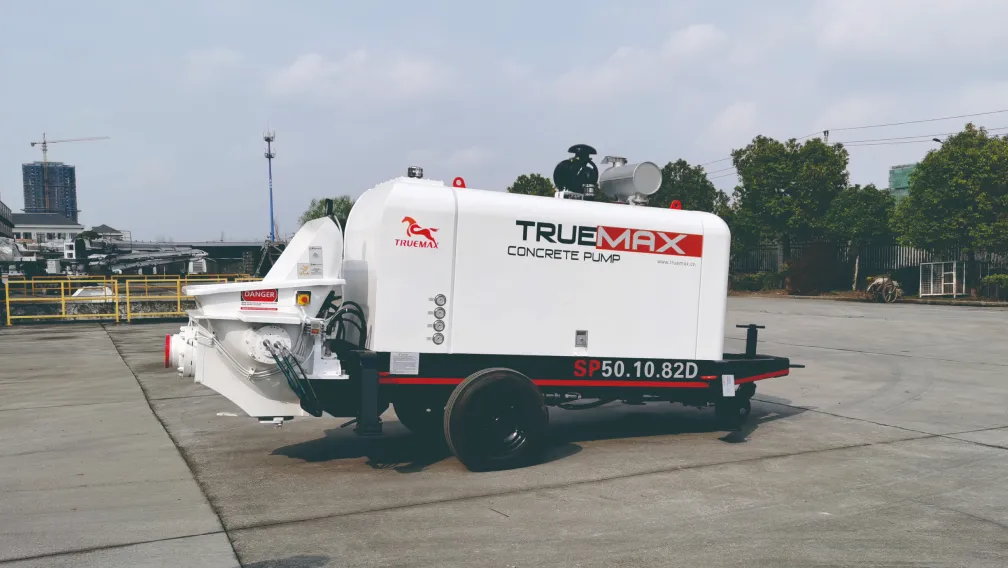
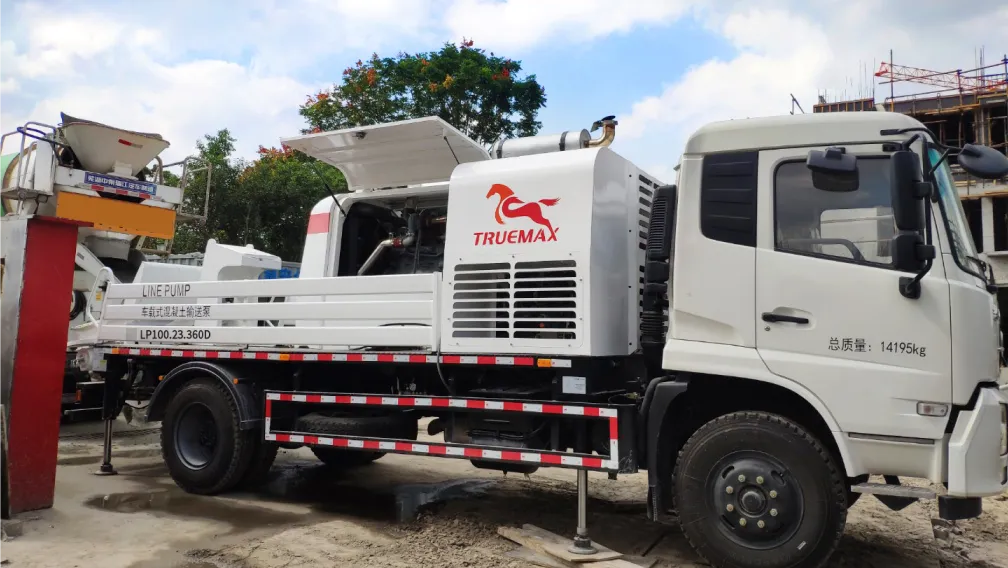
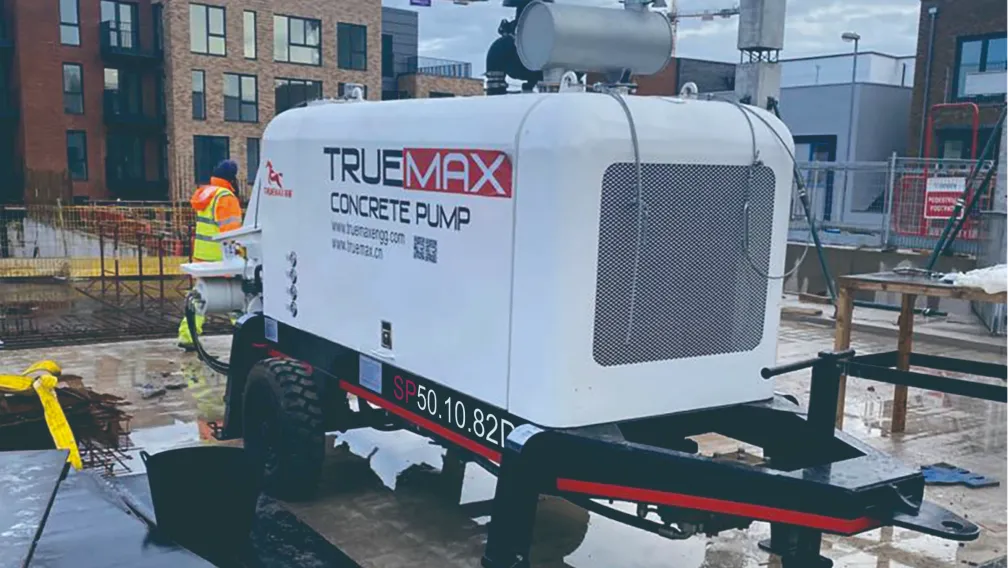
As active safety hardware shifts from optional upgrade to baseline expectation across global construction tenders, equipment buyers need concrete machinery engineered for both structural reliability and site compliance. TRUEMAX has supplied CE- and ISO 9001:2015-certified concrete batching plants, boom pumps, stationary pumps and truck mixers to more than 120 countries since 2003, with configurable camera suites, outrigger stability controls and remote diagnostics. Explore our project solutions or contact our engineering team to specify safety-ready concrete equipment for your 2027 fleet.
-

TrueMax
Concrete & Construction Equipment Manufacturer
Established in 2003, Truemax designs, manufactures, and delivers concrete pumping equipment, crushing machinery, and construction hoisting systems from our own factory in Haining, China to jobsites in over 120 countries.