

 LANGUAGE

1. Market Correction: Ocean Freight Rates Stabilize in Late 2026
The global maritime logistics sector is experiencing a sustained market correction as the fourth quarter of 2026 unfolds. Following 18 months of severe volatility characterized by vessel shortages, port congestion, and artificially inflated spot rates on major East-West trade lanes, the global container freight index has definitively softened. Ocean carriers have injected substantial new vessel capacity—ordered during the pandemic boom—into active service, fundamentally rebalancing the supply-demand equation. The resolution of earlier geopolitical bottlenecks that forced prolonged vessel rerouting around the Cape of Good Hope has allowed transit schedules to normalize across the Suez Canal and Red Sea corridors. This stabilization of base ocean freight rates presents a critical window of opportunity for international contractors and procurement directors engaged in heavy machinery acquisition. Lower transit costs directly reduce the barrier to capital expenditure on vital construction assets, altering the financial calculus for mega-projects entering their procurement phases in 2027.
2. The Impact on Out-of-Gauge (OOG) and Flat Rack Shipping
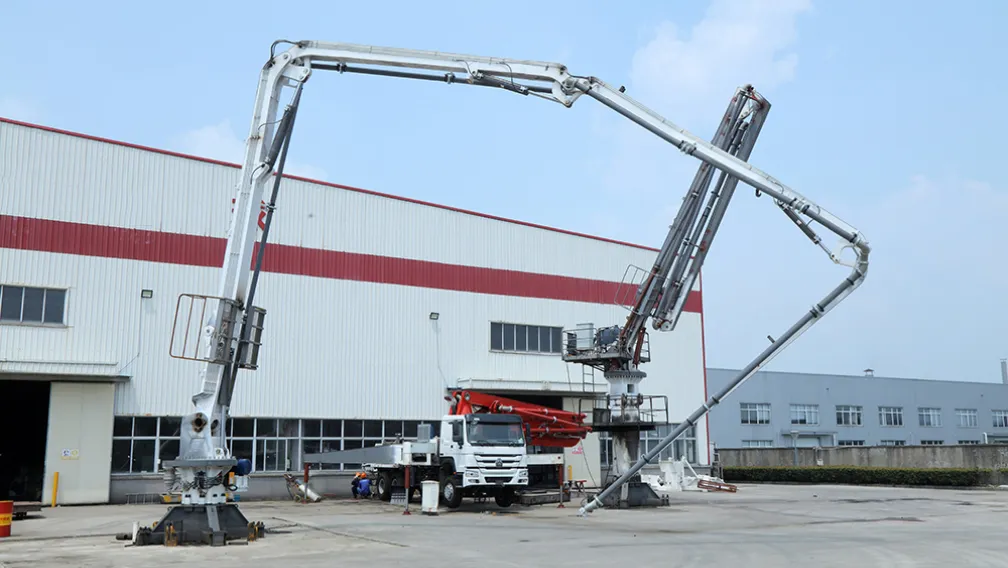
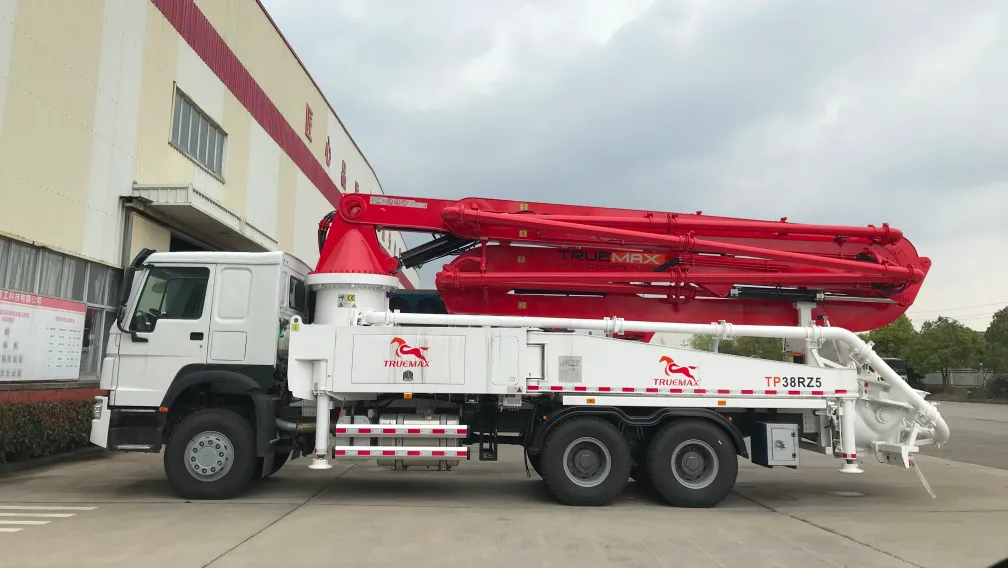
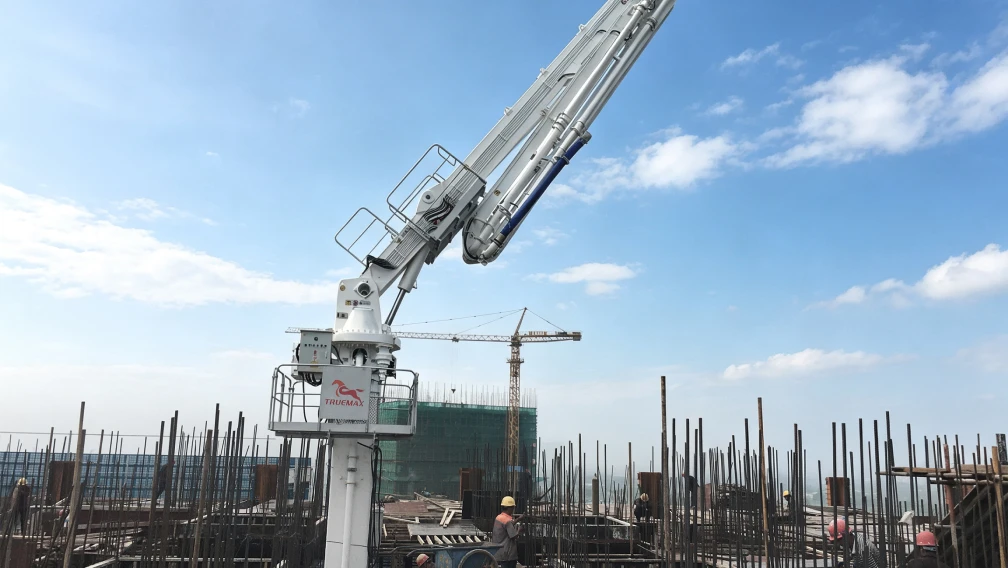
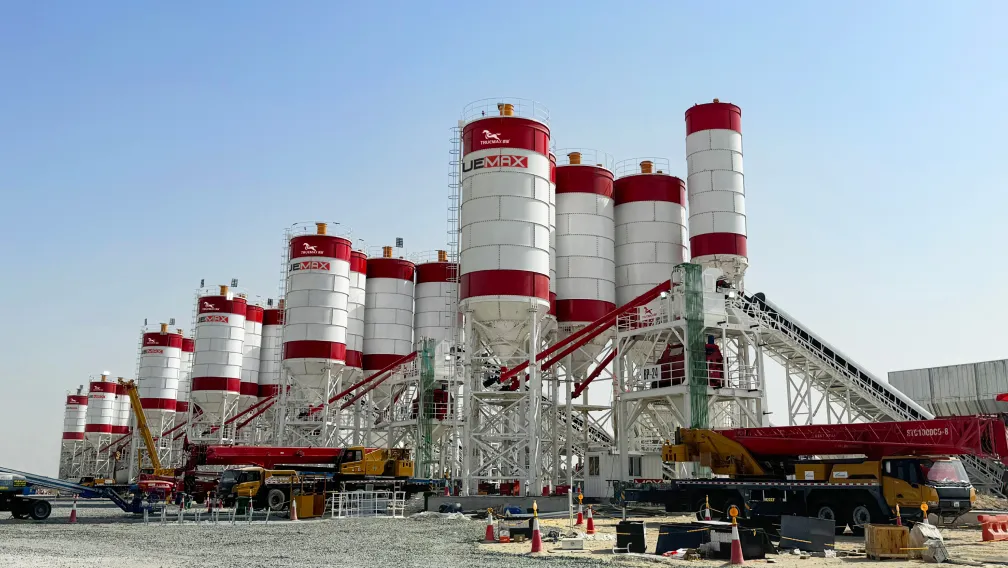
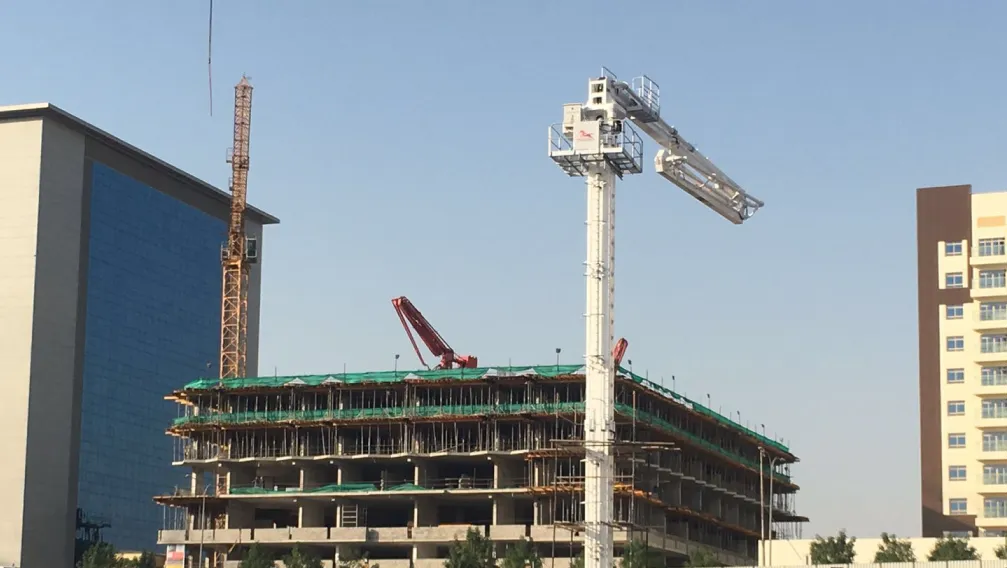
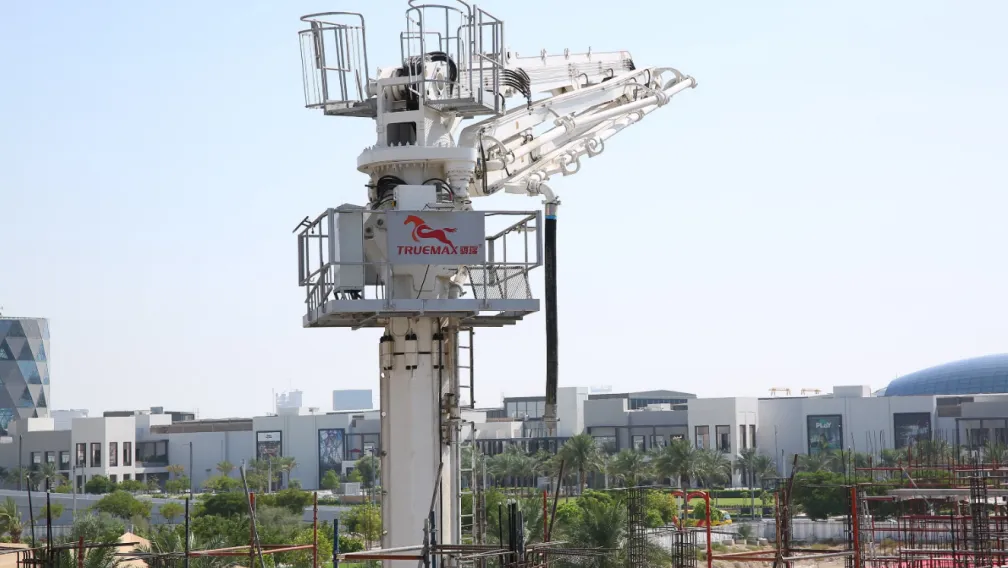
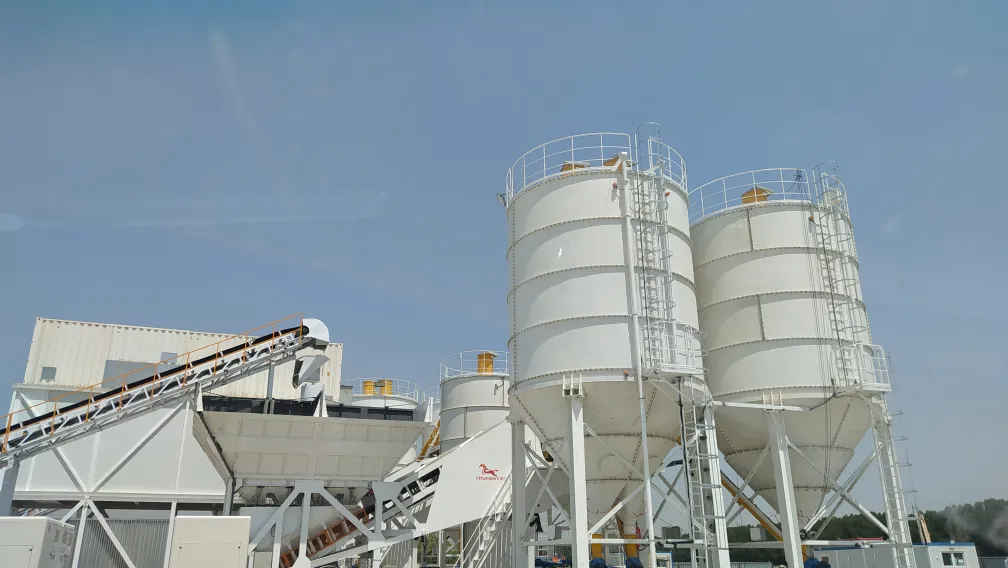
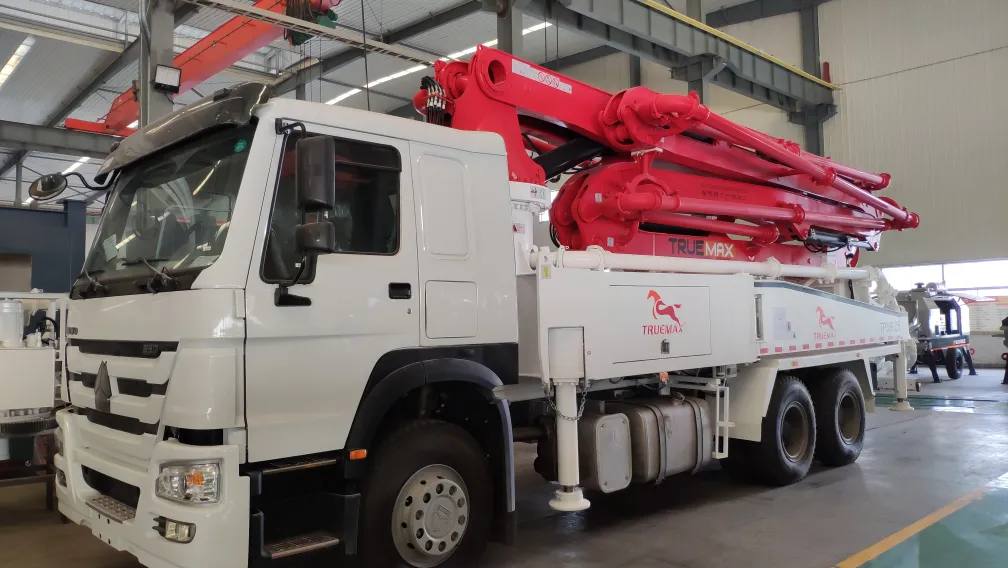
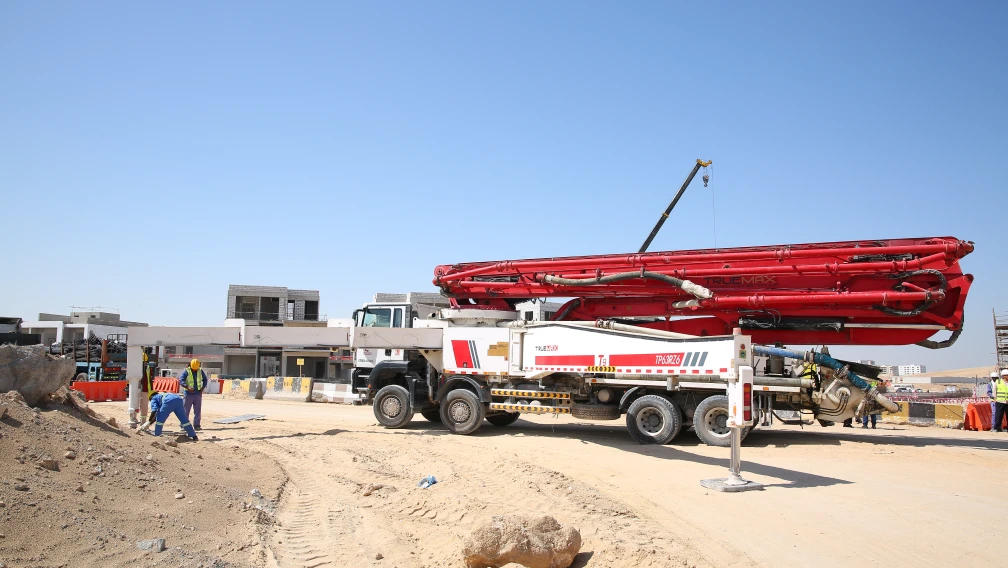
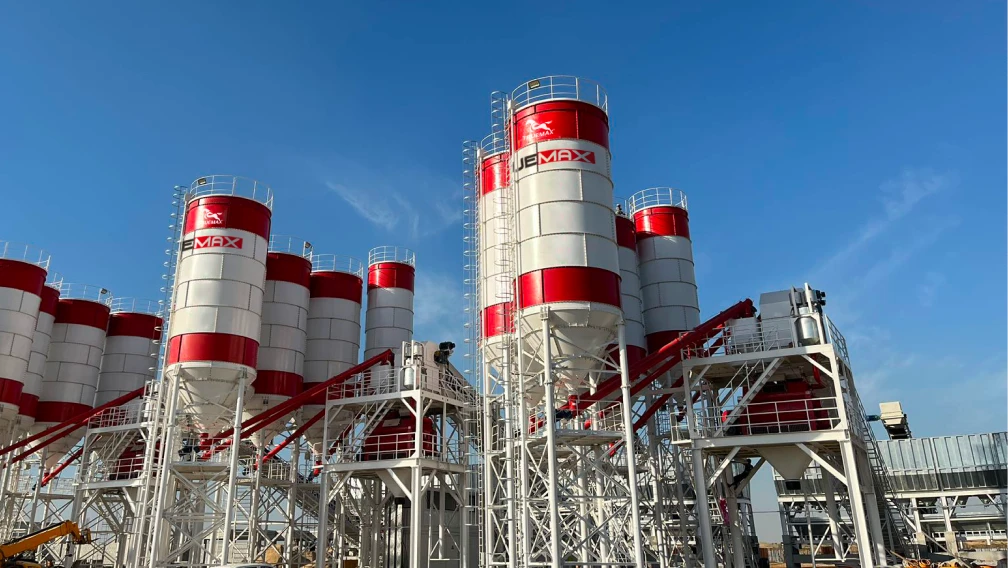
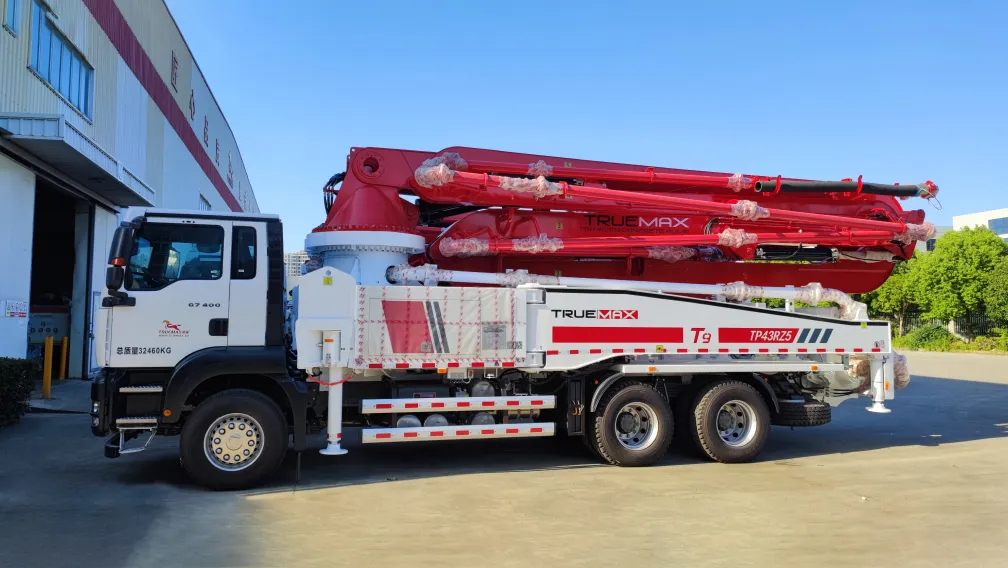
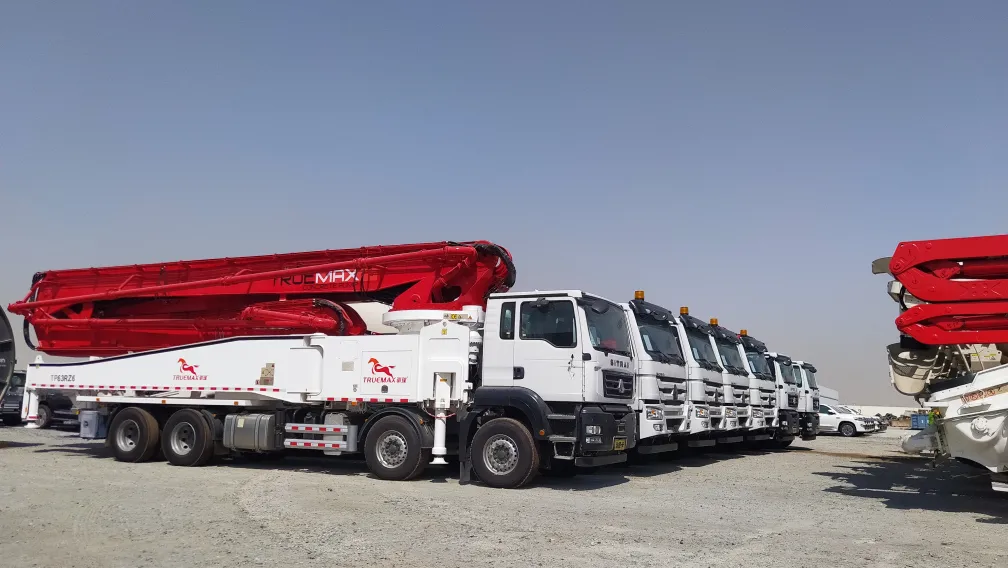
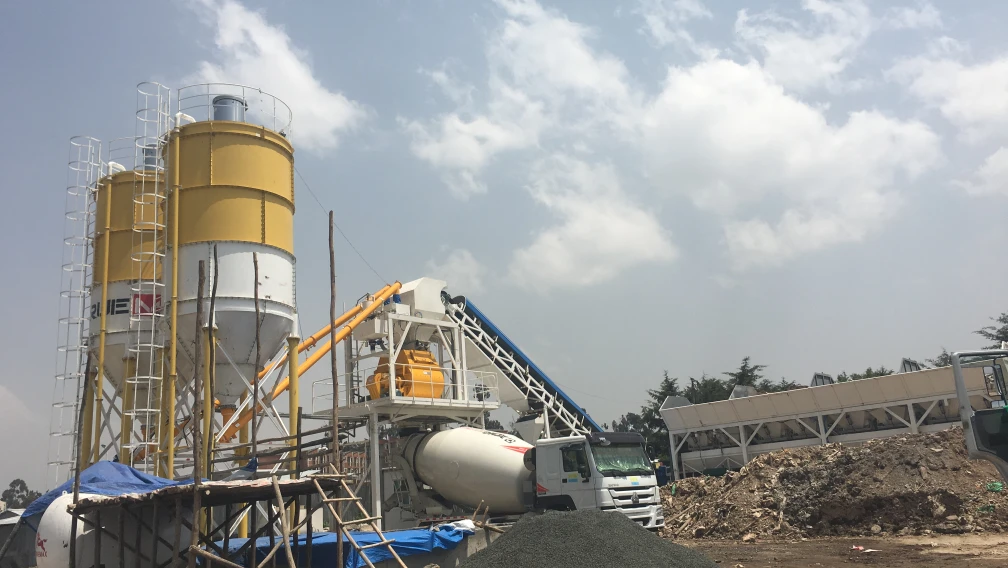
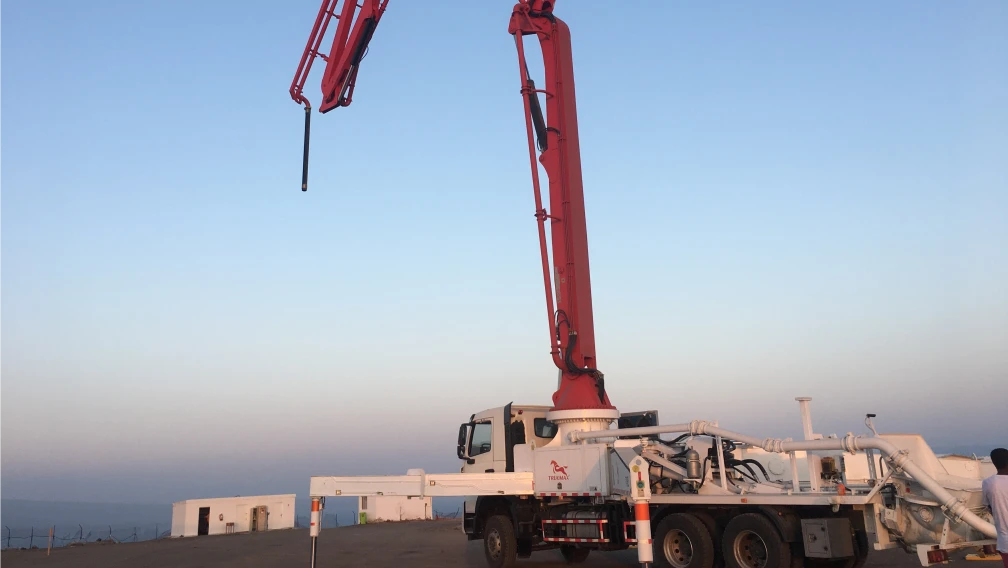
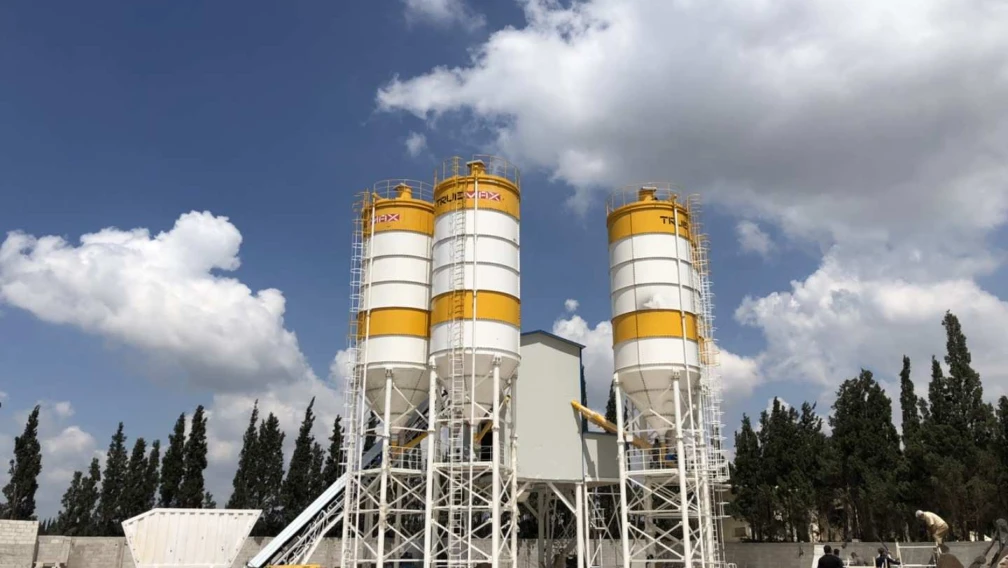
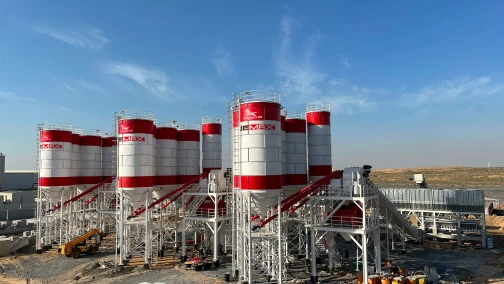
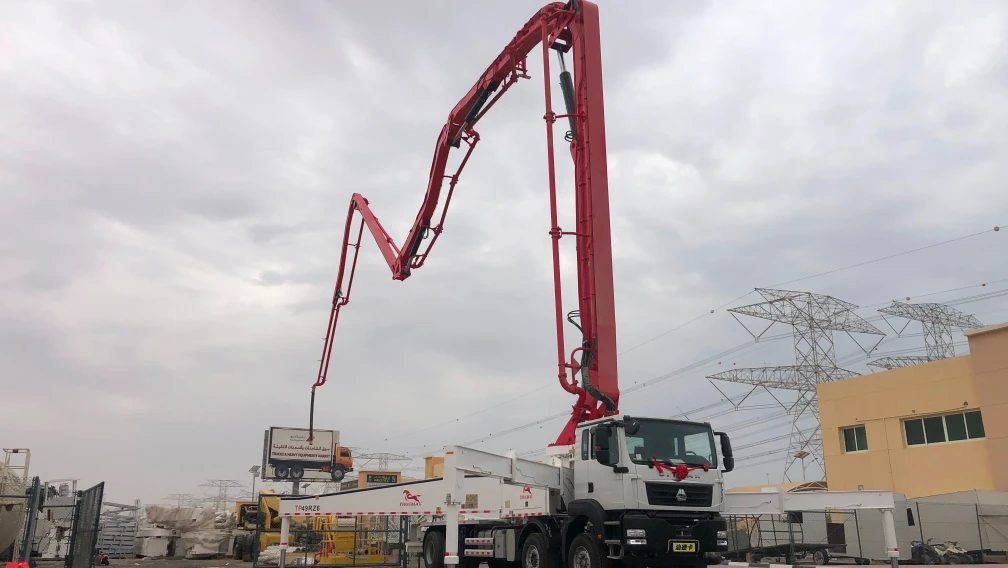
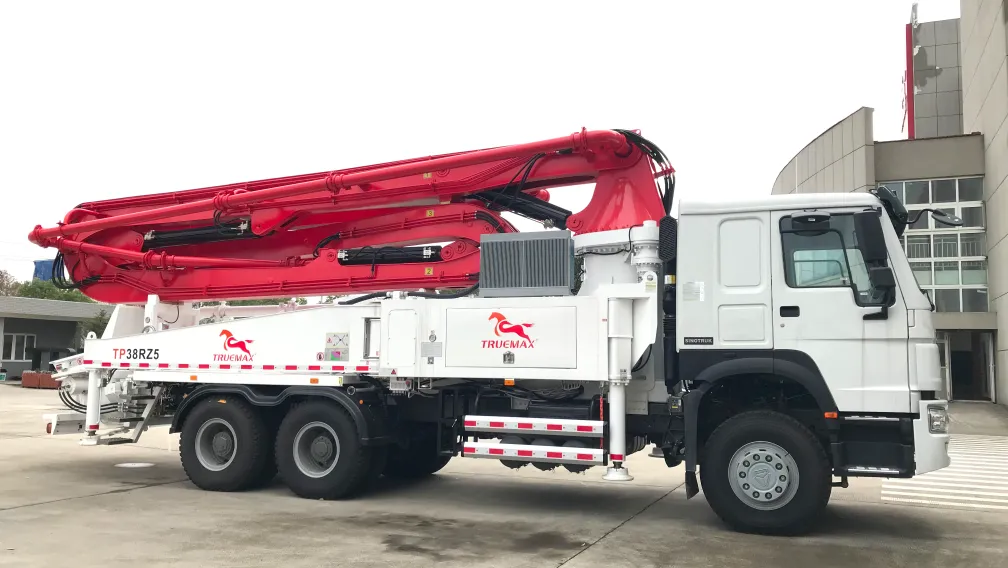
While the decline in standard 40-foot High Cube (HC) container rates dominates mainstream financial reporting, the secondary effect on Out-of-Gauge (OOG) cargo is where heavy equipment buyers realize the most profound financial benefit. Concrete machinery, specifically large truck-mounted boom pumps and modular concrete batching plants, rarely fits within the spatial constraints of standard dry containers. These assets require Flat Rack (FR) or Open Top shipping solutions. During the peak congestion periods earlier in the year, shipping lines ruthlessly prioritized high-yield standard containers, imposing exorbitant "lost slot" surcharges on OOG cargo that protruded beyond the physical dimensions of the Flat Rack.
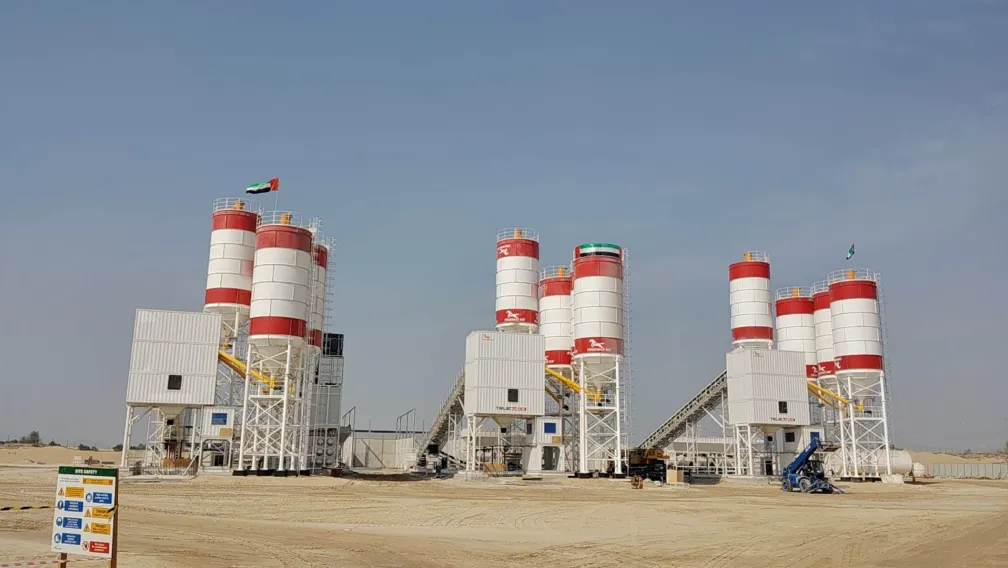
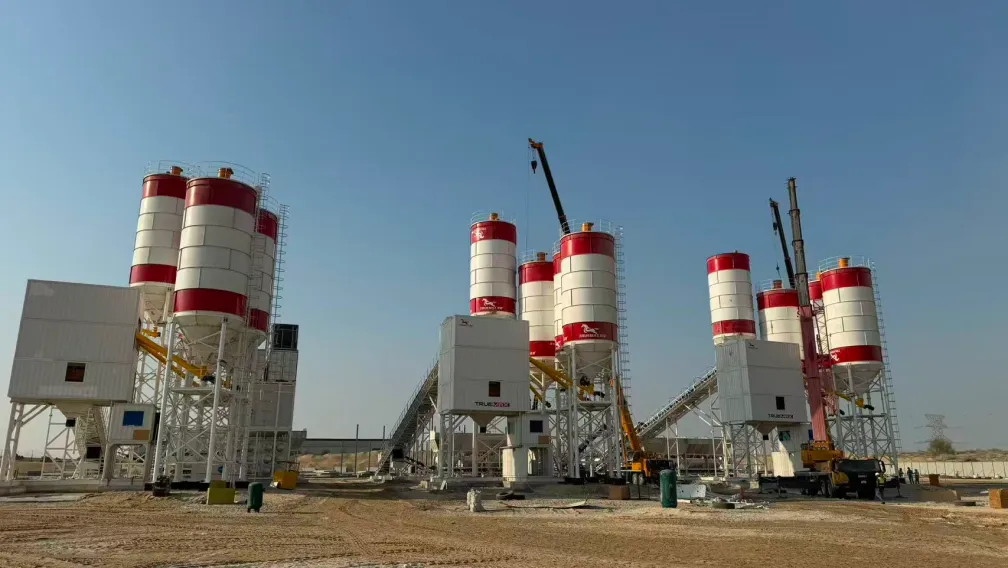
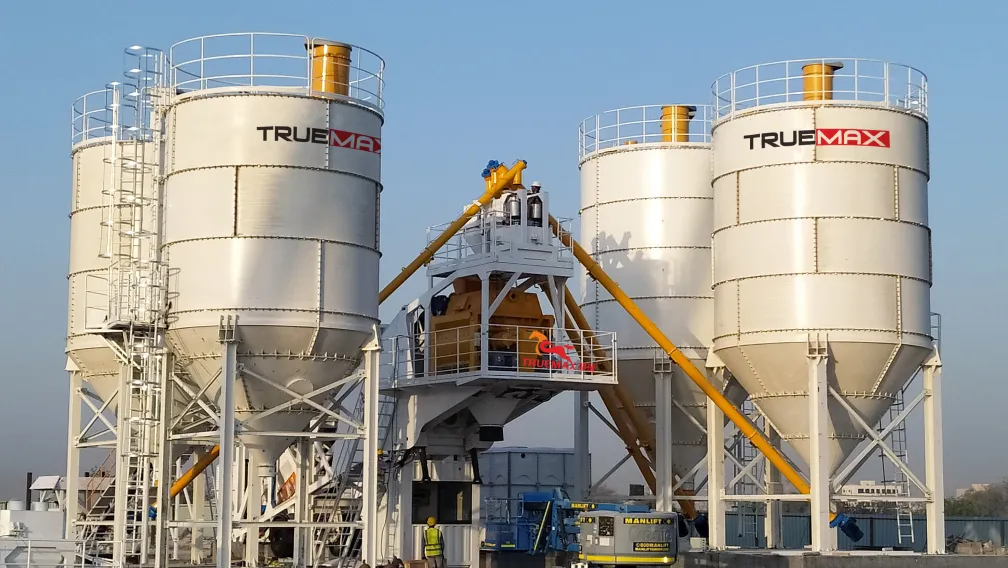
In Q4 2026, the surplus of cellular container ship capacity has forced carriers to actively court OOG cargo to maximize deck utilization. The penalizing surcharges for over-width and over-height cargo have contracted significantly. For buyers in the Middle East, North Africa, and South America importing concrete pumps from China, the total landed cost of a Flat Rack shipment has decreased by as much as 15% to 25% compared to mid-year highs. This reduction in the logistical premium makes high-capacity, heavy-duty machinery far more competitive on a delivered basis. Contractors can now allocate funds previously consumed by shipping surcharges toward upgrading machine specifications, such as opting for larger boom reaches or higher-pressure stationary pumps.
3. Roll-on/Roll-off (RoRo) Capacity Bottlenecks Begin to Ease
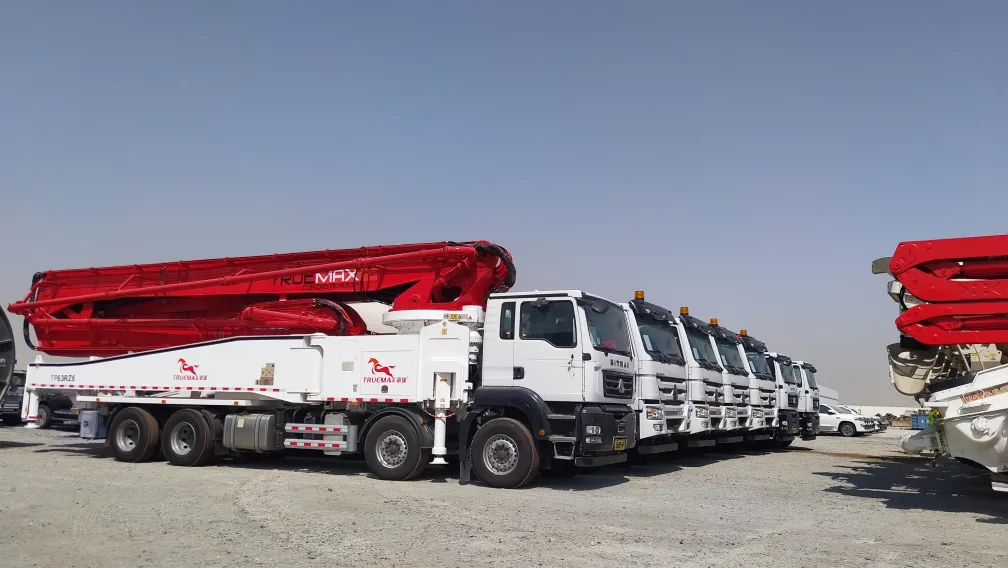
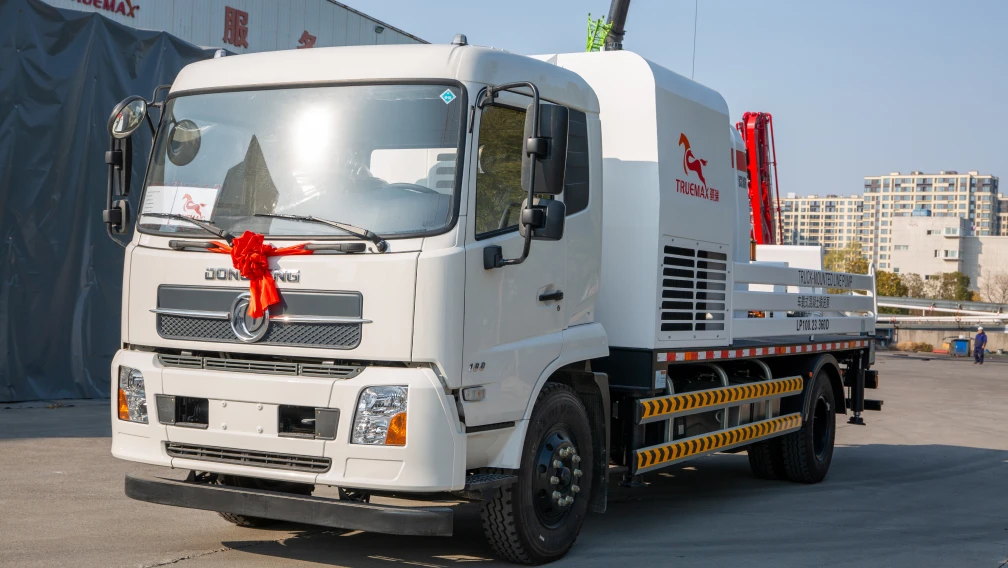
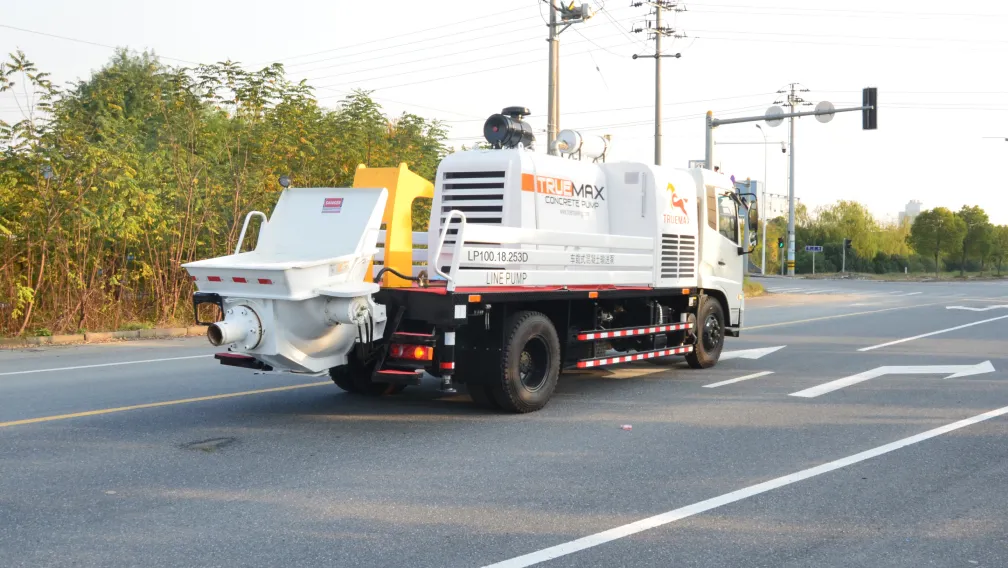
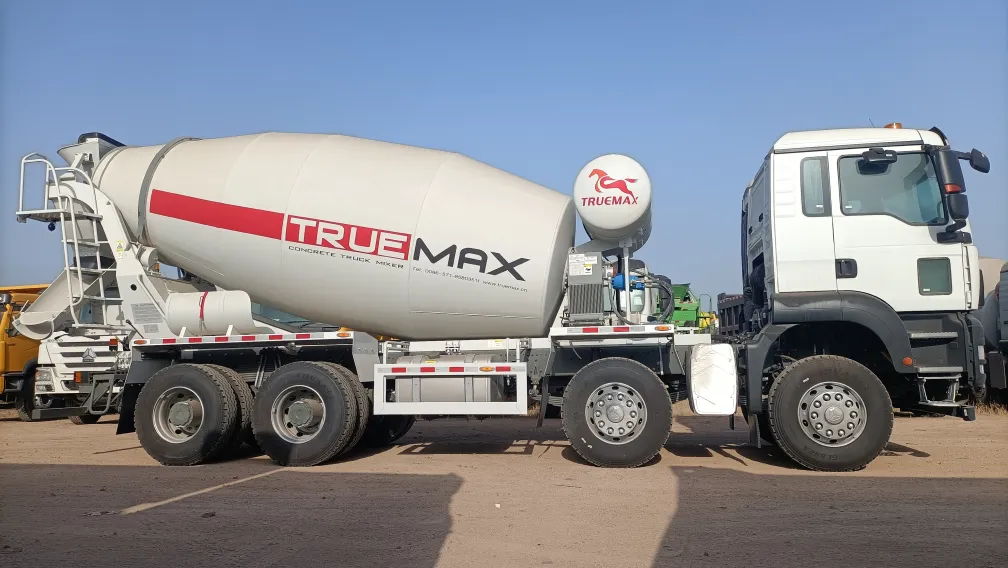
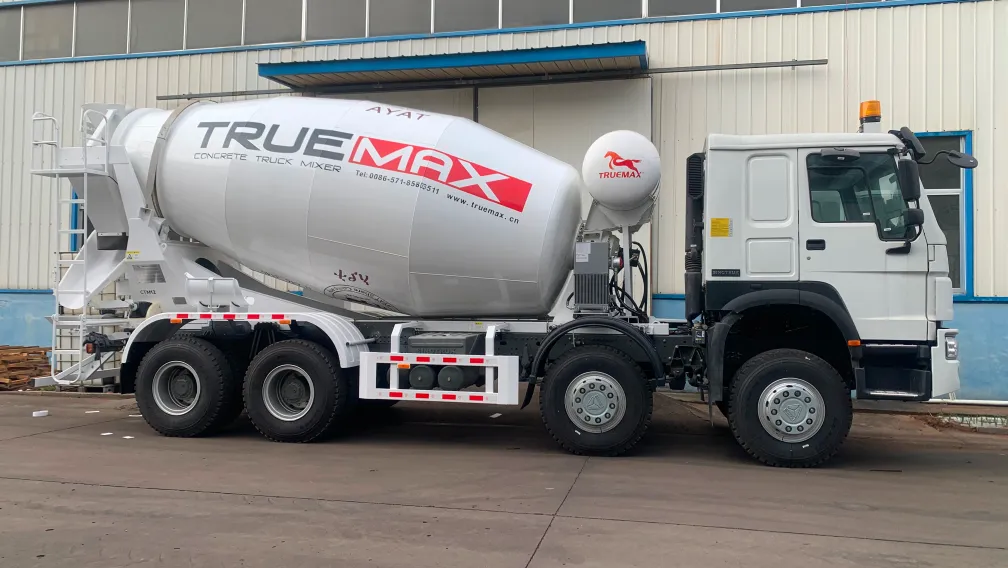
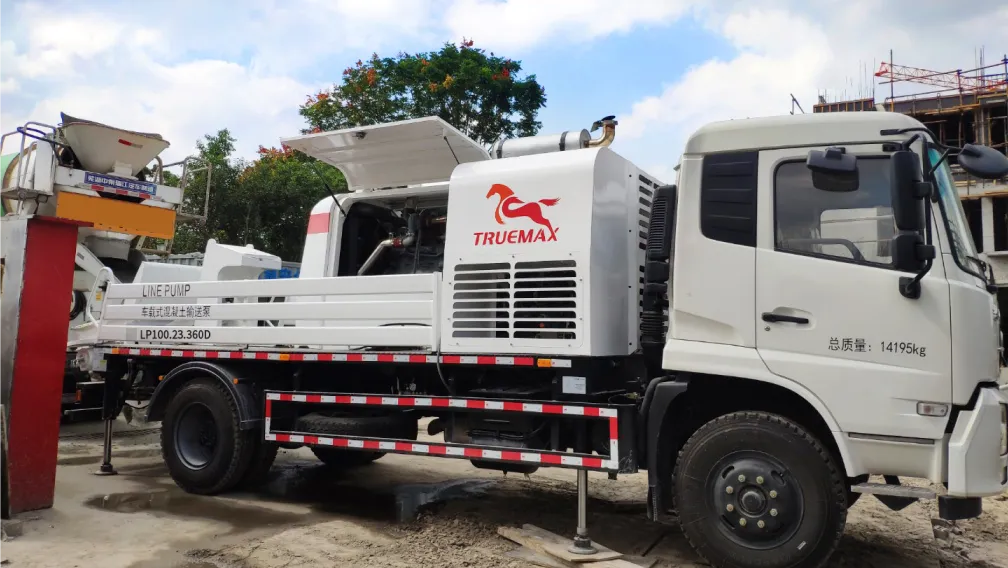
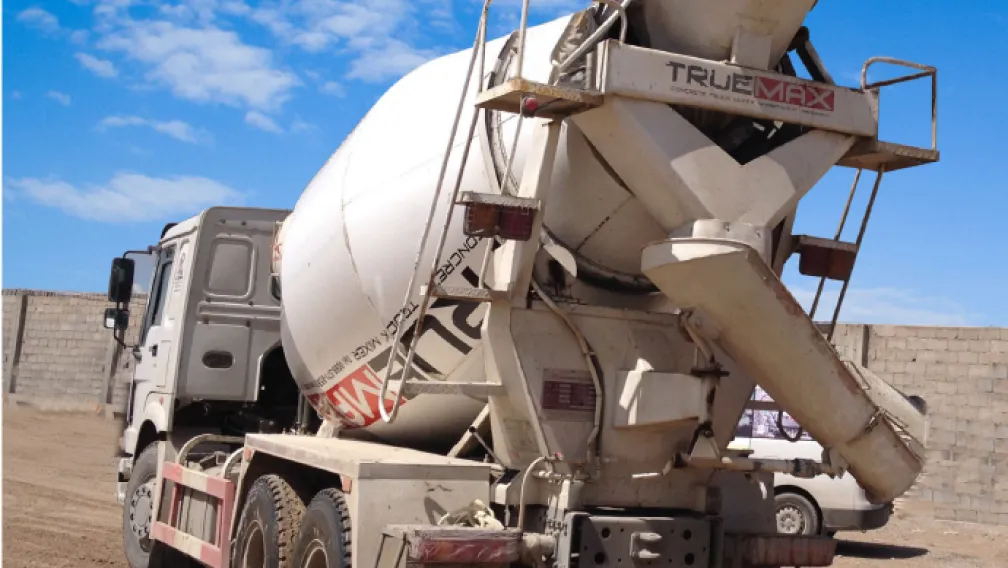
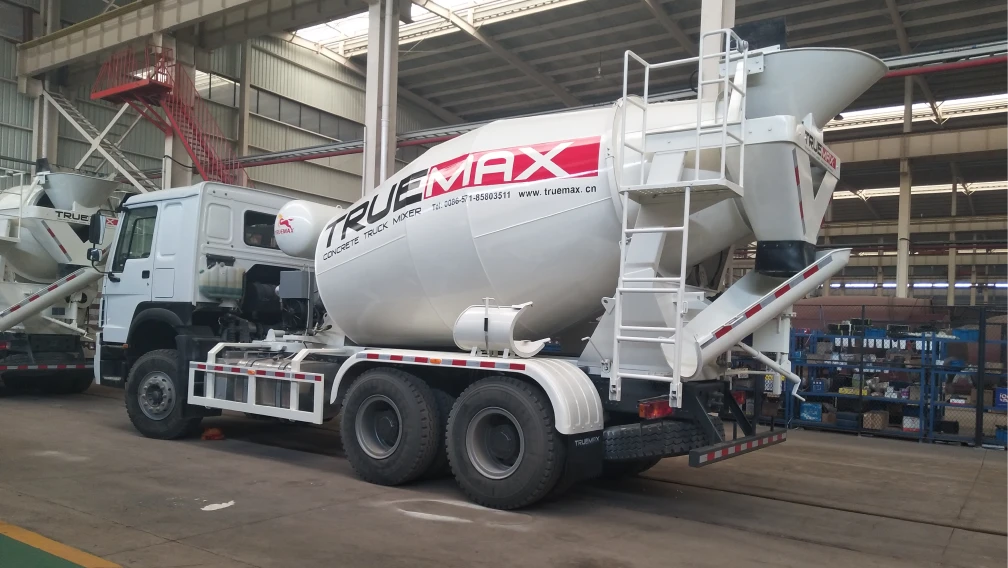
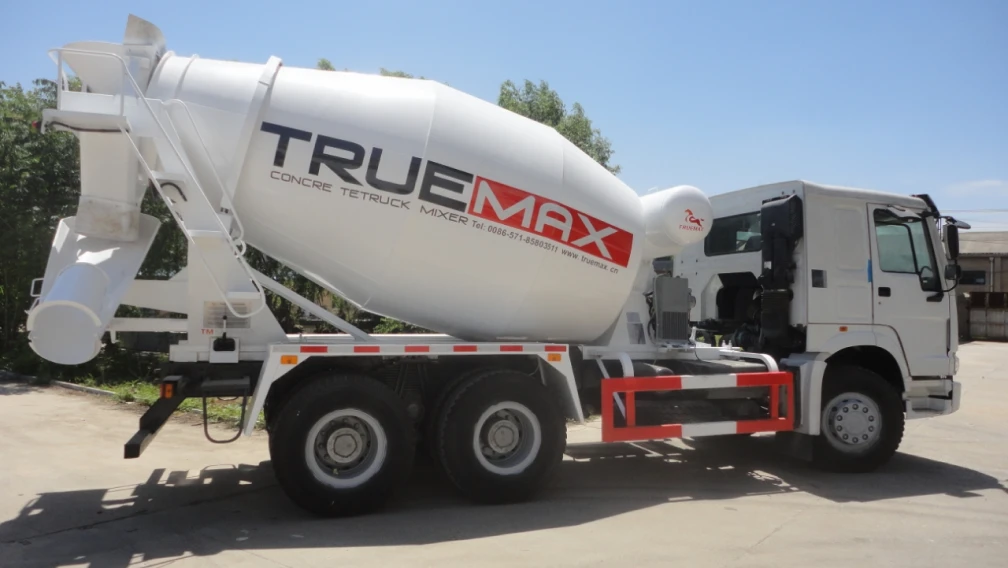
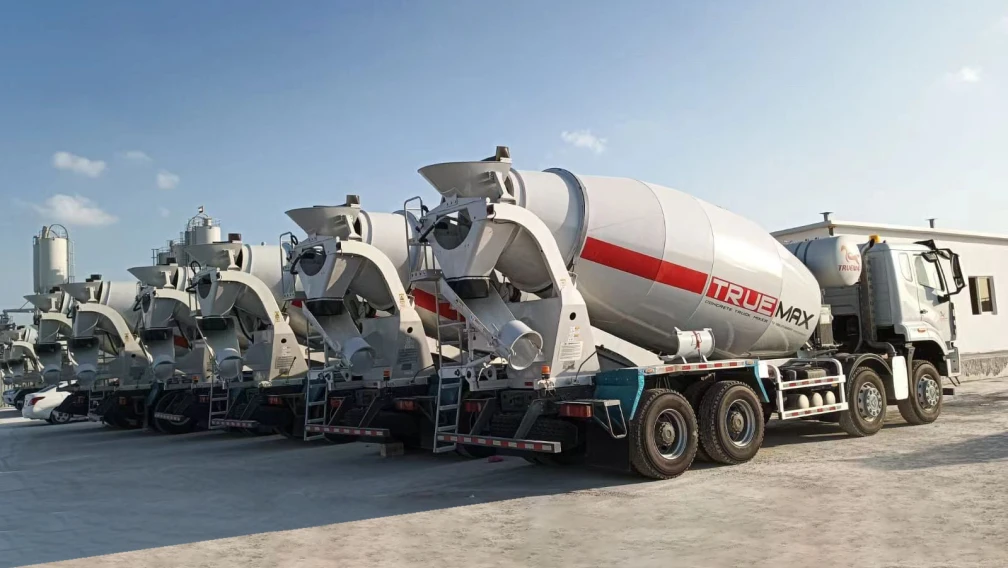
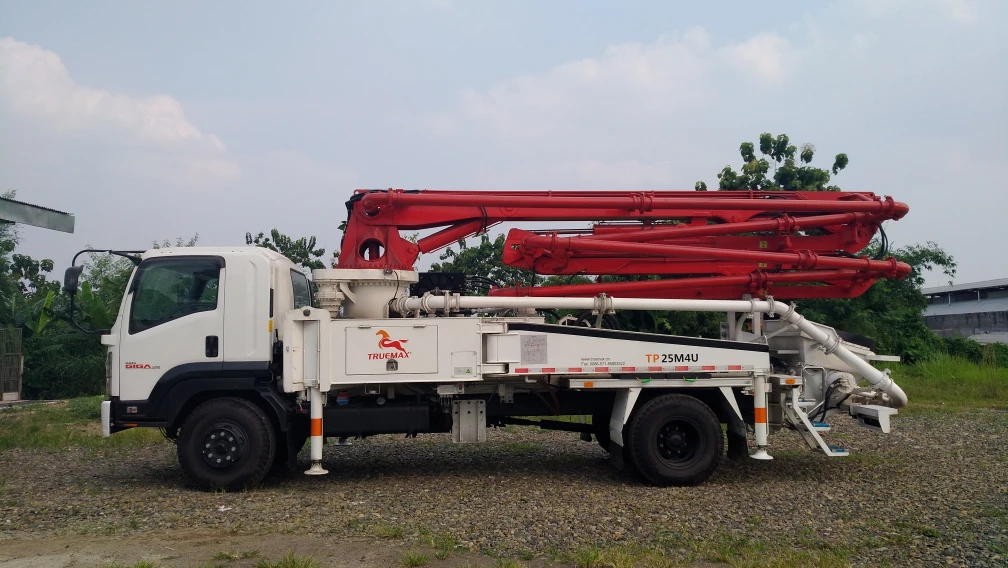
The Roll-on/Roll-off (RoRo) sector, the preferred maritime transport method for wheeled construction vehicles like concrete truck mixers and mobile line pumps, operated under severe capacity constraints throughout much of 2025 and early 2026. The aggressive global export volume of electric vehicles (EVs) monopolized available RoRo deck space, pushing heavy machinery manufacturers to the back of the queue and driving freight rates to historic highs. Data from October 2026 indicates that this bottleneck is slowly easing. Dedicated heavy-lift and Pure Car and Truck Carrier (PCTC) operators have optimized their route networks, and the initial frenzy of EV stockpiling in European and Middle Eastern destination markets has moderated.
While RoRo rates have not plummeted as dramatically as cellular container rates, the availability of deck space has vastly improved. Equipment buyers no longer face the prospect of waiting 60 to 90 days simply to secure a booking on a vessel departing from major Asian manufacturing hubs. This improved scheduling reliability is critical for civil engineering consortiums that operate on rigid project timelines, where a delayed concrete pump delivery can halt a multimillion-dollar foundation pour. The ability to forecast precise delivery windows restores confidence in international procurement strategies.
4. Strategic Shifts in Equipment Procurement Timing
The current macroeconomic alignment of stabilized steel prices and declining ocean freight rates creates a highly favorable procurement environment for heavy construction machinery. Savvy international contractors are abandoning the "just-in-time" equipment rental models that proved highly vulnerable to supply chain shocks in previous years. Instead, there is a strategic shift toward direct asset acquisition and fleet ownership.
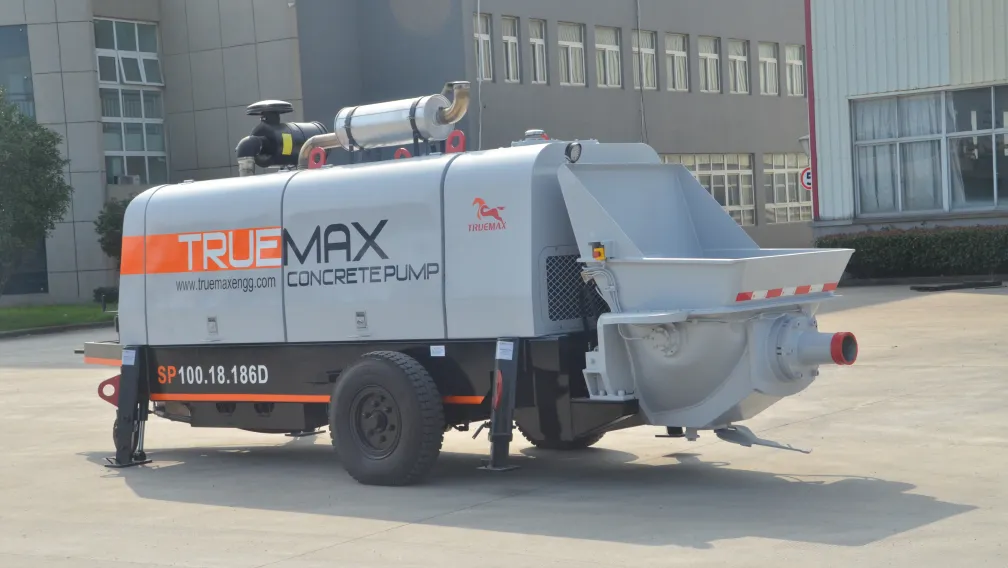
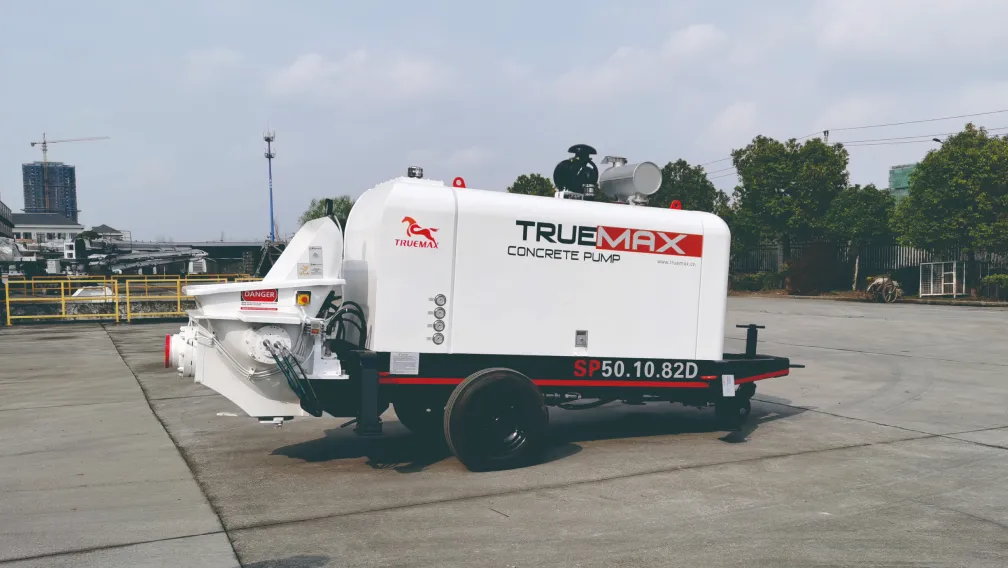
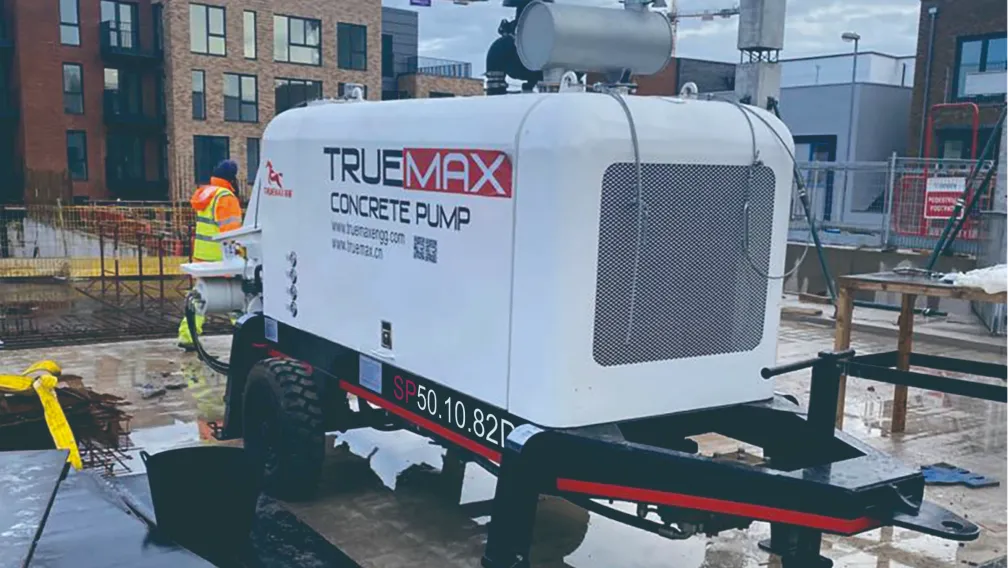
By leveraging the lower freight costs available in Q4 2026, contractors are securing orders for high-pressure stationary concrete pumps and heavy-duty batching plants well in advance of their 2027 project mobilization dates. This proactive strategy locks in the capital expenditure at a lower total landed cost and insulates the contractor from potential freight market rebounds that could occur if global trade volumes spike unexpectedly in the new year. Procurement directors are structuring contracts that stipulate immediate manufacturing but delay physical shipping until the optimal freight rate window is identified by the supplier's logistics team.
5. Navigating Customs and Destination Port Congestion
While the maritime transit phase has become more efficient, localized friction at destination ports remains a variable that requires meticulous management. Increased import volumes driven by lower freight rates can overwhelm customs clearing infrastructure in rapidly developing markets. Heavy machinery often faces rigorous import compliance checks, particularly concerning engine emission certifications, chassis homologation, and phytosanitary clearance (ISPM 15) for any wooden dunnage used during Flat Rack lashing.
To capitalize on the current freight savings without incurring devastating demurrage and storage penalties at the destination port, buyers must ensure flawless documentation. Original Bills of Lading, commercial invoices, and detailed packing lists must perfectly match the physical specifications of the imported concrete equipment. Engaging a specialized heavy-lift customs broker prior to the vessel's departure remains a mandatory best practice to ensure the machinery moves seamlessly from the port terminal to the active job site. Discrepancies as minor as a mismatched chassis VIN number on the manifest can result in weeks of port detention.
6. Marine Protection Protocols for Heavy Machinery
The financial advantage of lower freight rates is instantly negated if the equipment arrives severely damaged by the marine environment. Flat Rack shipping exposes high-value concrete machinery directly to saltwater spray, high humidity, and ultraviolet radiation for weeks. Unlike RoRo shipping, which shelters the vehicle inside the hull, Flat Rack transit demands aggressive anti-corrosion protocols executed at the port of origin.
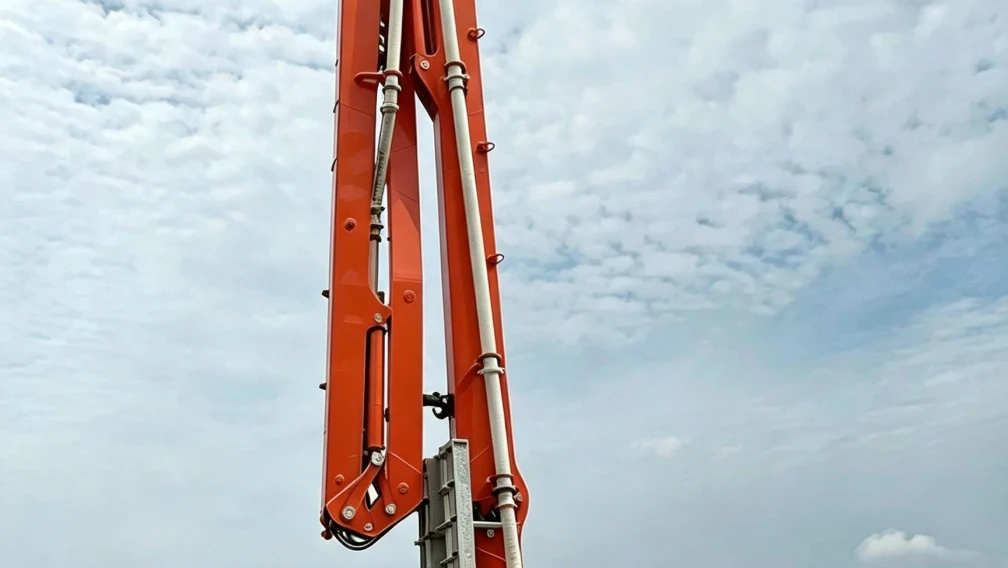
Buyers must mandate that their suppliers apply heavy-duty marine wax or Cosmoline to all exposed hydraulic cylinder rods on placing booms and pumping units. The operator cabin, electrical control panels, and remote control modules must be hermetically sealed in shrink wrap containing Volatile Corrosion Inhibitors (VCI). Exhaust stacks must be capped to prevent saltwater intrusion into the engine block. The cost of replacing saltwater-pitted hydraulic seals on a new boom pump far exceeds the initial investment in rigorous pre-shipment marine packaging.
7. Frequently Asked Questions
Q1: Why are Flat Rack shipping rates dropping in Q4 2026?
A: The influx of new container vessels ordered during the pandemic has created a surplus of capacity. Shipping lines are dropping "lost slot" surcharges to attract Out-of-Gauge (OOG) cargo, resulting in a 15% to 25% reduction in total landed costs for heavy machinery.
Q2: How does RoRo shipping differ from Flat Rack for concrete pumps?
A: RoRo (Roll-on/Roll-off) involves driving the truck directly into the enclosed hull of a specialized vessel, offering protection from the elements and avoiding crane lifting. Flat Rack shipping places the equipment on an open platform on a container ship, exposing it to marine weather and requiring heavy crane lifting at both ports.
Q3: Why was RoRo shipping space so difficult to secure earlier in the year?
A: The massive global export volume of electric vehicles (EVs) consumed almost all available deck space on Pure Car and Truck Carriers (PCTCs). This bottleneck is now easing, reducing wait times for heavy machinery bookings.
Q4: What is ISPM 15 and why does it matter for machinery imports?
A: ISPM 15 is an international phytosanitary standard. Any raw wooden materials used to brace or lash heavy machinery on a Flat Rack must be heat-treated or fumigated and stamped to prove they are free of pests. Failing to provide this certification will cause customs to detain the entire shipment.
Q5: How can buyers protect equipment shipped on an open Flat Rack?
A: Buyers must require the supplier to apply anti-corrosion marine wax to all exposed hydraulic rods, seal electrical panels in VCI shrink wrap, cap engine exhausts, and board up vulnerable cabin glass to prevent damage from saltwater and wind.
Q6: Should contractors buy equipment now for 2027 projects?
A: Yes, taking advantage of the current dip in ocean freight rates allows contractors to lock in lower total landed costs. Waiting until project mobilization risks exposure to sudden freight rate spikes or renewed vessel capacity shortages.
8. Truemax Export Logistics Support
Navigating global shipping dynamics requires a partner with deep logistical expertise and established maritime relationships. At Truemax, our dedicated export division actively monitors global freight indices to secure the most competitive and reliable shipping routes for our clients. Whether coordinating complex Flat Rack lashing for a mega-batching plant or securing priority RoRo deck space for a fleet of high-capacity boom pumps, we manage the entire end-to-end delivery process, including rigorous anti-corrosion marine packaging. To leverage the current favorable freight market for your 2027 equipment upgrades, submit your destination port and machinery requirements to our logistics team via the contact page for a comprehensive, landed-cost quotation.
-

TrueMax
Concrete & Construction Equipment Manufacturer
Established in 2003, Truemax designs, manufactures, and delivers concrete pumping equipment, crushing machinery, and construction hoisting systems from our own factory in Haining, China to jobsites in over 120 countries.