

 LANGUAGE

1. Q4 2026 Market Dynamics: The GCC Leads Global Concrete Procurement
Entering the final quarter of 2026, the global construction equipment sector is undergoing a pronounced geographic shift in heavy machinery procurement. Industry data released throughout October 2026 indicates that the Gulf Cooperation Council (GCC) region, aggressively driven by Saudi Arabia's Vision 2030 framework, has established itself as the primary global growth engine for ready-mix concrete production and placement equipment. The scale of development has moved beyond conventional commercial construction into the realm of sovereign mega-projects and hyper-scale infrastructure.
Developments such as NEOM in northwestern Saudi Arabia have reached critical structural phases. Recent industry reports highlight that foundational work on linear urban developments is progressing at unprecedented rates, with thousands of deep foundation piles already placed out of projected tens of thousands. To support this staggering localized demand, project consortiums are executing massive capital expenditures, including the establishment of dedicated ready-mix concrete factory complexes valued in the hundreds of millions of riyals. This hyper-localized, ultra-high-volume concrete demand is fundamentally altering how international contractors procure and deploy their equipment fleets, shifting the focus entirely toward high-capacity, climate-resilient machinery capable of continuous, zero-downtime operation.
2. Captive Batching vs. Commercial Supply: The Logistics of Scale
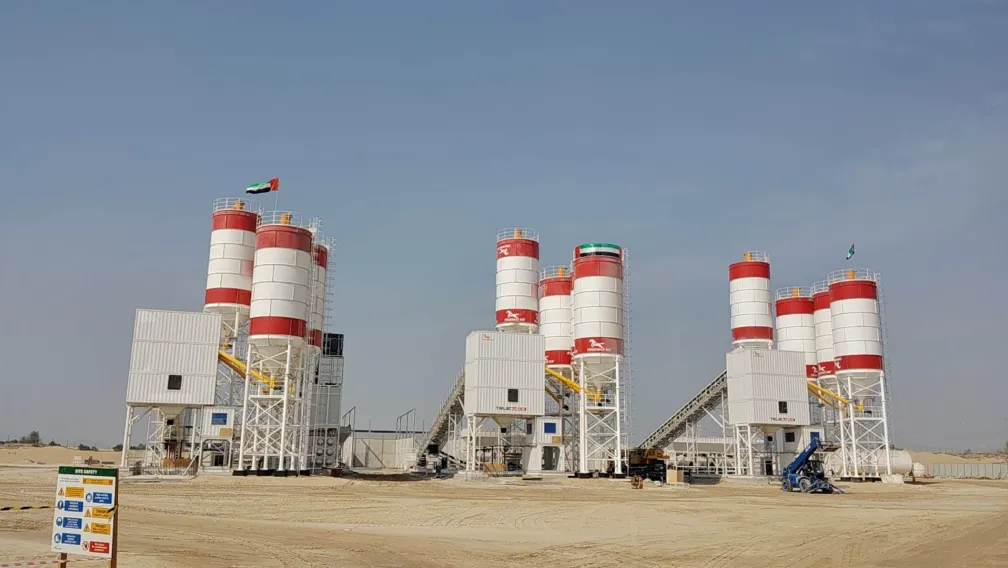
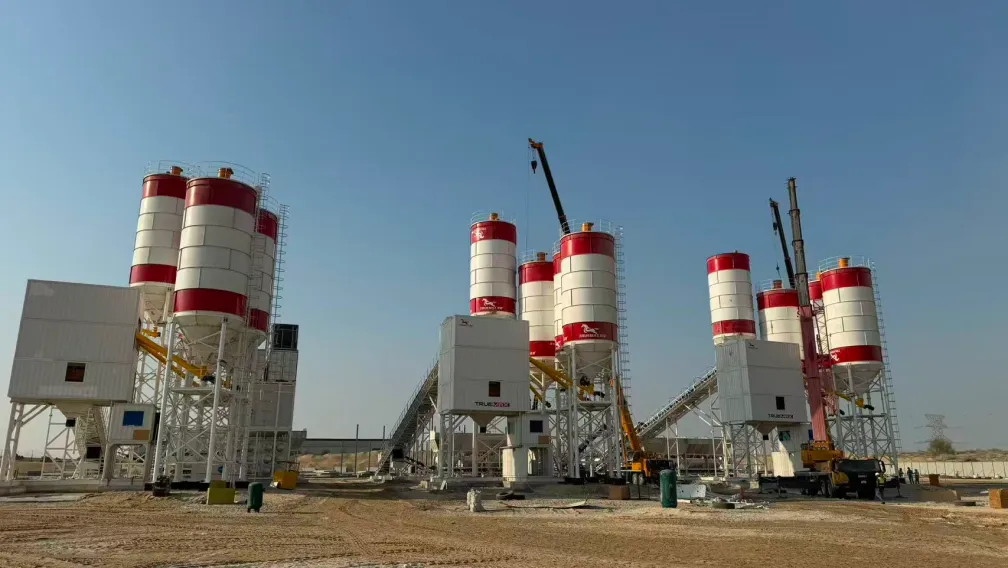
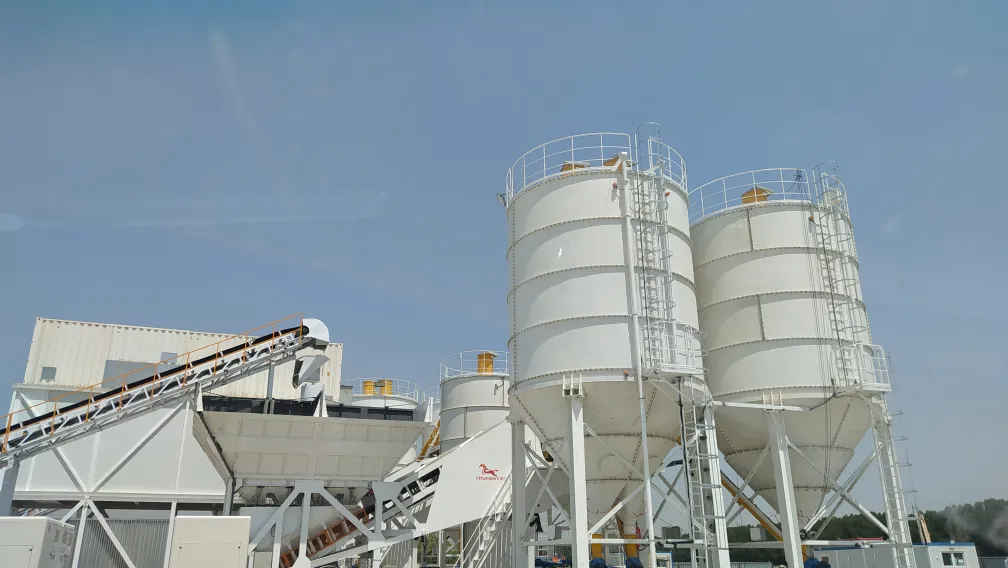
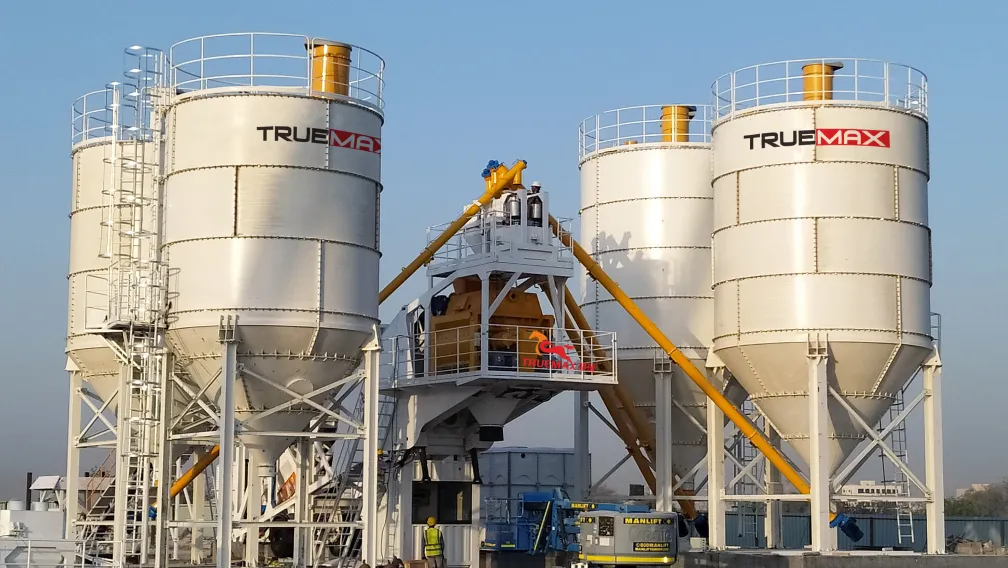
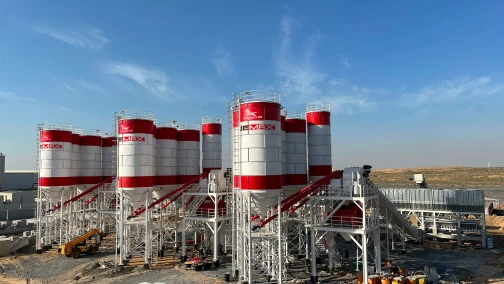
The logistical reality of pouring 10,000-cubic-meter continuous foundation mats in remote desert environments renders traditional commercial ready-mix supply chains highly vulnerable. External factors such as highway traffic, extended transit times, and third-party plant breakdowns introduce unacceptable risks to the structural integrity of a mass pour. Consequently, tier-one contractors operating in the Middle East in late 2026 are exclusively utilizing captive, site-specific concrete batching plants.
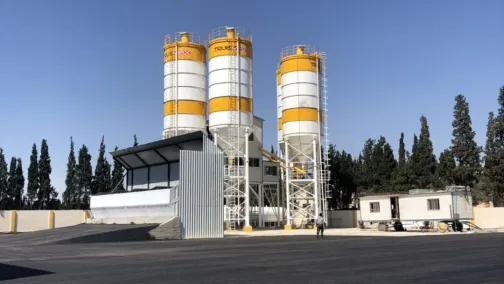
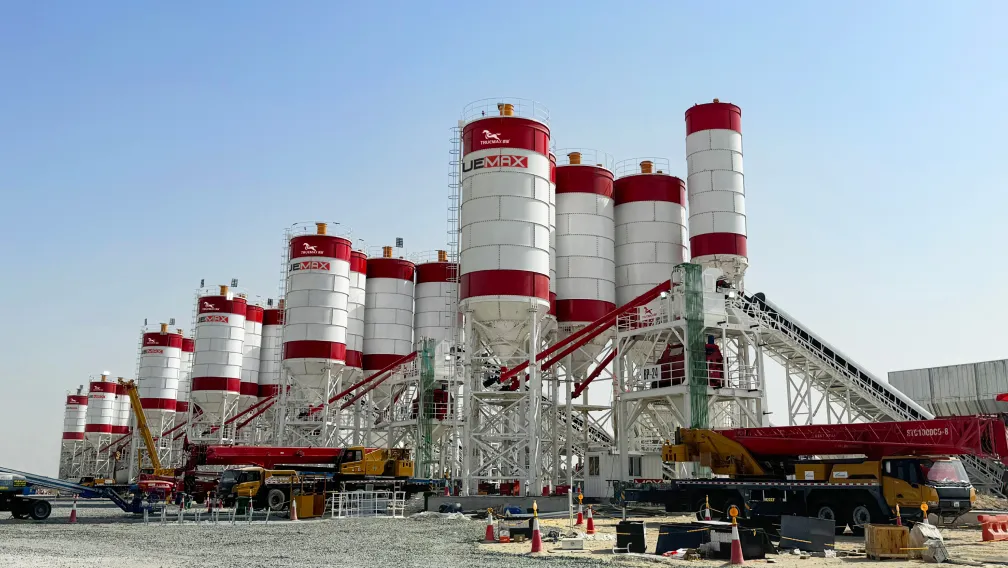
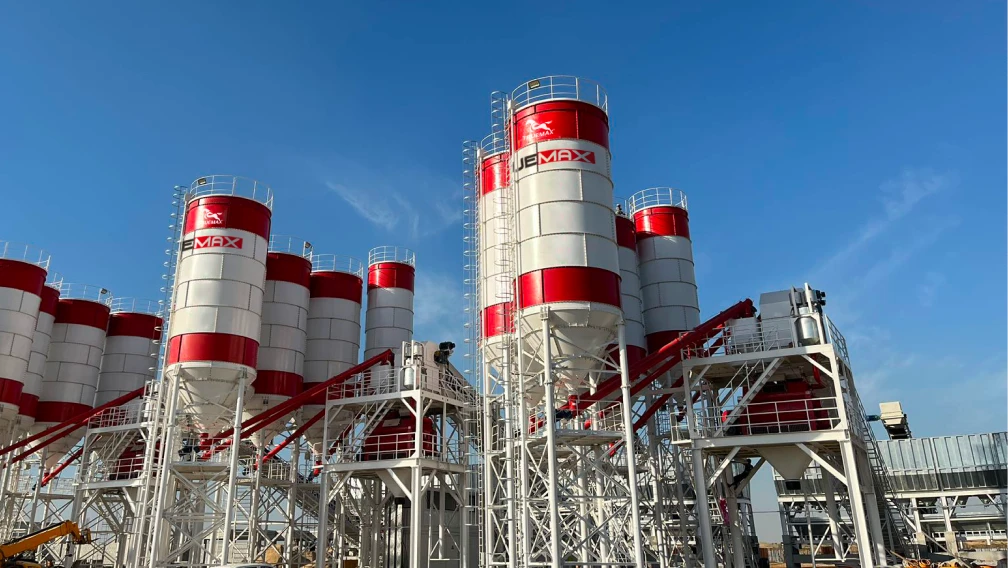
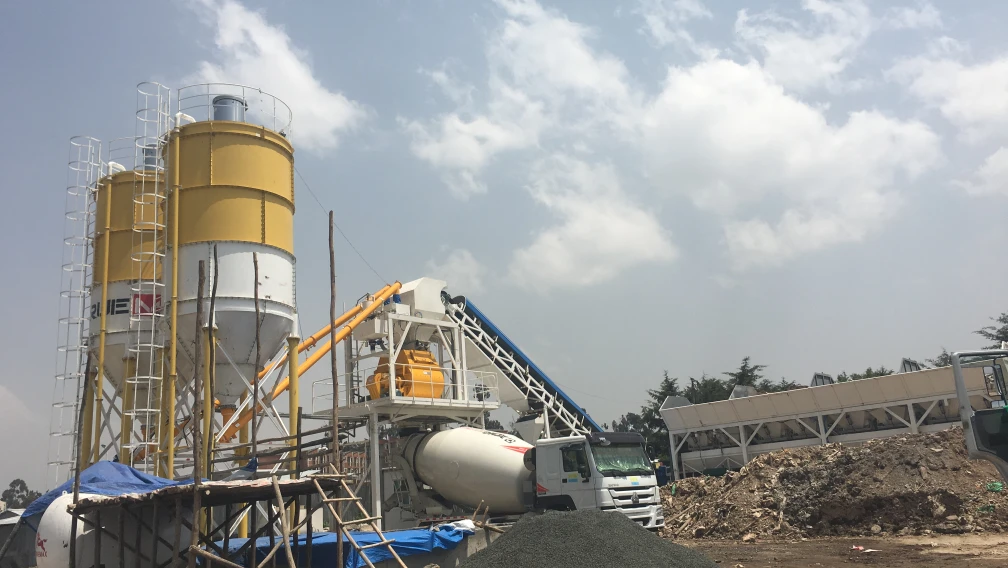
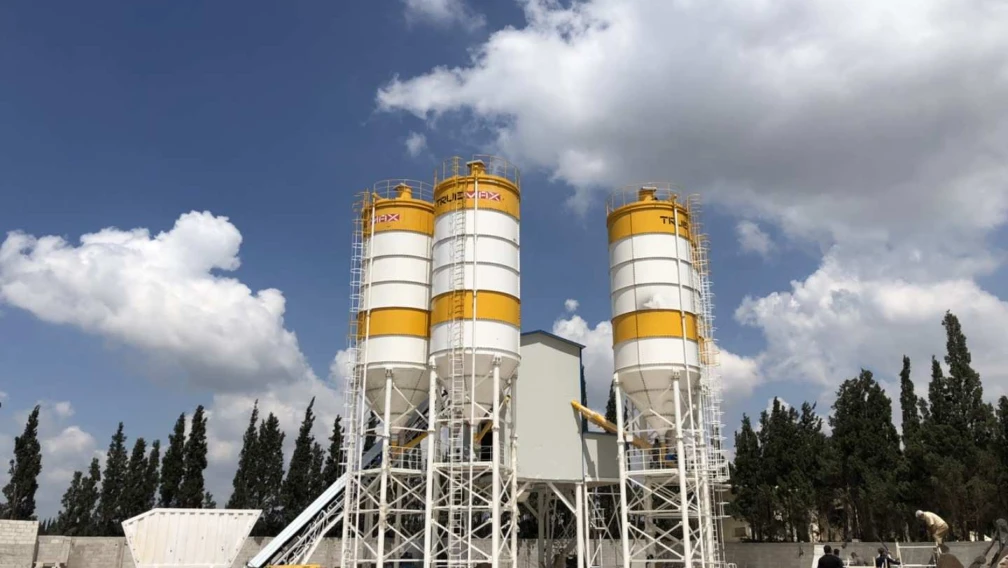
Procurement trends show a heavy preference for modular and stationary plants featuring production capacities ranging from 180 to 240 cubic meters per hour. These facilities are rarely deployed individually; standard site architecture now mandates an N+1 or N+2 redundancy model. If a pour requires 200 cubic meters per hour, contractors install two 180 m³/h plants side-by-side, sharing a unified aggregate loading ramp but operating with independent twin-shaft mixers, control systems, and discharge chutes. This setup guarantees that mechanical failure in one unit will not interrupt the continuous extrusion of the structural element. Furthermore, these plants must be fully integrated with industrial water chillers and flake ice weigh hoppers to maintain the strict 25°C to 32°C maximum placement temperatures mandated by regional engineering codes.
3. Rheological Impacts of Low-Carbon Mandates in Mega-Projects
A defining industry dynamic observed in recent October 2026 engineering symposiums is the rigorous enforcement of sustainability metrics on Middle Eastern mega-projects. Project owners are strictly mandating "green concrete" formulations. These mix designs feature a heavy substitution of traditional Portland cement with Supplementary Cementitious Materials (SCMs) such as Ground Granulated Blast-furnace Slag (GGBS), fly ash, and silica fume. While these materials effectively lower the carbon footprint and mitigate the heat of hydration in massive foundation blocks, they fundamentally alter the rheology of the fresh concrete.
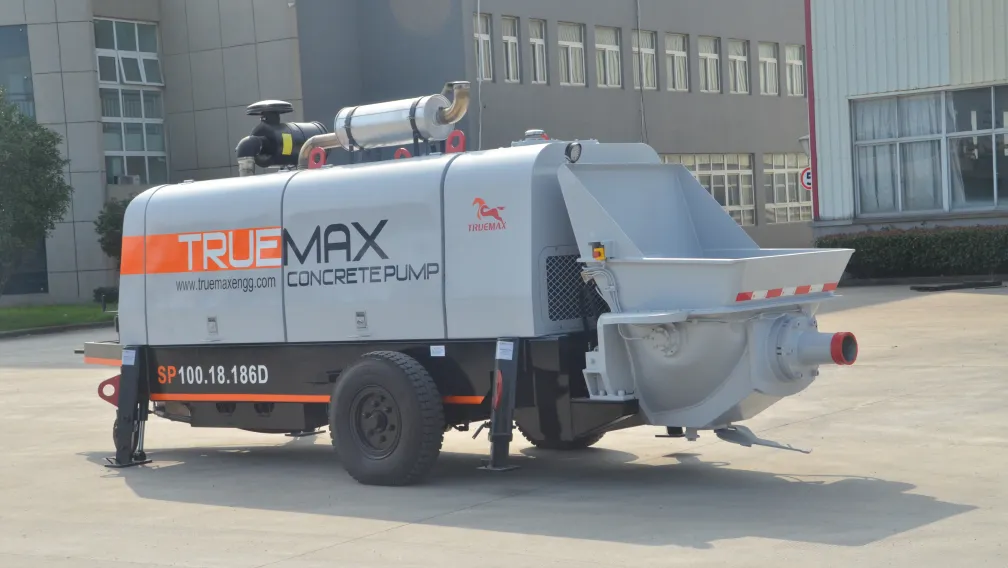
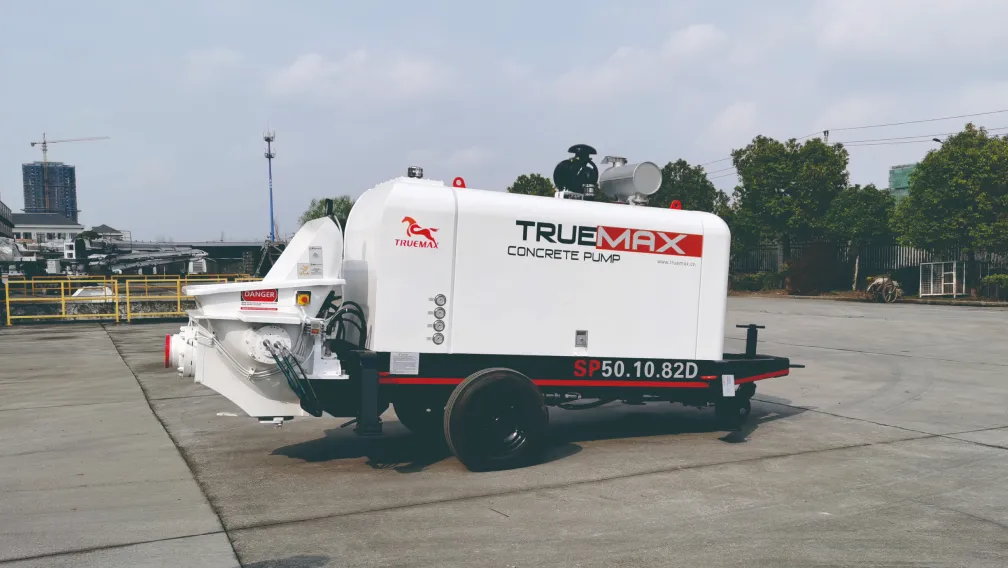
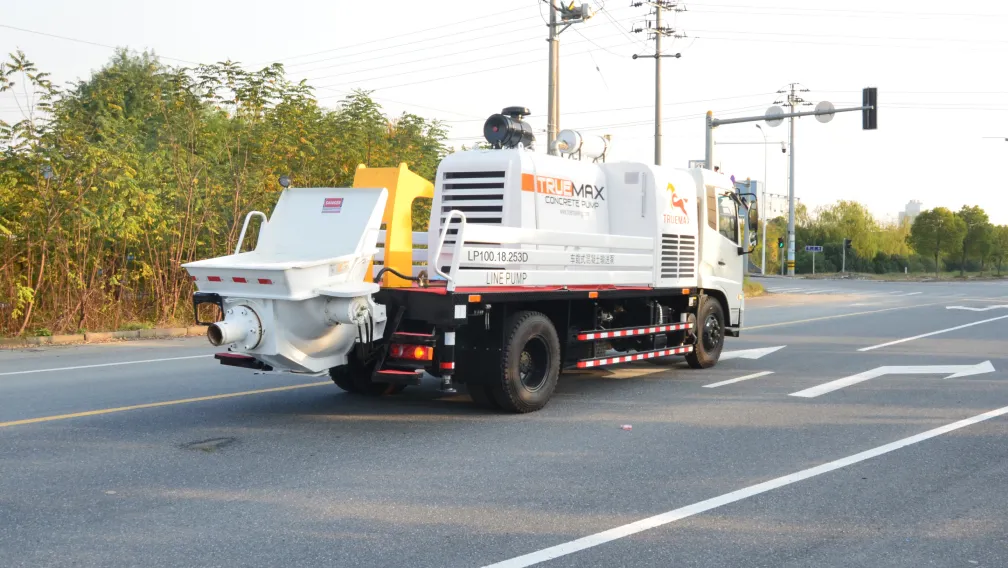
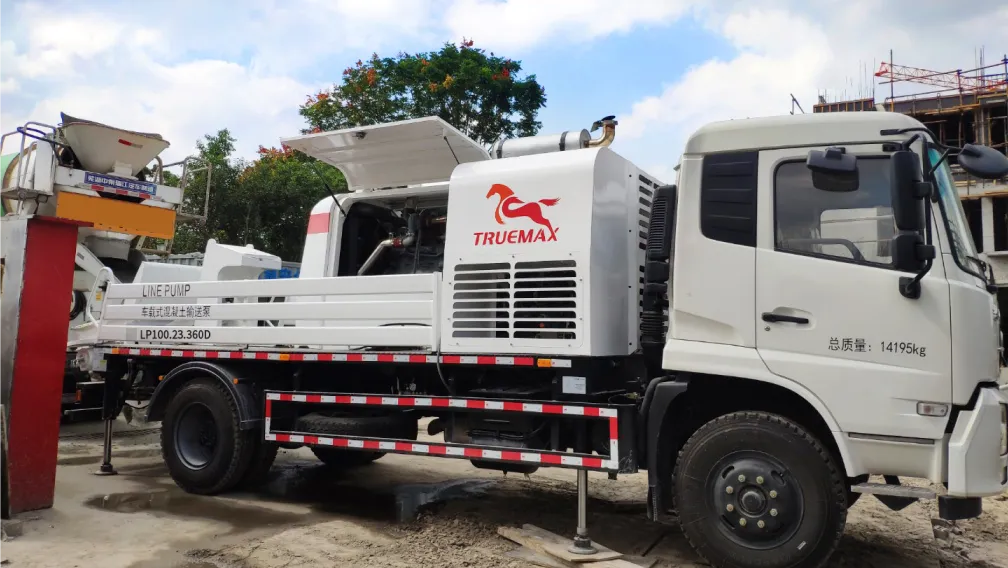
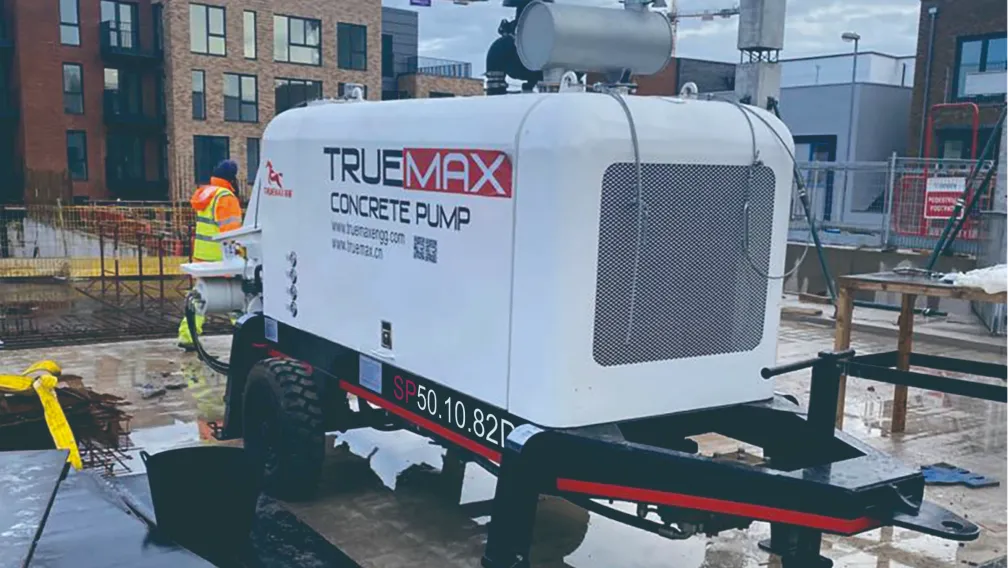
High-SCM mixes exhibit elevated viscosity, increased stickiness, and a tendency toward rapid slump loss under pressure. Moving these advanced materials requires significantly higher hydraulic force than standard commercial mixes. Consequently, contractors are upgrading their placement fleets, focusing on high-pressure stationary concrete pumps engineered for the 18 to 25 MPa pressure class. These heavy-duty pumps must be equipped with advanced closed-loop hydraulic systems to prevent fluid overheating during continuous 48-hour operation, and feature tungsten carbide wear parts to withstand the intense abrasive shear forces generated by the sticky, viscous green concrete.
4. Vertical and Horizontal Pumping Architecture
Beyond the immense raft foundations, the verticality of the new urban mega-structures introduces extreme hydrostatic challenges. Pumping concrete vertically to elevations exceeding 200 meters requires a meticulously engineered pipeline architecture. The static head pressure of the concrete column alone demands specialized high-pressure delivery cylinders and heavy-duty S-valves that can seal perfectly against backpressure without allowing grout leakage.
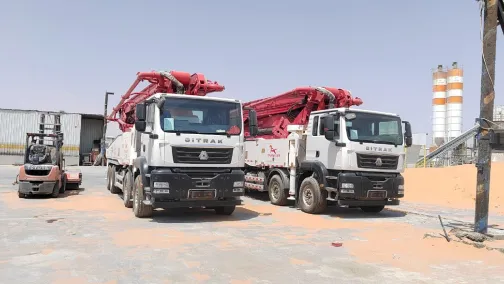
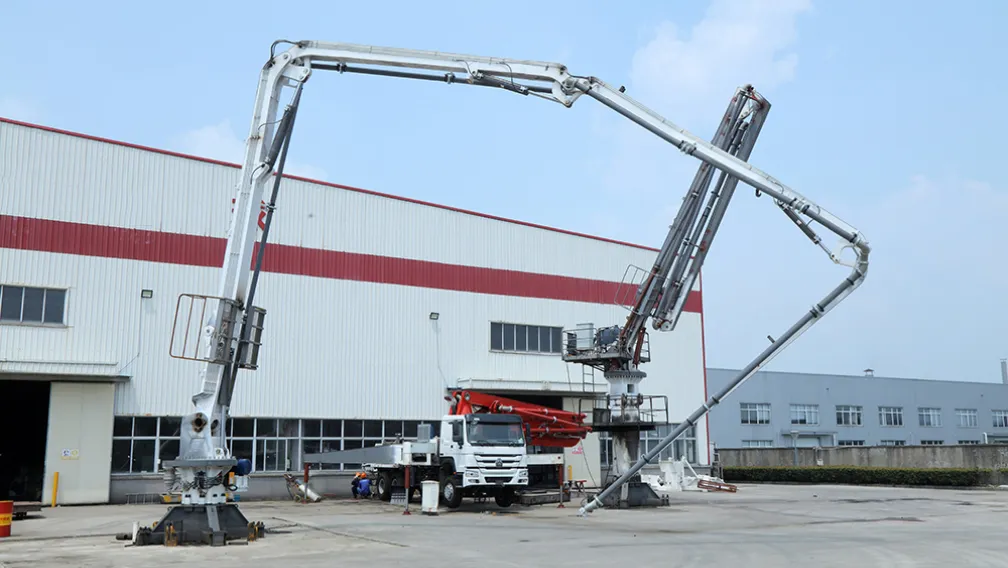
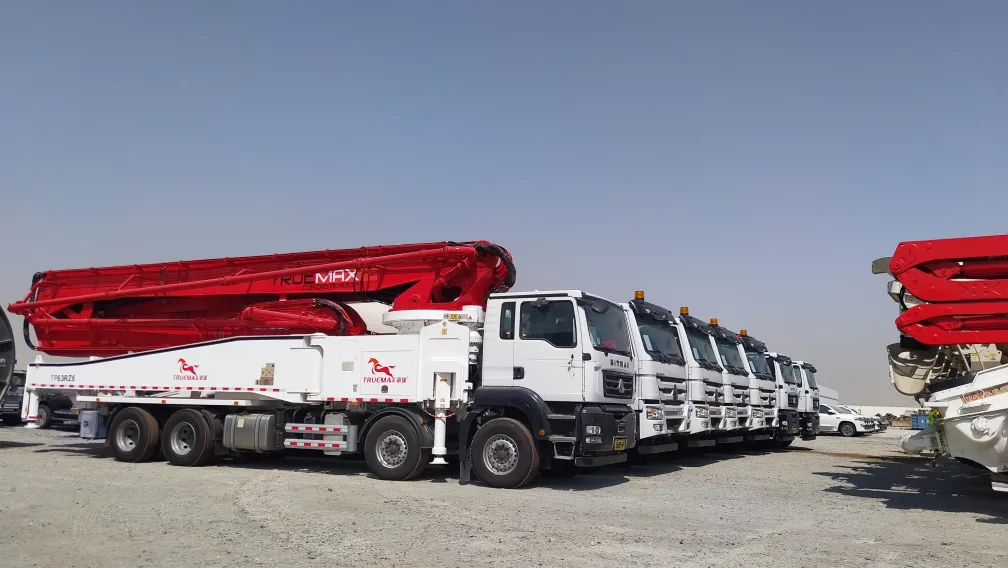
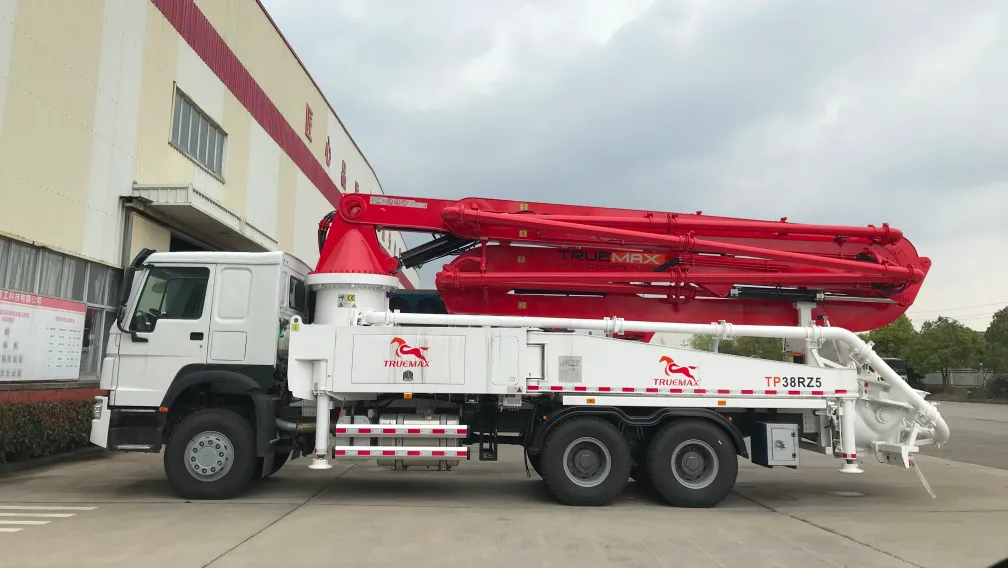
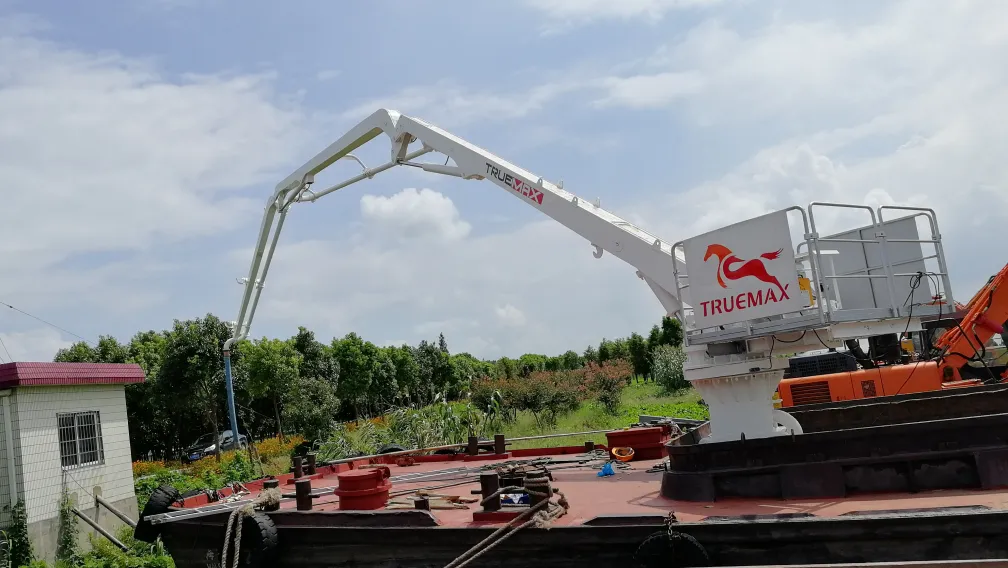
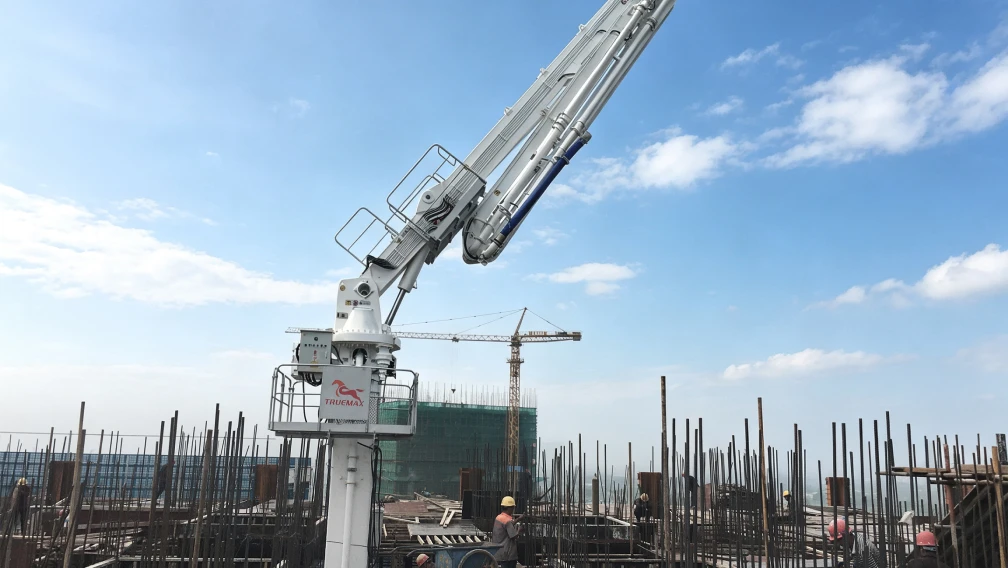
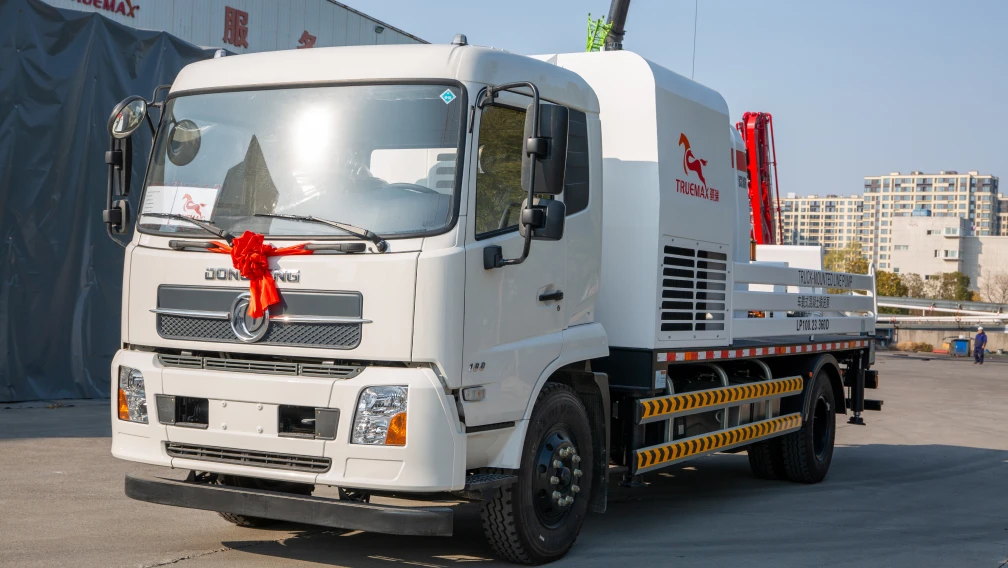
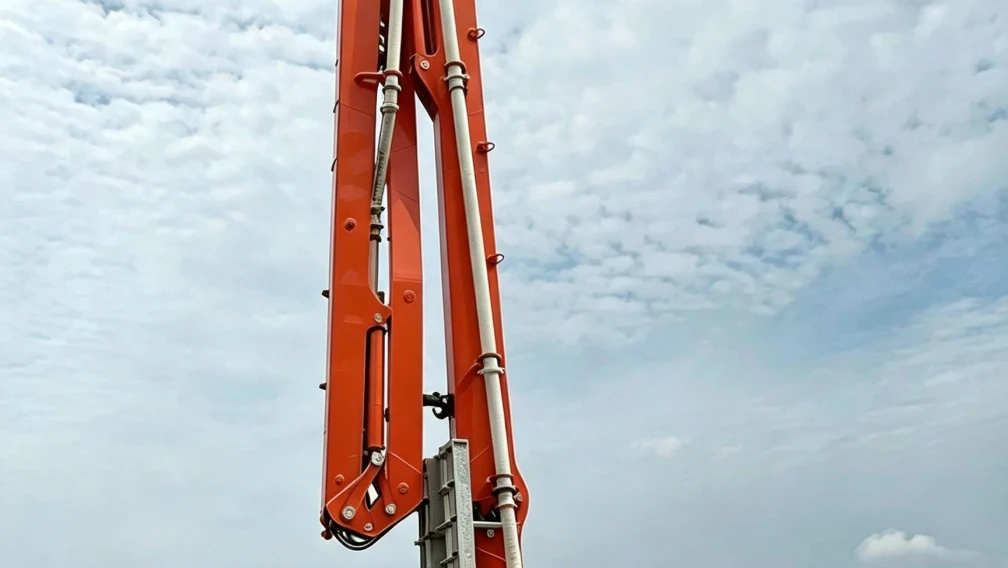
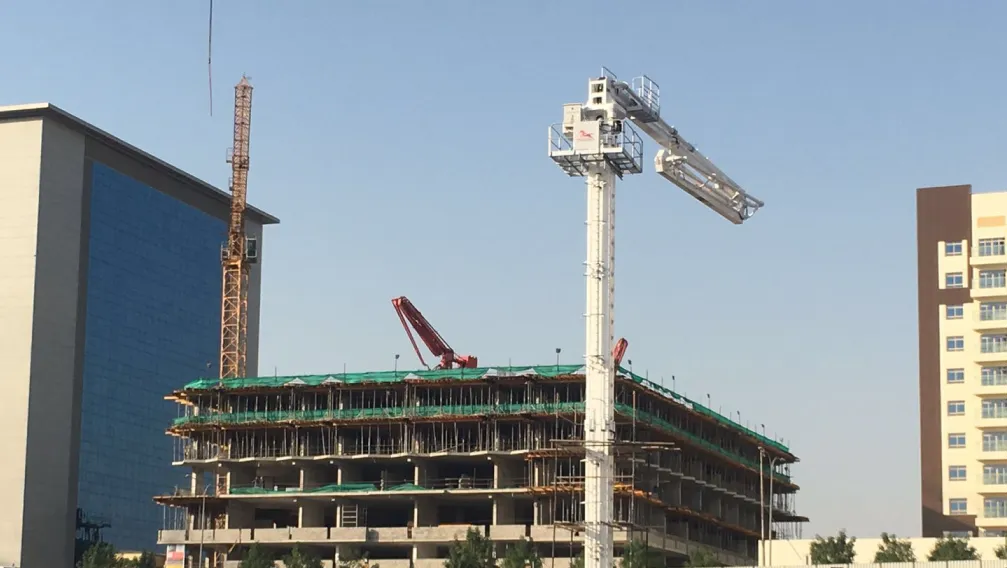
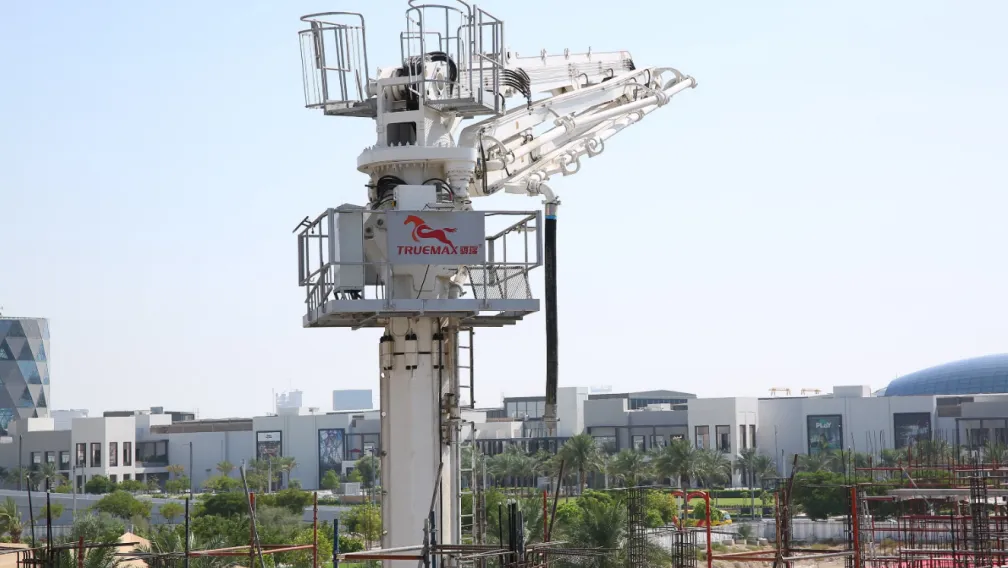
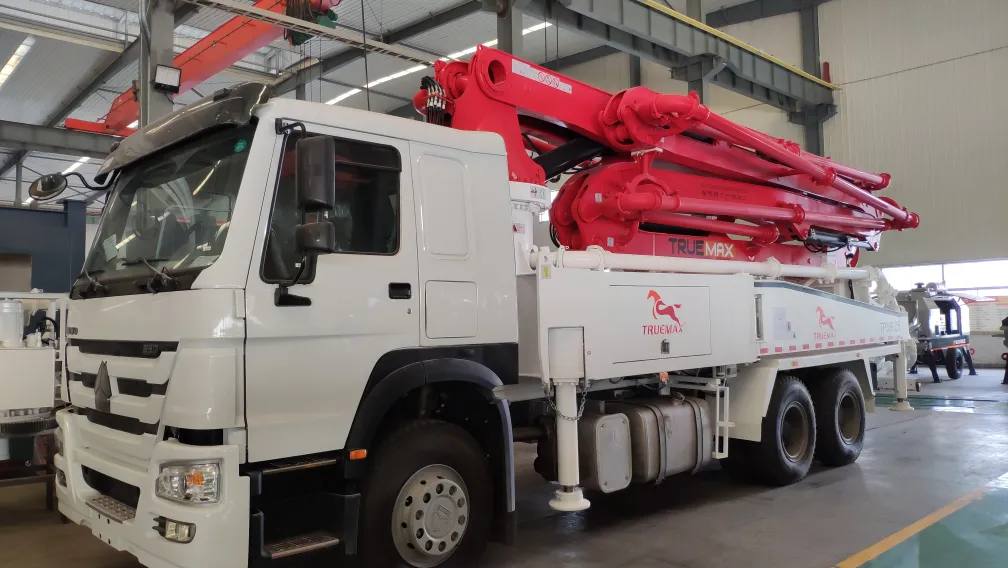
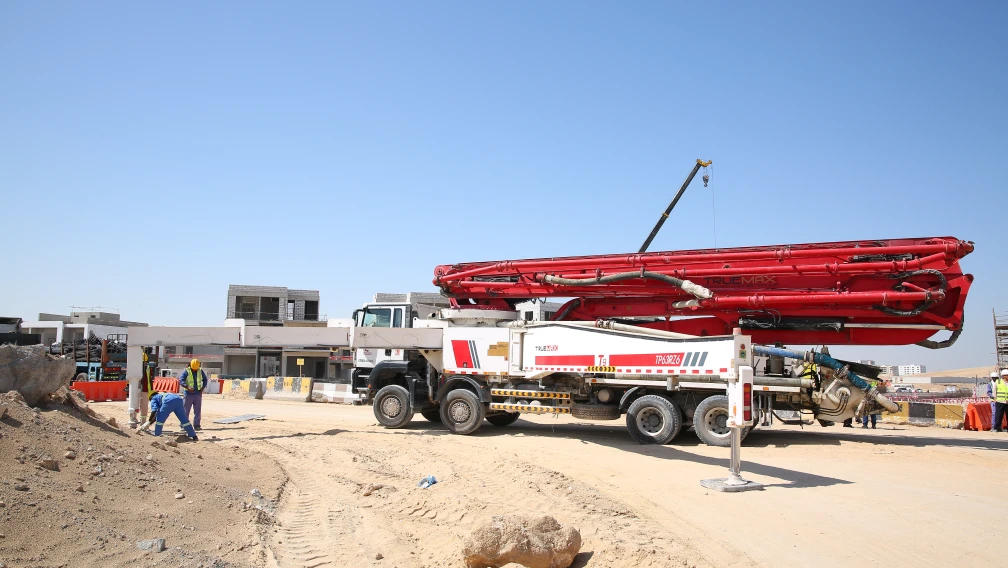
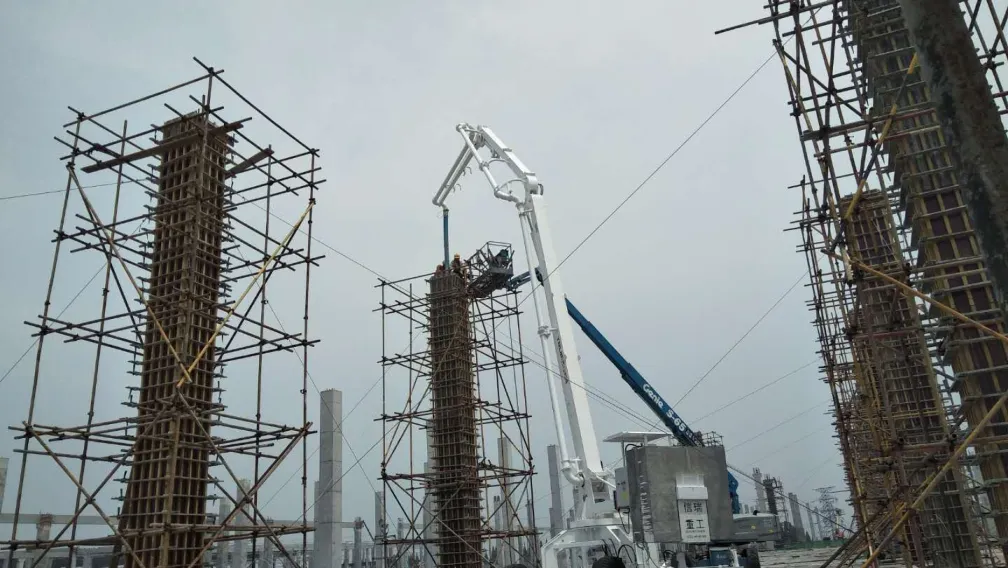
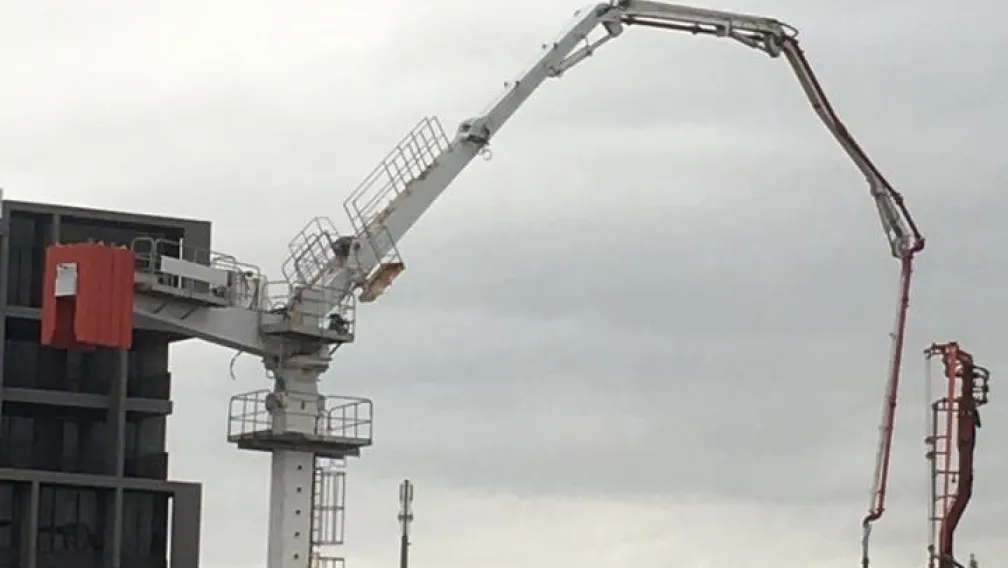
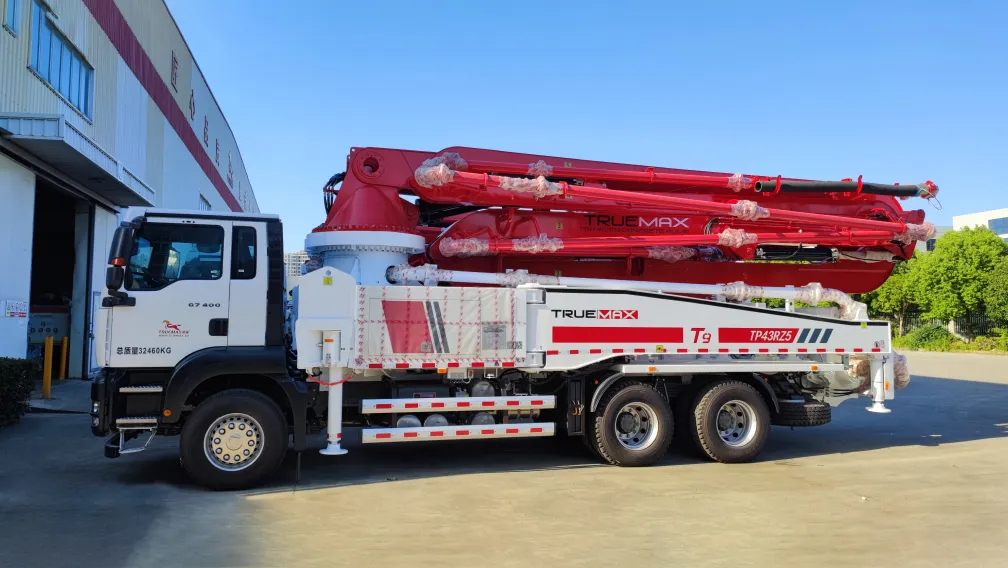
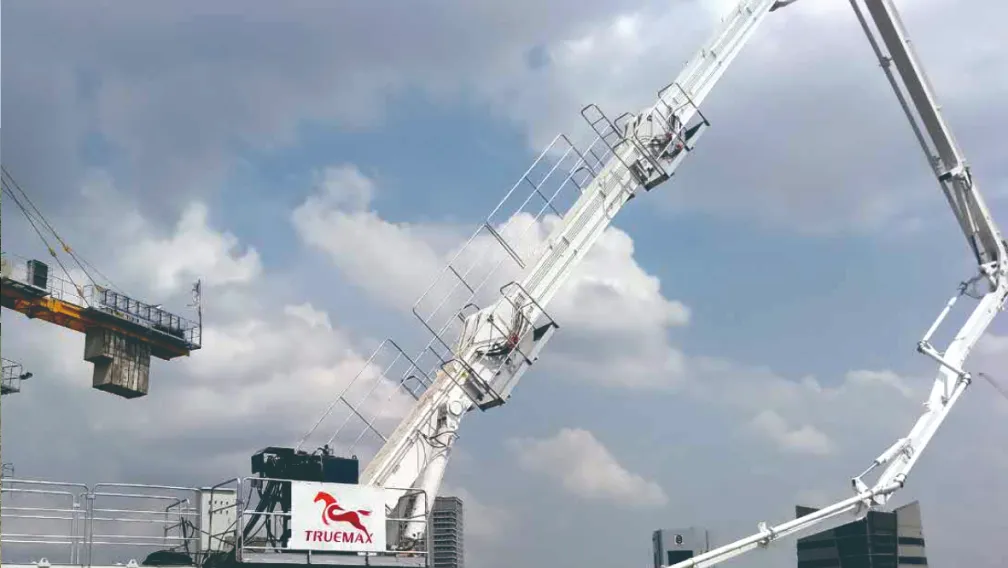
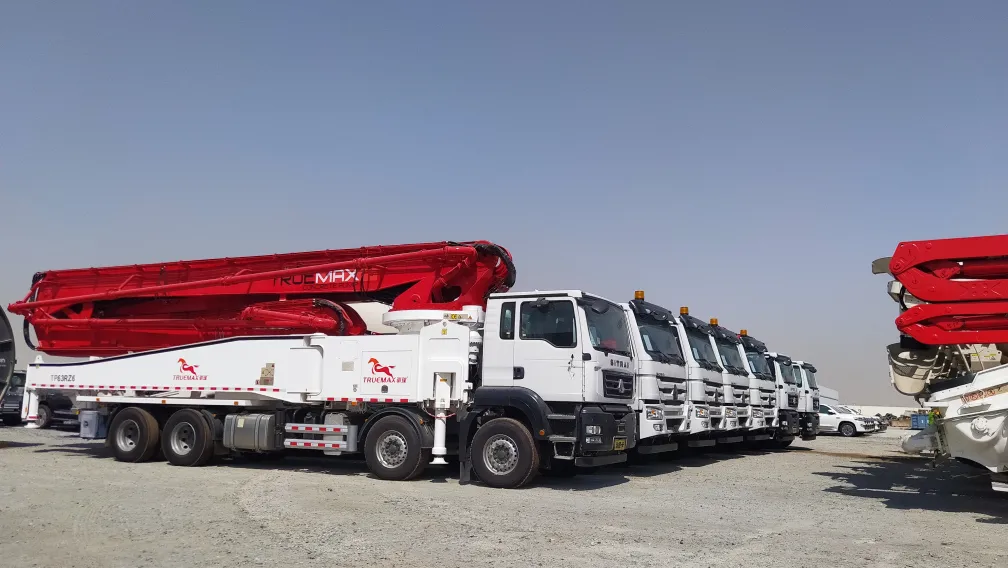
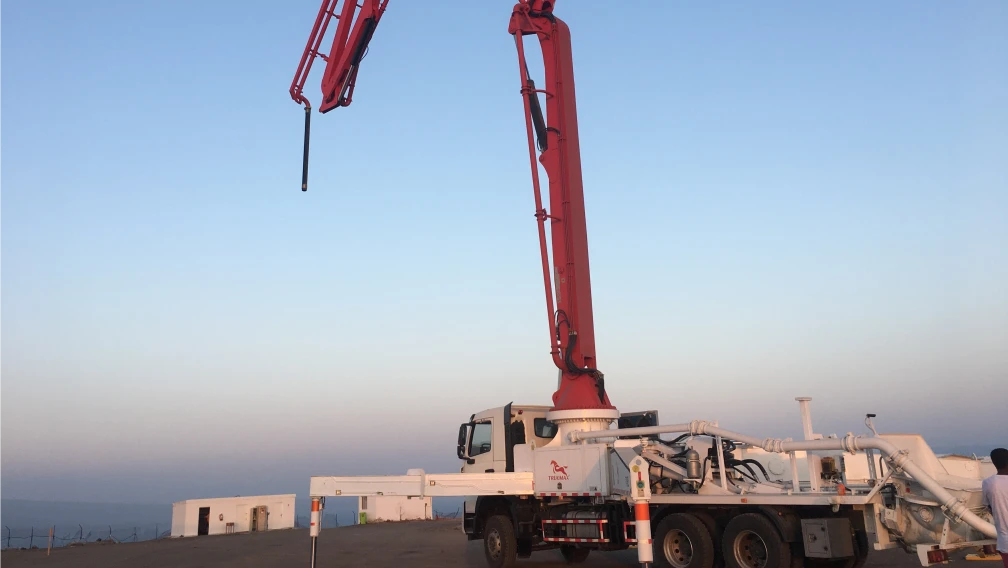
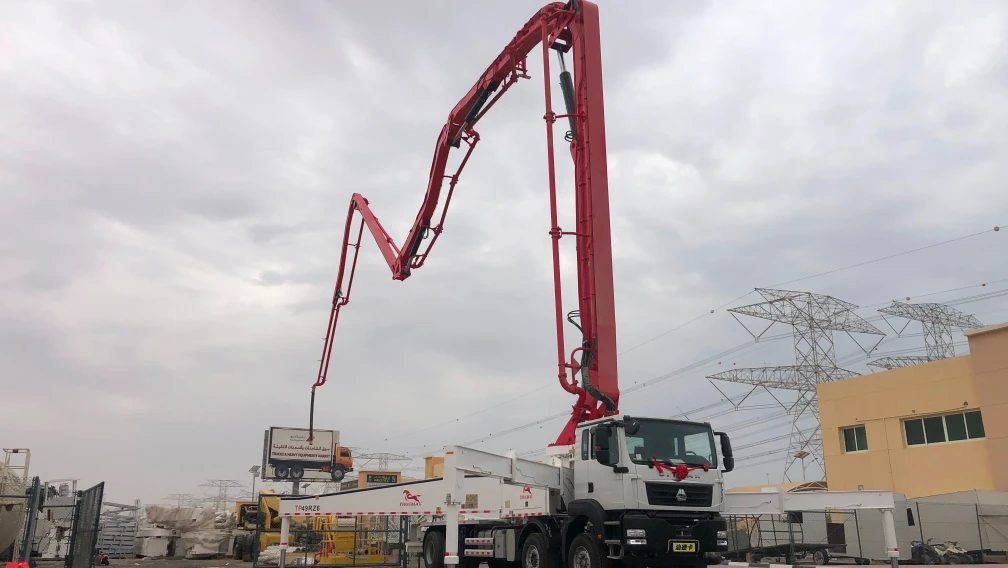
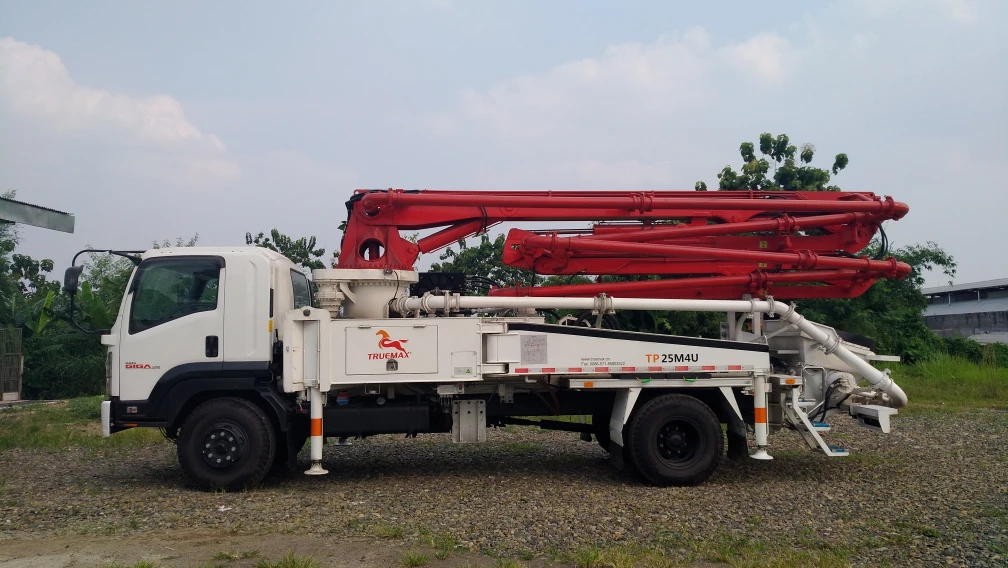
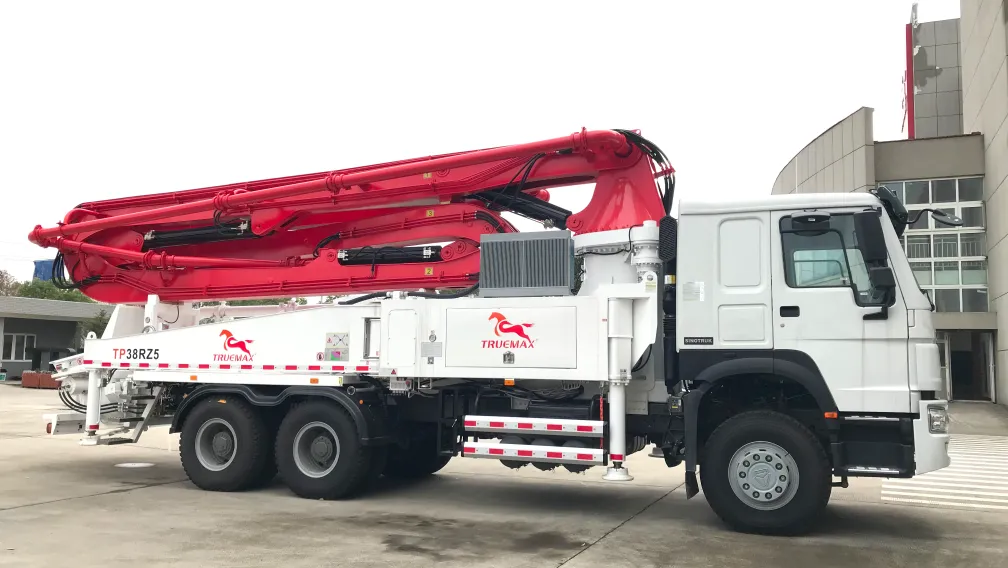
For these applications, contractors are deploying comprehensive systems that pair ground-level stationary pumps with twin-wall, induction-hardened steel delivery pipelines and climbing concrete placing booms mounted on the working decks. The placing booms are critical for distributing the heavy concrete evenly across congested rebar grids without requiring personnel to drag high-pressure end hoses manually. For lower podium levels, transfer slabs, and sprawling horizontal infrastructure like desalination plants and logistics hubs, the truck-mounted boom pump remains the primary tool, prized for its rapid setup time and ability to reach over deep excavations with multi-section Z-fold articulation.
5. Transit Fleet Modernization and Thermal Mitigation
The highest risk phase in hot-weather concrete operations is the transit period between the batching plant and the pump hopper. Even with captive on-site plants, the ambient temperatures in the GCC can easily exceed 45°C during peak construction seasons. Steel mixing drums absorb and transfer intense solar radiation directly into the concrete, accelerating the hydration process and destroying the mix's workability.
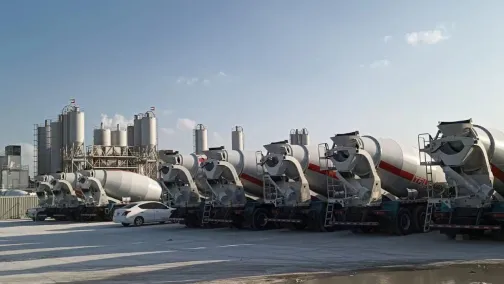
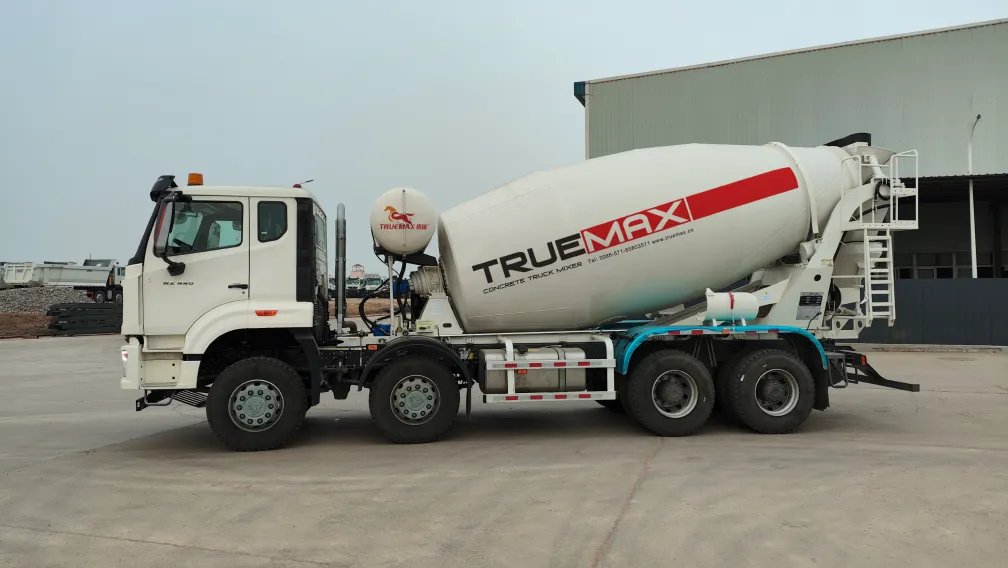
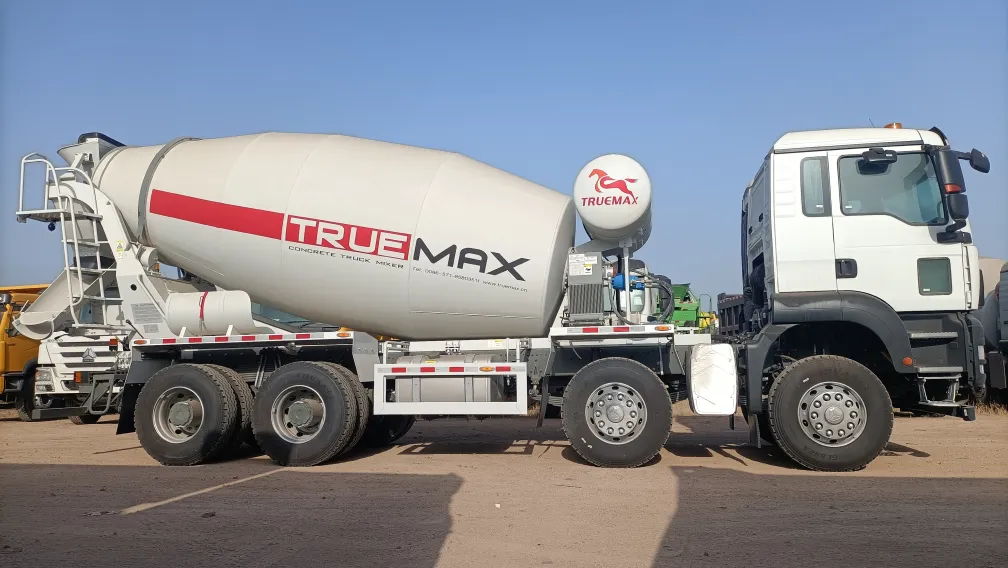
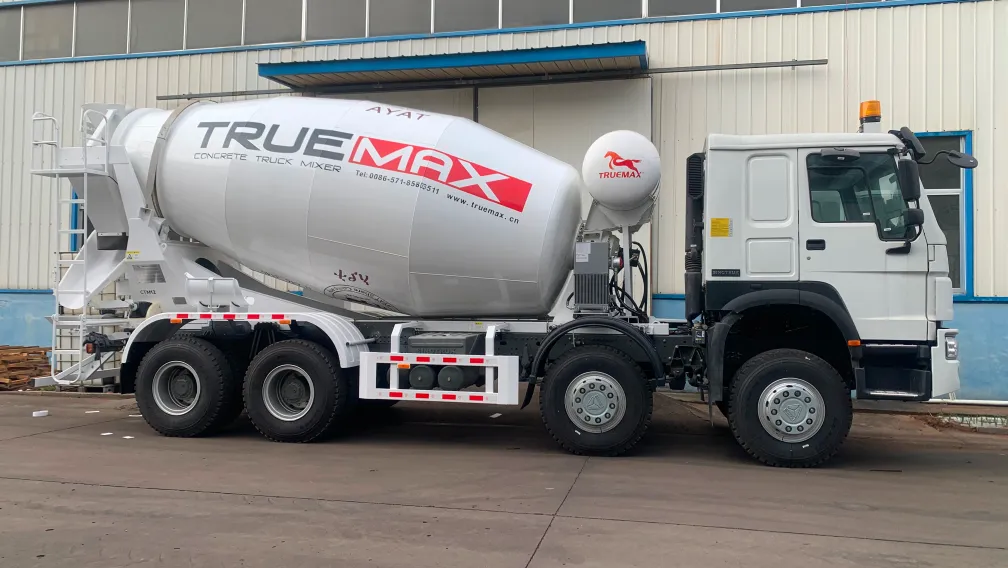
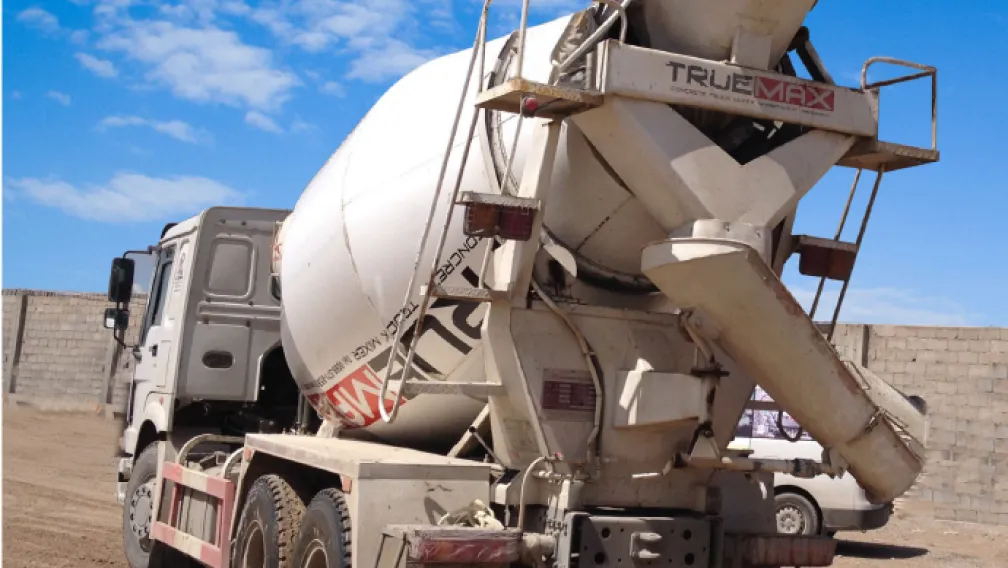
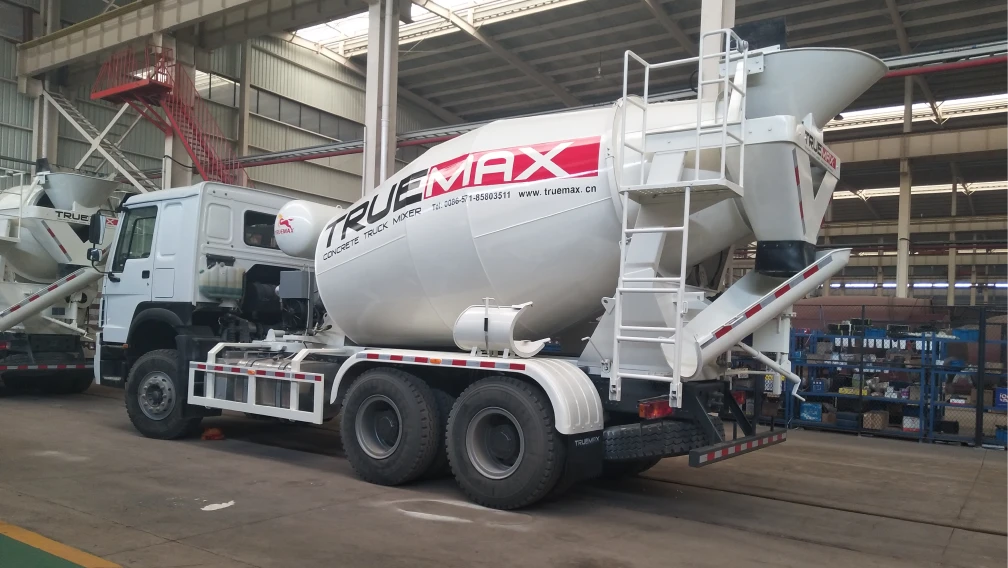
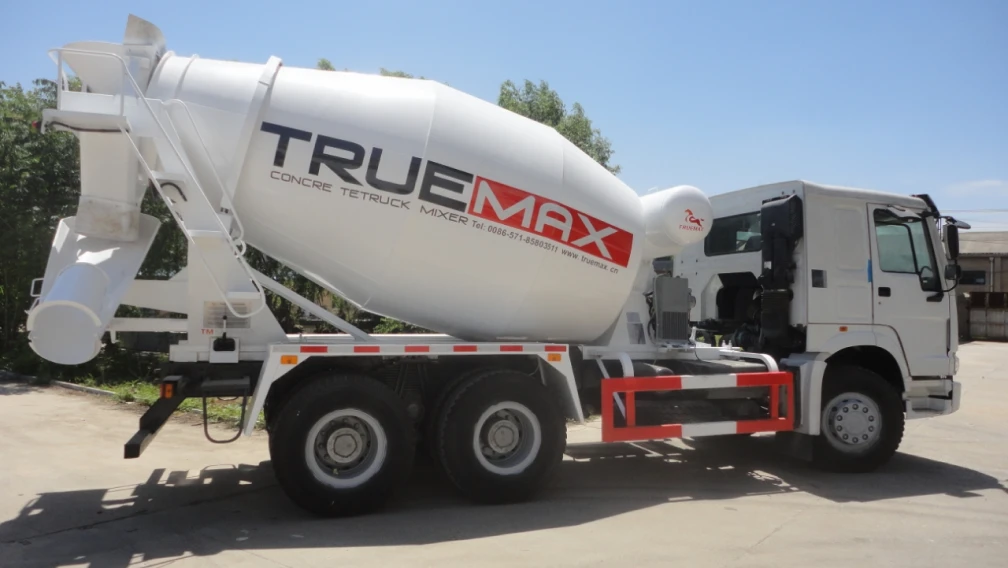
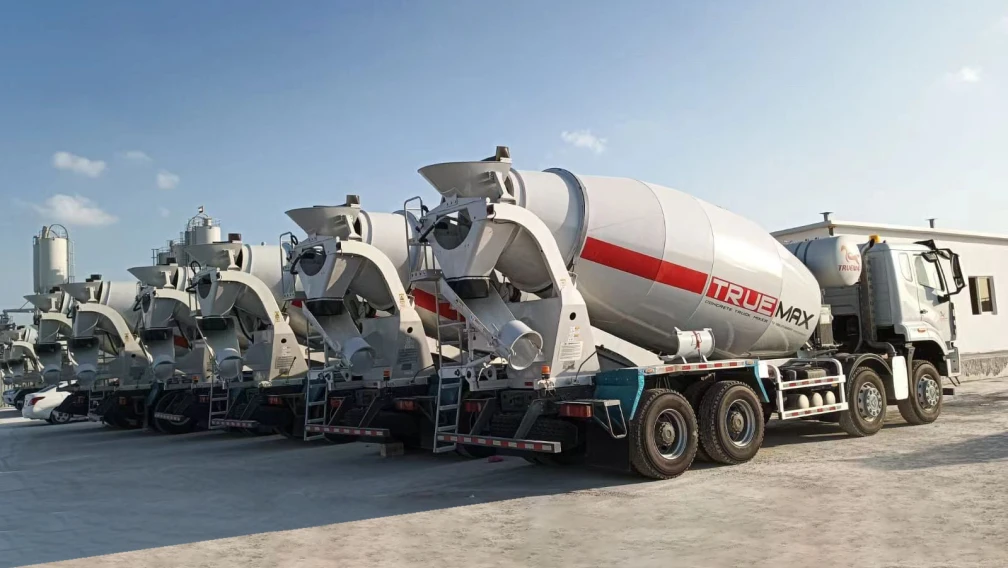
To combat this, procurement specifications for concrete truck mixers in Q4 2026 emphasize thermal mitigation and heavy-duty reliability. Modern fleets are utilizing highly reflective drum coatings or fitted thermal insulation jackets to block solar gain. Additionally, because the captive batching plants produce high volumes continuously, the transit fleet must offer maximum payload capacity mounted on rugged, high-torque chassis capable of navigating unpaved, uneven desert site roads without drivetrain failure. Heavy-duty 8x4 chassis configurations with 12 to 14 cubic meter drum capacities are dominating the current procurement cycles in the region.
6. Strategic Procurement Outlook for 2027
The aggressive timeline of the Vision 2030 mega-projects leaves no margin for supply chain delays. As European, Asian, and local general contractors secure massive structural packages across the Middle East, the global manufacturing queue for specialized, high-capacity concrete machinery is lengthening. Relying on spot-market equipment rentals is no longer viable for projects of this scale.
Contractors finalizing their execution plans for 2027 are locking in their heavy equipment orders now. The successful strategy involves partnering directly with Original Equipment Manufacturers (OEMs) who can provide full-system integration—matching the output of the batching plants precisely to the capacity of the transit fleet and the pressure ratings of the pumping hardware. This holistic procurement approach ensures mechanical compatibility, streamlines maintenance logistics, and secures priority access to critical wear parts during the peak construction phases.
7. Frequently Asked Questions
Q1: Why are mega-projects shifting away from commercial ready-mix suppliers?
A: Mega-projects require massive, continuous concrete pours (often exceeding 10,000 cubic meters) that cannot tolerate supply chain interruptions, traffic delays, or inconsistent mix temperatures. Captive, on-site batching plants provide total control over production rates, quality, and thermal management.
Q2: What is an N+1 redundancy model in concrete batching?
A: N+1 redundancy means installing at least one more batching plant than is theoretically required to meet the target hourly output. If a mechanical failure occurs in one plant, the backup unit seamlessly takes over, preventing a catastrophic cold joint in a continuous foundation pour.
Q3: How do low-carbon "green" concrete mixes affect pumping equipment?
A: Green concrete heavily utilizes SCMs like GGBS and fly ash, making the mix highly viscous and sticky. This requires stationary pumps with much higher hydraulic pressure ratings (18-25 MPa) and reinforced wear parts to overcome the increased friction in the pipeline.
Q4: Why are truck-mounted boom pumps essential for early-phase mega-projects?
A: During the early phases involving deep excavations, podiums, and sprawling horizontal structures, truck-mounted boom pumps offer unmatched mobility. They can set up quickly on uneven ground, reach deep into excavations, and relocate rapidly across the massive site footprints without laying static pipelines.
Q5: How is slump loss prevented during concrete transit in extreme heat?
A: Transit fleet operators prevent slump loss by replacing standard mixing water with chilled water or flake ice at the batching plant, applying highly reflective paint or thermal jackets to the mixer drums, and utilizing chemical retarding admixtures to delay the cement hydration process.
Q6: What is the lead time strategy for procuring equipment for 2027 projects?
A: Due to the unprecedented demand from Middle Eastern mega-projects, contractors are avoiding spot rentals and instead placing direct orders with OEMs months in advance. This ensures full-system compatibility across batching, mixing, and pumping equipment, and secures priority manufacturing slots.
8. Truemax Equipment Solutions for Middle East Projects
Executing mega-project concrete operations requires industrial-grade machinery engineered for extreme climates, continuous duty cycles, and viscous green concrete formulations. Truemax has been a dedicated equipment partner for structural projects across the Middle East, Africa, and Southeast Asia since 2003. We provide integrated heavy-duty batching plants with automated temperature controls, 18-25 MPa stationary pumps, custom placing booms, and high-capacity transit mixers. To configure a complete concrete production and placement fleet tailored to your 2027 project timeline, contact our engineering team directly via the contact page for technical specifications and lead time assessments.
-

TrueMax
Concrete & Construction Equipment Manufacturer
Established in 2003, Truemax designs, manufactures, and delivers concrete pumping equipment, crushing machinery, and construction hoisting systems from our own factory in Haining, China to jobsites in over 120 countries.